




Changing Faces of Mathura and Vrindavan: The Shift of Faith

Mathura and Vrindavan have long stood as sacred symbols of spirituality. Mathura, known as the birthplace of Lord Krishna, holds immense historical and religious importance. Vrindavan, often described as the land of divine love, has been a centre of bhakti traditions for centuries. Devotees once visited these towns with the sole intention of experiencing devotion, peace, and spiritual elevation. Today, however, the cultural atmosphere is undergoing a visible transformation. A new culture of display, often driven by material motives and social media exposure, is slowly blending with the sacred essence.
The Traditional Spirit of Mathura and Vrindavan
For centuries, the essence of these towns rested in simplicity. Pilgrims arrived barefoot, carrying flowers, sweets, and prayers in their hearts. Temples echoed with the sound of bhajans sung without amplification, creating an intimate connection between the devotee and the divine.
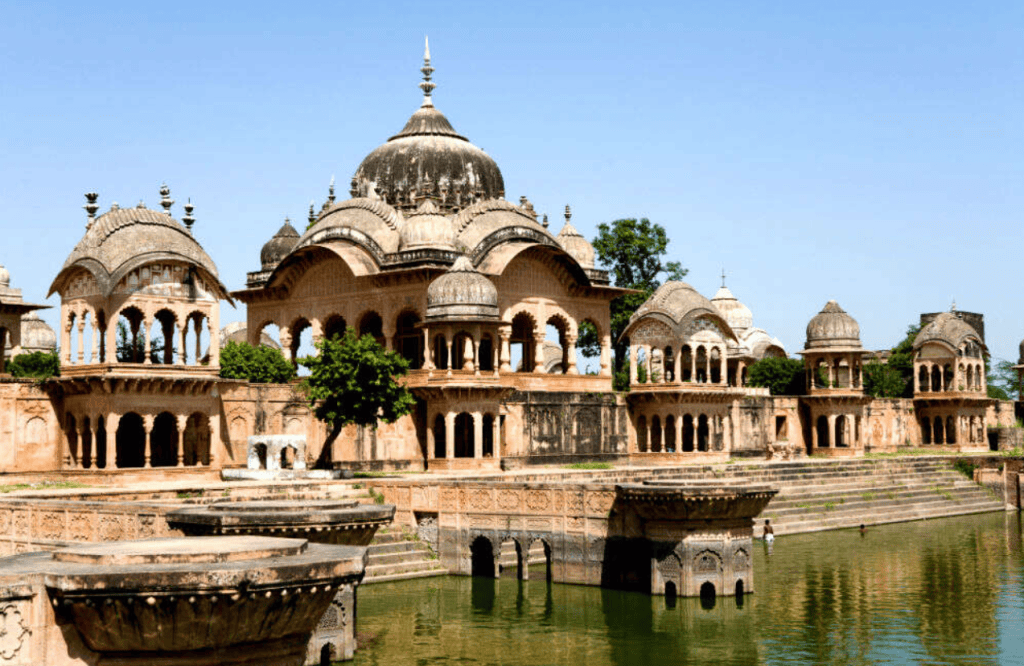
Ras leelas, folk performances that recreated Krishna’s stories, were held in open courtyards and small community gatherings. Life revolved around service, humility, and the practice of bhakti. The temple priests, saints, and local communities guided pilgrims to embrace devotion rather than grandeur.
This culture of simplicity reflected in the streets, food, and daily lives of residents. Visiting Mathura and Vrindavan was less about luxury and more about surrender. Pilgrimage was seen as a spiritual discipline, not a stage for display.
The Rise of Display Culture – Mathura and Vrindavan
In recent decades, the towns have witnessed a dramatic shift. The growth of social media and the rise of a consumer-driven lifestyle have entered even the lanes of Vrindavan and Mathura. Temples once filled with silent prayers are now often crowded with devotees holding smartphones to capture every ritual. Pilgrimage has turned into a backdrop for photography. Many travellers focus on creating perfect images to share online rather than experiencing the sacred atmosphere.
Even religious festivals, such as Holi in Barsana or Janmashtami in Mathura, are no longer just devotional gatherings. They have turned into large-scale events where display of wealth, attire, and status often overshadows the deeper spiritual essence. Spirituality has started blending with performance.
Commercialization of Sacred Spaces
Another striking change is the commercialization of these towns. Streets are lined with shops selling not only traditional prasad but also glittering souvenirs and luxury items marketed as spiritual tokens. Expensive hotels, theme-based resorts, and cafes dominate spaces once reserved for community kitchens and simple guest houses. For many, visiting Mathura and Vrindavan has become an experience of leisure mixed with devotion, where comfort and luxury take priority over spiritual discipline.
This commercialization has also influenced the behaviour of locals. For some priests and guides, devotion has turned into a means of income rather than a form of service. Temple donations and religious offerings are sometimes displayed with grandeur. What was once a silent act of surrender has become a way to showcase financial capacity.
Social Media and the Transformation of Faith
One of the most powerful drivers of this shift is social media. Platforms that promote visuals and appearances encourage people to treat devotion as content. Aarti ceremonies, darshan queues, and temple decorations are recorded and shared with global audiences. While this does spread awareness of cultural traditions, it also creates pressure to present devotion in a glamorous manner.
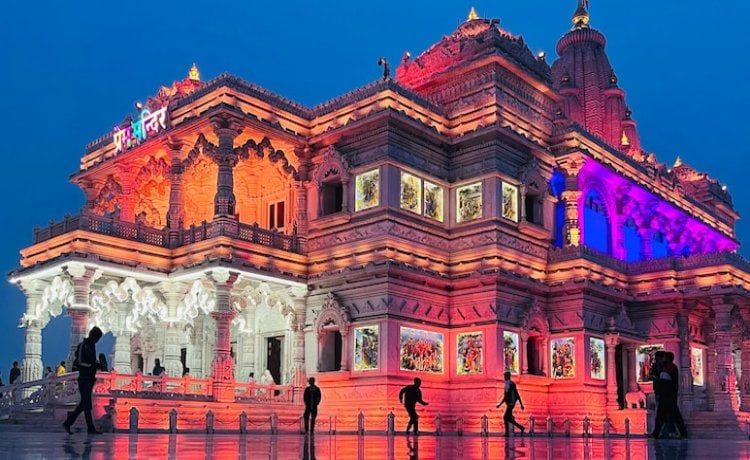
A new generation of visitors often comes with the purpose of documenting experiences. The sacred act of darshan sometimes turns into a background for reels and selfies. Faith, which once thrived on silence and reflection, is now tied to the urge to show. The culture of Mathura and Vrindavan is becoming less about the inner journey and more about outer appearances.
Festivals as Public Spectacles at Mathura and Vrindavan
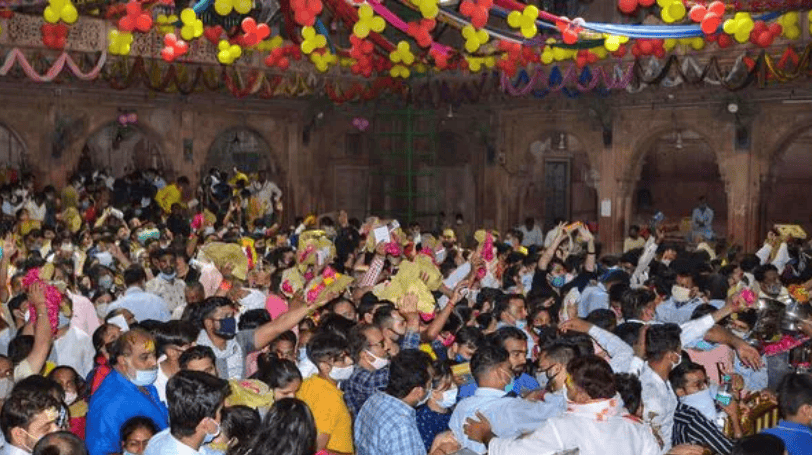
Festivals, once intimate expressions of devotion, are now global spectacles. During Janmashtami, temples compete to create the tallest and most decorated swings for baby Krishna idols. Streets are adorned with lights and decorations that resemble urban fairs more than traditional celebrations. While these attractions draw large crowds, they also shift the focus from spirituality to entertainment.
Holi in Vrindavan, known for its divine charm, has now become a magnet for tourists seeking colourful experiences. Many arrive not to feel the devotional spirit of Radha and Krishna but to record playful videos. Local traditions are still present, but they exist alongside commercial performances designed to attract outsiders. The essence of bhakti often gets lost in this mixture of devotion and display.
Impact on Local Communities
This shift also influences the lives of the residents. Families who once depended on community sharing and temple service now adapt to the needs of tourism. Shops, restaurants, and event planners benefit from the influx of people. Yet, the values of humility and simplicity are slowly fading. The younger generation in Mathura and Vrindavan grows up in an environment where devotion is linked with business, presentation, and performance.
This also creates a cultural dilemma. On one hand, tourism provides income and exposure. On the other, it risks diluting the sacred atmosphere that has defined these towns for centuries. The true challenge lies in finding balance.
The Struggle Between Sacred and Spectacle
It would be unfair to say that devotion has disappeared. Many still arrive with genuine faith, seeking blessings in silence. Old temples still witness devotees singing bhajans without cameras, and saints continue to guide people toward the path of humility.
Yet, these voices are often overshadowed by the louder presence of spectacle. The struggle is not just external but internal. Every devotee must choose whether to experience Mathura and Vrindavan as sacred spaces or as platforms of display.
Preserving the Essence of Devotion
The need of the hour is conscious preservation. Authorities, temple committees, and local communities must take steps to maintain the sacred identity of these towns. Limiting unnecessary commercialization around major temples, promoting community-based experiences, and encouraging silent devotional practices can help restore balance.
Visitors too must reflect on their approach. Instead of treating Mathura and Vrindavan as places for show, they can engage in seva, meditation, and genuine connection with the culture. Spirituality is not about what is displayed but about what is felt within.
Rediscovering the Faith
Mathura and Vrindavan continue to shine as symbols of Krishna’s eternal presence. Yet the culture of these towns is at a crossroads. The movement from devotion to display raises deep questions about the nature of faith in the modern world.
Are we seeking the divine, or are we seeking recognition? The answer lies in the way we choose to engage with these sacred spaces. If we can look beyond appearances and return to the simplicity of devotion, the towns can continue to inspire generations with their true essence.
The culture of Mathura and Vrindavan is changing, but the heart of faith still beats within their temples and streets. The responsibility now lies with both residents and visitors to ensure that the cities remain more than stages of display. They must remain the eternal homes of devotion.