

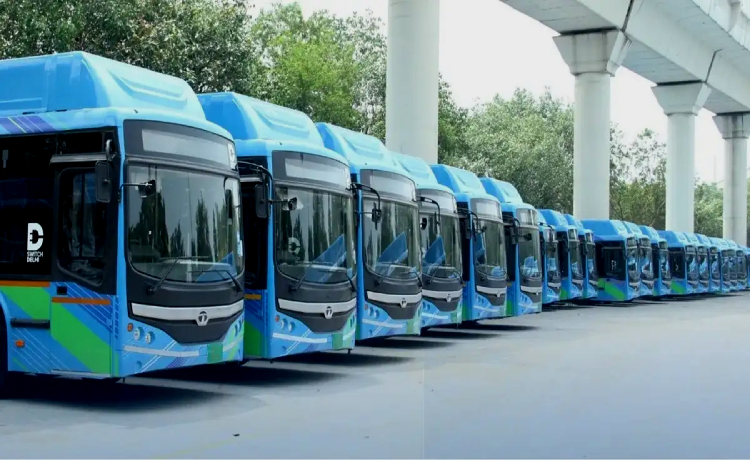
Delhi, the heartbeat of India, moves on the wheels of its buses. With lakhs commuting daily, it’s not the Metro alone that keeps the city running, but also the extensive network of road-based buses. Two major systems (Delhi buses) operate here: the traditional DTC- ‘Delhi Transport Corporation’ and the newer Cluster Buses. While they serve the same purpose, they work in very different ways. So, which one truly drives Delhi better?
Their Roles in Delhi’s Commute- Delhi buses
DTC is Delhi’s government-owned bus service that has been serving the city for decades. Recognized by its green (non-AC) and red (AC) buses, it covers nearly every part of the capital. The rides are often affordable and government subsidies like free travel for women, students, and senior citizens make it a public favourite. However, the fleet is aging and the condition of buses can be inconsistent.
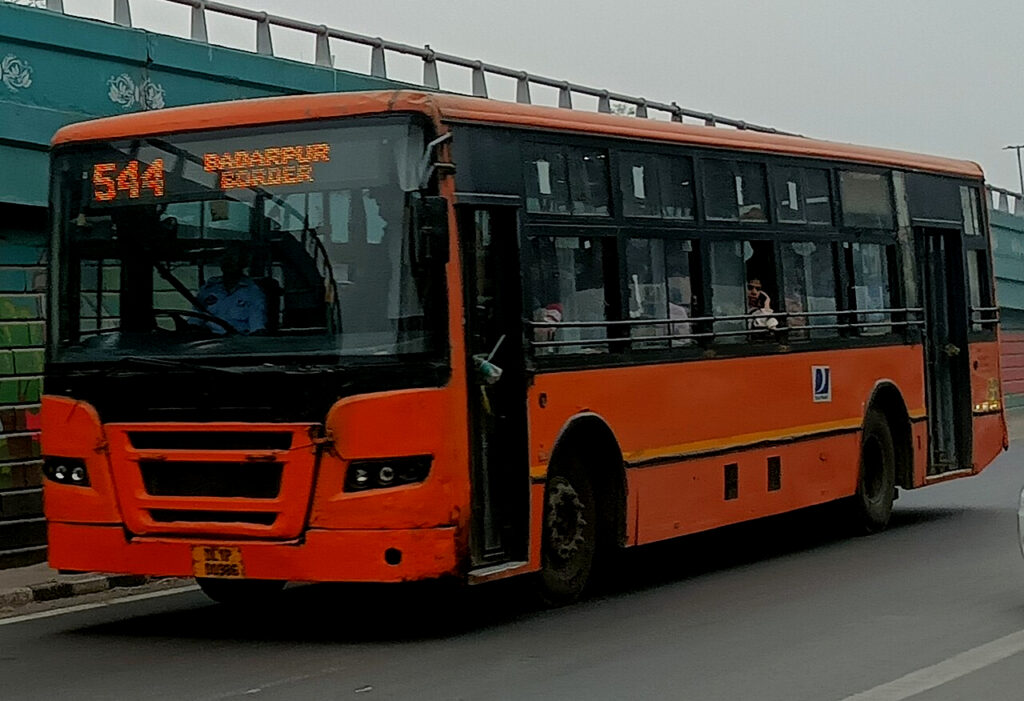
On the other side, Cluster Buses came into the picture as part of a public-private partnership. Operated by private contractors but monitored by the government, these bright orange buses bring in better maintenance, real-time GPS tracking, automated ticketing, and stricter operational rules. Drivers and staff in the cluster system work on performance-based contracts, which means there’s generally higher accountability for things like punctuality, cleanliness, and behaviour.
Which One Drives Delhi Better?
In terms of frequency, DTC performs well on older, established routes while Cluster Buses have become reliable on planned or underserved routes. Cluster buses also tend to be cleaner and more tech-integrated, making them a preferred choice for many daily commuters. However, both systems still struggle with crowding, especially during peak hours.
With mobile apps like ‘One Delhi’, passengers can now track both DTC and Cluster buses. Still, the tracking is usually more reliable for Cluster buses due to their newer systems. Public opinion varies. Some commuters prefer the familiarity and wider network of DTC, while others lean toward the cleaner and more disciplined experience of Cluster buses.
Rather than being competitors, DTC and Cluster are complementary systems. Delhi needs both to meet the demands of over 35 lakh daily bus commuters. While DTC brings reach and legacy, Cluster brings structure and modern management.
The road ahead involves increasing the fleet size, improving tech adoption, ensuring better accessibility for all, and making the overall experience smoother. For now, both services continue to play their part in keeping Delhi in motion.
So whether you hop onto a red, green, or orange bus, remember this: you’re not just on a ride, you’re part of a city’s ongoing journey to move smarter, cleaner, and more efficiently.
