

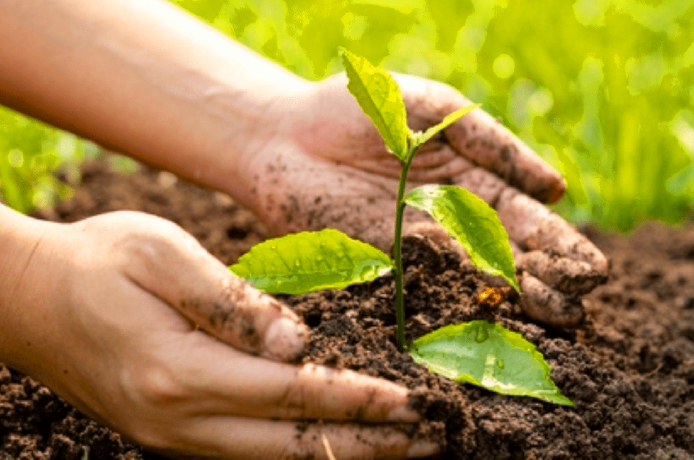
In the face of rising urbanization, climate change, food insecurity, and the disconnection between people and the origins of their food, a quiet revolution is sprouting in cities around the world—urban gardening.
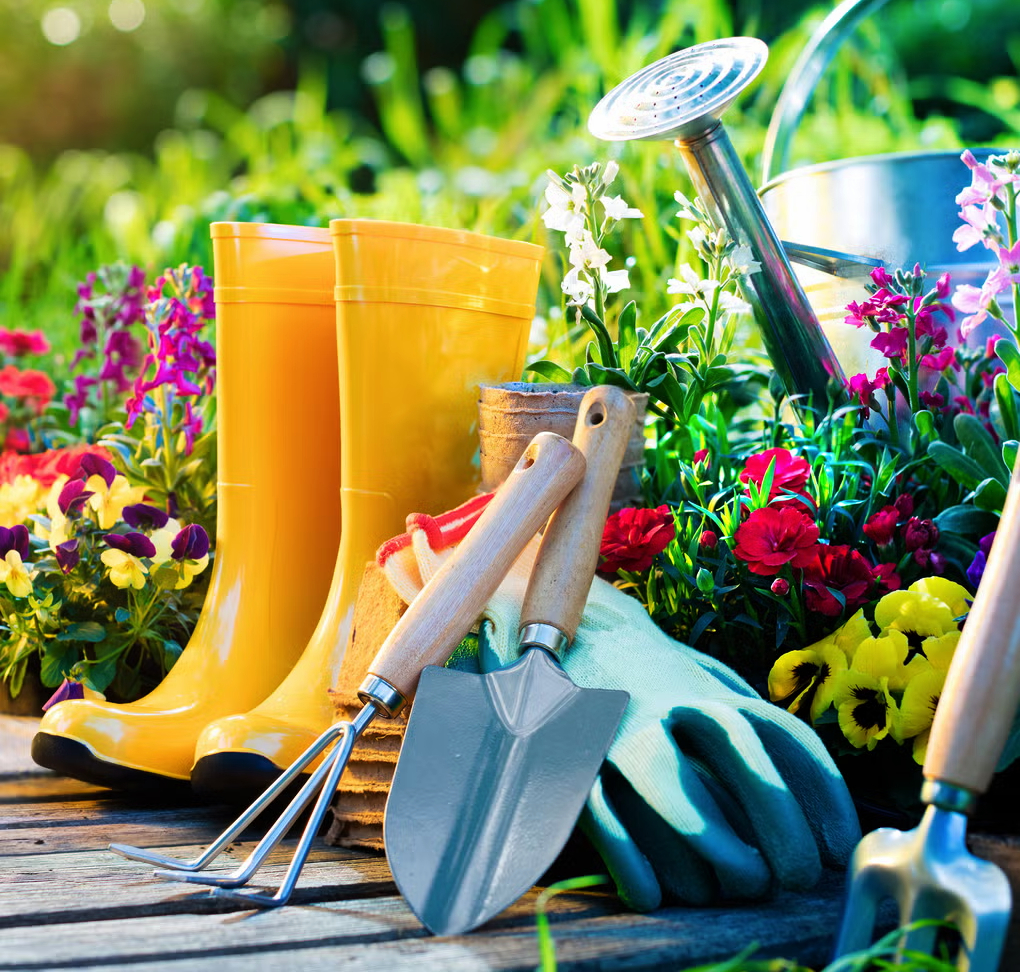
Often overlooked, the simple act of growing your own food in a city space is powerful. It’s a step toward self-sufficiency, sustainability, better nutrition, and community resilience. This blog explores the phenomenon of growing food in city spaces—what it means, why it matters, and how you can be a part of it.
What is Urban Gardening?
Urban gardening is the practice of producing fruits, vegetables, and herbs within a city. It is cultivating plants on your balcony, rooftop, backyard, community garden, or even windowsill, brining agriculture into the concrete jungles of our cities.
Urban gardening can take many forms:
Container gardening: Using pots, barrels, or recycled materials to grow plants in small areas.
Vertical gardening: Utilizing walls or hanging structures to grow plants upward.
Rooftop gardening: Making use of flat roofs for planting, often turning them into green oases.
Hydroponics and aquaponics: Growing plants in water with or without fish, using nutrient-rich solutions instead of soil.
Community gardening: Shared spaces where neighborhoods cultivate produce collectively.
Why Grow Food in Cities?
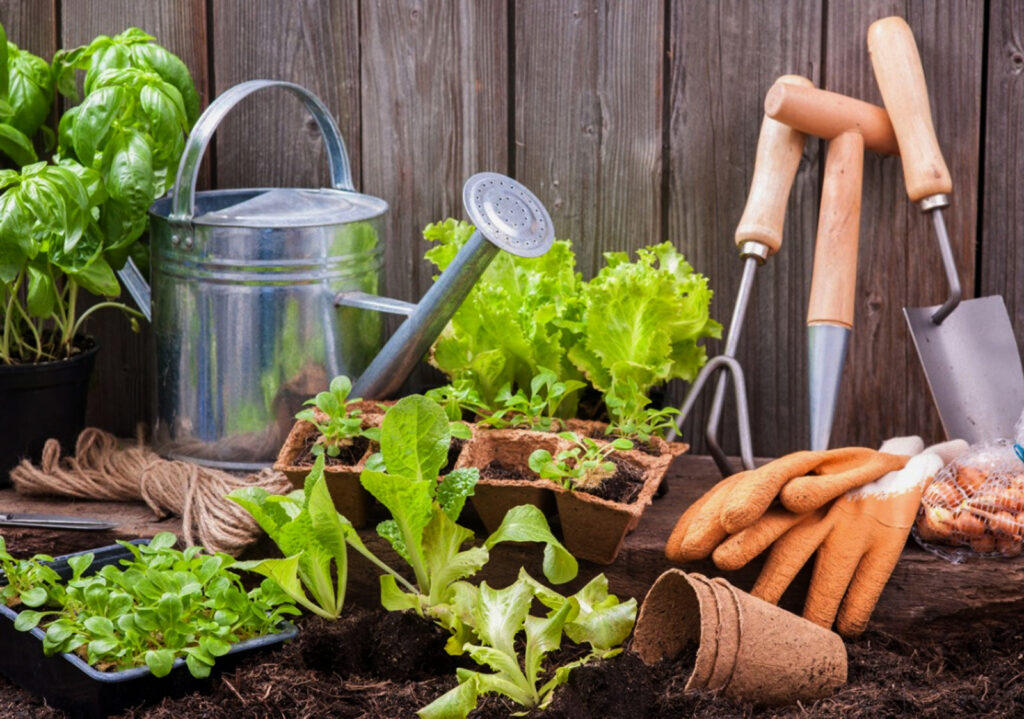
Food Security
Cities depend mostly on outside food supplies. Disruptions in transportation or supply lines—because of pandemics, climate emergencies, or geopolitical tensions—can cause shortages or increases in cost. Urban gardening makes one less dependent and gives a secure, local food source.
Freshness and Nutrition
Homegrown produce tastes fresher and has much more nutrient retention than store-bought, perhaps from hundreds of miles away. Urban gardening helps consumers eat more fruits and vegetables and improve their overall health.
Environmental Impact
Transporting food over long distances contributes to carbon emissions. By growing food locally, city dwellers reduce their carbon footprint, minimize packaging waste, and help build greener neighborhoods. Plants also improve air quality and cool urban heat islands.
Mental and Physical Wellbeing
Gardening is therapeutic. It reduces stress, encourages physical activity, and provides a sense of purpose. It can be particularly beneficial in densely populated, high-stress urban environments.
Educational Value
Urban gardens serve as excellent tools for learning—about biology, sustainability, healthy eating, and self-reliance. Schools, universities, and community centers increasingly integrate gardening into their curriculums and programs.
Getting Started: Growing Food in Your City Space
Assess Your Space
Whether you live in a high-rise apartment or a house with a backyard, there’s always potential for gardening:
Balconies: Great for container gardening with sunlight-loving herbs like basil or cherry tomatoes.
Windowsills: Ideal for pots of herbs such as mint, thyme, or green onions.
Backyards: Where possible, you can have raised beds or simply plant in the ground.
Rooftops: These need planning but are ideal for full vegetable gardens or micro-farms.
Vertical walls: Fit vertical planters or hanging baskets to make full use of space.
Select the Right Plants
Begin small with simple crops. Your options should be based on sunlight available, pot size, and climate:
Leafy greens: Lettuce, spinach, kale—quickly growing and ideal for dappled sunlight.
Herbs: Basil, parsley, mint, coriander—well-suited for pots and utilized in everyday cooking.
Root vegetables: Radishes, carrots, beets—can be cultivated in deeper pots.
Tomatoes and peppers: Require sunlight and support, but are well worth the effort.
Climbers: Beans, gourds, and cucumbers thrive on vertical space.
Soil, Water, and Sunlight
Urban gardening can’t always provide the perfect natural conditions, but with some hacks, you can make your garden flourish:
Soil: Apply top-notch potting mix or create your own compost. Add organic matter.
Water: Plants in pots dry out quickly. Try using self-watering pots or fit a drip irrigation system. Harvest rainwater if you can.
Sunlight: Most vegetables require 6–8 hours of sunlight. Observe sunlight patterns and place plants accordingly. In low-light areas, use shade-tolerant crops or supplement with grow lights.
Pest and Disease Control
Urban gardens are not pest-proof. However, you can undertake organic and sustainable pest control:
Companion planting (e.g., marigold to deter pests)
Neem oil or soap sprays
Hand-picking pests
Encouraging beneficial insects such as ladybugs
Recycle and Reuse
Urban gardening promotes sustainability:
Use old buckets, plastic bottles, or tin cans as planters.
Compost your kitchen waste to create natural fertilizer.
Repurpose wooden crates or broken furniture for raised beds.
Success Stories from Around the World
Cuba’s Urban Agriculture Revolution
Following the collapse of the Soviet Union, Cuba faced food shortages. The government encouraged organic urban agriculture, leading to the rise of “organopónicos”—urban farms. Today, Havana produces a significant portion of its own food locally.
Rooftop Gardens in New York City
NYC’s Gotham Greens runs rooftop greenhouses that grow fresh greens year-round using hydroponics. Their urban farms reduce food miles and supply local supermarkets and restaurants.
Delhi’s Terrace Garden Movement
In India, cities like Delhi, Mumbai, and Bengaluru are seeing a surge in homegrown produce. Influencers and workshops are popularizing terrace gardening, and many households now grow seasonal vegetables and herbs.
Detroit’s Community Gardens
Detroit, once known for its abandoned lots, has transformed many of them into community gardens. Urban farming has provided residents with jobs, improved nutrition, and revived neglected areas.
Common Challenges (And How to Overcome Them)
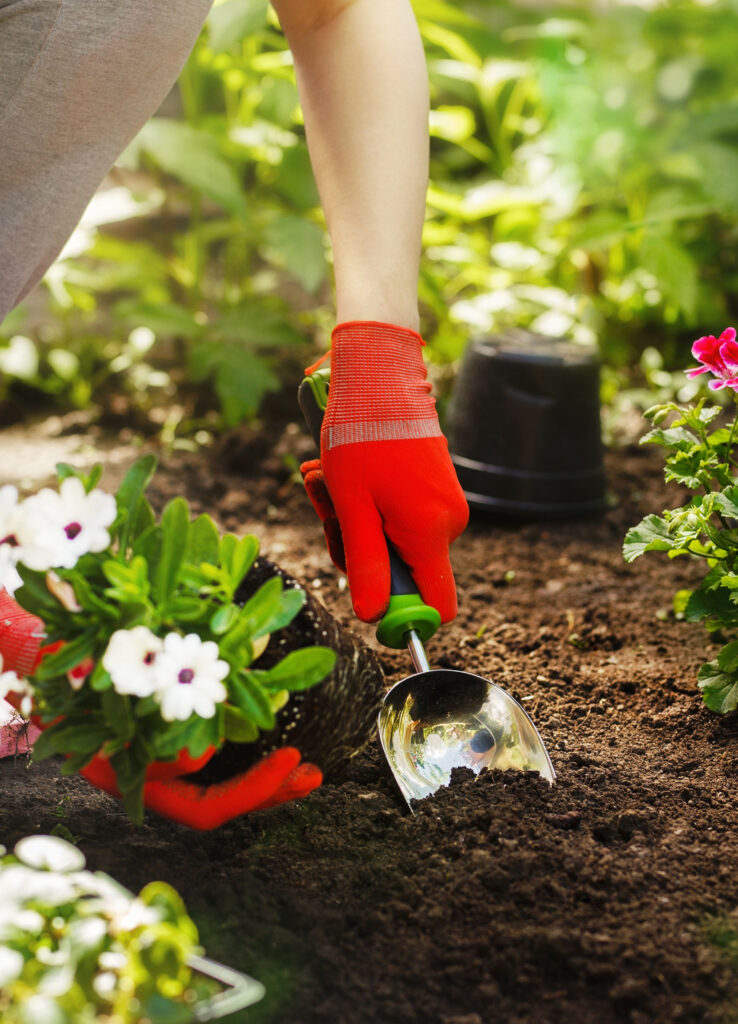
Limited Space
Use vertical gardens, wall planters, and stackable containers. Choose compact, high-yielding crops.
Pollution
Use barriers like mesh, choose hardy plants, and wash produce thoroughly. Indoor growing or greenhouses can also help.
Time Constraints
This means opting for low-maintenance plants and self-watering systems. Even 15 minutes a day makes all the difference.
Initial Investment
Use recycled containers and compost first. The savings from fresh produce outweigh costs over time.
Advanced Techniques of Urban Gardening
Hydroponics
A method of growing plants in water rich with nutrients, minus soil. Hydroponic systems can be compact and perfect for indoor spaces or rooftops.
Aquaponics
Combining aquaculture (raising fish) with hydroponics. Fish waste fertilizes the plants, and the plants clean the water for the fish.
Microgreens
Quick to grow, highly nutritious, and require minimal space. These are young seedlings of vegetables like radish, mustard, or sunflower.
Smart Gardening Tools
Use gardening apps to track watering schedules, sunlight hours, and plant health. Smart sensors and IoT-based tools are making gardening more accessible and data-driven.
Building Community Through Urban Gardening
Community gardens are potent instruments of social change. They encourage neighborhood interaction, provide a safe environment for people of all ages, and educate children in responsibility and nature.
Participating projects also give away portions of their harvest to food banks or operate “pay-what-you-can” markets, filling gaps in food availability.
Urban Gardening and Policy Support
Urban agriculture is supported by cities through:
Granting gardening permission in public places
Offering subsidies for green roofs
Educating citizens through municipal programs
Supporting startups and urban farming entrepreneurs
Progressive urban planning can integrate food production into city design—creating “edible cities” where food, nature, and community thrive side by side.
Final Thoughts: A Garden Grows in the City
Urban gardening is not just a fad—it’s a revolution. Whether it’s a tiny herb window box in your kitchen or a sprawling rooftop garden, each city green space is a triumph over pollution, isolation, and hunger.
In a world that often feels fast, artificial, and disconnected, growing your own food can be an act of resistance, resilience, and hope. Cities may be made of concrete, but life, flavor, and greenery can flourish when you put your hands in the soil—even if it’s just a small pot on a windowsill.
So pick up a trowel, choose your seeds, and start growing. Your city—and your plate—will thank you.

Five Colors of Travel भारत का एक भरोसेमंद Hindi Travel Blog है जहां आप ऑफबीट डेस्टिनेशन, culture, food, lifestyle और travel tips की authentic जानकारी पढ़ते हैं