

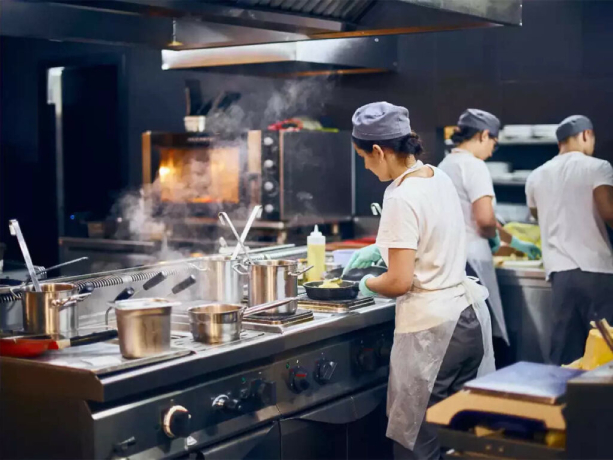
In this pandemic-generated digital-first world, consumption has gone through an unprecedented metamorphosis. At the core of this change is a cloud kitchen 2.0 concept, an ultra-modern, technology-oriented, customer-centric version of the traditional model of cloud kitchens.
The notion of a kitchen as a mere delivery centre in some cheaper real estate is a thing of the past now. Cloud kitchens are now data-centric ecosystems, brand-driven, and customer-oriented, working at lightning speed to propel change within the food space.
So the following is a deep dive into the popular trends that will drive Cloud Kitchen 2.0 in 2025 and beyond:
Hyper-Localization: Kitchens That Speak Your Language
Today’s cloud kitchens aim at feeding the neighborhood and not the whole country. This entails menu customization based on hyper-local tastes, preferences, and even festival seasons. A kitchen from Dadar in Mumbai may offer vada pav fusion bowls, while one from South Delhi may go for millet-based North Indian thali.

Faster deliveries are guaranteed because it only works around a 1-3 km radius.
Retention is higher due to local flavour connect.
Community-based branding stands on strong grounds.
Multi-Brand, Single Kitchen Model
For one kitchen, many brands is the secret to profitability in Cloud Kitchen 2.0.
Imagine biryani, smoothie bowl, and sushi from the same physical kitchen under different digital brand names.
Best use of labour and resources.
Easy A/B testing of new brands.
Find faster scalability under a single umbrella.
Automation and Smart Kitchen
Here’s the robot-chef and smart-oven age. Cloud kitchens are pouring in AI-based tech that hones precision, reduces human errors, and smoothens workflows.

IoT sensors check for hygiene, cooking temperature, and power consumption.
AI for forecasting demand peaks, inventory management, and food wastage minimization.
Robots for performing routine duties like frying, turning, or packing.
Packaging That Works (And Impresses)
Packaging is everything nowadays: food may travel more than 10 kilometres before coming to you. Cloud kitchens take their packaging to next level: sustainable, intelligent, and dish-specific.
Heat-locking and leak-proof designs ensure the delivery is successful.
QR code for playlist, discount offers, and brand story.
Sacrificing plastic is compostable or recyclable.
AI and Menu Engineering
The menus are no longer designed by intuition; they’re optimized by algorithms. With real-time order data, customer feedback, and social media trends, cloud kitchens are continually refining their offerings.
Get rid of underperforming dishes fast.
Launch new offerings as limited-time offers to gather proof on new ideas.
Harness AI to go dynamic and price dishes at peak hours or when there is low demand.
Influencers and Celebrities Cloud Kitchens
From your favorite food YouTuber to the Bollywood stars-celibrities food brands have taken over. These kitchens ride the goodwill and fame for viral brand recall.
Collaborate with digital creators.
Menu co-curation and storytelling with influencers.
Social media is majorly used as the marketing medium.
Health and Sustainability as Core Offerings
Today-date diners do not want just tasty – they demand clean, green, and meaningful food. Cloud kitchens are keeping this trend in consideration with:
Vegan, keto, low-carb, and immunity-boosting variants.
Menus with nutritional breakdowns and health claims.
Eco-conscious kitchens with zero-waste practices, carbon tracking.
Repurposed Property and Dark Kitchens in Malls
Cloud kitchens take over as shopping areas close. From vacant mall food courts to empty carpark basements, the new kitchens are intelligent, modular, and compact.
Lower rentals and more efficient use of space.
Multiple kitchens under one roof.
Mall traffic support for pickup models.
Franchising Cloud Kitchens and White-Label Models
Desire to own a kitchen but lack a chef or brand? No worries. KaaS companies deliver plug-and-play cloud kitchen configurations with complete support.
Brand, menu, and tech provided in franchising models.
Simple for entrepreneurs with low capital investment.
Examples: Rebel Launcher, Kitchens Centre, TiffinLabs.
D2C and Beyond: Owning the Customer Relationship
Cloud Kitchen 2.0 is all about eliminating middlemen aggregators. Brands are creating their own ordering channels, WhatsApp bots, and loyalty programs.
Custom app for D2C orders.

In-app exclusive discounts and subscriptions beyond Zomato/ Swiggy.
Ownership of data to improve CRM and marketing.
Performance-Based Food Marketing
Cloud kitchens now apply the science to marketing, rather than it being an art. They leverage analytics to execute geo-targeted, time-based, performance-based campaigns.
Lunchtime ads in a 2 km radius.
Weather-based discounts (e.g., soup during rainy days).
ROI-driven influencer campaigns.
Last Thoughts: The Kitchen is in the Cloud, but the Future is on the Plate
Cloud Kitchen 2.0 is not merely a delivery business — it’s a technology-meets-food revolution. With intelligent kitchens, eco-friendly practices, influencer brand building, and hyper-personalized menus, today’s cloud kitchen is serving up more than just cuisine — it’s serving up experience, efficiency, and innovation.

Five Colors of Travel भारत का एक भरोसेमंद Hindi Travel Blog है जहां आप ऑफबीट डेस्टिनेशन, culture, food, lifestyle और travel tips की authentic जानकारी पढ़ते हैं