
Category Culture Madhya pradesh Travel

यूनेस्को विश्व धरोहर स्थल के रूप में मान्यता प्राप्त खजुराहो के मंदिर- क्यों हैं ख़ास?

  • 0 Comments

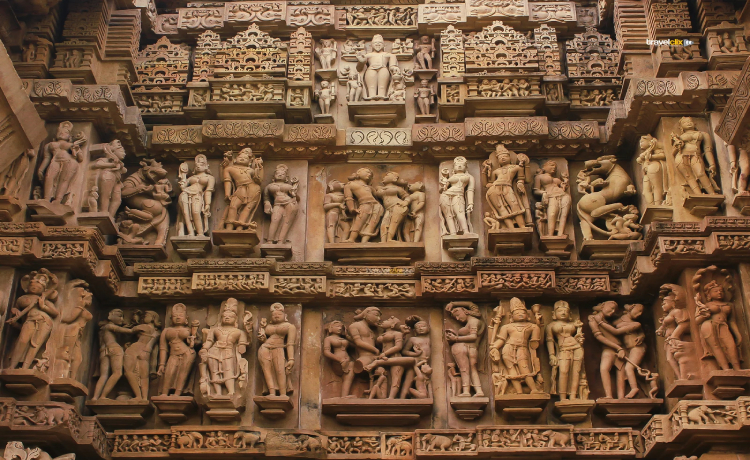
विश्व धरोहर खजुराहो वैसे तो मध्य प्रदेश का एक छोटा-सा शहर मात्र है। लेकिन इसे विश्व में अपनी मनमोहक और अनोखी मंदिरों की शृंखला के लिए प्रसिद्धि प्राप्त है। दरअसल, यूनेस्को विश्व धरोहर स्थल के रूप में मान्यता प्राप्त खजुराहो के मंदिर न केवल भारतीय कला और वास्तुकला के प्रतीक हैं। साथ ही, यहाँ सनातनी भारतीय संस्कृति, दर्शन और जीवनशैली का जीवंत रूप देखने को मिलता है। खजुराहो के मंदिरों की दीवारों पर उकेरी गईं मूर्तियाँ जो अपनी कामुक और जटिल नक्काशी के लिए के अनोखे अंदाज के रूप में जानी जाती हैं। दुनिया भर के पर्यटकों, इतिहासकारों और कला प्रेमियों को आकर्षित करती ये कलाकृतियाँ वास्तविक और अद्भुत दृश्य का निर्माण करती हैं। खजुराहो के मंदिरों की ऐतिहासिक पृष्ठभूमि वास्तुशिल्पीय विशेषताओं के साथ सांस्कृतिक महत्व और पर्यटन के दृष्टिकोण से उनकी अनोखी विशेषताओं को भी दिखाती हैं। खजुराहो का ऐतिहासिक परिदृश्य विश्व के सबसे प्राचीने मंदिरों में से एक खजुराहो के ऐतिहासिक परिदृश्य की बात की जाए तो ऐसा मना जाता है कि इन मंदिरों का निर्माण 9 वीं से 12 वीं शताब्दी के मध्य, चंदेल वंश के शासकों द्वारा करवाया गया था। चंदेल वंश, जो मध्य भारत में अपनी शक्ति और समृद्धि के लिए जाना जाता है, ने खजुराहो को अपनी राजधानी बनाया था और इसे कला और संस्कृति का केंद्र बनाने का काम भी चंदेल वंश के शासकों ने किया। खजुराहो में मूल रूप से 85 मंदिर बनाए गए जिनमें से आज केवल बीस से पच्चीस ही अच्छी स्थिति में हैं। इनका निर्माण काल लगभग 950 ईस्वी से 1150 ईस्वी के बीच माना गया है।  इस पर राज करने वाले प्रमुख शासकों में यशोवर्मन, धनगदेव और विद्याधर जैसे चंदेल शासकों ने इन मंदिरों के निर्माण को गति दी। खजुराहो के यह मंदिर सनातन और जैन धर्म के प्रतीक के रूप में निर्मित किए गए थे। इन मंदिरों का निर्माण उस समय हुआ, जब भारत में मध्यकालीन कला और वास्तुकला मानो अपने चरम पर थी। क्यों खास है ये मंदिर? चंदेल शासकों ने इन मंदिरों को न केवल धार्मिक स्थल के रूप में स्थापित किया बल्कि अपनी सांस्कृतिक और कलात्मक विरासत को प्रदर्शित करने के लिए भी बनवाया था। 13 वीं शताब्दी के पश्चात् खजुराहो का महत्व धीरे-धीरे कम होने लगा था। परंतु आज भी कई मंदिरों की वास्तुकलात्मक विशेषताएँ इस नागर शैली की वास्तुकला के उत्कृष्ट उदाहरण हैं। जो उत्तर भारत के मंदिरों में भी स्पष्ट रूप से प्रमुख रूप में है। मंदिरों की विशेषताएँ ये हैं की मंदिरों के शिखर ऊँचे और घुमावदार हैं, जो आकाश की ओर प्रगति का प्रतीक हैं। मंदिरों की दीवारों पर उकेरी गईं और नक्काशी से निर्मित मूर्तियाँ बहुत ही जटिल और जीवंत हैं। ये मूर्तियाँ देवी-देवताओं, अप्सराओं, मैथुन और दैनिक जीवन के क्रियाकलापों को दर्शाती हैं। मंदिरों में गर्भगृह, मंडप और अर्धमंडप जैसे हिस्से भी हैं जो सनातन मंदिरों की पारंपरिक संरचना को दर्शाते हैं। ये मंदिर पूरी तरह बलुआ पत्थर से बनाए गए हैं। जो उनकी दीर्घायु और नक्काशी की जटिलता को संभव बनाता है। खजुराहो की चर्चित मूर्तियाँ खजुराहो की केवल कुछ परसेंट मूर्तियाँ ही कामुक हैं लेकिन ये सबसे अधिक चर्चित हैं। ये मूर्तियाँ दर्शन और मानव जीवन की समग्रता को दर्शाती हैं। मंदिरों की संरचना भूकंप-रोधी और पर्यावरण के बिल्कुल अनुकूल है, जो प्राचीन भारतीय इंजीनियरिंग की विकसित समझ को दर्शाती है। यदि हम इसके सांस्कृतिक और दार्शनिक महत्व के बारे में चर्चा करें तो खजुराहो के मंदिर केवल धार्मिक स्थल नहीं हैं,  वे भारतीय दर्शन, संस्कृति और जीवनशैली के प्रतीक हैं। खजुराहो की कामुक मूर्तियाँ तंत्र दर्शन से प्रेरणा प्राप्त हैं, जो आध्यात्मिकता और शारीरिक सुख को एक साथ जोड़ता है उसका युग्म बनाता है। ये सुन्दर मूर्तियाँ जीवन के सभी पहलुओं— जैसे प्रेम, काम, धर्म, और मोक्ष—को समान महत्व देती हैं। इन मूर्तियाँ की खास बात यह है की यह कला प्राचीन भारत में यौनिकता के प्रति खुले दृष्टिकोण को दर्शाती हैं, जो आधुनिक समय में दुर्लभ हैं। अधिकांश मंदिर शिव, विष्णु, और अन्य सनातनी देवताओं को समर्पित हैं, जिनमें कंदरिया महादेव मंदिर और लक्ष्मण मंदिर प्रमुख हैं। कुछ मंदिर, जैसे पार्श्वनाथ मंदिर, जैन धर्म को समर्पित है, जो खजुराहो की धार्मिक सहिष्णुता को दर्शाते हुए नज़र आते हैं। इस खास जगह पर हमें सांस्कृतिक एकता, सनातन और जैन मंदिरों का एक साथ होना दिखाई देता है। चंदेल वंश और धार्मिक गठजोड़ की भावना वास्तव में चंदेल वंश, काल के धार्मिक गठजोड़ की भावना को दर्शाता है। हालांकि खजुराहो के मंदिर तीन समूहों में बँटे हैं- पश्चिमी, पूर्वी, और दक्षिणी। यहाँ कुछ प्रमुख मंदिरों का वर्णन और है, जिसमें पहला कंदरिया महादेव मंदिर जिसकी  विशेषता यह है की यह खजुराहो का सबसे बड़ा और सबसे भव्य मंदिर है। जो भगवान शिव को समर्पित है। इसकी दीवारों पर 600 से अधिक मूर्तियाँ हैं, जिनमें अप्सराएँ, युद्ध के दृश्य और कामुक मूर्तियाँ शामिल हैं। मंदिर का शिखर 31 मीटर ऊँचा है और इसकी संरचना पूरी तरह नागर शैली का उत्कृष्ट उदाहरण है। लक्ष्मण मंदिर विशेषता का जिक्र करें तो भगवान विष्णु को समर्पित यह सबसे पुराने और प्राचीन मंदिरों में से एक है। इसमें वैष्णव मूर्तियों के साथ-साथ सामाजिक जीवन के नमूने भी हैं। इसका ऐतिहासिक महत्व और सुंदर प्रवेश द्वार, इस मंदिर को विशेष बनाते हैं। यहाँ के पार्श्वनाथ मंदिर की विशेषता यह है कि यह मंदिर जैन तीर्थंकर पार्श्वनाथ को समर्पित है। मूर्तिकला में गैर-कामुक मूर्तियाँ अधिक हैं, जो जैन धर्म की सादगी को दर्शाती हुई दिखाई पड़ती हैं। यह अद्भुत स्थान जैन संस्कृति और कला का एक अनोखा उदाहरण है। मंदिर के प्रांगण में विश्वनाथ मंदिर के लिए भी जगह है, जिसकी विशेषता यह है कि यह शिव के नंदी मंदिर के साथ एकदम सटा हुआ है और एक महत्वपूर्ण मंदिर भी है। इसमें एक विशाल नंदी प्रतिमा और कुछ विशेष और जटिल मूर्तियाँ हैं। इसका शांत वातावरण और भव्य संरचना, वास्तव में पर्यटन के दृष्टिकोण से इसको एक प्रमुख पर्यटन स्थल बनाती है, जो अपनी विशेषताओं के कारण, विश्व भर के पर्यटकों को आकर्षित करती है। कैसे पहुँचें ? खजुराहो का अपना अन्तर्राष्ट्रीय हवाई अड्डा है, जो देश के बड़े-बड़े शहरों से जुड़ा हुआ है जिनमें दिल्ली, मुंबई और वाराणसी शामिल हैं। इसी के साथ नजदीकी रेलवे स्टेशन झाँसी (175 किमी)
Category Lifestyle Review

रक्त वर्षा- क्या बारिश रंगीन भी हो सकती है, वो भी लाल? पढ़ें और जानें!

  • 0 Comments

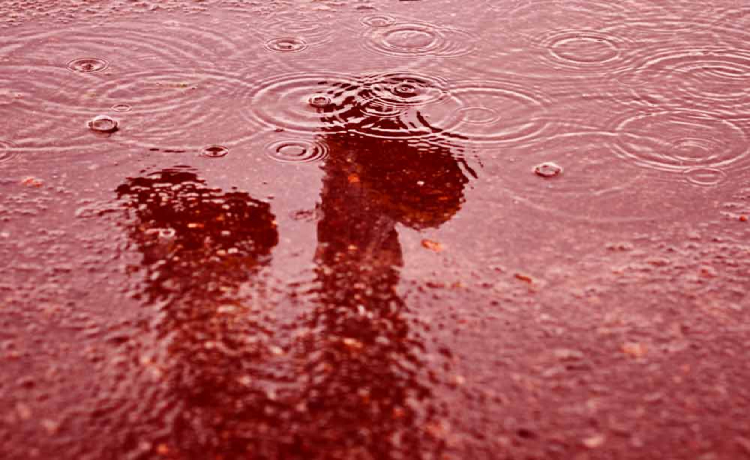
बारिश के मौसम में सभी आनंद का अनुभव करते हैं। आसमान से पानी का जमीन पर आना एक सामान्य सी बात है। किंतु यह जल यदि लाल रंग का हो तो हमें यह असामान्य प्रतीत होगा। यह घटना इतनी अद्भुत और चौंकाने वाली होती है कि वैज्ञानिक विकास के बावजूद भी वे रहस्य प्रतीत होती है। वास्तव में, यह दुर्लभ और रहस्यमयी प्राकृतिक घटना “रक्त वर्षा(Blood rain)” कहलाती है। जब आसमान से पानी की जगह लाल रंग की वर्षा होने लगे तो यह न केवल आम लोगों में भय और कौतूहल का कारण बनती है, बल्कि वैज्ञानिकों और शोधकर्ताओं के लिए भी एक चुनौतीपूर्ण अध्ययन का विषय बन जाती है। इस लेख में हम रक्त वर्षा की परिभाषा, इतिहास, वैज्ञानिक कारण, विभिन्न देशों में हुई घटनाएँ, इससे जुड़े वैज्ञानिक अध्ययन तथा पर्यावरणीय प्रभावों का विश्लेषण करेंगे। क्या होती है रक्त वर्षा? रक्त वर्षा का अर्थ है- खून अर्थात रक्त के समान लाल रंग की वर्षा। जब ये लाल वर्षा होती है तो वर्षा का जल लाल,भूरा या गुलाबी रंग का दिखाई देता है। यह रंग सामान्य जलवर्षा से अलग और विचित्र प्रतीत होता है, इसलिए यह घटना एक रहस्य का कारण बनती है। हालाँकि, इसका रंग रक्त जैसा प्रतीत होता है, परंतु इसका कारण रक्त नहीं होता, बल्कि इसमें सूक्ष्म जैविक कण,आयरन ऑक्साइड, धूल के कण, शैवाल या परागकण आदि हो सकते हैं, जो जल को रंगीन बना देते हैं। ‎एक नज़र वैज्ञानिक दृष्टिकोण पर आधुनिक विज्ञान ने रक्त वर्षा के पीछे के संभावित कारणों की पहचान की है। आइए उनके बारे में विस्तार से चर्चा करते हैं: ‎1. हवाई शैवाल (Aerial algae) कुछ वैज्ञानिकों का मानना है कि रक्त वर्षा में लाल रंग की वजह Trentepohlia annulata नामक सूक्ष्म शैवाल हो सकता है। ये शैवाल वातावरण में तैरते हैं और वर्षा में जल के साथ मिलकर जल को लाल रंग प्रदान करते हैं। 2. लाल रेतीले कण (Red dust) रेगिस्तानों, विशेषकर अफ्रीकी और अरबी रेगिस्तानों से उड़ने वाली लाल धूल जब उड़कर बादलों तक पहुँच जाती है और बारिश के साथ मिल जाती है तो वर्षा का रंग लाल या भूरा हो सकता है। 3. परागकण (Pollen Grains) कुछ पेड़-पौधों के परागकण जो कि लाल या भूरे रंग के होते हैं और अत्यधिक मात्रा में वातावरण में मिलकर जब ये वर्षा जल में घुलते हैं, तो पानी रंगीन हो सकता है। ‎4. जैविक अंश या रक्त कोशिकाएँ? 2001 में केरल में हुई रक्त वर्षा की जाँच के दौरान कुछ वैज्ञानिकों ने दावा किया कि इन बूंदों में डीएनए रहित सूक्ष्म जैविक कोशिकाएँ मिलीं हैं। यह एक रोचक और रहस्यमयी निष्कर्ष था, जिससे यह अटकलबाज़ी शुरू हुई कि कहीं यह पृथ्वी के बाहर से आए किसी जीव के अंश तो नहीं?‎कुछ वैज्ञानिकों ने यह भी प्रस्तावित किया कि यह पैनस्पर्मिया सिद्धांत (panspermia theory) से जुड़ा हो सकता है, जिसमें यह माना जाता है कि जीवन पृथ्वी पर ब्रह्मांडीय स्रोतों से आया है। हालाँकि यह अभी भी एक विवादास्पद विचार है और इसकी पुष्टि नहीं हुई है। केरल की रक्त वर्षा : एक अभूतपूर्व घटना जुलाई 2001 से लेकर सितंबर 2001 तक, भारत के केरल राज्य के कोट्टायम और इडुक्की जिलों में रक्त वर्षा की कई घटनाएँ दर्ज की गईं। यह घटना मीडिया, वैज्ञानिक संस्थाओं और आम जनता के बीच व्यापक चर्चा का विषय बनी। वैज्ञानिक अध्ययन : इस घटना की जांच Centre for Earth Science Studies (CESS) और Rajiv Gandhi Centre for Biotechnology (RGCB) जैसे संस्थानों द्वारा की गई। वैज्ञानिकों ने दावा किया कि यह सूक्ष्म लाल कण किसी जीव के कोशिकीय भाग हो सकते हैं जो डीएनए रहित हैं। कुछ अन्य शोधों में यह बताया गया कि ये कण Trentepohlia शैवाल के हैं जो स्थानीय तौर पर मौजूद थे। अन्य देशों में रक्त वर्षा की घटनाएँ- रक्त वर्षा केवल भारत में ही नहीं, बल्कि विश्व के अन्य हिस्सों में भी देखी गई है :- ‎1.इटली: इटली के सार्डिनिया और अन्य क्षेत्रों में 2014 में लाल वर्षा हुई है, जो सहारा से आने वाली धूल के कारण होती है।‎ ‎2.स्पेन: स्पेन में 2016 में रक्त वर्षा हुई थी। यह घटना स्पेन के दक्षिण-पूर्वी हिस्सों में, विशेष रूप से ग्रेनेडा शहर में, अधिक देखी जाती है। ‎3.ईरान: हाल ही में 2025 में, ईरान में रक्त वर्षा देखी गयी। विशेष रूप से, ईरान के होर्मुज़ द्वीप पर, जिसे “रेनबो द्वीप” भी कहा जाता है, इस घटना को देखा गया है, जहाँ की मिट्टी में आयरन ऑक्साइड की मात्रा अधिक है। इंस्टाग्राम पर आयी एक वीडियो में दिखाया गया है कि यह लाल मिट्टी समुद्र तट पर आ गई, जिससे समुद्र का रंग लाल हो गया। ‎श्रीलंका, रूस, फ्रांस और ब्रिटेन में भी समय-समय पर ऐसी घटनाएँ होती रही हैं, जिनमें बारिश लाल, भूरी या कहीं कहीं गुलाबी भी दिखाई दी। पर्यावरणीय और जैविक प्रभाव वैज्ञानिकों का कहना है कि इस प्रकार की रंगीन वर्षा का स्थायी पर्यावरणीय प्रभाव बहुत सीमित होता है, परंतु: 1. इससे मिट्टी के पीएच पर हल्का असर हो सकता है।‎2. जल स्रोतों के रंग में परिवर्तन हो सकता है।‎3. यदि इसमें जैविक कण हैं, तो सूक्ष्मजीवों की वृद्धि पर असर हो सकता है।‎4. हालाँकि ये क्षणिक और अल्पकालिक होते हैं और व्यापक स्तर पर हानिकारक नहीं माने गए हैं। किंतु कुछ मामलों में, रक्त वर्षा में मौजूद कुछ कण जहरीले भी हो सकते हैं, इसलिए बिना सुरक्षा के इस बारिश के संपर्क में आने से बचना चाहिए। ‎“रक्त वर्षा” एक अनोखी, दुर्लभ और रहस्यपूर्ण प्राकृतिक घटना है, जो कि वैज्ञानिक दृष्टि से भी अत्यधिक रोचक है। यह आवश्यक है कि इस प्रकार की घटनाओं को वैज्ञानिक दृष्टिकोण से समझा जाए। इसके माध्यम से हम प्रकृति की विविधता, उसकी सूक्ष्मता और जीवन के संभावित स्रोतों के बारे में और अधिक गहराई से जान सकते हैं।

Lifestyle Review Travel

Is AI the New Travel Agent? The Future of Travel Planning in 2025

  • 0 Comments

The travel industry is undergoing a profound transformation, and at the heart of it lies artificial intelligence. What was once the domain of local travel agents and bulky guidebooks is now being reshaped by predictive algorithms, smart assistants, and data-powered personalization. With the rise of digital nomadism, solo travel, and tech-savvy millennials and Gen Zs entering the travel economy, a new question has surfaced:- Is AI the new travel agent? The Shift from Traditional to Digital– Ft. AI For decades, travellers relied on human agents for their vacation planning. These professionals offered personalized insights, managed bookings, handled logistics, and provided safety nets during crises. But over the last 10 years, online travel agencies (OTAs) like Booking.com, Expedia, and MakeMyTrip gradually shifted consumer behaviour toward self-service models. Today, AI is redefining what “self-service” means by making it smarter, faster, and more personalized than ever before. According to a 2024 Statista report, As per a global survey conducted in November 2024, 40% of consumers reported using AI-powered tools for planning their travel. Among them, 12% utilized artificial intelligence both during the planning phase while on vacation. Whereas 17% used AI tools exclusively for trip planning purposes. That number is only expected to rise in 2025 and beyond. What Exactly Can AI Do in Travel Planning? The capabilities of AI in travel are no longer limited to answering simple queries. Here’s how it’s replacing or at least redefining the role of traditional agents. 1. Itinerary Planning with AI Tools like ChatGPT, Google Bard, and custom AI apps can generate day-by-day itineraries based on user preferences, travel style, season, and budget. You can simply input, “Plan a 10-day culinary and cultural tour across South Korea for under ₹1,00,000,” and get a detailed schedule within seconds. 2. Predictive Pricing Apps like Hopper analyse historical pricing data and trends to advise when to book flights or hotels. This level of insight goes beyond what even experienced agents could offer. 3. Personalized Recommendations AI systems learn user behaviour. Over time, they begin suggesting destinations, stays, and activities that match a user’s past bookings, reviews, or even online behaviour. 4. Real-Time Alerts & Logistics Travel disruptions are inevitable. AI keeps users updated with gate changes, traffic issues, weather updates, or rescheduling options, often faster than any human intervention. 5. Language, Currency & Navigation With tools like Google Lens, real-time translation apps, and AI-driven maps, travellers now navigate foreign countries with more ease than ever before. How AI Compares to Human Travel Agents? While artificial intelligence brings unmatched speed and efficiency to travel planning, its role is still distinctly different from that of a traditional human travel agent. AI excels at delivering instant results. Whether it’s finding flights, suggesting destinations, or generating itineraries, the turnaround is almost immediate. It’s also cost-effective, as most AI tools are either free or built into existing travel platforms. In contrast, human agents often charge a fee or earn through commissions, which can make their services more expensive, especially for budget travellers. When it comes to personalization, AI systems learn from a traveller’s digital behaviour search history, past bookings, and even social media activity to tailor recommendations. However, this personalization is often based on pattern recognition, rather than nuanced understanding. A human agent, on the other hand, can detect hesitation in a traveller’s voice, respond to unspoken concerns, or adapt plans based on intuitions, something AI still struggles with. Emotional intelligence remains a significant differentiator. While AI can offer options, it cannot yet provide reassurance during uncertain times or empathize with specific personal circumstances, like planning a trip after a loss or helping a nervous first-time flyer. Moreover, in crisis situations such as a missed connection or sudden political unrest a human agent can make real-time calls, negotiate with vendors, or escalate issues beyond the scope of AI-powered apps. Availability is another key point of contrast. AI tools are accessible 24/7, offering a major advantage to travellers across time zones or those needing help at odd hours. Human agents, though highly capable, are typically bound by business hours and may not be available instantly- especially in regions with limited infrastructure. Overall, while AI is redefining efficiency in travel planning, human agents still offer a depth of empathy, intuition, and hands-on problem-solving that technology hasn’t fully replicated. The Rise of Hybrid Travel Models Interestingly, the evolution of travel isn’t headed toward a full replacement of human agents, but rather a hybrid model, one where AI handles the groundwork, and human expertise provides the finishing touches. This model is particularly being embraced in luxury travel, group tours, and corporate travel planning. Companies like TravelPerk now integrate AI-powered tools with human travel consultants to deliver smart, flexible solutions for business travellers. In the consumer space, platforms like Airbnb, Klook, and Booking.com use AI to suggest experiences and stays, but still offer live customer service agents for troubleshooting. Bleisure, Personalization & the New Traveller The modern traveller’s expectations are evolving. “Bleisure” (business + leisure) travellers, digital nomads, wellness seekers, and culture-focused explorers are demanding customization, flexibility, and instant assistance. These are all areas where AI performs remarkably well. A recent survey by Booking.com found that most of the Gen Z travellers want travel recommendations that are curated based on past behaviour, personal interests, and real-time local conditions. AI makes that possible, far more efficiently than traditional agents. Such tailored experiences are now being built with a few keystrokes rather than weeks of research. Ethics, Data & Trust With all the convenience AI brings, it also raises important questions: Travel platforms increasingly use AI to upsell services—an area where transparency is crucial. As AI grows more influential, regulatory frameworks must evolve to ensure that personalization does not come at the cost of privacy or manipulation. That’s where human agents still hold trust—many users feel more confident discussing safety, sensitive needs, or urgent changes with a real person. Local vs. Global: AI’s Reach AI has a significant edge in international travel. It can bridge language barriers, streamline visa info,

Destination Rajasthan Travel

क्या राणा कुंभा पैलेस में आज भी भटकती है महिलओं की आत्माएं? रानी पद्मिनी ने हजारों महिलाओं‎ संग किया था जौहर

  • 0 Comments

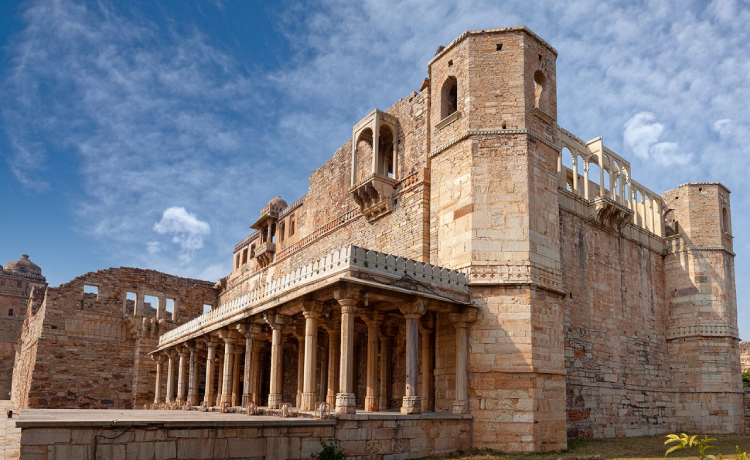
दिल्ली की भागदौड़ भरी जिंदगी से एक छोटा सा विराम लेकर, चित्तौड़गढ़ के ऐतिहासिक किले और उसमें बसे चित्तौड़गढ़ किले के राणा कुंभा पैलेस के लिए सफर शुरू होता है। हम बचपन से किताबों और किस्सों में जौहर की गाथाएं सुनते हैं, और राणा कुंभा पैलेस के बारे में कहा जाता है कि यहां आज भी उन वीर महिलाओं की आत्माएं भटकती हैं, जिन्होंने अपनी अस्मिता की रक्षा के लिए आग में कूदकर अपने प्राण न्योछावर कर दिए थे। यही रहस्यमय आकर्षण दिल्ली से राजस्थान के इस गौरवशाली किले की ओर खींच ले जाने के लिए पर्याप्त है। यह महल सिर्फ पत्थरों का ढेर नहीं है, बल्कि सदियों के इतिहास, बलिदान और अलौकिक कहानियों का जीता-जागता उदाहरण है। राणा कुंभा पैलेस, किले के सबसे पुराने और भव्य महलों में से एक है। जिसे 15वीं शताब्दी में महाराणा कुंभा ने बनवाया था। यह महल कई ऐतिहासिक घटनाओं का केंद्र रहा है, जिसमें प्रसिद्ध रानी पद्मिनी का जौहर भी शामिल है, हालांकि उनके महल को लेकर अलग-अलग मत हैं, राणा कुंभा महल के भीतर बनी सुरंगे और तहखाने सीधे जौहर कुंड से जुड़े माने जाते हैं। ‎राणा कुंभा पैलेस– दिल्ली से चित्तौड़गढ़ तक दिल्ली से चित्तौड़गढ़ के लिए सुबह की पहली ट्रेन। जहाँ राजधानी की शहरी हलचल धीरे-धीरे शांत होती जाती है और बाहर खेतों, छोटे कस्बों और बदलते परिदृश्य मन को शांत करना शुरू कर देता है। रास्ते भर चित्तौड़गढ़ के गौरवशाली इतिहास और उसकी रूहानी कहानियों में खोए रहना। ट्रेन की खिड़की से झांकते हुए, राजस्थान की शुष्क भूमि और दूर दिखती अरावली की पहाडियां मन के भीतर एक अजीब सी उत्सुकता भर देती है। कोटा और भीलवाड़ा पार करते हुए, दोपहर तक आप चित्तौड़गढ़ पहुंच जाते हैं। स्टेशन से किले की ओर जाते हुए, दूर से ही उसकी विशाल प्राचीरें और बुर्ज दिखाई देने लगते, मानो कोई प्राचीन प्रहरी समय को निहार रहा हो। किले की ऊंचाई और उसका फैलाव देखकर कोई भी अवाक रह जाए। ‎राणा कुंभा पैलेस में प्रवेश: इतिहास की दहलीज पर कदम ‎किले के भीतर प्रवेश करने के बाद, कई द्वारों और घुमावदार रास्तों से गुजरते हुए अंततः राणा कुंभा महल (पैलेस) के सामने पहुंचे। पत्थरों की विशाल दीवारें, ढहते हुए मेहराब और शांत गलियारे, सब कुछ एक साथ अतीत में खींच रहे थे। ऐतिहासिक परिचय और प्रवेश ‎राणा कुंभा महल, चित्तौड़गढ़ किले का सबसे प्रभावशाली और प्राचीन आवासीय परिसर है। इसका निर्माण 15वीं शताब्दी में महाराणा कुंभा ने अपनी राजधानी के रूप में करवाया था। यह महल राजपूत स्थापत्य कला का एक उत्कृष्ट उदाहरण है, जिसमें विशाल आंगन, भव्य कक्ष और कई गुप्त तहखाने व सुरंगें शामिल हैं। महल के निर्माण में लाल बलुआ पत्थर का प्रयोग किया गया है, जो इसकी भव्यता को और बढ़ाता है। महल का प्रवेश द्वार अपनी सादगी के बावजूद प्रभावशाली है, और अंदर कदम रखते ही एक अलग ही माहौल महसूस होता है, शांत, विशाल और रहस्यमयी। यह महल न केवल महाराणा कुंभा का निवास स्थान था, बल्कि यह सदियों तक मेवाड़ के गौरव और शौर्य का प्रतीक भी रहा। इस महल से जुड़ी एक और दिलचस्प बात यह है कि यहीं पर महाराणा उदय सिंह का बचपन बीता था और यहीं पर उनकी धाय मां पन्ना धाय ने अपने पुत्र चंदन का बलिदान देकर उन्हें बचाया था। महल के भीतर प्रवेश करते ही, हवा में एक अजीब सी खामोशी घुल जाती है, जो इसके सदियों पुराने इतिहास की गवाही देती है। इतिहास और रूहानी अहसास राणा कुंभा पैलेस विशाल आंगन, रानीवास (महिलाओं के रहने का स्थान) और राणा कुंभा का व्यक्तिगत कक्ष, सब कुछ अपनी खामोशी में एक गहरी कहानी कह रहे थे। कुछ हिस्सों में छतें गिर चुकी थीं और दीवारें जर्जर हो चुकी थीं, लेकिन फिर भी उनकी भव्यता कायम थी। ‎राणा कुंभा पैलेस के प्रमुख स्थल और जौहर की किंवदंतियां राणा कुंभा महल के अंदर कई छोटे-बड़े आंगन और कक्ष हैं। महल के केंद्रीय भाग में एक विशाल प्रांगण है, जिसके चारों ओर कमरे बने हुए हैं। महल की सबसे रहस्यमय विशेषता इसकी अनेक भूमिगत सुरंगें और तहखाने हैं। यह माना जाता है कि ये सुरंगें महल को किले के विभिन्न हिस्सों से जोड़ती थीं और आपातकाल में बाहर निकलने का मार्ग प्रदान करती थीं। इन सुरंगों में से कुछ को सीधे जौहर कुंड से जुड़ा हुआ माना जाता है। यहीं पर, दिल्ली सल्तनत के सुल्तान अलाउद्दीन खिलजी द्वारा किले को घेरे जाने के बाद, रानी पद्मिनी के नेतृत्व में हजारों राजपूत महिलाओं ने अपनी आन-बान और शान बचाने के लिए स्वयं को अग्नि को समर्पित कर दिया था। इतिहासकारों और लोक कथाओं में यह घटना जौहर के नाम से जानी जाती है। महल के भीतर घूमते हुए, हवा में एक अजीब सी ठंडक और भारीपन महसूस होता है। ऐसा लगता है मानो सदियों पहले घटी वह भयानक घटना आज भी इन दीवारों में गूंज रही हो। रानीवास के खंडहरों में खासकर, एक गहन उदासी और किसी अदृश्य उपस्थिति का अहसास होता है, मानो उन वीरांगनाओं की आत्माएं आज भी अपने प्रिय स्थल पर भटक रही हों। ‎राणा कुंभा पैलेस में आत्माओं का वास? राणा कुंभा महल के बारे में सबसे प्रसिद्ध और रोंगटे खड़े कर देने वाली बात यह है कि इसे चित्तौड़गढ़ की सबसे भूतिया जगहों में से एक माना जाता है। यहां के स्थानीय गाइड और सुरक्षाकर्मी भी अक्सर अजीबोगरीब घटनाओं का जिक्र करते हैं। कहा जाता है कि रात के समय यहां महिलाओं के रोने की, पायल की छनछन की या फुसफुसाहट की आवाजें सुनाई देती हैं। इन आवाजों को उन हजारों राजपूत रानियों और महिलाओं की आत्माओं से जोड़ा जाता है जिन्होंने अपनी पवित्रता की रक्षा के लिए जौहर किया था। माना जाता है कि उनकी आत्माएं आज भी इस महल के गलियारों और तहखानों में भटकती हैं। अपने बलिदान की याद दिलाती हैं। कुछ लोगों ने तो यहां तक दावा किया है कि उन्होंने रात के समय कुछ अलौकिक आकृतियों को देखा है। यह कहानियां महल के ऐतिहासिक महत्व के साथ मिलकर इसे एक ऐसा स्थान बनाती हैं जहां इतिहास और अलौकिक शक्तियां एक साथ मिलती हैं, जिससे यहां आने वाले हर व्यक्ति को एक अविस्मरणीय और थोड़ा भयावह अनुभव हो सकता है। ‎राणा कुंभा पैलेस की

Category Mera Safarnama- The Writers Corner Uttar Pradesh

वृंदावन यात्रा, राधा-कृष्ण की प्रेमभूमि की ओर- मेरा सफरनामा

  • 0 Comments

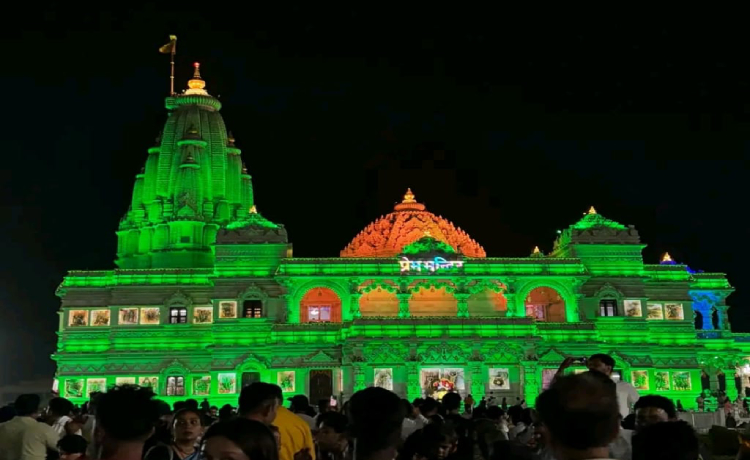
“राधे राध बोलो, वृंदावन चले आएंगे!”प्रेम की नगरी, जहाँ हर तरफ़ से बस राधे-राधे सुनाई देता है। जहां लोग इतने प्यार से राधे राधे बोलते हैं कि मन करता है यही बस जाऊँ। हमारे दिल्ली विश्वविद्यालय के छठवें सेमेस्टर की परीक्षा खत्म होते ही, उस रात मेरे दोस्त का कॉल आया की अगले दिन वृंदावन चलते हैं। दिल्ली से मथुरा 150 किलो मीटर दूरी पर है , ट्रेन से दो घंटे का समय लगता है। हमने निजामुद्दीन रेलवे स्टेशन से ट्रेन पकड़ी, रास्ते में दिल्ली के प्रदूषण को छोड़ कर हम ट्रेन से सुहाने सफ़र को देख रहे थे। मैं अपने दोस्त को रास्ते के बारे में बता रहा था, क्योंकि वो झारखंड का था। हम जब मथुरा जंक्शन पहुंचे तो वहां कई ऑटो-रिक्शा वाले आए, जैसे कि हर धार्मिक जगह पर होता है। ऑटो वाले नए लोगों को देखकर ज्यादा रुपये बताते हैं। मैं मथुरा जाता रहता हूँ, तो हमने थोड़ा आगे जाकर ऑटो लिया। उसने कम रुपये में ही हमें गायत्री तपोभूमि पहुंचा दिया। गायत्री तपोभूमि: साधना की धरती मथुरा में स्थित गायत्री तपोभूमि की स्थापना पूज्य गुरुदेव पंडित श्रीराम शर्मा आचार्य ने 1950 में अपने 24 गायत्री महापुरश्चरणों के समापन पर की थी, जहाँ प्रत्येक महापुरश्चरण में प्रतिवर्ष 24 लाख गायत्री मंत्रों का जाप होता है। अखिल विश्व गायत्री परिवार का सतत फलता-फूलता बीज यहीं बोया गया था। यह युग निर्माण मिशन के आत्मनिर्भर शिक्षा कार्यक्रम एवं प्रकाशन का केंद्र है। युग निर्माण योजना का उद्घोष इसी आध्यात्मिक स्थल से हुआ था। तपोभूमि में रुकने की व्यवस्था है, तो हमने वहां कमरा लिया और नाश्ता करके चले इस्कॉन मंदिर। इस्कॉन मंदिर: भक्ति का ज्वलंत दीप इस्कॉन मंदिर भारत की प्रसिद्ध मंदिर श्रृंखलाओं में से एक है और दिल्ली, मथुरा, चेन्नई आदि कई शहरों में स्थित है। रमन रेती क्षेत्र में स्थित श्री कृष्ण बलराम मंदिर, इस्कॉन के भक्तों के लिए अत्यंत महत्वपूर्ण है। यह भव्य मंदिर इस्कॉन के संस्थापक-आचार्य श्रील प्रभुपाद का साकार स्वप्न है। श्रील प्रभुपाद ने उसी गाँव में, जहाँ पाँच हज़ार वर्ष पूर्व वे क्रीड़ा करते थे, दिव्य भाई-बहनों, कृष्ण और बलराम की पूजा के लिए एक अद्वितीय सौंदर्य मंदिर की कल्पना की थी। कृष्ण बलराम मंदिर, सफ़ेद संगमरमर से निर्मित एक अद्भुत वास्तुशिल्प कला का नमूना है। यह विभिन्न नक्काशी, गुंबदों, नुकीले मेहराबों और बिसात के संगमरमर के फर्श से सुसज्जित है। यह मंदिर तीन मुख्य मंदिरों से बना है। कृष्ण-बलराम मंदिर- भगवान कृष्ण और बलराम दोनों के लिए एक पवित्र स्थल। इसी प्रकार, उन्हें घेरे हुए संदूक पर कृष्ण के अद्भुत कार्यों (लीलाओं) को दर्शाने वाले अत्यंत समृद्ध और सुंदर भित्तिचित्र लगे हैं। भक्तों ने मंदिर के प्रयोजनार्थ बैठकें आयोजित करके श्रील प्रभुपाद की स्मृति में एक समाधि स्थल का निर्माण किया। हम भगवान के दर्शन में मग्न थे, और झूम रहे थे। शाम की आरती करके हम चले प्रेम मंदिर की तरफ़। संगमरमर में सजी प्रेम की पराकाष्ठा- प्रेम मंदिर प्रेम मंदिर, जिसे श्यामा-श्याम धाम के नाम से भी जाना जाता है, उत्तर प्रदेश के ऐतिहासिक शहर वृंदावन में स्थित एक अनोखा मंदिर है। इससे भी बढ़कर, यह कला का एक भव्य स्मारक है और असंख्य अनुयायियों और मेहमानों के लिए आध्यात्मिक दुनिया में एक सुखद विश्राम स्थल है। अपनी अद्भुत बनावट, शांत वातावरण और ढेर सारी गतिविधियों के साथ यह एक शानदार अनुभव हो सकता है। प्रेम मंदिर का निर्माण कार्य जगद्गुरु श्री कृपालु जी महाराज के कर कमलों द्वारा कराया गया। प्रेम मंदिर, दुनिया में अद्वितीय, एक विशाल संगमरमर का मंदिर है जो राजस्थानी और गुजराती स्थापत्य शैली का एक अत्यंत सफल संयोजन है। यह 54 एकड़ में फैला है और 125 फीट ऊँचा है। इसका पूरा परिसर इतालवी सफेद संगमरमर से बना है और विशुद्ध दिव्यता की तरह चमकता है। इसकी दीवारें, फर्श और छतें जटिल पुष्प आकृतियों, दिव्य रूपांकनों और कृष्ण लीलाओं की आदमकद आकृतियों से अलंकृत हैं। गतिविधियाँ और आकर्षण संगीतमय फव्वारा शो- यह फव्वारा धीरे-धीरे पानी के एक पूरे तमाशे में बदल जाता है जो धीरे-धीरे झुकता है और भक्ति गीतों की धुनों पर घूमता है, और यह तथ्य कि यह लोगों का पसंदीदा है, इस फव्वारे को अनूठा बनाता है। शाम की रोशनी जब भी रात होती है, चकाचौंध भरे हल्के रंग इसे संगमरमर के पवित्र स्थान में बदल देते हैं, जहाँ दिन के समय रौनक नहीं रहती। यह आभासी सुंदरता फोटोग्राफरों और पर्यटकों, दोनों के लिए आनंद का स्रोत है। आध्यात्मिक चित्रण मंदिर गोवर्धन लीला, रासलीला और कई अन्य लीलाओं की आदमकद आकृतियों से अलंकृत है, जो भगवान कृष्ण के जीवन से ली गई हैं। इसके अलावा, यहाँ कला के कुछ अद्भुत नमूने भी हैं जो न केवल आध्यात्मिक ज्ञान प्रदान करते हैं, बल्कि आँखों के लिए भी एक अद्भुत आनंद हैं। इस्कॉन और प्रेम मंदिर के दर्शन करने के बाद हमने गायत्री तपोभूमि में पहुंचकर खाना खाकर आराम किया। रास्ते में जितने भी लोग मिलते, हम सभी से राधे राधे करते, हमारे शरीर में राधे राधे बस गया था। अगली सुबह हम निकले बांके बिहारी मंदिर की तरफ़। बांके बिहारी मंदिर: नटखट लाल का सजीव धाम बांके बिहारी मंदिर वृंदावन का सबसे प्रसिद्ध मंदिर है और शहर के सबसे प्रतिष्ठित खाद्य केंद्र से घिरा होने के कारण यह एक बहुत ही लोकप्रिय पर्यटक आकर्षण भी है। यह मंदिर नटखट भगवान कृष्ण को श्रद्धांजलि है। “बांके” नाम इसलिए पड़ा क्योंकि भगवान कृष्ण की मूर्ति तीन कोणों पर मुड़ी हुई है और “बिहारी” का अर्थ है सर्वोच्च आनंद लेने वाला। यह करिश्माई मूर्ति 1860 में बनाई गई थी और यह राजस्थानी वास्तुकला का एक उल्लेखनीय कार्य है। बांके बिहारी जी मंदिर में ब्रह्मांड की सर्वोच्च शक्ति को एक छोटे बच्चे की तरह लाड़-प्यार दिया जाता है और यही कारण है कि मंदिर में सुबह की मंगला (सुबह) आरती की परंपरा नहीं है, ताकि भगवान सुबह की घंटियों से विचलित न हों और पूरी तरह से आराम कर सकें। यहाँ मंगला आरती वर्ष में केवल एक बार जन्माष्टमी के अवसर पर की जाती है। बांके बिहारी जी की मूर्ति को नियमित अंतराल पर पर्दे से ढका जाता है । लाला (कृष्ण) को पेड़े का भोग चढ़ाया, जब वहां से निकले तो कुछ भिखारी भीख मांग रहे थे तो उनको मैंने पेड़ा दिया। उन्होंने कहा

International Lifestyle Review

Resin Studio: The New Front for Handmade Gifts in the 2025

  • 0 Comments

In a world brimming with products, there appears to be this magical phenomenon- a quiet yet strong call toward handcrafted and heartfelt gifts. Leading this resurgence in creativity and charm is resin art. Anything from a flower preserved in a keychain to a shining galaxy in a watch, or initials suspended in golden flakes; resin art has become the modern-day token of love, utmost thoughtfulness, and unique offering. Come 2025, no one will see it as a mere pastime: it is the new gold. The Emotional Shift: People Want Meaning, Not Mass The days of generic gifts costing more than feelings are behind us. Generation Now, Gen Z, and millennials would like gifts that tell a story, carry a sense of personal effort, and have a chink of somebody’s heart. Herein lies the magic of this art. Preserving memories within beautiful, lasting designs, it transforms a very simple object into a timeless emotion. What Makes Resin Gifts So Special? Convenience of Customization: Names, dates, pictures, dried flowers-from your friend’s home town: this is all stuff that this can preserve. Aesthetic Appeal: Features: The high gloss with dreamy swirls and shimmering details bear an aura that would make any resin product worthy of an Instagram post. Durability: Resin items are not just beautiful; they last decades, or some would stay forever. Different: No two resin pieces are alike. That is the charm of an artisan product. From couple watches to photo frames, to home décor and bookmark sets, to proposal rings sealed in epoxy- the options are unlimited. Handmade Gifting Is Booming (Resin art) – Here’s Why: The “Support Small” MovementCustomers have started to prefer small artists and local creators over big brands. It just feels more honest and responsible. Emotional EconomyGifts are no longer about status; gifts are now about connection, effort, and building a story. Online Custom Orders & Creator ShopsEntirely new markets have been opened for custom resin art made for you on demand via social media based on Instagram, Etsy, and WhatsApp boutiques. Gifting for Every OccasionFrom anniversaries to baby showers, to pet memorials, with love, it fit everywhere. Resin Artists Are the New Luxury Designers Across Indian and world territories, women creators are taking up this art as a full-time profession. These creators work from tiny corners in their bedrooms to hold sold-out shows, and this journey is testimony to the resurgence of a culture of handmade items, and it is fast thriving. Gold Fades, Stories Don’t It is the year 2025, and a resin piece gifted by you to somebody will never be taken merely as a present; it is an encapsulation of a story in glitter and shine, a moment that will never fade—and most importantly, a piece of you. So whether it is your celebration of love, friendship, or growth Choose handmade. Choose heart. Choose resin.

International Lifestyle Travel

The Ultimate Guide for Women to Safe, Smart & Soulful Travel on Long Journeys

  • 0 Comments

Guide for Women: There’s something uniquely powerful about a woman setting out on a journey. Not just to explore places, but to discover pieces of herself in unknown streets, unfamiliar languages, and fleeting conversations. Whether it’s a train across states, a solo flight abroad, or a group road trip into the mountains, travelling long distances as a woman comes with both beautiful possibilities and undeniable realities. The world is enchanting, yes, but it isn’t always gentle, especially towards women who dare to walk it alone. This isn’t about fear. This is about readiness.This is about knowing the world deeply enough to walk through it with grace, awareness, and power.So, here’s a deeply considered and emotionally honest guide because women deserve to travel not just safely, but joyfully. Know Before You Go: Why Research is More Than Just Googling Before you pack a bag or book a flight, pause. Ask yourself:Do I know where I’m going, or am I just following an Instagram reel? Research for a female traveller goes far beyond top places to visit. You need to look into social culture, gender dynamics, safety ratings, dress norms, and even things like public transport timings and how women are treated after dark in that city or country. In conservative regions certain parts of India, Middle East, or rural Southeast Asia, modest clothing isn’t just respectful, it’s protective. In more liberal cities, understanding neighbourhood vibes, like which areas are known for nightlife versus which are family-friendly, can save you awkward or unsafe situations. Use Google Maps to mark local police stations, hospitals, women’s hostels, metro stations, and even trusted cafés.Find female bloggers who’ve been there. Read between the lines. Watch YouTube vlogs, especially the ones that feel less curated and more raw. Information is empowerment. And in a woman’s journey, empowerment is the real passport. Packing is Political: What You Carry Reflects How You’ll Move It’s said lightly, “Pack light,” but for women, packing light is a dance between need and caution.We don’t just pack clothes, we pack for what-ifs: what if I get my period? What if I fall sick? What if I have to run? That’s why packing smart becomes your silent armour.Stick to multi-functional clothes: solid-coloured T-shirts, breathable pants, and one or two scarves or dupattas that double up as head covers, blankets, or safety wraps. Carry a zip lock with sanitary pads, tampons, panty liners, pain relief balm, and a clean pair of underwear. Your footwear? Think terrain first, fashion later. Trust a reliable pair of walking shoes more than heels or strappy sandals.In your essentials pouch: keep pepper spray (or a legal alternative), a small pocket knife, a whistle, and a copy of important documents, preferably laminated or water-resistant. Don’t forget your meds- not just for emergencies, but for your cycle, for digestion, for allergies, and for stress (yes, even a calming tea bag or aromatherapy roller counts). Packing is not just about luggage. For a woman, it’s about mental peace on the road. Dress Like You Belong, But Never Lose Yourself! This is not about losing your identity in the name of fitting in. It’s about reading the room- or in this case, the region. If you’re heading to North India or traditional towns, a simple kurta-jeans or tunic with leggings is perfect. In beaches or hill towns, flowy dresses or pants are fine, just pair them with a shrug or scarf.If you’re going abroad, understand what’s considered appropriate: in parts of Europe, you’ll blend better in casual-chic layers. In parts of the Middle East, modesty is non-negotiable. Clothing, for women, often acts as a conversation stopper. Dress in a way that commands space without inviting attention. Wear what makes you feel confident, comfortable, and culturally aware. And always keep a large scarf in your bag. It’s the most underestimated tool in a female traveller’s kit. Your Phone is Your Safety Net- Use it Wisely, Not Carelessly Your phone is your emergency room, your diary, your map, and sometimes, your only link to home.But how you use it and when you use it?- matters! Before leaving, install trusted apps: Avoid being glued to your phone in unfamiliar surroundings, it lowers your situational awareness.And never post real-time locations on social media. If you want to share, do it once you’ve moved on. This isn’t paranoia. It’s strategy.And for women, strategy is what keeps freedom alive. Where You Sleep Matters And Not Just for Comfort Whether it’s a hostel, hotel, or homestay, your accommodation is your safe zone — or it should be. Always choose places that are well-reviewed by women travelers. Look for keywords in reviews: “safe for solo women,” “friendly staff,” “well-lit street,” “easy access to transport.”Try to book places in central or well-connected areas- avoid isolated locations even if they’re cheaper. If possible, call ahead and speak to the staff. How they treat you on the phone often reflects how they’ll treat you in person.Once you arrive, check the locks, the windows, and the exits. Trust your instincts. If something feels off- don’t rationalize it away. Move. Your peace of mind at night isn’t luxury. For a woman, it’s a necessity. Your Body Deserves Kindness, Not Just Adventure Long travels can mess with your body. Periods can shift, digestion gets confused, sleep becomes inconsistent.That’s why honouring your body’s needs isn’t weakness, it’s wisdom. Hydrate. Carry your own water bottle. Avoid ice, street-side juices, or cut fruits in humid areas.Eat local, but start slow. Your gut is not a daredevil. Stick to cooked food, avoid raw greens or seafood in unknown places unless you trust the source.If you’re on your period, don’t ignore cramps or fatigue. Slow down if you need to. Listen to your body like you would a friend. Because the journey is not just about pushing limits, it’s also about knowing when to pause. Be Open, But Selectively So! You’ll meet people. Beautiful people. Weird ones. Curious ones. Helpful ones. Some may become stories you’ll tell for years. Others, red flags

Category

Korean Food in India: A New Flavour in the Heart of a Billion Plates

  • 0 Comments

There was a time when Indian dinner tables were ruled by butter chicken, paneer tikka, and the occasional Chinese fried rice. But today, a new flavour has entered the scene-spicy, fermented, and full of drama. A few years ago, if someone mentioned korean food like kimchi or ramyeon at a dinner table in India, most people would’ve raised their eyebrows. Today, these dishes are not only recognized but relished. From bustling city cafes in Mumbai and Delhi to Korean-style instant noodles stocked in Kirana shops of Indore and Kochi, Korean food has quietly seeped into the Indian culinary imagination. And no, it’s not just a phase- it’s a feeling, a flavour, and a reflection of cultural closeness. Korean food, once a distant curiosity seen only in TV shows or K-pop videos, has quietly but powerfully made its way into Indian kitchens, college canteens, and trendy cafes. So, what’s really driving this culinary transformation? Is it just another social media trend or something deeper? Let’s explore the cultural, economic, and emotional journey of Korean food in India. Not just about what we eat, but why we’re eating it. From Seoul to Surat: The Journey of a Craving Korean food didn’t arrive in India with fanfare. It came with feelings. With K-dramas where a heartbreak scene was incomplete without ramyeon, where every celebration had sizzling BBQ, and where lonely characters healed over hot bowls of stew. It wasn’t just about the food. It was about how they ate, why they ate, and who they ate with. Young Indians, especially Gen Z, watched these moments on screen and felt something click. They didn’t just want to see ramyeon—they wanted to taste it. Social Media: The Spicy Noodle Behind the Scene If K-dramas planted the seed, social media watered it daily. Instagram reels, YouTube mukbangs, and TikTok challenges made Korean food look fun, fiery, and fascinating. Watching someone cry-laugh through a Samyang Spicy Noodle Challenge made people curious enough to try it themselves. Soon, influencers were reviewing kimchi. Home chefs were trying gochujang recipes. Even street vendors in India were selling Korean cheese corn and tteokbokki. “We sell more Korean spicy noodles than Maggi on some days,” said a small grocery store owner in Pune.Teenagers ask for it by name—’Samyang wala packet dijiye.’ More Than a Trend, Korean Food is a Taste of Emotion Why does Korean food resonate so deeply with Indians? Maybe because, like Indian food, it’s not shy.It’s bold, layered, comforting, and full of feeling. Just like dal-chawal or mom’s rajma, Korean food tells stories. And young India, who lives online but craves connection, listens closely. Desi-Korean: A Delicious Middle Ground But let’s be honest—not everyone falls in love with kimchi on the first bite. That’s where Indian innovation steps in. Now we have:Butter Chicken RamyeonPaneer BulgogiKimchi ParathaMasala Tteokbokki Indian chefs and home cooks have started blending Korean soul with Indian spice—and the results are mouthwatering. This isn’t dilution; it’s evolution. It’s the natural way food travels—through taste, emotion, and local flavour. The Business of Bibimbap (Korean Food) Bibimbap (A korean dish made with rice) With interest comes opportunity, and Korean food is now a small but powerful part of India’s urban food economy. There’s even a rise in Korean food experiences—DIY BBQ kits, themed pop-ups, and Korean food tasting nights. What started as fandom is now a full-fledged market. Health, Hallyu (Korean wave), and the Indian Plate In a post-pandemic world, where immunity and gut health matter, Korean food finds another strength—it’s healthy. Even dieticians are recommending Korean side dishes as part of a clean-eating lifestyle. And when good taste meets good health—it’s a win-win. Korean Food -What Lies Ahead? Will Korean food replace Indian food?Of course not. It doesn’t need to. What’s happening isn’t replacement—it’s expansion.A bigger plate. A broader world. A new flavour in a country that loves flavor more than anything. Korean food in India is not just about what’s trending—it’s about what’s touching hearts. Because whether it’s a bowl of hot samgyetang or simple rajma chawal, food has always been our favourite way to say,“I see you. I feel you. Let’s eat together.” Tried Korean food yet? Tell us your favourite dish and your first experience through our social media handles-was it love at first bite?

Category Review Travel

Sleep Tourism: Rest Effecting Travel Destinations-The New Luxury In 2025

  • 0 Comments

Why Everyone Is Talking About Selling Sleep? Sleep is a luxury in the world that never stops scrolling, clicking, and hustling. The name is Sleep Tourism, taking travellers whose wants for deep rest, peace, and calm healing have taken precedence over adventure. From Himalayan retreats to forest pods, India and the rest of the world offer innumerable escapes for refreshing one’s mind and body. For the famed student wrecked with exam stress or your professional soul-in-debt, these destinations give you a chance to disconnect so you may reconnect. Sleep Tourism: What Is It? Sleep tourism is a type of restorative travel whose principals aim to better your sleep through: Natural environmentsMinimal digital exposureSleep-inducing diets and herbal teasMeditation, sound therapy, and AyurvedaSleep-oriented design (dark, soundproof, crisp fabric walls)Not laziness-any-wellness culture.Popular Sleep Tourism Destinations in India Ananda in the Himalayas, Rishikesh Located in the lap of the Himalayan mountain ranges, this luxury healing retreat offers Ayurvedic sleep programs, detox massages, and mindful rituals for sleeping. Trend highlight: Celebrities and influencers are literally hyping it for post-burnout treatment. Shillim Retreats and Spa, Maharashtra An eco-wellness locus, it offers “Sleep Well” programs comprising organic food, guided meditation, and sound healing with gongs. Why is it trending: Digital detox weekends are quite popular here. Swaswara, Gokarna Savaswara, located on tranquil Om Beach, yogic sleep technique (yoga nidra), Ayurvedic therapies, and vegetarian sattvic food. Perfect for: Someone having insomnia, anxiety, or emotional exhaustion. Keemala, Thailand For the international vacations, this Phuket retreat blends treehouse-style villas with sleep pods, blackout zones, and aromatherapy. Global trend: International influencers call it the “sleep spa of Asia.” Global Sleep Destination Making Headlines Six Sense Ibiza (Spain): Circadian rhythm analysis and customized sleep programs. Hästens Sleep Spa, Portugal: $60,000 beds in white-noise zones and luxury rooms. Sleep Retreats in Iceland: Sleep under the glorious northern lights to synchronise your sleep cycle naturally. Sleep-Boosting Trends in Travel (2025)- sleep tourism Blue Zone-Inspired Stays Sites inspired by regions where people live longest owing to clean air, natural diets, minimal noise, and peaceful communities. Neuro-Architecture in Hotels Hotels are designing rooms based on sleep science-now walls are curved, lighting is warm, oxygen-producing plants adorn the space. Sleep-Tech Rooms Sleep-Tech rooms have AI-assisted sleep monitoring, smart beds accepting temperature adjustments, and melatonin lighting. Silent Itineraries Itineraries are proposed with zones of no WiFi, digital fasting, and silent walks or meals. Why Gen Z & Millennials are Booking Sleep-cations? Because social-media overstimulationRemote work burnoutRise in anxiety, sleep apnea, and attention fatigueA desire for “soft life” experiences rather than thrill-based travelRest over reels! Rest is the New Rich ft. sleep tourism In 2025, travel will no longer be just about sightseeing but will be about soul-seeing. Be it through an even sunrise over mountains or calm of a forest cottage, sleep tourism is telling us that peace is truly ultimate luxury. So the next time someone asks where you’re going on vacation, just say-“I’m going to sleep.”

Category Lifestyle Review

‎सुबह की बेहतरीन शुरुआत : आयुर्वेद की इन 10 आदतों के साथ

  • 0 Comments

जब भी भारतीय चिकित्सा पद्धति का नाम आता है, तो हमारे ज़हन में सबसे पहला नाम आयुर्वेद का आता है। आयुर्वेद (Ayurveda) एक ऐसा शास्त्र है जिसका उद्देश्य मनुष्य को स्वस्थ व रोग-रहित जीवन देना है। यदि फिर भी कोई रोग की चपेट में आ जाए तो ऐसे में उसका उपचार करना है। आयुर्वेद में भोजन को औषधि कहा गया है। अत: यदि हम भोजन का ही उचित रूप से सेवन करें, तो हमेशा स्वस्थ और निरोगी रहेंगे। ‎’आयुर्वेद’ दो शब्दों आयु तथा वेद(ज्ञान) से बना हैl अत: जिससे आयु का ज्ञान हो उसे आयुर्वेद कहते हैं। लेकिन यहाँ आयु का मतलब केवल उम्र नहीं है। आयुर्वेद में शरीर, इन्द्रिय (ज्ञानेन्द्रियाँ और कर्मेन्द्रियाँ) मन और आत्मा(Consciousness) के संयोग को आयु कहते हैं। इन सभी के स्तर पर स्वस्थ होकर मनुष्य संपूर्ण रूप से स्वस्थ रह सकता है और दीर्घायु को प्राप्त कर सकता है। आयुर्वेद में व्यक्ति के स्वास्थ्य के रक्षण के लिए पौष्टिक भोजन, दिनचर्या, रात्रिचर्या, ऋतुचर्या, आहार-विहार, पथ्य-अपथ्य इत्यादि का वर्णन किया गया है। ‎आइये जानते हैं कि आयुर्वेदके अनुसार हम एक बेहतरीन सुबह की शुरुआत कैसे कर सकते हैं- 1.उठने का समय : ब्रह्ममुहूर्त हमें ब्रह्ममुहूर्त अर्थात् सूर्योदय से दो घंटे पूर्व लगभग सुबह 4 से 5:30 बजे के बीच उठ जाना चाहिए। उठने का यह समय सबसे उपयुक्त माना जाता है, क्योंकि ब्रह्ममुहूर्त में शरीर को स्वच्छ, सात्त्विक और प्रदूषण रहित वायु मिलती है। ब्रह्म मुहूर्त के समय उठने पर नित्य कर्म करने से हमारी आयु लम्बी होती है। 2.उषापान- सुबह-सुबह पानी पीने की प्रक्रिया उषा का अर्थ होता है सुबह और सुबह-सुबह पानी पीने की प्रक्रिया को उषापान कहा जाता है। उषापान में धातु(चांदी, तांबा, सोना आदि) के बर्तन में रात भर रखे हुए साफ पानी को पिया जाता है। तांबे के बर्तन में रखा सादा या हल्का गुनगुना पानी पीना सेहत के लिए फायदेमंद होता है। आयुर्वेद के अनुसार हमें सुबह उठने के बाद बिना कुल्ला किये यह पानी पीना चाहिए। हमें लगभग 1.4 लीटर पानी को थोड़ा थोड़ा करके पीना चाहिए ताकि हमारी आतें(intestines), जो लगभग 6 से 8.5 मीटर लंबी होती हैं, पूरी तरह से साफ़ हों पाएँ। शुरुआत में एक या दो गिलास पानी से शुरुआत करें, फिर धीरे धीरे ये मात्रा बढ़ाकर 4 से 6 गिलास करें।‎यह आंतों को साफ़ करने के अलावा पूरी रात सोने के बाद सुबह हमारी बॉडी को दोबारा हाइड्रेट करता है। यह दिमाग को तरोताजा करता है और शरीर को ऊर्जा देता है। यह अपच की समस्या को भी दूर करता है। मुंह और दांतों के विकारों को भी ठीक करता है। 3.मलोत्सर्ग या मल त्याग करना: उठने के बाद मल का त्याग मौन होकर करना चाहिए। प्रयत्नपूर्वक मलोत्सर्ग नहीं करना चाहिए। यदि आप नियमित और प्रतिदिन मल का त्याग करते हैं, तो आपका शरीर स्वस्थ, पवित्र और दुर्गन्ध रहित होकर स्वच्छ हो जाता है। इसके लिए आपको सही मात्रा में संतुलित आहार का सेवन करना चाहिए और अपनी शरीर की जरूरत के अनुसार पानी पीते रहना चाहिए। 4. आयुर्वेद में मुख-प्रक्षालन (मुख की शुद्धि) मल का त्याग करने के पश्चात् अपने हाथों को अच्छी तरह से धोकर, स्वच्छ जल से अपने मुख, आँख, नाक, कान तथा चेहरे को अच्छी तरह धोना चाहिए। इससे सुस्ती दूर होती है और मुख की शुद्धि होती है। 5.दाँत साफ करना: आयुर्वेद के अनुसार, आगे की ओर से कोमल दातुन से प्रातः और भोजन के पश्चात् दातुन करना चाहिए। दातुन को छोटी अंगुली के समान मोटी, सीधी तथा लम्बाई में 12 अंगुली होना चाहिए। दातुन के द्वारा किसी भी प्रकार से मसूढ़ों को हानि न पहुँचाएँ। लम्बी दातुन से चीरकर जीभ को भी साफ करें।‎आजकल दाँतों के लिए टूथब्रश और टूथपेस्ट का इस्तेमाल किया जाता है। इनका सावधानी से गर्म पानी के साथ इस्तेमाल किया जा सकता है। 6.गण्डूष (Oil pulling): गण्डूष या ऑयल पुलिंग में मुंह में तेल भरकर कुछ देर के लिए उसे मुंह में चारों तरफ घुमाया जाता है। इसके बाद इस तेल का कुल्ला कर दिया जाता है। आप 4 से 5 मिनट तक इस प्रक्रिया को कर सकते हैं। इसके लिए तिल या सरसों का तेल के प्रयोग को उत्तम कहा गया है। गण्डूष क्रिया होंठों का फटना, मुँह का सूखना और छाले इत्यादि के लिए फायदेमंद होती है। इससे दाँत और मसूड़े मजबूत होते हैं और मुख की मलिनता और दुर्गन्धता का नाश होता है। 7.अभ्यंग(तेल मालिश): आयुर्वेद के अनुसार ‎आयुर्वेद के अनुसार प्रतिदिन शरीर पर अभ्यंग यानि तेल मालिश करनी चाहिए। इससे त्वचा साफ़ और शरीर मजबूत होता है। तेल को हल्के हाथों से पूरे शरीर पर लगाना चाहिए। सिर, कान और पैर के तलवों का विशेष रूप से प्रतिदिन अभ्यंग करना चाहिए। पैरों में तेल लगाने से आँखों की रोशनी बढ़ती है, रूखापन, थकावट, पैरों का फटना, आदि नहीं होते। कान में तेल लगाने से कान दर्द, बहरापन, कान के रोग इत्यादि नहीं होते। सिर पर तेल लगाने से बालों के गिरना रुकता है, सफेद बालों में कमी आती है, सिरदर्द नहीं होता है। अभ्यंग से चेहरे पर चमक आती है और मन शांत होता है। 8.योग व ध्यान: सबसे पहले वॉर्म अप के लिए कुछ हल्के व्यायाम फिर सूर्य नमस्कार और क्षमतानुसार अन्य आसन करने चाहिए तथा कूल डाउन के लिए शवासन या तितली आसान किया जा सकता है। तत्पश्चात् ध्यान व प्राणायाम करना चाहिए, ताकि पूरे दिन शरीर व मन ऊर्जावान रहे।‎आयुर्वेद मतानुसार शक्ति से अधिक व्यायाम नहीं करना चाहिए, वह शरीर के लिए नुकसानदायक हो सकता है। व्यायाम अपनी आधी शक्ति अर्थात् माथे पर पसीना आने तक करना चाहिए। 9.स्नान: स्नान यानि नहाने से शरीर साफ होता है और ताज़गी मिलती है। इससे पसीना, गंदगी और थकान दूर होती है, तथा शरीर को ऊर्जा मिलती है, इससे शरीर भी स्वच्छ होता है और मन को भी प्रसन्नता मिलती है। 10.सुबह का भोजन: आयुर्वेद के अनुसार हमें अपनी प्रकृति (वात, पित्त या कफ) तथा ऋतु के अनुसार भोजन करना चाहिए। तथा सुबह के नाश्ते में सदैव ताज़ा, गर्म व हल्का भोजन करना चाहिए। क्योंकि सुबह के समय हमारी पाचन अग्नि बढ़ने की प्रक्रिया चल रही होती है और गर्म भोजन जल्दी पचता है। अत: नाश्ते में अत्यधिक मसालेदार, भारी या कच्चा भोजन नहीं करना चाहिए। आजकल हम समय