





Threads of Heritage: Exploring India’s Fibre and Fabric Story
India has always been a land of colours, textures, and traditions. Among its many cultural treasures, the story of fibre and fabric stands out as a living expression of identity. From ancient times to modern fashion runways, Indian textiles have shaped not only clothing but also the country’s economy, art, and social life. Fabrics here are not just materials. They carry symbols of heritage, craftsmanship, and community pride.
This article explores the journey of India’s fibre and fabric tradition. It traces the roots, highlights regional specialities, examines their impact on society, and reflects on the challenges and opportunities for the future.
The Ancient Roots of Indian Textiles
The history of Indian textiles stretches back thousands of years. Archaeological evidence from the Indus Valley Civilization reveals that cotton was grown, spun, and woven as early as 2500 BCE. Ancient Indian fabrics were admired globally. Records from Greek and Roman times mention the fine muslins of Bengal and the colorful cotton prints exported from Gujarat.

Textiles were more than commodities. They were carriers of cultural and spiritual value. In Vedic rituals, woven garments played symbolic roles. In temples, fabrics were offered to deities as marks of devotion. Textiles also represented wealth and status in royal courts.
The ancient routes of trade carried Indian fabrics far beyond the subcontinent. Ships laden with cotton, silk, and dyes connected Indian artisans to markets in Africa, the Middle East, and Southeast Asia. Indian fibre and fabric were not just products. They were ambassadors of culture.
Diversity of Fibres in India
India’s climate and geography allow a wide range of natural fibres to thrive. This diversity has shaped its rich textile traditions.
Cotton: Known as “the fabric of India,” cotton has been cultivated for millennia. Regions like Maharashtra, Gujarat, and Andhra Pradesh are still central to its production. Fine muslins from Bengal and strong cottons from Gujarat became world-famous.

Silk: India is one of the largest producers of silk in the world. From the glossy mulberry silks of Karnataka to the delicate eri and muga silks of Assam, each variety carries distinct cultural meaning. Silk remains essential for weddings, rituals, and luxury garments.
Wool: In the northern states, especially Jammu and Kashmir, Himachal Pradesh, and Ladakh, wool is vital. The Pashmina shawls of Kashmir are prized globally for their softness and warmth.
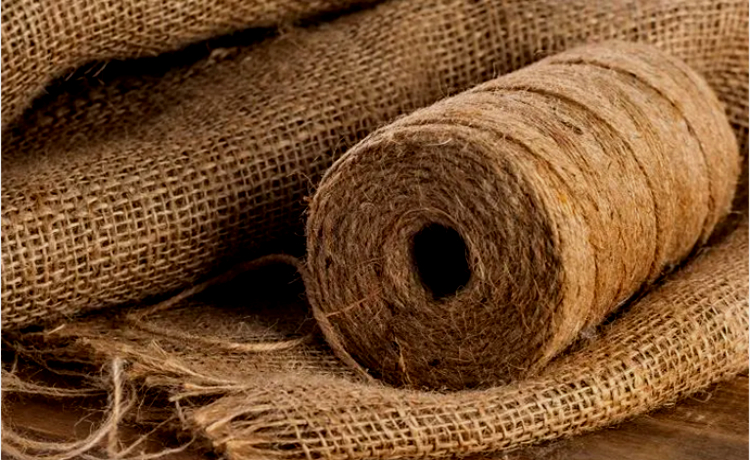
Jute: Eastern India, particularly Bengal, has been historically known for its jute fibre. Durable and versatile, jute supports industries from packaging to fashion.
Other Natural Fibres: Banana fibre, coir from coconut husks, and bamboo fibre are also used in traditional crafts, reflecting India’s ability to innovate with nature’s offerings.
Regional Specialities and Their Stories
Every region in India tells its story through fabric. These textiles are not only functional but also deeply artistic.
Bengal: Known for muslin, jamdani, and baluchari saris, Bengal’s fabrics combine delicacy with storytelling. Jamdani weaving incorporates floral and geometric patterns that seem to float on fine cotton.
Gujarat and Rajasthan: These regions are famous for bandhani (tie-dye), block printing, and mirror work. Vibrant colors reflect the desert landscape and local festivals.
Uttar Pradesh: Banarasi silk is a crown jewel, woven with gold and silver zari threads. These saris are treasured heirlooms and symbols of grandeur.

South India: Tamil Nadu’s Kanchipuram silk, Karnataka’s Mysore silk, and Kerala’s Kasavu sari show the south’s mastery of weaving. Each represents cultural rituals, especially weddings.
Northeast India: Assam’s muga silk, known for its golden sheen, is unique to the region. Nagaland and Manipur produce bold handwoven textiles that carry tribal motifs and histories.
Kashmir: Pashmina wool and Kashmiri embroidery (known as Kashida) bring intricate artistry, often inspired by nature.
These regional textiles show how fabric is more than cloth. It is storytelling, identity, and memory woven together.
The Role of Fabric in Indian Society
Fabric in India has never been a neutral commodity. It has carried deep social, religious, and political meanings.
Clothing often marked caste, community, or region. The fabric and drape of a sari could reveal the wearer’s background. Special fabrics were reserved for rituals and ceremonies. Weddings, for example, were incomplete without silk saris or embroidered garments.

Textiles also played a role in political history. During the colonial period, British industries tried to dominate textile markets. Machine-made cloth from England was imported in bulk, threatening Indian weavers. In response, the Swadeshi Movement urged people to spin and wear khadi as a symbol of resistance. Khadi became not only fabric but also a political statement of self-reliance.
Today, fabric continues to influence social identity. From the khadi jacket worn by politicians to the designer saris showcased on international stages, Indian textiles remain powerful symbols.
Modern Industry and Global Recognition
Indian textiles have entered global fashion markets with strong appeal. Designers across the world use Indian fabrics for their richness, texture, and uniqueness. Bollywood and international celebrities wearing Banarasi or Kanchipuram saris have further promoted them abroad.
At the same time, India has built a large textile industry. From handloom cooperatives to modern factories, fabric production employs millions. It is one of the largest contributors to the Indian economy. Cotton exports, silk garments, and jute products find markets in Europe, America, and beyond.

Yet the industry faces challenges. Machine-made fabrics often overshadow handlooms in terms of cost and speed. Artisans struggle to sustain traditional crafts in a fast-moving fashion market. Unless conscious efforts are made, priceless traditions may risk fading.
Sustainability and the Future of Indian Fabrics
In today’s world, sustainability is a key issue. Fast fashion has created enormous waste, while synthetic fibres have harmed the environment. Indian textiles, with their natural fibres and traditional methods, offer a more eco-friendly alternative. Handlooms consume less energy, natural dyes avoid chemical pollution, and organic cotton supports soil health.
The global demand for sustainable fashion gives India an advantage. Consumers increasingly value handmade, organic, and ethically sourced fabrics. Supporting traditional Indian weaves not only preserves culture but also promotes sustainability.
Young designers are blending tradition with modern style. Contemporary clothing lines use khadi for chic urban wear or mix silk with innovative cuts. This balance of heritage and innovation ensures that Indian fibre and fabric remain relevant to new generations.
Preserving Craftsmanship and Heritage
The survival of India’s fabric traditions depends on artisans. Weavers, dyers, spinners, and embroiderers hold skills passed down through generations. They work slowly, with precision, carrying cultural memory in every stitch.
However, artisans often face economic hardships. Low wages, limited recognition, and competition from machine-made goods make traditional weaving difficult to sustain. Many younger generations move away from the craft.
Government initiatives, NGOs, and designers are working to change this. Schemes supporting handloom cooperatives, craft fairs, and e-commerce platforms have opened new markets for weavers. Global campaigns such as “Make in India” and “Handmade in India” encourage people to value these crafts.
Tourism also plays a role. Textile trails in Rajasthan, Varanasi, or Assam allow travel lers to witness weaving firsthand. Such experiences connect consumers with artisans, turning fabric into a story rather than just a purchase.
A Living Legacy
Fibre and fabric in India are not relics of the past. They continue to evolve, blending old with new. While khadi became a political fabric during independence, today it is a symbol of eco-conscious fashion. While Banarasi silk remains traditional, designers now use it in gowns and jackets. This adaptability shows the resilience of Indian textiles.
Fabric remains an everyday presence in Indian life. From daily wear cotton to ceremonial silk, from the sari to the kurta, it shapes how people express themselves. More than material, it is emotion, heritage, and identity woven together.
Weaving the Future Together
India’s story of fibre and fabric is one of resilience, creativity, and continuity. It reflects the balance between tradition and modernity, between local craftsmanship and global markets. The threads that run through Indian fabrics connect past to present and offer lessons for the future.
To preserve this legacy, it is essential to support artisans, encourage sustainable practices, and celebrate regional diversity. We must value fibre and fabric not only as commodities but as carriers of culture. When travellers wear a handwoven shawl, or when a young person chooses khadi over synthetic cloth, they participate in this larger story.
The fabric of India is, ultimately, the fabric of its people. Strong, diverse, colourful, and enduring, it continues to tell the world who India is and who it aspires to be.