

Explore Your Own Indian State First: Begin Where You Belong
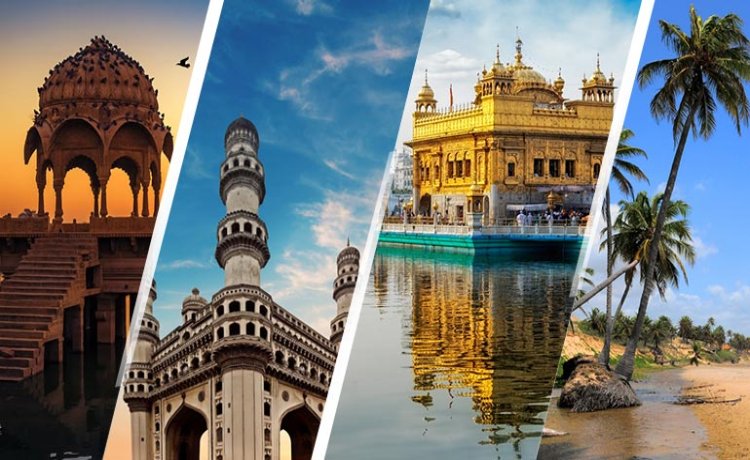
India is vast. Every few hundred kilometres bring a new language, dish, or ritual. Many Indians dream of traveling far. But in that dream, they often ignore something closer- home! Each Indian state holds its own universe of stories.
Before crossing borders or hopping to hill stations, start nearby. Your own state may surprise you with its depth.
This article explains why local travel deserves your attention first.
Cultural Intimacy: Knowing Where You Come From
Travel helps you understand your roots. Visiting places within your state connects you to history, heritage, and identity. Many people know their city. But how many have walked through the lanes of an old fort nearby?
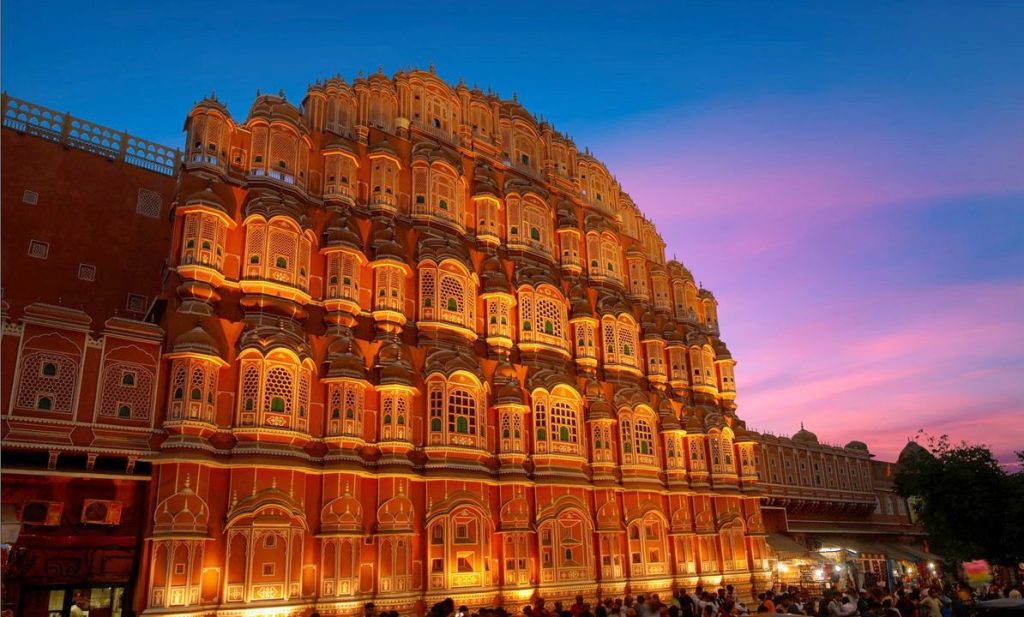
Someone from Tamil Nadu might know Chennai but never visit Thanjavur’s Brihadeeswara Temple. A person from Rajasthan may explore Udaipur but not the desert villages near Barmer. Local travel turns forgotten facts into living memories.
Seeing your own culture up close builds a sense of pride. It tells you who you are. That feeling is the best travel souvenir.
Boosting Local Economies: Let Your Money Build Home
When you travel within your state, your spending helps your own people. A stay at a local guesthouse, a meal at a village stall, or buying handmade crafts supports real livelihoods.
This kind of travel spreads tourism benefits to more places. It shifts focus from crowded cities to smaller, deserving towns and villages. The money stays in the community. It empowers locals to protect their traditions and improve their surroundings.
If more people explore their own regions, more families earn through tourism. It becomes a cycle of growth rooted in pride and fairness.
Travel Light on the Earth: Go Green by Staying Close
Shorter trips mean fewer emissions. Flights and long-distance travel leave a heavy carbon footprint. A journey by road or train within your state is more eco-friendly.

You can plan weekend getaways that don’t harm the environment. A resident of Maharashtra can explore Sahyadri treks instead of flying north. Someone from Assam can visit Majuli Island rather than traveling to other states.
You save time and resources while keeping your impact low. And still, the beauty you see remains rich and untouched.
Easy Planning and Safe Experience
Local travel means fewer surprises. You know the language. You understand the customs. There are no permits to worry about or unfamiliar rules.
This makes travel safer for solo travellers, women, and the elderly. Families can explore freely without fearing language barriers or long travel times.
A person from Odisha can explore Koraput with confidence. A Himachali can travel to Spiti without needing a translator. You feel at home even while exploring something new.
Education Through Exploration
Books teach. But travel teaches better. Students who read about the Marathas can visit Raigad Fort to feel the history. A child learning about farming can see it in action on local farms.
Travel turns subjects into stories. You understand what you once only memorized. Even adults can rediscover lessons they once ignored.

Local travel brings schools and universities alive. A local museum, temple, or art fair becomes a classroom without walls.
Bridging the Urban-Rural Divide
Cities grow fast. But the villages nearby often remain unseen. When urban people travel locally, they reconnect with the rural side of their state.
This builds empathy. You see different ways of life. You hear different struggles. And you realize your state has many faces.
A Delhi resident visiting a village in Haryana may see a new reality. A Kolkata citizen visiting a tribal area in Purulia may feel humbled. These visits erase distance—not just of space, but of understanding.
Hidden Festivals and Living Traditions
Not all festivals get national headlines. Some happen quietly in small towns and villages. These events show the living soul of a culture.
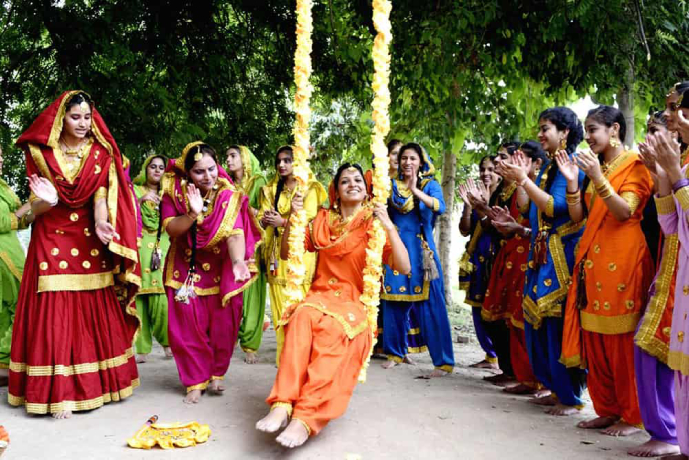
When you travel locally, you can witness unique traditions. You may join a tribal dance, watch a river ritual, or be part of a seasonal harvest celebration.
In Gujarat, Garba in villages feels different from cities. In Manipur, local sports festivals bring true excitement. These experiences often stay with you longer than big city parades.
Become a Local Storyteller
Once you know your state deeply, you become its voice. You can guide others. You can write or speak about your region with honesty and passion.
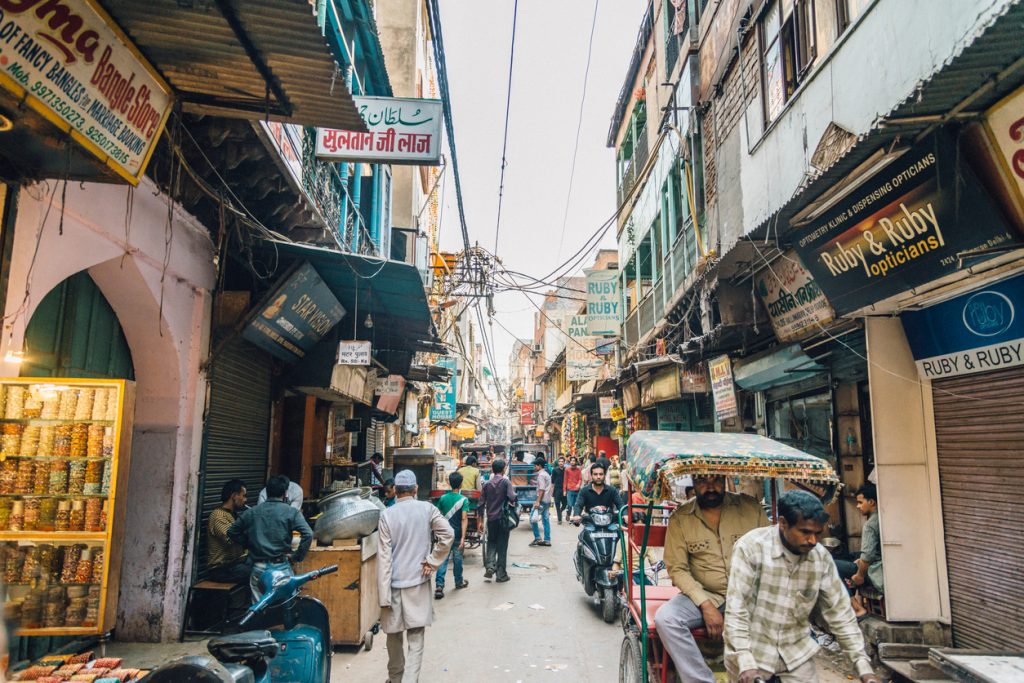
Your posts become more than just pretty pictures. They carry meaning. They carry truth.
You also learn to see what needs fixing. A waterfall covered in plastic or a neglected monument is not someone else’s problem anymore. You care, speak up & you advocate!
Save Money Without Missing the Magic
Travel costs money. But local trips help you save without cutting quality. You avoid flights, visas, and high lodging costs. You can plan more frequent and flexible trips.
A few days away can refresh you without breaking your budget. And because the distance is short, you can always return later to explore more.
From Familiar to Fascinating
Some people think nearby places are boring. That’s often not true. Familiarity hides beauty until you take time to look closely.
A sunset at a local dam, a story from an old village elder, a folk artist performing at a fair. These create strong emotional memories. They remind you that beauty doesn’t always wear new clothes.
You don’t need faraway beaches or snowy peaks to feel amazed. Sometimes, wonder waits just two hours from home.
The Journey That Begins With You
Before exploring someone else’s world, explore your own. Your state has layers, colours, and voices. It has tales waiting to be heard. These are not just stories of a place. They are part of your own story.
When you travel within your state, you build knowledge. You support livelihoods, grow as a person, you carry your culture forward.
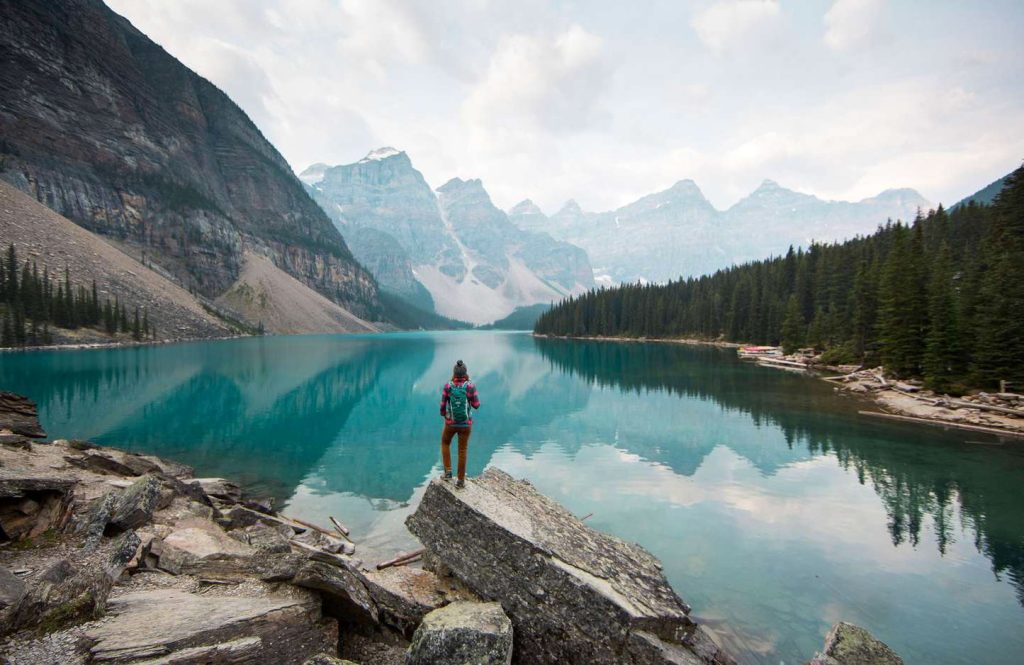
So next time you open a map or scroll through travel reels, pause for a moment. Look inward. Then pack your bag, not for a distant land, but for the soil that shaped you.
That journey will mean more than any passport stamp ever could.