



Delhi Destination Travel

Safdarjung’s Tomb: The Last Grand Mughal Monument and Legacy of a Powerful Vizier

  • 0 Comments

Safdarjung’s Tomb, considered one of Delhi’s most prominent architectural landmarks, stands as a testimony to the metropolis’s rich history. Built in 1754, it became the last grand Mughal lawn tomb constructed in India, marking the end of an technology. Unlike other tombs in Delhi, which frequently residence the stays of emperors or royalty, Safdarjung’s Tomb is unique as it’s far the resting location of a prime minister, now not a king or prince, making it historically enormous in a unique context. The man behind the monument: Safdarjung Mirza Mukeem Abul Mansoor Khan, nicknamed Safdarjung, was a powerful Nawab of Oudh (now Uttar Pradesh) and served as the High Commissioner (Wazir) of the Mughal Empire during the reign of Emperor Ahmad Shah Bahadur. Safdar Jang was born in Persia, and gained fame through his military prowess and political acumen. His role as general gave him great power, although he faced considerable political struggle within the empire. Though Safdar Jang was not a royal by birth, his influence in Mughal politics necessitated the construction of this magnificent mausoleum. The tomb reflects the high esteem in which he was held and the glory of his political and military career. The Tomb’s Architecture: A blend with of Persian and Indian styles Designed by an Ethiopian architect, Safdar Jung’s tomb displays a mixture of Persian and Indian architectural styles. The tomb is often compared to the iconic tomb of Humayun, which inspired its design, but it has unique features that make it impressive in its own right The building is constructed of red sandstone and buff stone, with magnificent marbles, showing the grandeur of the Mughal style. The central dome, which has recently been attempted to be restored by the Archaeological Survey of India (ASI), is a magnificent feature that commands the surrounding garden skyline ASI’s restoration project aims to preserve the dome’s interior stucco work if it has ensured the longevity of this historic monument. The cemetery sits amidst the Charbagh Gardens, a typical Mughal design symbol of paradise. Divided into four quadrants by paths and channels, this garden was designed to enhance the peaceful and sacred aura surrounding the tomb. Architectural highlights One of the most putting functions of Safdarjung’s Tomb is its principal octagonal chamber wherein Safdarjung’s stays relaxation. The tricky latticework on the windows, which allows mild to filter into the tomb, creates an airy surroundings inside the mausoleum. The tomb also features extraordinary gateways, every crafted with specified ornamentation, showcasing the craftsmanship of the era. The monument has 4 minarets and a grand gateway, which is inscribed with a Persian couplet that interprets to: “When the hero of simple bravery departs from the transitory, might also he emerge as a resident of God’s paradise.” These capabilities collectively represent Safdarjung’s prominence and the Mughal architectural mastery that emphasized symmetry, share, and tricky detailing. Historical significance While Safdarjung changed into a high minister and now not a member of the imperial own family, the development of this sort of grand tomb highlights the huge function that viziers and ministers performed at some stage in the later Mughal duration. The tomb is a image of the shift in energy dynamics within the declining Mughal Empire, in which officials like Safdarjung held more power than the emperor himself. The tomb additionally marks the end of the Mughal architectural culture in India. After Safdarjung’s Tomb, the Mughal architectural style started out to decline, and no similarly grand monuments of such scale had been constructed. Thus, the tomb stands now not handiest as a memorial to Safdarjung however also as a monument to the last days of Mughal glory. Preservation and restorationIn latest years, the Archaeological Survey of India (ASI) has undertaken numerous initiatives to repair and maintain Safdarjung’s Tomb. Restoration work, specifically on the dome, is important to preserving the monument’s structural integrity and its aesthetic splendour. The ASI has been running meticulously to restore the broken sections of the tomb, including the critical dome, which had suffered from put on over the centuries due to weather and forget. This healing isn’t handiest approximately maintaining the monument for future generations however additionally about respecting the rich historical past of Mughal structure. The paintings is expected to be finished through July, making sure that the tomb stays a important part of Delhi’s historic panorama. Visiting Safdarjung tomb Safdarjung’s Tomb is located in the heart of Delhi, making it easily available to visitors. It stays a popular web page for vacationers, historians, and locals alike. The serene gardens surrounding the tomb provide a peaceful retreat from the hustle and bustle of the metropolis, at the same time as the complicated architecture affords a glimpse into the craftsmanship of the Mughal era. As visitors stroll thru the grand gateway and explore the tomb and gardens, they are transported back in time to an technology of Mughal beauty, wherein the tomb of a top minister may want to rival that of an emperor. The tomb’s combo of Persian and Indian styles, coupled with its historical importance, makes it one of the have to-visit monuments in Delhi. Safdarjung’s Tomb isn’t always only a monument; it is a symbol of a converting generation in Mughal India. It stands as a reminder of the electricity held by way of men like Safdarjung during the waning days of the empire. Its particular position as the tomb of a top minister rather than a royal makes it a big ancient website online, while its lovely architecture maintains to captivate site visitors. The ongoing healing efforts by way of the ASI ensure that this monument will maintain to inspire and teach destiny generations about Delhi’s wealthy and diverse beyond. Safdarjung’s Tomb, in its grandeur and records, serves as a window into the complexities of Mughal politics, culture, and structure, making it a jewel in Delhi’s rich historical past Research by- Khushi Aggarwal/Edited by- Pardeep Kumar

Delhi Lifestyle

छतरपुर मंदिर : आस्था, भव्यता और शांति की यात्रा

  • 0 Comments

दिल्ली एक ऐसा शहर जहाँ का हर कोना इतिहास और आधुनिकता का मिलाजुला चित्र प्रस्तुत करता है। इसी शहर में एक ऐसा भी स्थान है, जहाँ कदम रखते ही व्यक्ति स्वयं को किसी और ही दुनिया में महसूस करता है और यह दुनिया है छतरपुर मंदिर की, जहाँ आपको शांति, भक्ति और आध्यात्मिकता का अनोखा संगम दिखाई देगा। राजधानी के कोलाहल से दूर, यह स्थान भक्तों को बाहरी दुनिया के शोर से मुक्त कर भीतर की गहराईयों में झाँकने का अवसर देता है। दिल्ली जैसे शहर में, जहाँ आपको हर सड़क पर बे-इन्तहा भीड़ दिखाई देगी और जहाँ की हर गली अपने अंदर किसी न किसी के शोर का बोझ उठाये फिरती है, वहाँ छतरपुर मंदिर जैसे स्थान का होना एक अद्भुत सौभाग्य है। यहाँ आते ही, लगता है जैसे वक़्त ठहर गया हो, जैसे जीवन की सारी आपाधापी कहीं दूर रह गई हो, और बस शांति और श्रद्धाभाव से भरी हवाएं चारों ओर बह रही हो।(Chhatarpur mandir Delhi) मंदिर की पहली झलक और भव्यता का अनुभव सुबह के समय जब आप मंदिर के विशाल द्वार पर कदम रखेंगे, तो आप देखेंगे कि सूरज की किरणें मंदिर की ऊँची गुम्बदों पर पड़कर एक अनोखी आभा बिखेर रही हैं। ऐसे दृश्य मन को खूब आनंदित करते हैं। मंदिर में प्रवेश करते ही, सामने माँ कात्यायनी का भव्य मंदिर अपनी अलौकिकता से जगमगा रहा था। यह दृश्य एक दिव्य यात्रा की शुरुआत का संकेत दे रहा था। जैसे ही अंदर प्रवेश करते हैं, ऐसा महसूस होता है मानो हर पत्थर, हर दीवार, हर खंभा मानो वर्षों से कहानियाँ सुना रहे हों—कहानियाँ भक्ति की, समर्पण की, और उस शक्ति की जो इस मंदिर के हर कोने में बसी हुई है। माँ कात्यायनी का श्रृंगार होते देखना एक अनूठा अनुभव था। दक्षिण भारत से मंगाए गए ताजे फूलों से माँ का शृंगार होता है, और यह प्रक्रिया हर दिन बड़े नियमों और निष्ठा के साथ सुबह 3 बजे शुरू होती है। माँ की मूर्ति के समक्ष खड़े होकर यह महसूस होता है कि हमारे जीवन की सारी समस्याएँ, सारी चिंताएँ एक पल में खो गई हैं, और हम केवल उस दिव्यता के सामने खड़े हैं, जो हमारे भीतर छुपी ऊर्जा को जागृत कर रही है। छतरपुर मंदिर केवल एक धार्मिक स्थल नहीं है बल्कि यह भारतीय वास्तुकला की उत्कृष्टता का एक शानदार उदाहरण भी है। विशाल प्रांगण, ऊँचे गुम्बद और अर्धवृत्ताकार छतें इस मंदिर को और भी भव्य बनाते हैं। मंदिर की दीवारों पर की गई बारीक नक्काशी, लाल और सफेद रंग का मिश्रण, और गोलाकार डिज़ाइनें मन को कहीं गहरे तक छू जाती हैं। इन डिज़ाइनों में छिपी कला को देखकर ऐसा लगता है मानो कलाकार ने अपनी आत्मा की सारी गहराई इन आकृतियों में डाल दी हो। इन अर्धवृत्तीय आकृतियों के नीचे खड़े होकर ऐसा महसूस होता है जैसे हम किसी दिव्य आलोक में खड़े हैं, जो हमें एक नए दृष्टिकोण से जीवन को देखने का अवसर देता है। यह कला और भक्ति का संगम है, जहाँ हर ईंट, हर पत्थर श्रद्धा का प्रतीक बन गया है। हनुमान जी का मंदिर और साहस की शक्ति माँ कात्यायनी के मंदिर के अलावा, छतरपुर परिसर में स्थित हनुमान जी का मंदिर भी विशेष ध्यान आकर्षित करता है। यहाँ भगवान हनुमान की 20 फीट ऊँची मूर्ति भक्तों के दिल में साहस और ऊर्जा का संचार करती है। इस मूर्ति के समक्ष खड़े होकर ऐसा प्रतीत होता है जैसे सारी बाधाएँ और जीवन की कठिनाइयाँ पल भर में मिट गई हैं। हनुमान जी की विशाल प्रतिमा को देखकर जो साहस मन में जागता है, वह जीवन की हर चुनौती से लड़ने की शक्ति प्रदान करता है। कहा जाता है कि इस मंदिर की स्थापना बाबा नागपाल जी ने की थी, जिनकी आस्था और साधना ने इस स्थान को एक विशेष दर्जा प्रदान किया। यह मूर्ति केवल देखने मात्र से ही मन को दृढ़ता और साहस से भर देती है। भक्त यहाँ आकर अपनी समस्याओं को भगवान हनुमान के चरणों में अर्पित करते हैं, और वापस एक नई शक्ति और आत्मविश्वास के साथ लौटते हैं। त्रिशूल की दिव्य उपस्थिति और शक्ति मंदिर के परिसर में स्थित भगवान शिव का विशाल त्रिशूल एक यहाँ आने वाले श्रध्दालुओं के लिए विशेष आकर्षण का केंद्र है। यह त्रिशूल शक्ति और विश्वास का प्रतीक है। भक्त इसे छूकर अपने भीतर शक्ति और ऊर्जा का संचार महसूस करते हैं। यह त्रिशूल उन आस्थावान भक्तों के लिए विशेष महत्व रखता है जो जीवन में नई दिशा और साहस की खोज में यहाँ आते हैं। यहाँ के पुजारियों और श्रद्धालुओं का कहना है कि त्रिशूल के स्पर्श से हर मनुष्य अपने भीतर छिपी शक्ति का एहसास कर पाता है। यह त्रिशूल मानो भगवान शिव की उपस्थिति का जीवंत प्रमाण है, जो भक्तों को हर कठिनाई से उबारने का सामर्थ्य रखता है। मंदिर का सामाजिक और धार्मिक महत्व छतरपुर मंदिर न केवल अपनी भव्यता और धार्मिक महत्व के लिए प्रसिद्ध है, बल्कि इसकी सामाजिक सेवाओं और जनकल्याण की गतिविधियों के लिए भी जाना जाता है। यहाँ नियमित रूप से अन्नदान और भंडारे का आयोजन होता है, जिसमें हजारों श्रद्धालु शामिल होते हैं। यह मंदिर न केवल भक्ति का स्थान है, बल्कि मानवता की सेवा के प्रति समर्पित भी है। मंदिर परिसर में अनेक छोटे-छोटे मंदिर भी हैं, जिनमें भगवान शिव, विष्णु, राम, लक्ष्मण और सीता जी के मंदिर प्रमुख हैं। हर मंदिर अपनी अनूठी कहानी और आस्था से जुड़ा हुआ है, और भक्त यहाँ आकर विभिन्न देवी-देवताओं की पूजा-अर्चना करते हैं, अपनी मनोकामनाओं की पूर्ति के लिए प्रार्थना करते हैं। भक्ति, शांति और अध्यात्मिकता का मिलन छतरपुर मंदिर केवल एक ईंट-पत्थर से बना ढांचा नहीं है; यह एक ऐसा स्थान है जहाँ भक्ति, श्रद्धा और आत्मा का मिलन होता है। यहाँ आकर व्यक्ति अपने भीतर छिपी शक्तियों का एहसास करता है और जीवन की आपाधापी से दूर एक नई दृष्टि और शांति प्राप्त करता है। दिल्ली के इस भव्य औरआध्यात्मिकता से भरे इस मंदिर में आकर ऐसा प्रतीत होता है जैसे जीवन की हर चिंता, हर मुश्किल क्षण भर में दूर हो गई है, और केवल भक्ति, शांति और समर्पण का एहसास बाकी रह गया है। Research by- Rakhi Mishra/Edited by- Pardeep Kumar

Category

Ganga Dhaba at JNU: A Cradle of Intellectual and Political Engagement

  • 0 Comments

In the heart of Jawaharlal Nehru University (JNU), amidst the academic blocks and hostels, stands a humble yet iconic establishment – Ganga Dhaba. For decades, this modest eatery has served more than just tea and snacks; it has nourished minds and fuelled conversations that have shaped India’s political and intellectual landscape. To understand the essence of Ganga Dhaba is to delve into the unique culture of JNU, where academic debates and activism thrive under the open sky.(Ganga Dhaba at JNU) More Than a Food Joint: A Political and Cultural Hub Ganga Dhaba, in many ways, mirrors the spirit of JNU itself, a place of open discussion, critical thinking, and dissent. Over the years, this small Dhaba has become a magnet for students, academics, and activists who engage in long conversations, often lasting late into the night, about everything from Marxism to feminism, caste politics to neoliberalism, and beyond. This tradition of debate is deeply rooted in the university’s left-leaning and progressive ethos, and the Dhaba has naturally become a hotbed for those ideologies. Student organizations often converge at Ganga Dhaba, using it as an informal meeting ground to plan movements and mobilize around social issues. Many of today’s prominent political leaders, including CPI(M) leader Sitaram Yechury, Cabinet Minister Nirmala Sitharaman and Congress leader Kanhaiya Kumar, have frequented the Dhaba during their time at JNU. It is here that many of their political beliefs were formed, sharpened through rigorous debate and dissent with fellow students. A Symbol of Resistance and Dissent Ganga Dhaba has long stood as a symbol of resistance in more ways than one. From protests against privatization and caste-based discrimination to anti-Mandal and anti-communalism movements, the Dhaba has witnessed countless moments of student-led activism. It represents a counter-narrative to the commercialization of education and other societal inequalities that many students fight against. Moreover, Ganga Dhaba embodies a rejection of elitism. In a world where Starbucks and Café Coffee Day have become symbols of privilege, Ganga Dhaba provides an alternative, a space where tea costs a mere Rs 5, and an omelette can be had for Rs 10. It’s affordable, accessible, and inclusive, making it a cornerstone for students from diverse backgrounds who find solace in its simplicity in the moonlight. A Place for Cross-Ideological Dialogue Despite its strong association with left-wing politics, Ganga Dhaba is not an exclusive space. Over the years, students from across the political spectrum have gathered there to debate ideas. This cross-ideological dialogue is a testament to JNU’s commitment to fostering free speech and intellectual freedom. Politicians and intellectuals who spent their formative years in JNU often reflect on the importance of such debates in shaping their political philosophies. The Threat of Closure: An End to an Era? In recent times, however, the future of Ganga Dhaba has been threatened by the university administration’s plans to replace small outlets like it with modern food courts. The administration’s reasoning is to offer “clean and hygienic food” in a “good ambience.” While the logic of upgrading facilities may seem sound, the move has sparked outrage among students and alumni alike. Ganga Dhaba, after all, is more than just a food outlet; it is an integral part of JNU’s cultural and political heritage. The JNU Students’ Union (JNUSU) has been vocal in its opposition, arguing that the Dhaba’s closure would erase a vital part of campus life. Many students recall the countless hours spent sitting on the benches outside, sipping tea while engaging in deep discussions. For them, the Dhaba has been a space of learning, much like the classrooms and libraries inside the university. The Emotional and Intellectual Legacy The Dhaba, therefore, has not only been a place to eat but a crucial space for intellectual growth. For generations of students, it has served as an outdoor classroom, one where ideas are shared, arguments are debated, and lifelong friendships are formed. The Soul of JNU Ganga Dhaba represents the heart and soul of JNU’s culture. Its open environment, affordability, and history of political engagement make it a microcosm of the university’s intellectual life. Whether or not the administration succeeds in shutting it down, the legacy of Ganga Dhaba will live on in the minds of the thousands of students and alumni whose lives it has touched. For them, it will always remain a symbol of free thought, resistance, and the power of dialogue. Written by- Khushi Aggarwal/Edited by- Pardeep Kumar

Delhi Lifestyle

Regal Theatre: An Old, Never-Ending Memory

  • 0 Comments

Nestled in the heart of New Delhi’s Connaught Place, the iconic Regal Theatre stood as a testament to the city’s cinematic and cultural evolution for more than eight decades. Opened in 1932, this landmark building not only showcased films but also carried with it the spirit of a generation, melding the cultural and political threads of a newly forming India.(Regal Cinema) A Grand Beginning Regal Theatre was the first to open its doors in Connaught Place, designed by Walter Sykes George, an architect also known for other prestigious structures such as St. Stephen’s College and Sujan Singh Park. The theatre’s architectural splendor is a blend of Georgian elegance and Mughal grandeur, encapsulating both colonial sophistication and India’s rich artistic heritage. Its imposing facade and crescent gallery housed a story that spanned generations. From its inception, the Regal wasn’t just about cinema. It was a venue that embraced the performing arts, hosting ballets, English plays, and performances from renowned Russian theatre groups. Its stage came alive with drama and grandeur, setting a standard for artistic expression in pre-independence India. Talkies and Hindi Films When “talkies” arrived in the early 1930s, cinema took a giant leap, and Regal Theatre was at the forefront of this revolution. It became the first theatre in Connaught Place to screen Hindi films, catering to the rising demand for Indian cinema. This marked the start of its long-standing relationship with Bollywood, a bond that would grow stronger as decades passed. A Hub for Film Premieres Regal became the destination for some of the most iconic film premieres. It was the hallowed ground where Hollywood classics like Gone with the Wind (1940) made their grand debut in India, alongside Bollywood gems like Bobby (1973). The theatre hosted premieres that drew crowds from across the city, and its red-carpet events often welcomed luminaries like Raj Kapoor and Nargis, whose larger-than-life portraits still adorned its crescent gallery. The nostalgia of these star-studded evenings added to the magic Regal created for its patrons. The sight of film stars walking into the theatre, the excitement that buzzed through the air, and the awe of audiences , it was all part of Regal’s legendary appeal. A Stage for History Regal was more than just a cinema hall,it was a witness to history. Over the years, it hosted political figures who shaped India’s destiny. Jawaharlal Nehru, Indira Gandhi, and Lord Mountbatten, among others, visited the theatre, elevating its cultural status beyond just a place for entertainment. For many, Regal became a symbol of Delhi’s evolving identity, a place where politics, cinema, and culture converged. Decline and Farewell Despite its illustrious history, Regal Theatre could not remain immune to the wave of modern multiplexes that began sweeping through the country in the 1990s. The rise of multiplexes like PVR Anupam marked the beginning of Regal’s decline. By the 2000s, the theatre was screening B-grade Bollywood films, losing its sheen and relevance in a rapidly changing entertainment landscape. The final curtain fell on March 31, 2017, when Regal screened its last film, Phillauri, starring Anushka Sharma. On that bittersweet day, Regal was decked out in flowers, resembling a marriage venue as patrons, old and new, gathered for a final goodbye. Specially printed pamphlets were handed out as mementos of the theatre’s historic journey, and the grand portraits of Raj Kapoor and Nargis watched over the crowd one last time. It was an emotional end to an era. Regal’s Legacy Although Regal Theatre no longer stands as the cinematic hub it once was, its legacy endures. The memories of its grandeur, its contributions to the cultural fabric of New Delhi, and the countless magical evenings it provided to its patrons continue to live on. Regal wasn’t just a cinema hall, it was a cornerstone of the city’s history, a witness to the unfolding stories both on and off the screen. As time moves on and new theatres rise in its place, the memories of Regal remain, like an old film reel playing in the minds of those who walked through its doors. Regal Theatre is an old, never-ending memory, etched into the heart of Delhi, where nostalgia and history blend like scenes from a timeless movie. Written by- Khushi Aggarwal/Edited by- Pardeep Kumar

Culture Gujrat Lifestyle

गरबा(Garba): स्त्री शक्ति का महापर्व और ज़िन्दगी का जश्न

  • 0 Comments

गरबा, गुजरात की धरती से जन्मा एक पुरातन और पवित्र लोक नृत्य है, जो नवरात्रि के दौरान माँ दुर्गा की आराधना के रूप में किया जाता है। यह नौ दिनों का त्यौहार माँ दुर्गा के नौ रूपों को प्रतिबिंबित करता है और इसमें स्त्री की अनंत शक्ति का सम्मान किया जाता है। गरबा शब्द संस्कृत के गर्भ से निकला है, जिसका अर्थ होता है स्त्री का गर्भ यानी womb, और “दीप”का मतलब दिया, जो जीवन और प्रकाश का प्रतीक है। गर्भ दीप का अर्थ है जीवन का प्रारंभ, जो स्त्री के गर्भ में पलता है और माँ दुर्गा का आशीर्वाद होता है। गरबा इसलिए स्त्री के महत्व, उसकी पवित्रता, और जीवन देने की क्षमता का उत्सव है।(Garba) गरबा की परंपरा और उद्भवगरबा का उद्भव प्राचीन गुजरात से माना जाता है, जहाँ लोग इस नृत्य को अपनी संस्कृति का हिस्सा समझते थे। पहले के समय में गरबा सिर्फ स्त्री शक्ति और माँ दुर्गा की आराधना के रूप में किया जाता था। यह नृत्य माँ दुर्गा के चिन्हित प्रतिमा के चारों ओर गोल घूमते हुए किया जाता है, जो जीवन के चक्र को दर्शाता है। डांसर्स एक गोलाकार में नृत्य करते हैं, जो जीवन के अनंत चक्र को प्रतिबिंबित करता है, और धीरे-धीरे डांस की गति बढ़ती जाती है। इस नृत्य का पूरा जो शब्द है “गर्भ दीप”, वह एक मिट्टी के मटके को दर्शाता है जिसमें एक दिया जलता रहता है, और यह दिया जीवन का प्रतीक होता है, जो माँ दुर्गा के आशीर्वाद के रूप में दिया गया है। इसलिए, गरबा स्त्री का जीवन देने का अधिकार और उसके गर्भ का सम्मान करता है। पहले के समय में, यह नृत्य लड़कियों के प्रथम मासिक धर्म चक्र को सेलिब्रेट करने के लिए किया जाता था, जो एक स्त्री के जीवन में एक नए अध्याय की शुरुआत होती थी। शादी के समय भी गरबा एक विशेष रूप में परफॉर्म किया जाता था। आज के समय में यह नृत्य नवरात्रि के दौरान माँ दुर्गा के नौ रूपों की आराधना में किया जाता है, जो हिंदू महीना आश्विन के दौरान आता है (सितंबर-अक्टूबर)। हर साल यह त्योहार भारत के कई शहरों में बड़े धूमधाम के साथ मनाया जाता है। गुजरात के अलावा महाराष्ट्र, राजस्थान, और मध्य प्रदेश में भी इस नृत्य का प्रचलन काफी है। यह नृत्य दुनिया भर की हिंदू कम्यूनिटीज़ के बीच भी काफी पॉपुलर हो चुका है, जहाँ लोग अपनी संस्कृति को यह नृत्य के जरिए जीवंत रखते हैं। गरबा की साज-सज्जा और नई परंपराएँ गरबा का ट्रेडिशनल रूप आज भी लोगों के दिलों में बसा है, लेकिन समय के साथ इसमें मॉडर्न एलिमेंट्स भी शामिल हो चुके हैं। पहले के ज़माने में लोग सिर्फ दो तालियाँ बजाकर गरबा करते थे, लेकिन आज के समय में यह नृत्य छह, आठ, दस, और सोलह तालियों के साथ परफॉर्म किया जाता है। हर साल, डांसर्स नए फॉर्मेशन और स्टेप्स के साथ इस डांस को और ज़्यादा एनर्जेटिक और वाइब्रेंट बनाते हैं।इस नृत्य का अलग चार्म इसमें पहने जाने वाले वस्त्रों और आभूषणों में भी है। लड़कियाँ चणिया-चोली पहनती हैं, जो वाइब्रेंट कलर्स से भरा होता है और सुंदर काम से सजा होता है। इसके साथ लड़कियाँ ट्रेडिशनल ज्वेलरी पहनती हैं, जैसे झुमके, चूड़ियाँ, पायल, और मांग टीका। यह सारी सज्जा एक डांसर के अंदर की ऊर्जा को और ज़्यादा बढ़ाती है। लड़के केडीयूऔर पगड़ीपहनते हैं, जो गुजराती संस्कृति को दर्शाते हैं। आजकल के मॉडर्न गरबा में डिज़ाइनर चणिया-चोली का भी काफी क्रेज़ है, और यह एक फैशन ट्रेंड का हिस्सा बन गया है। गरबा के ट्रेडिशनल म्यूजिक में ढोल ढोलक और शहनाईका उपयोग होता था, जो डांसर्स को ताल देने का काम करते थे। लेकिन आजकल के मॉडर्न गरबा में सिंथेसाइज़र और हार्मोनिय का उपयोग भी होता है। मॉडर्न बीट्स के साथ यह नृत्य और भी ज़्यादा अपबीट और एनर्जेटिक बन गया है। गरबा और फाल्गुनी पाठक का जादूफाल्गुनी पाठक का नाम सुनते ही हर किसी के दिमाग में एक ही चीज़ आती है—गरबा के वाइब्रेंट गाने और उनका बेहतरीन म्यूजिक। उनके गाने हर गरबा नाइट का दिल होते हैं।”मैंने पायल है छनकाई” और “इंधना विनवा”जैसे गाने तो हर गरबा इवेंट का मस्ट-हैव बन चुके हैं। उनका म्यूजिक और उनकी सोलफुल आवाज़ लोगों को घंटों तक नाचने पर मजबूर कर देती है। फाल्गुनी ने गरबा को सिर्फ गुजरात तक सीमित नहीं रखा, बल्कि पूरे देश में उसकी पहचान बनाई है। अगर आपने दया भाभी का गरबा टीवी पर देखा है तो आप समझ सकते हैं कि यह नृत्य कैसे हर घर का हिस्सा बन चुका है। दया भाभी का “दो ताली” वाला गरबा सबका फेवरेट है, और लोग उनके डांस मूव्स को अपने परफॉरमेंसेस में इनक्लूड करते हैं। इसलिए आजकल के गरबा परफॉरमेंसेस में एक ट्रेडिशनल टच के साथ एक मॉडर्न ट्विस्ट भी देखा जाता है। गरबा का ग्लोबल रूप पिछले कुछ वर्षों में गरबा की पॉपुलैरिटी गुजरात के बाहर भी काफी बढ़ गई है। यह नृत्य आज सिर्फ भारत में ही नहीं, बल्कि विदेशों में भी हिंदू कम्यूनिटीज़ के बीच काफी प्रचलित हो चुका है। UK, USA, कनाडा, और ऑस्ट्रेलिया जैसे देशों में गरबा नाइट्स ऑर्गनाइज़ की जाती हैं, जहाँ लोग बड़े उत्साह के साथ इस नृत्य को परफॉर्म करते हैं। कॉलेजेस और यूनिवर्सिटीज़ में गरबा कॉम्पिटिशन्स का भी काफी ट्रेंड हो गया है, और अलग-अलग कल्चरल फेस्ट्स में गरबा का जलवा देखा जाता है। फोक डांसेस का जो ऑरिजिनल एसेंस था, वो अब गरबा के मॉडर्न रेंडिशन में दिखाई देता है। यहाँ तक कि तमिलनाडु और राजस्थान जैसे राज्यों में भी गरबा के प्राचीन रूप के सम्मिलित डांस फॉर्म्स देखने को मिलते हैं। गरबा बियॉन्ड नवरात्रियह बात सच है कि गरबा का असली चार्म नवरात्रि के नौ दिनों में ही होता है, लेकिन आज के समय में यह नृत्य सिर्फ नवरात्रि तक सीमित नहीं रहा। शादी के फंक्शन्स में, संगीत नाइट्स पर, और अलग-अलग खुशी के अवसर पर भी लोग गरबा का आनंद लेते हैं। हर खुशी के पल में जब फैमिली और दोस्तों के बीच जश्न मनाना हो, तो गरबा से बेहतर और क्या हो सकता है?यह नृत्य अपनी पॉजिटिविटी और अपनी ऊर्जा के लिए जाना जाता है। छोटे बच्चों से लेकर बड़े बुजुर्ग तक, हर कोई इस नृत्य

dandia dance Culture Gujrat

Dandiya: The Dance of Navratri and Its Deeper Significance

  • 0 Comments

Navratri, one of the most vibrant festivals in India, is celebrated with elaborate rituals, music, and dance, all dedicated to the worship of Goddess Durga. Two of the most prominent dance forms during this festival are Garba and Dandiya Raas. While Garba is a more well-known expression of devotion to Durga, Dandiya Raas holds a deeper, more symbolic meaning tied to the legends of Lord Krishna and the eternal fight between good and evil. The Origins of Dandiya Raas Dandiya Raas is rooted in the famous Raas Lila of Lord Krishna, where he danced with the Gopis in Vrindavan. In this traditional form, participants use two sticks known as “dandiya,” which symbolize swords . This is a stark contrast to Garba, which focuses on rhythmic, gentle movements. While Garba reflects life, fertility, and devotion, Dandiya signifies the fierce battle between good and evil, making it more fast-paced and energetic. Dandiya: A Symbol of the Battle Between Good and Evil The symbolism of Dandiya during Navratri connects deeply with the mythological battle between Goddess Durga and the demon Mahishasura. The sticks in Dandiya represent Durga’s weapons, and the dance embodies her fight to restore balance and defeat evil. The music accompanying Dandiya, often marked by powerful drumbeats and energetic rhythms, evokes the essence of a battlefield, transforming the dance floor into a space where participants become symbolic warriors in Durga’s divine mission. Regional Variations of Dandiya Raas Although Dandiya Raas is most closely associated with Gujarat, it is celebrated in other regions with different styles. In Rajasthan, for example, a similar dance called Dang Lila is performed, where participants use only one stick instead of two. Despite these regional variations, both Dandiya and Dang Lila remain rooted in the joyful and devotional spirit of Krishna’s Raas Lila, symbolizing celebration, love, and the triumph of good over evil. Dandiya and Garba: Two Sides of Navratri’s Celebrations While Dandiya and Garba are distinct forms of dance, they complement each other during Navratri. Traditionally, Garba is performed before the evening aarti(devotional worship), representing the creative and nurturing aspects of life. On the other hand, Dandiya follows the aarti, symbolizing the destruction of evil. Together, these dances reflect the dual nature of life-creation and destruction, devotion and power,both aspects of Maa Durga’s divine persona. The Modern Dandiya Mahotsav In contemporary times, Dandiya Mahotsav has become a central event during Navratri, particularly in Gujarat, where large communities gather to celebrate this tradition with dance, music, and elaborate costumes. The festivities bring together people of all ages and backgrounds, uniting them in devotion and joy. The colorful, swirling attire, rhythmic clashing of sticks, and joyful energy are not just a cultural display but a spiritual tribute to the gods. Health Benefits of Dandiya Beyond its cultural and religious significance, Dandiya offers numerous physical and mental health benefits. As an aerobic exercise, it involves continuous movement, working on various muscle groups and enhancing physical fitness. Here are some of the key health benefits of Dandiya: 1.) Physical Exercise: Dandiya is a full-body workout that improves endurance and strengthens muscles.2.) Weight Management: The energetic nature of the dance helps burn calories, aiding in weight management.3.) Stress Relief: Like all forms of exercise, Dandiya triggers the release of endorphins, which elevate mood and reduce stress.4.) Improved Coordination: The complex footwork and stick movements enhance balance and coordination5.) Social Interaction: Dancing in a group fosters community bonds, improving mental well-being and reducing feelings of isolation. Dandiya is more than just a festive dance; it is a powerful symbol of the cosmic cycle of life,where creation, joy, destruction, and renewal are all interwoven. With its roots in ancient mythology, this dance continues to be a central feature of Navratri celebrations, embodying devotion, joy, and the eternal fight between good and evil. Through its rhythmic beats and lively movements, Dandiya brings communities together, connecting people to their spiritual heritage while offering profound health benefits that strengthen both body and mind. As you pick up your dandiya sticks this Navratri, remember that you are not just dancing,you are participating in a timeless tradition that celebrates the victory of good, the beauty of life, and the powerful, transformative energy of Goddess Durga. (Pic source-www.youngistan.in/) Research-Khushi Aggarwal/Edited by-Pardeep Kumar

Delhi Destination Travel

तुगलकाबाद फोर्ट: एक श्राप, एक ख़्वाब और नियति की कहानी

  • 0 Comments

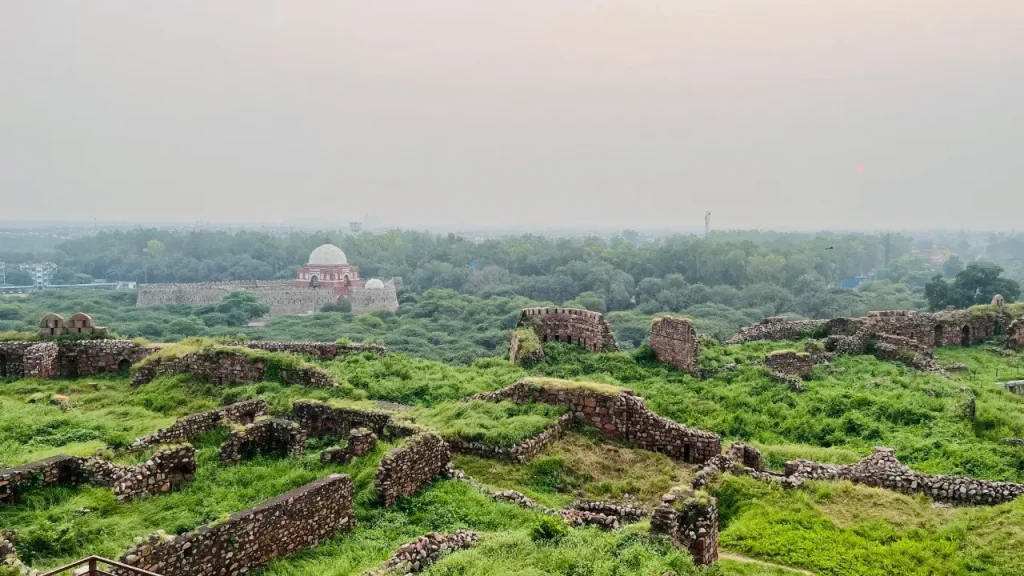
दिल्ली में स्थित तुगलकाबाद का किला कुतुब मीनार से महज 8 किलोमीटर की दूरी पर है, 1321 में यह किला ग़ियासुद्दीन तुगलक ने बनाया था, जो तुगलक वंश का संस्थापक था। यह फोर्ट कभी दिल्ली के तीसरे शहर का हिस्सा था, लेकिन 1327 में इसे छोड़ दिया गया। बताया जाता है कि यह किला 4 साल में बना था. आज भी इसका नाम आस-पास के रेजिडेंशियल और कमर्शियल क्षेत्रों के साथ जुड़ा हुआ है, जिसमें तुगलकाबाद इंस्टीट्यूशनल एरिया भी शामिल है।आज यह किला एक खंडहर के रूप में है, लेकिन फिर भी इसकी अच्छे से देख रेख करने की वजह से यहाँ आना पर्यटक काफी पसंद करते हैं। पर दूर-दूर तक फैले इन खँडहरों और ऊँची-ऊँची दीवारों के कारण आज भी इस किले की भव्यता और विशालता का अंदाज़ा लगाया जा सकता है. ग़ियासुद्दीन तुगलक ग़ियासुद्दीन तुगलक (या ग़ाज़ी मलिक) ने तुगलक वंश की शुरुआत की और 1320 से 1325 तक दिल्ली सल्तनत पर राज किया। उन्होंने दिल्ली के साउथ में तुगलकाबाद फोर्ट बनाया था ताकि मंगोल आक्रमणकारियों से अपने राज्य को सुरक्षित कर सकें। फोर्ट बनाने का उद्देश्य 13वीं शताब्दी के दौरान मंगोल आक्रमण काफी आम बात थी। ग़ियासुद्दीन तुगलक ने एक ऐसा किला बनाने का निर्णय लिया जो सल्तनत ऑफ़ दिल्ली को प्रबल रक्षा दे सके। इस किले के अंदर बुलंद दीवारें, बुर्ज और बस्तियों का निर्माण किया गया जो दुश्मनों के आक्रमण को रोकने के लिए थे। किले के अंदर रेजिडेंशियल और पैलेस एरिया भी बनाए गए, जहां राज-परिवार रह सके। एक बाँध भी बनवाया गया जो एक पास की नदी से पानी लेकर एक तालाब का काम करता था, जो किले की रक्षा के लिए भी उपयोगी था।(Tughlaqabad Fort) बेहतरीन वास्तुकला तुगलकाबाद फोर्ट अपने विशाल पत्थर की किलेबंदी के लिए मशहूर है जो पूरी सिटी को घेरती है। दीवारों की ऊंचाई 10 से 15 मीटर तक है, और 6.4 किमी की परिधि में यह किला फैला हुआ है। पहले 52 गेट्स इस किले में होते थे, लेकिन आज केवल 13 बचे हैं। इस किले के अंदर कई रेनवॉटर टैंक भी थे। किले का लेआउट एक हाफ-हैक्सागन आकार में है, और यह तीन मुख्य सेक्शन में विभाजित है: 1. सिटी एरिया:इसमें रेक्टैंगुलर ग्रिड में घर बने थे जो किले के गेट्स के बीच स्थित हैं। 2. सिटाडेल: यहां एक ऊँचा टॉवर है जिसे ‘बिजाई मंडल’ कहते हैं, और यहां कुछ हॉल्स और एक अंडरग्राउंड पैसेज भी बचा है। 3. पैलेस एरिया: यहां राज-परिवार के रहने के लिए महल बनाया गया था। लेकिन, जो चीज़ इस किले को और भी यूनिक बनाती है, वो है इस जगह का प्राकृतिक वातावरण। ठंडी-ठंडी हवाएं इस किले के अंदर चलती रहती हैं जो इस जगह को एक्सप्लोर करने का एक अल्टीमेट एक्सपीरियंस बनाती हैं। जब आप किले के ऊपर पहुंचते हो, तो हवा का एक अलग ही रूप महसूस होता है जो आपको पूरी सिटी का नज़ारा करवाता है। नीचे एक अमीना बाज़ार भी बनाया गया था, जो वहां के सैनिकों के लिए था। यहां एक *फांसी देने की जगह, एक मस्जिद, एक मक़बरा, और एक जगह है जहां राजा बैठा करते थे। ये सब चीज़ें इस किले को ऐतिहासिक महत्व के साथ स्पिरिचुअल और रॉयल एसेंस भी देती हैं। ग़ियासुद्दीन तुगलक का मक़बरा: लाल दीवारें और खूबसूरत डिटेलिंग तुगलकाबाद फोर्ट के सामने जो ग़ियासुद्दीन तुगलक का मक़बरा है, वो अपने आप में एक अद्भुत कला का नमूना है। बड़ी लाल दीवारों से घिरा हुआ यह मक़बरा अपनी डिटेलिंग के लिए प्रसिद्ध है। इस मक़बरे के अंदर की छोटी-छोटी नक्काशी और पैटर्न्स काफी इंट्रीकेटली बनाए गए हैं। इस लाल सैंडस्टोन और मार्बल से बने मक़बरे को देखने पर एक शानदार आर्किटेक्चरल क्रिएटिविटी का एहसास होता है। मक़बरे के अंदर घुसने पर आप एक स्पिरिचुअल शांति महसूस करते हो। इसके अंदर का काम इतना डेलिकेट है कि छोटी से छोटी चीज़ पर भी आपको मेहनत दिखाई देगी। इतनी फाइनली क्राफ़्टेड जाली वर्क और जियोमेट्रिकल पैटर्न्स आपको पुरानी दिल्ली की क्राफ्ट्समैनशिप की याद दिलाते हैं। मक़बरे तक पहुंचने के लिए एक *एलिवेटेड कॉज़वे* है जो किले से कनेक्टेड है, और यह स्ट्रक्चर अपने आप में एक आर्किटेक्चरल अचीवमेंट है। मक़बरा सिर्फ ग़ियासुद्दीन की याद नहीं है, बल्कि तुगलक वंश के ग्रैंड्योर और उस पीरियड की कला और सामाजिक सोच का एक जीवंत उदाहरण है। श्राप की कहानी इस किले के बारे में एक कहानी मशहूर हैं कि जब ग़ियासुद्दीन तुगलक ने तुगलकाबाद किले का निर्माण करना शुरू किया, तब हज़रत निज़ामुद्दीन औलिया अपनी ख़ानक़ाह में एक बाओली (स्टेपवेल) बनवा रहे थे। ग़ियासुद्दीन ने उनके काम को रोकने के लिए उन्हें तेल की सप्लाई बंद कर दी, जिससे उनका कार्य रुक गया। निज़ामुद्दीन औलिया ने गुस्से में तुगलकाबाद को श्राप दिया: “या तो यह जगह उजड़ जाएगी या इस पर गुज्जर बसेंगे।” कहते हैं कि जब ग़ियासुद्दीन बंगाल से जीत कर लौट रहे थे, तब उसकी मौत एक पविलियन गिरने से हो गई, जो उनके सम्मान में बनाया गया था। हज़रत निज़ामुद्दीन औलिया ने कहा था, “हुनूज़ दिल्ली दूर अस्त,” यानी “दिल्ली अभी दूर है,” और यह श्राप सच हो गया। हज़रत निज़ामुद्दीन औलिया हज़रत निज़ामुद्दीन औलिया एक बड़े सूफ़ी संत थे और उन्होंने सूफ़ी चिश्ती सिलसिले को प्रचलित किया। उन्होंने अपनी ज़िंदगी में सादगी और आध्यात्मिकता का पालन किया। उनके शिष्यों में प्रसिद्ध कवि *अमीर ख़ुसरो* भी थे। निज़ामुद्दीन का आश्रम एक आध्यात्मिक केंद्र था जहां हर जाति और धर्म के लोग आते थे। तुगलकाबाद फोर्ट मीडियवल इंडिया के आर्किटेक्चर का एक शानदार उदाहरण है और साथ ही यह एक श्रापित इतिहास को भी दर्शाता है। यह किला सिर्फ एक रक्षा का माध्यम नहीं था, बल्कि एक राजा के सपनों का किला था जो एक आध्यात्मिक और आर्किटेक्चरल लेगेसी को दर्शाता है। ठंडी हवाएं, ऊँची दीवारें, और इंट्रीकेट डिटेलिंग इस जगह को घूमने का एक परफेक्ट स्पॉट बनाते हैं। इस किले की कहानी हमारे इतिहास और सांस्कृतिक विरासत की एक अजीब और शानदार दास्तां है। Research by-Rakhi Mishra/Edited by- Pardeep Kumar

tea moments Delhi Food Review

Tea Moments: Satya Niketan’s Hidden Gem for Chai Lovers

  • 0 Comments

  In the bustling area of Satya Niketan, located near South Campus of Delhi University, students, faculty, and locals flock to enjoy vibrant youthful energy and a variety of cafes. While some spots steal the limelight, there’s a hidden gem that has quietly become a go-to place for tea lovers- Tea Moments.   Opened on April, 2023 , this rapidly growing cafe has quickly earned a loyal customer base. The cafe serves a wide variety of tea that have been meticulously prepared using hygienic, high-quality ingredients. Affordable Price With prices ranging from an unbelievably affordable from ₹12 to ₹25 , Tea Moments caters to everyone, from budget-conscious students to faculty members and even parents who want to enjoy a relaxing cup of chai.   What sets Tea Moments apart from the many other cafes in Satya Niketan is not just its affordability or the diverse range of teas but the welcoming atmosphere created by its friendly owner. His passion for tea and commitment to quality has resonated with the crowd. Umesh’s background, rooted in his father’s legacy (his father received a National Award for Handicrafts), reflects the dedication to craftsmanship and customer satisfaction, making every visit here feel personal and warm.  Despite starting small, Tea Moments has grown rapidly, thanks to its unbeatable combination of quality, hospitality, and affordability. The cozy environment adds to its charm, making it the perfect spot for anyone looking to spend some quality time, whether it’s catching up with friends, enjoying some alone time, or having a quick tea break between classes.  Tea Moments is also conveniently located at 1/334 Motibagh, a short distance from the bustling heart of Satya Niketan. It’s not just a place to grab tea, it’s a heaven for those who cherish authentic chai experiences at pocket-friendly prices.  Other Attractions nearby Besides the amazing tea,the café is close to several attractions:   1.)Motibagh Gurudwara : A beautiful Gurudwara located at just 500 metres away, attracting many religious visitors.   2.)Hostels and PGs : Due to nearby colleges,the area has plenty of accommodation options within walking distance.   3.) Nearby colleges: Major institutions like Sri Venkateshwara college, Atmaram sanatan dharma college, Ramlal Anand College, Maitreyi College,Jesus and Mary college and Aryabhatta college are all nearby making tea moments a go to place for students.  Satya Niketan is known for its vibrant café culture, sometimes called “café-lane” due to many cafes in this area.Despite the competition, Tea moments stands out with its affordable,high quality teas and cozy atmosphere,offering a unique experience that keeps people coming back.  So, if you find yourself in the Satya Niketan area, make sure to stop by Tea Moments. Whether you’re a student, professor, or simply someone who enjoys a good cup of tea, this place promises a delightful experience that keeps people coming back.  Nearest metro station:Durgabai Deshmukh metro station (Pink line and Airport expressway)  Distance from station: 200 metres  Come for the tea, stay for the moments.  Story by- Khushi Aggarwal/Edited by- Pardeep Kumar

Delhi Destination Travel

क़ुली खान का मकबरा– अंग्रेजों के ज़माने का पसंदीदा हनीमून डेस्टिनेशन

  • 0 Comments

पिछले साल अक्टूबर,2023 में दिल्ली के उपराज्यपाल वी.के. सक्सेना ने महरौली पुरातत्व पार्क के अंदर स्थित छह इमारतों  का जीर्णोद्धार के बाद उद्घाटन किया। इनमें से एक था कुली खान का मकबरा। दिल्ली के दक्षिण में स्थित महरौली पुरातत्विक उद्यान, क़ुतुब मीनार के पास फैला हुआ है। जैसे ही आप इसके अंदर प्रवेश करते हैं, दाईं ओर गुलाबों का एक बेहद खूबसूरत बगीचा नजर आता है और बाईं ओर हरे-भरे विशाल वृक्षों की हरियाली फैली रहती है। यह बगीचा ब्रिटिश काल में बनाया गया था। यहाँ बेहद खूबसूरत झील नजर आती है जिसे देखते ही सचमुच दिल बहुत प्रसन्न हो जाता है। शांतचित माहौल में पक्षियों की मधुर ध्वनि और झील में पानी पर पड़ती आसमान की परछाई को देखकर एकबार तो ऐसा लगेगा कि मानो जैसे आप जन्नत में आ गये हों। इस जगह को ‘बोट हाउस’ के नाम से भी जाना जाता है। कैफ़े स्टोन महरौली पार्क में आगे बढ़ते हुए, लगभग चार सौ मीटर चलने के बाद और कुछ सीढ़ियाँ चढ़ने के बाद सबसे पहले बेहद खूबसूरत तरीके से डिजाईन किया गया कैफ़े स्टोन दिखाई देता है. यह गोलाकार स्मारक के रूप में बना हुआ है,  जो शाम के समय रंग बिरंगी लाइट्स में और भी सुंदर दिखाई देता है। इस कैफ़े में आप दो जगहों पर बैठकर प्रकृति और इतिहास दोनों का खूब आनंद ले सकते हैं- एक कैफ़े के अंदर और दूसरा बाहर लॉन में पेड़ों के नीचे। कहा जाता है कि इस कैफ़े को किसी जमाने में मेहमानों के लिए डाइनिंग हॉल के तौर पर इस्तेमाल किया जाता था। यहां आपको हर तरह का लज़ीज़ खाना मिल जायेगा. यहाँ आप अपने दोस्तों और परिवार के साथ क्वालिटी टाइम बिता सकते हैं. दिल्ली में आपको इतनी शांत, एतिहासिक और हरियाली से संपन्न जगह शायद ही कहीं मिलें…. क़ुली ख़ाँ का मकबरा इस कैफ़े के सामने ही आपको क़ुली ख़ाँ का मकबरा दिखाई देगा. सफेद संगमरमर से बना यह मकबरा अपनी एक अनोखी पहचान रखता है। वैसे तो देश की राजधानी दिल्ली में बहुत से मशहूर और पुराने मकबरे हैं, इनमें से हम कुछ मकबरों के नाम से वाकिफ हैं, जो वक्त से साथ-साथ पर्यटकों के पसंदीदा स्थल भी बन गए हैं। और कुछ मकबरों के बारे में बहुत ही कम लोग जानते हैं. क़ुली ख़ाँ का मकबरा भी कोई बहुत ज्यादा फेमस नहीं है. शायद इसीलिए यहाँ आपको पर्यटकों की भीड़ दिखाई नहीं देगी. लेकिन इसमें कोई शक नहीं कि मुगलों द्वारा बनवाए गए मकबरे होते ही खास है, जिसकी खूबसूरती से कोई इंकार नहीं कर सकता। इस मकबरे का अंतिम मुगल शासक बहादुर शाह के शासन काल में पुनर्निर्माण करवाया गया था। यह वो दौर था जब देश में ब्रिटिश हुकूमत थी, उस वक्त यहां के गवर्नर जनरल थॉमस मेटकॉफ थे। दिलकुशा मतलब दिल की ख़ुशी कुली खान के लिए मकबरे का निर्माण 17वीं सदी की शुरुआत में किया गया था। कुली खान अधम खान के भाई थे, जो मुगल सम्राट अकबर की आया महम अंगा के बेटे थे। मुख्यतः इस मकबरे को प्लास्टर से सजाया गया था। बाद में मेटकाफ ने लगभग 1853 में इसे एक रेजीडेंसी एरिया में बदल दिया था। इस पर गर्मियों के विश्राम स्थल में बदलने के लिए विक्टोरियन काल में मेटकॉफ ने बहुत ही विस्तृत रूप से काम करवाया था. मकबरे के चारों ओर के घेरे को छतों, जलकुंडों(झीलों) और मंडपों के साथ एक बगीचे में बदल दिया,  और नाम रखा गया था “दिलकुशा” या “हार्ट्स डिलाइट”- जिसका मतलब था दिल की खुशी। एक शिलालेख (गैलरी में पट्टिका की तस्वीर) से पता चलता है कि मेटकाफ ने इस घर को हनीमून मनाने वाले जोड़ों को किराए पर दिया था। क्योंकि यहाँ से कुतुबमीनार के विहंगम दृश्य दिखाई देते हैं. मकबरे की वास्तुकला कुली खान का यह मकबरा एक ऊंचे चबूतरे पर बनाया गया है, जो बाहर से त्रिकोण के शेप में है। मकबरे के मुख्यद्वार पर फारसी में कुरान की आयतें लिखीं हुई थीं, जो वक़्त के साथ लगभग अब धूमिल हो गई हैं। चबूतरे का व्यास लगभग 32.5 मीटर है और इसमें पाँच सीढ़ियाँ शामिल हैं, हालाँकि यह स्पष्ट नहीं है कि संरचना में कौन सी सीढ़ियाँ वास्तविक समय की हैं। क्योंकि मकबरे पर बाद में निर्माण कार्य किया गया. मकबरा खुद भी अष्टकोणीय है, जिसकी चौड़ाई 14 मीटर से थोड़ी ज़्यादा है, जिसमें प्रत्येक तरफ़ लगभग 6.3 मीटर का एक केंद्रीय चौकोर कक्ष है। यह संरचना अष्टकोणीय है। मकबरे की बाहरी दीवारों पर गचकारी प्लास्टर के डिजाइन बने हैं, जो कि फारसी आर्ट है। इसमें बारीकी से किया गया काम देखने लायक है। इसे बनाने के लिए नीले, हरे और पीले रंगों के चमकदार टाइल्स लगाए गए। कुल मिलाकर कहा जा सकता है कि यह मकबरा मुग़ल वास्तुकला का एक बेहतरीन नमूना है। सबसे शानदार और बारीक़ सजावट आंतरिक भाग के चार मेहराबदार प्रवेश द्वारों के आसपास की गई। प्रत्येक मेहराब के किनारे बेहद बारीक़ सुलेखित पट्टियाँ थीं, और मेहराबों और उनके आयताकार फ्रेम के बीच के रिक्त स्थान, ज्यामितीय पैटर्न या अरबी शिलालेखों वाले गोलाकार पदकों से सजाए गए थे। बाहरी आयताकार पट्टियों के चारों ओर विभिन्न रंगों में ज्यामितीय टाइलें लगी हुई थीं, दुर्भाग्य से, इनमें से अधिकांश टाइलें टूट गई हैं, और जो कुछ बची हैं वे बहुत घिस गई हैं, जिनमें से अब अधिकांश को फिर से उसी अंदाज़ में डेकोरेट किया गया है. आप जब इस मकबरे में जायेंगे तो आपको दिखेगा कि उसी जटिल कलाकारी को उम्दा तरीके से पुनर्जीवित किया गया है. अपने अनुभव के आधार पर हम कह सकते हैं की यह स्थान अपने आप में उन लोगों के लिए सच में अद्भुत है जो इतिहास के साथ-साथ प्रकृति प्रेमी भी हैं। आपको यहाँ से क़ुतुब मीनार भी नजर आएगा। यहाँ एक बड़ा लॉन भी बना हुआ है, जहाँ आप घंटों बिना किसी शोर-शराबे के बैठ सकते हैं। बेहद इत्मिनान से हरी घास पर बैठकर खुद को कुछ समय देना ऐसा लगता है जैसे पूरी दुनिया की थकान मिट गई हो। लेखको के लिए यह जगह ज़न्नत से कम नहीं. अगर आप इस स्थान का पूरा आनंद लेना चाहते हैं, तो हमारी सलाह होगी कि आप हमेशा आरामदायक जूते या चप्पल पहनकर आएं, ताकि बिना किसी असुविधा के यहाँ का आनंद

amrit udhyan Delhi Destination Lifestyle

अमृत उद्यान(Amrit Udyan)- यहाँ के प्राकृतिक नज़ारे आप का मन मोह लेंगे

  • 0 Comments

अंदर जाने के लिए आपको पहले से ऑनलाइन रजिस्ट्रेशन कराना होगा। यहाँ प्रवेश सभी के लिए पूरी तरह निशुल्क है। सुरक्षा के दो स्तर पार करने के बाद, जब आप अंदर पहुंचते हैं, तो सबसे पहले जो चीज़ आपको आकर्षित करती है, वह है ‘प्रणब मुखर्जी लाइब्रेरी’, जो सफेद रंग में सजी है। इसे देखकर ऐसा लगता है मानो एक सफेद हंस अपनी सुंदरता का प्रदर्शन कर रहा हो। यह एक पब्लिक लाइब्रेरी है और बुक लवर्स के लिए अद्भुत स्थान है। जैसे ही आप आगे बढ़ते हैं, ‘अमृत उद्यान’ दिखाई देता है, जो 15 एकड़ में फैला हुआ है। अगर आप बच्चों के साथ आए हैं, तो यह उनके लिए एक बेहतरीन जगह है। यहाँ एक विशेष ‘बाल वाटिका’ है, जिसमें 225 साल पुराना शीशम का पेड़ भी है। यह पेड़ अपने मधुर अनुभवों को बच्चों के साथ साझा करता है, जैसे कि एक कहानी सुनाने वाला दादी का प्यारा किस्सा। बच्चों के लिए यहाँ म्यूजिकल फाउंटेन और जगह जगह पक्षियों की रेप्लिका भी बनाई गई है। अमृत उद्यान: भारत की सांस्कृतिक और प्राकृतिक धरोहर दिल्ली में स्थित अमृत उद्यान, जिसे पहले ‘मुगल गार्डन’ के नाम से जाना जाता था, भारत के सबसे प्रतिष्ठित और ऐतिहासिक स्थलों में से एक है। यहाँ की हरियाली और सुंदरता अद्भुत है, जो भारत की समृद्ध सांस्कृतिक धरोहर का प्रतीक है। वर्ष 2023 में इसे आधिकारिक रूप से ‘अमृत उद्यान’ नाम दिया गया, जो भारत की स्वतंत्रता के 75 वर्षों के उपलक्ष्य में मनाए जा रहे ‘अमृत महोत्सव’ का हिस्सा है। अमृत उद्यान की खासियत अमृत उद्यान की डिज़ाइन पारंपरिक मुगल बागवानी कला से प्रेरित है और यह 1931 में सर एडविन लुटियन्स द्वारा डिज़ाइन किया गया था। इस उद्यान को चार हिस्सों में बांटा गया है – ईस्ट लॉन, सेंट्रल लॉन, लॉन्ग गार्डन और सर्कुलर गार्डन. इस उद्यान में स्थित रोज गार्डन यहाँ की सबसे बड़ी विशेषता है। यहां 150 से अधिक विभिन्न प्रकार के गुलाब हैं। इसके अलावा, आप यहाँ ट्यूलिप्स, डहलिया और मैरीगोल्ड जैसे कई अन्य फूल भी देख सकते हैं। गुलाबों के अलावा, यहां माली जूता (Shoestring Acacia) और गोल्डन रेन ट्री भी पर्यटकों को अपनी ओर आकर्षित करते हैं। वार्षिक फूलों की प्रदर्शनी अमृत उद्यान में हर साल फरवरी-मार्च में फूलों की प्रदर्शनी का आयोजन किया जाता है। यह वह समय होता है जब पूरा उद्यान रंग-बिरंगे फूलों से भर जाता है। प्रदर्शनी के दौरान, यहाँ बोंसाई गार्डन, हर्बल गार्डन और कैक्टस गार्डन भी देखने को मिलते हैं। प्रकृति प्रेमियों के लिए यह समय बहुत ही खास होता है, क्योंकि यहाँ की सुंदरता और विविधता मन को मोह लेती है। राष्ट्रपति भवन घूमने की सोच रहे हैं, तो यहां आने से पहले कुछ बातें ध्यान में रखें। यहाँ आप अपने साथ पानी की बोतल और छतरी लेकर आ सकते हैं, लेकिन बैग, चार्जर या पावर बैंक जैसी चीजें अंदर नहीं ले जा सकते। इन्हें जमा करने के लिए आपको लंबी कतार का सामना करना पड़ सकता है, इसलिए इन्हें साथ लाने से बचें। खाने का सामान भी अंदर ले जाना मना है, लेकिन चिंता न करें, अंदर एक बहुत अच्छा फूड कोर्ट उपलब्ध है। कैसे पहुंचें अमृत उद्यान? अमृत उद्यान, दिल्ली के राष्ट्रपति भवन परिसर में स्थित है। यह नई दिल्ली रेलवे स्टेशन से लगभग 8 किलोमीटर और इंदिरा गांधी अंतर्राष्ट्रीय हवाई अड्डे से लगभग 15 किलोमीटर दूर है। यहाँ पहुंचने के कुछ आसान विकल्प: मेट्रो: निकटतम मेट्रो स्टेशन ‘सेंट्रल सेक्रेटेरिएट’ है, जो येलो लाइन और वायलेट लाइन से जुड़ा हुआ है। मेट्रो स्टेशन से उद्यान तक की दूरी केवल 2 किलोमीटर है, जिसे आप रिक्शा या ऑटो से तय कर सकते हैं। बस: दिल्ली परिवहन निगम (DTC) की कई बसें राष्ट्रपति भवन तक जाती हैं। आप कनॉट प्लेस, आईटीओ, या इंडिया गेट से बस लेकर यहाँ आसानी से पहुँच सकते हैं। कैब या प्राइवेट वाहन: ओला, उबर जैसी सेवाओं का उपयोग कर सकते हैं। यदि आप अपनी गाड़ी से आ रहे हैं, तो पार्किंग की सुविधा भी उपलब्ध है। लेकिन अंदर प्रवेश के लिए पहले से अनुमति प्राप्त कर लें। अमृत उद्यान की यात्रा के लिए सुझाव सबसे अच्छा समय: फरवरी-मार्च के बीच का समय यहाँ घूमने के लिए सबसे उपयुक्त है। क्योंकि इस समय न ही उमस होती है और न ही कड़ाके की ठण्ड। ऑनलाइन रजिस्ट्रेशन: यात्रा से पहले अपने टिकट को ऑनलाइन बुक करें। आरामदायक जूते पहनें: उद्यान बड़ा है, इसलिए आरामदायक जूते पहनें। फोटोग्राफी: यहाँ फोटोग्राफी की अनुमति है, इसलिए अपने कैमरे से खूबसूरत यादें संजो सकते हैं। अमृत उद्यान का ऐतिहासिक महत्व जब अंग्रेजों ने कलकत्ता से बदलकर अपनी राजधानी दिल्ली शिफ्ट की। उस समय वायसरॉय के रहने के लिए दिल्ली में रायसीना की पहाड़ियों को काटकर वायसराय हाउस बनाया गया था। जिसे आजकल राष्ट्रपति भवन के नाम से जाना जाता है। अमृत उद्यान का निर्माण 1928-1929 में ब्रिटिश आर्किटेक्ट सर एडविन लुटियन्स द्वारा किया गया था। पहले इसे मुगल गार्डन के नाम से जाना जाता था, क्योंकि इसका डिज़ाइन मुगल बागवानी शैली से प्रेरित था। लुटियंस ने इसको इस तरह बनाया था कि इसमें ब्रिटिश और इस्लामिक दोनों विरासतों की झलक दिखाई दें। इसका डिजाईन ताजमहल के बगीचों और देश में मुगलों के द्वारा बनाये गए चार बाग शैली से प्रेरित है। जिस कारण बनने के बाद इसका नाम मुग़ल गार्डन रखा गया। यह सिर्फ एक साधारण उद्यान नहीं है, बल्कि भारत के शाही इतिहास का भी हिस्सा है। यहाँ की हरियाली और शांत वातावरण ने इसे राजनयिक गतिविधियों और सांस्कृतिक आदान-प्रदान का एक महत्वपूर्ण स्थल बना दिया है। क्यों जाएं अमृत उद्यान? यदि आप दिल्ली में हैं और प्रकृति के साथ एक दिन बिताना चाहते हैं, तो अमृत उद्यान से बेहतर जगह कोई नहीं हो सकती। अगली बार जब आप दिल्ली में हों, तो इस अद्भुत स्थल की सैर अवश्य करें। Written by- Rakhi Mishra/Edited by- Pardeep Kumar Some glimpse of Amrit Udyan-