




Culture Lifestyle

Growing Gardening: Cultivating Food in City Spaces

  • 0 Comments

In the face of rising urbanization, climate change, food insecurity, and the disconnection between people and the origins of their food, a quiet revolution is sprouting in cities around the world—urban gardening. Often overlooked, the simple act of growing your own food in a city space is powerful. It’s a step toward self-sufficiency, sustainability, better nutrition, and community resilience. This blog explores the phenomenon of growing food in city spaces—what it means, why it matters, and how you can be a part of it. What is Urban Gardening? Urban gardening is the practice of producing fruits, vegetables, and herbs within a city. It is cultivating plants on your balcony, rooftop, backyard, community garden, or even windowsill, brining agriculture into the concrete jungles of our cities. Urban gardening can take many forms: Container gardening: Using pots, barrels, or recycled materials to grow plants in small areas. Vertical gardening: Utilizing walls or hanging structures to grow plants upward. Rooftop gardening: Making use of flat roofs for planting, often turning them into green oases. Hydroponics and aquaponics: Growing plants in water with or without fish, using nutrient-rich solutions instead of soil. Community gardening: Shared spaces where neighborhoods cultivate produce collectively. Why Grow Food in Cities? Food Security Cities depend mostly on outside food supplies. Disruptions in transportation or supply lines—because of pandemics, climate emergencies, or geopolitical tensions—can cause shortages or increases in cost. Urban gardening makes one less dependent and gives a secure, local food source. Freshness and Nutrition Homegrown produce tastes fresher and has much more nutrient retention than store-bought, perhaps from hundreds of miles away. Urban gardening helps consumers eat more fruits and vegetables and improve their overall health. Environmental Impact Transporting food over long distances contributes to carbon emissions. By growing food locally, city dwellers reduce their carbon footprint, minimize packaging waste, and help build greener neighborhoods. Plants also improve air quality and cool urban heat islands. Mental and Physical Wellbeing Gardening is therapeutic. It reduces stress, encourages physical activity, and provides a sense of purpose. It can be particularly beneficial in densely populated, high-stress urban environments. Educational Value Urban gardens serve as excellent tools for learning—about biology, sustainability, healthy eating, and self-reliance. Schools, universities, and community centers increasingly integrate gardening into their curriculums and programs. Getting Started: Growing Food in Your City Space Assess Your Space Whether you live in a high-rise apartment or a house with a backyard, there’s always potential for gardening: Balconies: Great for container gardening with sunlight-loving herbs like basil or cherry tomatoes. Windowsills: Ideal for pots of herbs such as mint, thyme, or green onions. Backyards: Where possible, you can have raised beds or simply plant in the ground. Rooftops: These need planning but are ideal for full vegetable gardens or micro-farms. Vertical walls: Fit vertical planters or hanging baskets to make full use of space. Select the Right Plants Begin small with simple crops. Your options should be based on sunlight available, pot size, and climate: Leafy greens: Lettuce, spinach, kale—quickly growing and ideal for dappled sunlight. Herbs: Basil, parsley, mint, coriander—well-suited for pots and utilized in everyday cooking. Root vegetables: Radishes, carrots, beets—can be cultivated in deeper pots. Tomatoes and peppers: Require sunlight and support, but are well worth the effort. Climbers: Beans, gourds, and cucumbers thrive on vertical space. Soil, Water, and Sunlight Urban gardening can’t always provide the perfect natural conditions, but with some hacks, you can make your garden flourish: Soil: Apply top-notch potting mix or create your own compost. Add organic matter. Water: Plants in pots dry out quickly. Try using self-watering pots or fit a drip irrigation system. Harvest rainwater if you can. Sunlight: Most vegetables require 6–8 hours of sunlight. Observe sunlight patterns and place plants accordingly. In low-light areas, use shade-tolerant crops or supplement with grow lights. Pest and Disease Control Urban gardens are not pest-proof. However, you can undertake organic and sustainable pest control: Companion planting (e.g., marigold to deter pests) Neem oil or soap sprays Hand-picking pests Encouraging beneficial insects such as ladybugs Recycle and Reuse Urban gardening promotes sustainability: Use old buckets, plastic bottles, or tin cans as planters. Compost your kitchen waste to create natural fertilizer. Repurpose wooden crates or broken furniture for raised beds. Success Stories from Around the World Cuba’s Urban Agriculture Revolution Following the collapse of the Soviet Union, Cuba faced food shortages. The government encouraged organic urban agriculture, leading to the rise of “organopónicos”—urban farms. Today, Havana produces a significant portion of its own food locally. Rooftop Gardens in New York City NYC’s Gotham Greens runs rooftop greenhouses that grow fresh greens year-round using hydroponics. Their urban farms reduce food miles and supply local supermarkets and restaurants. Delhi’s Terrace Garden Movement In India, cities like Delhi, Mumbai, and Bengaluru are seeing a surge in homegrown produce. Influencers and workshops are popularizing terrace gardening, and many households now grow seasonal vegetables and herbs. Detroit’s Community Gardens Detroit, once known for its abandoned lots, has transformed many of them into community gardens. Urban farming has provided residents with jobs, improved nutrition, and revived neglected areas. Common Challenges (And How to Overcome Them) Limited Space Use vertical gardens, wall planters, and stackable containers. Choose compact, high-yielding crops. Pollution Use barriers like mesh, choose hardy plants, and wash produce thoroughly. Indoor growing or greenhouses can also help. Time Constraints This means opting for low-maintenance plants and self-watering systems. Even 15 minutes a day makes all the difference. Initial Investment Use recycled containers and compost first. The savings from fresh produce outweigh costs over time. Advanced Techniques of Urban Gardening Hydroponics A method of growing plants in water rich with nutrients, minus soil. Hydroponic systems can be compact and perfect for indoor spaces or rooftops. Aquaponics Combining aquaculture (raising fish) with hydroponics. Fish waste fertilizes the plants, and the plants clean the water for the fish. Microgreens Quick to grow, highly nutritious, and require minimal space. These are young seedlings of vegetables like radish, mustard, or sunflower. Smart Gardening Tools Use
Best of My Blogs Destination Travel Uttarakhand

पहाड़ों की रानी मसूरी: जहाँ वादियाँ दिल के हाल सुनाती हैं

  • 0 Comments

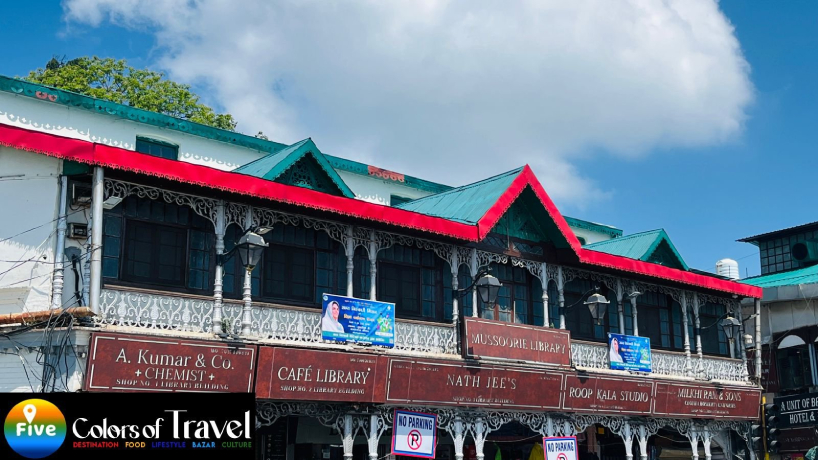
धुंध में लिपटी वो सुबह की वादियाँ,बोलती नहीं… पर सब कुछ कह जाती हैं।हर मोड़ पर रुकी हुई सी एक कहानी,यहाँ की हवा भी जैसे गीत सुनाती है।हाँ, मसूरी, सिर्फ़ एक जगह नहीं,बल्कि जिन्दादिली से भरी एक नज़्म है जो बस दिल में उतर जाती है… मसूरी की गलियों में टहलिए, झीलों में अपना अक्स देखिए, और हर सांस में पहाड़ों की ताजगी भर लीजिए। चाहे आप फैमिली ट्रिप पर हों या रोमांटिक हनीमून पर, मसूरी हर किसी के लिए कुछ न कुछ खास ज़रूर लेकर आती है। उत्तराखंड की वो पहाड़ों की रानी जो हर मौसम में दिल चुरा लेती है।हिमालय की वादियों में बसा यह हिल स्टेशन ना सिर्फ प्राकृतिक सौंदर्य का खज़ाना है, बल्कि सुकून, रोमांच और रोमांस का अद्वितीय संगम भी है। अगर आप भारत के बेस्ट हिल स्टेशनों में छुट्टियाँ बिताने की योजना बना रहे हैं, तो मसूरी को ज़रूर आपकी ट्रैवल सूची में होना चाहिए।मसूरी उत्तराखंड राज्य के देहरादून जिले में स्थित है और समुद्र तल से लगभग 2,000 मीटर की ऊँचाई पर बसा है। यह देहरादून से केवल 35 किलोमीटर की दूरी पर है और यहाँ सड़क मार्ग से आराम से पहुँचा जा सकता है। मसूरी में घूमने की जगहें | Top Places to Visit in Mussoorie केम्पटी फॉल्स (Kempty Falls) मसूरी का सबसे लोकप्रिय झरनामसूरी की खूबसूरती में चार चाँद लगाने वाला स्थान है केम्पटी फॉल्स, जो ना सिर्फ प्राकृतिक सौंदर्य का अद्भुत उदाहरण है, बल्कि यहां हर साल लाखों पर्यटक अपनी यादों में एक ठंडी, झरने से भीगी छाप ले जाते हैं। हरियाली के बीच गिरते झरने की आवाज़ आपके दिल को सुकून देगी। यहाँ आप नहाने और पिकनिक का मजा ले सकते हैं।केम्पटी फॉल्स, मसूरी से लगभग 12 किलोमीटर दूर यमुनोत्री रोड पर स्थित है। गन हिल पॉइंट (Gun Hill Point) मसूरी की सबसे प्रसिद्ध और ऊँची जगहों में से एक है गन हिल पॉइंट (Gun Hill Point)। यह स्थान केवल एक व्यू पॉइंट नहीं, बल्कि एक ऐतिहासिक धरोहर, रोमांच और प्रकृति प्रेमियों के लिए एक स्वर्ग है। अगर आप मसूरी के बेस्ट व्यू पॉइंट्स खोज रहे हैं, तो गन हिल पॉइंट आपकी सूची में सबसे ऊपर होना चाहिए। मसूरी का दूसरा सबसे ऊँचा स्थान, जहाँ से आपको हिमालय की बर्फीली चोटियाँ साफ़ दिखाई देंगी। यहाँ आप केबल कार की सवारी करना ना भूलें।गन हिल का नाम एक समय की ब्रिटिश सैन्य परंपरा से जुड़ा है। कहा जाता है कि अंग्रेजी शासन काल में हर दिन दोपहर को एक तोप (Gun) दागी जाती थी, जिससे लोग अपने घड़ियों का समय मिला सकें। तभी से इस जगह का नाम पड़ा गन हिल।यह मसूरी के मॉल रोड से लगभग 400 फीट ऊपर स्थित है। आप यहां पैदल ट्रेक करते हुए या केबल कार (Ropeway) से पहुंच सकते हैं, जो लिबरटी चौक से शुरू होती है। मॉल रोड (Mall Road) मॉल रोड मसूरी का वो हिस्सा है जो हर यात्री के दिल को छू लेता है। ये सड़क सिर्फ चलने का रास्ता नहीं, बल्कि मसूरी के इतिहास, संस्कृति, स्वाद और शॉपिंग का सबसे जीवंत केन्द्र है। शॉपिंग, लोकल स्ट्रीट फूड और झील के किनारे टहलने का परफेक्ट कॉम्बिनेशन है यह जगह। मॉल रोड, मसूरी का धड़कता हुआ दिल है, जहाँ हर कदम पर एक नई कहानी, एक नया स्वाद और एक नई याद मिलती है।यह जगह यात्रियों को अपने जीवन की रफ्तार से हटाकर कुछ देर के लिए ठहरने, देखने, महसूस करने और मुस्कुराने का मौका देती है। “मसूरी की रूह अगर कहीं बसती है, तो वो है – मॉल रोड पर, जहाँ हर शाम एक उत्सव सी लगती है।”सड़क के किनारे बने बेंचों से वादियों और घाटियों का नज़ारा ले सकते हैं। सूर्यास्त के समय का दृश्य खास तौर पर मनमोहक होता है। यहां का ब्रिटिश-कालीन लैंप पोस्ट और पैदल पथ फोटोग्राफी के लिए परफेक्ट हैं।मॉल रोड मसूरी के लाइब्रेरी चौक (Library Chowk) से शुरू होकर पिक्चर पैलेस तक फैला हुआ है। यह मसूरी की मुख्य सड़क है, जो स्थानीय जीवन और पर्यटक गतिविधियों का केन्द्र मानी जाती है। लाल टिब्बा (Lal Tibba) लाल टिब्बा (Lal Tibba) मसूरी का सबसे ऊँचा और सबसे शांत व्यू पॉइंट है, जहाँ से आप हिमालय की बर्फ़ीली चोटियों को अपनी आंखों के सामने महसूस कर सकते हैं। ये वो जगह है जहाँ नज़ारा सिर्फ “देखा” नहीं जाता, बल्कि जिया जाता है। लाल टिब्बा मसूरी के लैंडौर क्षेत्र में स्थित है। यह जगह फोटोग्राफरों के लिए स्वर्ग है। टेलिस्कोप से आप केदारनाथ और बद्रीनाथ की पहाड़ियों को देख सकते हैं।यहां शोरगुल बहुत कम होता है, जो इसे मेडिटेशन और रिलैक्सेशन के लिए आदर्श बनाता है।पक्षियों की चहचहाहट, देवदार और बुरांश के वृक्षों की भीनी भीनी खुशबू यहाँ के माहौल को खुशनुमा बनाने के लिए काफी है. मसूरी झील (Mussoorie Lake) मसूरी झील एक कृत्रिम लेकिन बेहद सुंदर झील है, जो मसूरी की प्राकृतिक सुंदरता और सुकून भरे पलों का संगम है। यह झील परिवार, कपल्स और दोस्तों के साथ समय बिताने के लिए एक आदर्श स्थान है, जहाँ झील के शांत पानी में नौका विहार (boating) और चारों ओर पहाड़ियों की हरियाली आपका स्वागत करती है। मसूरी झील मसूरी-देहरादून मार्ग पर स्थित है। यह मसूरी से लगभग 6 किलोमीटर पहले स्थित है – यानी देहरादून से मसूरी आते समय रास्ते में ही।झील में पेडल बोटिंग और फैमिली बोट राइड्स उपलब्ध हैं। झील के चारों ओर खूबसूरत पहाड़ियाँ, ठंडी हवा और झील में तैरती नावें आपको रोमांच से भरने के लिए काफी हैं. क्राइस्ट चर्च (Christ Church) मसूरी सिर्फ पहाड़ों, झीलों और बाजारों की नगरी नहीं है — यह एक सांस्कृतिक और धार्मिक विरासत भी समेटे हुए है। यहाँ की पुरानी गॉथिक स्टाइल चर्च न सिर्फ आस्था का केंद्र हैं, बल्कि अंग्रेज़ी शासनकाल की वास्तुकला और इतिहास की अनमोल धरोहर भी हैं।यह मॉल रोड के पास, कासल हिल में स्थित है. इसकी स्थापना वर्ष 1836 में हुई थी.यह उत्तर भारत की सबसे पुरानी प्रोटेस्टेंट चर्चों में से एक है. मसूरी में खाने की खास चीज़ें • तिब्बती मोमोज़• गरमा-गरम कॉर्नर कॉफी• मैगी प्वाइंट्स पर पहाड़ी स्टाइल मैगी• बेकरीज़ में बन और पेस्ट्रीज़ मसूरी में कहाँ ठहरें? | Best Hotels in Mussoorie मसूरी में ठहरने के लिए आपको हर तरह के विकल्प मिलते हैं – बजट फ्रेंडली होमस्टे

Lifestyle Travel

Zero waste Living: Practical Tips For Everyday Life

  • 0 Comments

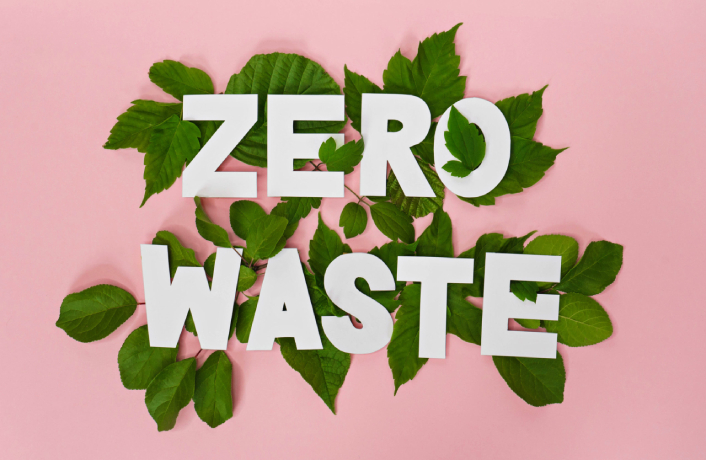
As landfills become fuller and pollution increases, the approach of “living zero waste” has become popular due to the environmental footprint it helps reduce, but what does the term “Zero Waste” actually mean? Zero Waste does not mean completely avoiding trash—it means minimizing waste as much as possible by changing lifestyle habits and rethinking convenience to sustainability. Here are a few tips and tricks to help you get started and surely, you will adopt them today. Refuse What You Don’t NeedThe next time someone offers you a plastic straw, flyer, or packaging, you should ask yourself: What will I do with this and will I need it? Refuse becomes the first stage in eliminating waste. During the sourcing stage of a specific item, if you refuse, it has the greatest impact. Carry ReusablesMake it a habit to keep a zero waste kit that includes: -Bamboo or Steel cutlery -reusable water containers -Cloth shopping bags-food containers-reusable straws-reusable cups These small act will help drastically reduce the use of single-use plastic. Select Unpackaged and Purchase in Bulk Purchase grains, pulses, and snacks in bulk using your own containers or cloth bags at nearby stores. Choose unpackaged produce over plastic-wrapped fruits and vegetables. Compost Organic Waste A significant amount of household waste consists of garden waste and food scraps. Install a small compost bin at home or see if there are any community composting programs available in your city. Natural Products and Do-It-Yourself Items Swap out chemical-laden products for eco-friendly or homemade alternatives: For cleaning, use vinegar and baking soda. Try toothpaste tablets and shampoo bars. Create your own deodorants and body scrubs. You and the environment are safer with these! Rethink Fashion Flat fashion is a major waste generator.Rather,Buy less,choose qualityThrift or swap clothesRepair before replacing Offer Low-Waste , Thoughtful Presents don’t need to be wrapped in paper and plastic:Give experiences such as workshops or trips. Present homemade treats. Wrap gifts in cloth or newspaper “Engage in Conscientious Consumption Zero waste and minimalism go hand in hand.” Am I acting on impulse or do I actually need this item?” Money and resources are saved when one is mindful. Conclusion: Progress, not perfection, is the goal of zero waste living. Every action you take, no matter how small, has an impact. Start with one habit, stick with it, and see how your lifestyle changes into something more fulfilling and sustainable. Are you prepared to adopt a zero-waste lifestyle? Begin now. Because the planet needs millions of people doing zero waste imperfectly, not just a select few doing it flawlessly. Written by- Khushi Agarwal

Bazar Lifestyle Review

लोकल मार्केट vs सुपर मार्केट – असली स्वाद कहाँ?

  • 0 Comments

“असली स्वाद कहाँ है?” ये सवाल जितना सीधा लगता है, इसका जवाब उतना ही गहराई से हमारे खानपान, संस्कृति और जीवनशैली से जुड़ा हुआ है। हम में से अधिकतर लोग जब भी किसी यात्रा पर निकलते हैं तब अक्सर दो विकल्पों के बीच झूलते रहते हैं। एक ओर चमचमाते सुपरमार्केट्स हैं जहाँ सब कुछ पैक्ड, प्रोसेस्ड और ब्रांडेड होता है, और दूसरी ओर लोकल बाजार हैं – जीवन से भरपूर, मौलिकता और ताजगी से लबरेज़। किसी भी यात्रा का सबसे महत्वपूर्ण भाग होता है – ख़ानपान, जो कि सीधा सीधा बाज़ार से जुड़ा होता है।फाइव कलर्स ऑफ़ ट्रैवल के इस ब्लॉग में हम दोनों की तुलना करेंगे स्वाद, अनुभव, विश्वसनीयता और संस्कृति के आधार पर, और जानने की कोशिश करेंगे – दरअसल असली स्वाद कहाँ छुपा है? ताजगी(freshness)बनाम प्रस्तुति(presentation)– क्या दिखता है वही असली होता है? लोकल मार्केट में सब्जियाँ और फल अक्सर सुबह-सवेरे खेतों से सीधे आते हैं। उन पर मिट्टी की हल्की परत, कभी-कभी कुछ निशान, और प्राकृतिक गंध – ये सब मिलकर हमें याद दिलाते हैं, कि ये भोजन धरती से जुड़ा है। केमिकल रहित है ।वहीं सुपरमार्केट में वही टमाटर या सेब खूबसूरत पैकिंग में, वैक्सिंग के बाद रखे होते हैं – वे एक जैसे दिखते हैं, पर स्वाद में वो मिट्टी की सोंधी खुशबू नहीं होती। बातचीत का स्वाद – सौदा नहीं, संवाद होता है लोकल बाजार में एक खास सामाजिक जुड़ाव होता है। सब्ज़ी वाले चाचा का “बहनजी आज की लौकी तो बिलकुल बाग़ की है” कहना, या फल वाले से “थोड़ा और मीठा दे दो” की सौदेबाज़ी – ये सब बाजार को बाजार नहीं, रिश्तों की मंडी बनाते हैं। एक यात्री के लिए वहाँ के लॉकल्स से जुड़ने का सीधा जरिया।सुपरमार्केट में आप मशीन से बिल लेते हैं, कार्ड स्वाइप करते हैं और निकल जाते हैं – कोई रिश्ता नहीं, कोई संवाद नहीं। जिंदगी जैसे एक मशीन हो। कीमत(Price)और पारदर्शिता(Transparency) – सस्ता कहाँ, सही कहाँ? लोकल मार्केट में मोलभाव की गुंजाइश होती है, लेकिन साथ ही आपको यह भी पता होता है कि टमाटर किस गाँव से आया, कौन किसान है। आप कभी-कभी सीधे उत्पादक से खरीद रहे होते हैं।सुपरमार्केट में आपको फिक्स प्राइस और चमकदार टैग मिलते हैं – लेकिन उस पर छपी एक्सपायरी और पैकिंग डेट पर आंख मूँद कर भरोसा करना पड़ता है। स्वाद(Taste)और स्थानीयता(Regional)– देसी ज़ुबान की पहचान लोकल बाजारों में आपको मौसमी और स्थानीय चीज़ें आसानी से मिलती हैं – कच्चे आम की खटास, सहजन की फली, ताज़ी हल्दी या रामदाना – जिनका स्वाद दादी की रसोई से जुड़ा है।सुपरमार्केट्स में ‘इंटरनेशनल किचन’ का स्वाद तो होता है, पर वो लोकल ज़ुबान की पहचान धीरे-धीरे मिटा देता है। सुविधा(Comfort) बनाम समझदारी(Intelligence)– क्या सचमुच सुपरमार्केट सुविधाजनक है? सुपरमार्केट में एसी चलता है, ट्रॉली मिलती है, और एक छत के नीचे सब कुछ – ये सब सुविधाजनक है, पर कई बार यह आपको ज़रूरत से ज़्यादा खरीदवा देता है। बजट होता है कम खर्च हो जाता है ज़्यादा।लोकल बाजार में आप समय लेते हैं, हर चीज़ छूकर, परखकर खरीदते हैं – वहाँ उपभोक्ता भी जागरूक होता है, और चुनाव भी समझदारी से करता है। तो फिर – असली स्वाद कहाँ है?“असली स्वाद मिट्टी में है, मौसम में है, उस विक्रेता की मुस्कान में है जो कहता है – आज ये आम देख लीजिए, अपने ही बाग से तोड़ा है, एकदम ताजा और मीठा, खाएँगे तो कई दिन तक याद रखेंगे।” सुपरमार्केट्स की भूमिका आधुनिक जीवन में जरूरी है, लेकिन अगर आप स्वाद, ताजगी, और संबंधों की तलाश में हैं – तो फाइव कलर्स ऑफ़ ट्रैवल का जवाब साफ है – असली स्वाद लोकल मार्केट में है। जब कोई यात्री किसी शहर या गाँव की ओर कदम बढ़ाता है, तो वह केवल रास्ते नहीं नापता, बल्कि वहाँ की रूह को छूना चाहता है। और उस रूह की सबसे सजीव झलक उसे मिलती है – लोकल मार्केट में। “खरीदारी सिर्फ चीज़ें जुटाने का नाम नहीं, वो एक अनुभव है – स्वाद से जुड़ा, रिश्तों से जुड़ा, और हमारी जड़ों से जुड़ा।” एक ट्रैवलर के लिए लोकल मार्केट क्या है? यह उसकी डायरी का सबसे रंगीन पन्ना है।एक ऐसा अनुभव जहाँ भाषा, स्वाद, दृश्य और भाव – सब एक साथ मिलते हैं। यह वह जगह है, जहाँ यात्रा एक मंज़िल नहीं, एक एहसास बन जाती है।जब अगली बार आप किसी यात्रा में हो और बाज़ार जाएँ, तो सिर्फ सुविधा को न देखें – स्वाद और संवेदना को भी महसूस करें।क्योंकि असली स्वाद, सिर्फ थाली में नहीं – हमारे लोकल बाजारों में भी होता है।

Bazar Delhi Food

नाम में मीठा, स्वाद में तीखा-राम लड्डू।

  • 0 Comments

दिल्ली का फेमस स्ट्रीट फूड, जो है नाम में मीठा लेकिन स्वाद में एकदम चटपटा । दिल्ली के खाने का ज़ायका तो दुनियाभर में मशहूर है। कुछ खट्टा-मीठा खाना हो या चटपटा चटाकेदार! दिल्ली में सब मिलता है, और स्वाद भी ऐसा मिलता है जो शायद कहीं और नहीं मिलेगा। मिठाइयों से चाट तक, गलियों से नुक्कड़ तक, दिल्ली के बाजारों के खान-पान की बात ही कुछ अनोखी है। लेकिन राम लड्डू कोई मीठा लड्डू या मिठाई नहीं है, अब आप सोचेंगे कि लड्डू मिठाई नहीं है, तो क्या है? राम लड्डू है, एक चटपटा और कुरकुरा व्यंजन जिसका नाम सुनते ही मुँह में पानी आ जाता है। क्या है राम लड्डू की कहानी? राम लड्डू, दिल्ली और उत्तर प्रदेश में पसंद किया जाने वाला एक ऐसा मज़ेदार व्यंजन है जिसके सिर्फ़ नाम में लड्डू है असल में तो ये एकदम चटपटा होता है। लेकिन इसका नाम राम लड्डू ही क्यों है? क्या इसके पीछे कोई कहानी है? दिल्ली में आपको राम लड्डू कई जगह मिल जाएंगे पर दिल्ली में लाजपत नगर की राम लड्डू वालों की दुकान सबसे ज्यादा लोकप्रिय है। राम लड्डू के नाम पर कोई ऐतिहासिक पुष्टि तो नहीं है लेकिन लाजपत नगर की इस दुकान के मालिक बताते हैं कि दुकान मालिक का नाम ‘राम’ होने की वजह से ही इनका नाम भी राम लड्डू पड़ गया, हालांकि पहले इन्हें गुलगुले भी कहा जाता था। आमतौर पर उत्तर प्रदेश के कुछ क्षेत्रों में मीठे पुओं को गुलगुले कहा जाता है। और एक मत यह है कि इसके गोल और छोटे-प्यारे आकार के कारण इसका नाम ‘लड्डू’ पड़ा। क्या होते हैं राम लड्डू?.. राम लड्डू मूंग और चने की दाल के घोल से बने, गरमा गरम तेल में तले ऐसे कुरकुरे पकौड़े होते हैं, जिनपर हरी चटनी और मूली का कद्दूकस डालकर परोसा जाता है। जिसके ऊपर चाट मसाला और नींबू का रस, इसके स्वाद को और भी बढ़ा देता है।  दिल्ली की गलियों का चटपटा पकवान: राम लड्डू कुछ जगहों पर मिलने वाली चीजों का स्वाद ऐसा होता है जो कहीं और नहीं मिलता। बिल्कुल वैसे ही, राम लड्डू तो आपको बहुत जगह मिल जाएंगे लेकिन दिल्ली के राम लड्डुओं की बात ही कुछ और है। कुछ ऐसा स्वाद जो शायद कहीं और नहीं मिल सकता उसमें भी कुछ चुनिंदा बाज़ार हैं दिल्लीवालों की पहली पसंद! आइए जानते हैं कहाँ मिलते हैं दिल्ली के लोकप्रिय राम लड्डू?.. Ram laddu in delhi दिल्ली की इन जगहों के राम लड्डू केवल दिल्ली में ही नहीं बल्कि देशभर में पसंद किए जाते हैं। कैसे बनते हैं राम लड्डू? सामग्री; विधि: राम लड्डू न केवल एक स्ट्रीट फूड है, बल्कि दिल्ली के मशहूर पकवानों में गिना जाने वाला एक ऐसा व्यंजन है जो इसकी संस्कृति से जुड़ा हुआ जान पड़ता है।  

Food Lifestyle

तड़पती गर्मी की हो प्यास, तो बेल का शर्बत है बेहद खास !

  • 0 Comments

चिलचिलाती धूप और गर्मी में राहत देने वाला ये कमाल का शर्बत स्वादिष्ट भी होता है और हमारे स्वास्थ्य को देता है खूब सारे फायदे।Bel Ka Sharbat बेल जिसे श्रीफल भी कहा जाता है, इसका वैज्ञानिक नाम Aegle marmelos है। यह मूल रूप से भारतीय उपमहाद्वीप और दक्षिण पूर्व एशिया का है। भारत में आमतौर पर पश्चिम बंगाल और दक्षिण भारत में पाया जाता है। बेल: फल से शर्बत तक.. बेल का फल कच्चा होने पर कुछ हरा होता है जबकि पकने की स्थिति में आने पर ये पीले रंग का हो जाता है। इसके पेड़ की ऊंचाई लगभग 10 से 13 मीटर हो सकती है। इसका बाहरी खोल(cover) बहुत सख्त होता है जबकि अंदर का गूदा उतना ही मुलायम और इस गूदे से ही बनता है, बेल का शर्बत। गर्मियों में ही क्यों खास है बेल का शर्बत? गर्मियों में हमारे शरीर को पानी की जरूरत होती है, ऐसे में बेल का शरबत hydrated रहने का एक बढ़िया तरीका है। क्योंकि इसमें होता है लगभग 61% पानी और ढेर सारे antioxidants जो हमारे शरीर की जल आवश्यकता की पूर्ति तो करते ही हैं, बल्कि साथ में शरीर के विभिन्न अंगों को भी लाभ पहुंचाते हैं। आईए जानें बेल के औषधीय लाभ   क्या हम ये शरबत घर पर बना सकते हैं? अक्सर बेल का शर्बत बाज़ार के ठेलों पर ही दिखता है, ऐसे में आपके ज़हन में ये सवाल आता होगा कि क्या हम ये शर्बत घर पर भी बना सकते हैं? तो, जी हाँ! इसे बेहद आसान तरीके से घर पर भी बनाया जा सकता है। घर पर बेल का शर्बत बनाने की विधि: सामग्री- बनाने की विधि – आपने जाना क्यों है, गर्मियों में बेल का शर्बत इतना खास और मज़ेदार। इसका आनंद लें, स्वस्थ रहें मस्त रहें।

Himayas resort Category Destination Review Uttarakhand

The Himaya’s Resort -Welcome to a Hidden Himalayan Heaven

  • 0 Comments

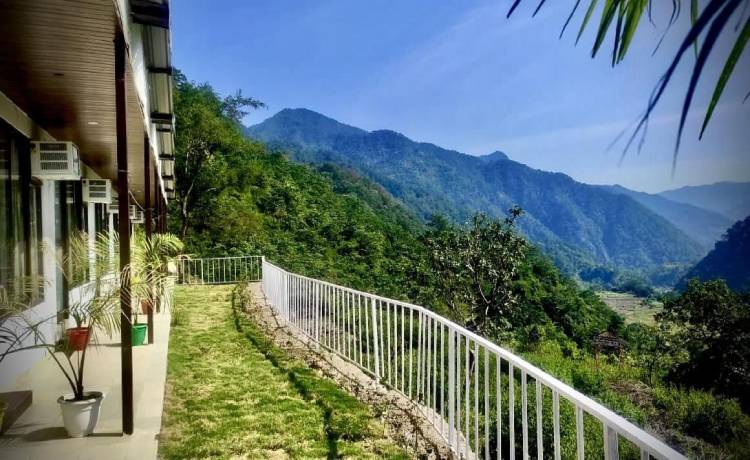
Tucked away in the mystical folds of the Garhwal Himalayas, where the whispers of pine trees blend with the gentle chants of the Ganges, lies a retreat that feels more like a dream than a destination — The Himaya’s Resort. Far from the chaos of the city, yet close enough to Rishikesh’s spiritual soul, this resort isn’t just a place to stay — it’s a place to breathe, belong, and begin again.Imagine waking up to golden sunrays filtering through deodar forests, sipping herbal tea as clouds drift lazily across emerald hills, and spending your days immersed in nature, silence, and soul-soothing simplicity. Whether you’re a seeker, a wanderer, or simply someone craving peace, The Himaya’s Resort offers you more than luxury — it offers sanctuary.So pack your bags — not just with clothes, but with curiosity. Because here, every sunrise writes a new story.Nestled amidst the tranquil embrace of the Himalayas, The Himaya’s Resort in Vijni Bari, Mohan Chatti, Rishikesh, offers a serene retreat for those seeking solace and rejuvenation. Situated along the Lansdowne Road near Neelkanth Silogi, this resort is a harmonious blend of nature’s beauty and modern comforts. Comfortable AccommodationsThe resort boasts 15 well-appointed rooms, each designed to offer comfort and relaxation. Guests can choose from various room types, including deluxe quadruple rooms and garden-view accommodations, ensuring a restful stay amidst nature. Dining and AmenitiesThe on-site restaurant serves a variety of delectable dishes, catering to diverse palates. The in-house restaurant serves a delightful mix of Indian, Garhwali, and Continental cuisines, prepared using locally sourced, seasonal ingredients. The flavors are subtle, authentic, and deeply nourishing — just what your body craves in the cool mountain air.Outdoor Seating: Enjoy candle-lit dinners under the stars or breakfast with a sunrise backdrop. Bonfire Dinners: Upon request, the resort can arrange evening meals by a bonfire — perfect for groups and romantic getaways.Local Flavors: Don’t miss the Garhwali thali — a traditional Himalayan feast made from age-old recipes passed down through generations. Guests can enjoy their meals while soaking in the serene ambiance of the resort. Additional amenities include:Outdoor Swimming Pool: Perfect for a refreshing dip amidst nature. At The Himaya’s Resort, the outdoor swimming pool is not just an amenity — it’s an experience that brings you closer to nature in the most serene and luxurious way possible. Surrounded by lush green forests and backed by the majestic silhouettes of the Himalayas, the pool area is designed to offer panoramic views while you unwind. As you float on the surface, you’re not just in water — you’re immersed in tranquillity, with birdsong in the air and the scent of pine drifting on the breeze. Reclining loungers, shaded umbrellas, and attentive service make the poolside area just as delightful as the water itself. Enjoy fresh juices, herbal teas, or light snacks as you bask in Himalayan serenity. • Lush Gardens: Ideal for morning walks or evening relaxation.• Free Private Parking: Ensuring convenience for guests with vehicles.• Pet-Friendly Policies: Welcoming guests traveling with their furry companions. Nearby AttractionsThe resort’s strategic location offers easy access to several attractions:• Neelkanth Mahadev Temple: A revered pilgrimage site.• Vashishta Gufa: A historic cave associated with sage Vashishta.• Patna Waterfalls: A scenic spot for nature lovers.• Triveni Ghat: A spiritual confluence point on the Ganges. Adventure Activities at Mohan Chatti (Within 2–5 km)Mohan Chatti is becoming an adventure hub. Enjoy:• India’s highest bungee jump• Flying fox and giant swing• Ziplining and rock climbing Whether you’re seeking a peaceful retreat, spiritual exploration, or an adventure amidst nature, The Himaya’s Resort offers an idyllic setting to create unforgettable memories. Immerse yourself in the tranquility of the Himalayas and experience the harmonious blend of comfort and nature. How to Reach Himayas Resort, located at Vijni Bari, Neelkanth Silogi, Lansdowne Road, Mohan Chatti, Rishikesh. By Road (from Rishikesh City/Bus Stand): Distance: Approx. 25–30 km from Rishikesh city. Route: Start from Laxman Jhula or Tapovan area in Rishikesh. Take the Neelkanth Mahadev Road toward Neelkanth Temple. At Mohan Chatti, take the turn toward Lansdowne Road.Keep following the signage or map toward Vijni Bari where the resort is located ✅ Travel Tips: ————————————————— Some beautiful Pics related to Himayas Resort

Destination Rajasthan

Best Places to visit in Jaipur

  • 0 Comments

जयपुर एक ऐसा शहर जो तमाम ऐतिहासिक धरोहरों को संजोये हुए है। अपने देश के गौरवमय इतिहास को यदि आपको महसूस करना हो तो जयपुर आपके लिए एक अच्छा विकल्प है, यदि हम जयपुर के टूरिस्ट प्लेसेस की बात करें तो इस शहर में बहुत से महल, किले, परम्परागत  बाजार और प्रसिद्ध खाने-पीने के शानदार ठिकाने हैं जिनके बारे में हम आपको आज के इस ब्लॉग में पूरे एक्सप्लनेशन के साथ बताएँगे| आप जयपुर कैसे पहुंचे, कहाँ ठहरे? यहाँ घूमने के लिए बजट कितना होना चाहिए, साथ में जयपुर शहर के वो खूबसूरत प्लेस जिनको देखे बिना जयपुर यात्रा पूरी नहीं होगी। जयपुर विजिट के हिसाब से यह शहर आपके लिए एक कम्पलीट पैकेज है, यहाँ आपको बड़े-बड़े शानदार अचम्भित कर देने वाली वास्तुकला से निर्मिल महल, किले, संग्रहालय, बावड़ी, मंदिर और बाग बगीचे देखने को मिल जायेंगे। सीधी सी बात है यहाँ आपको न केवल राजसी ठाठ-बाठ का एहसास होगा बल्कि इतिहास के शौक़ीन लोगो के लिए जयपुर शहर किसी जन्नत से कम नहीं है|(Best Places to visit in Jaipur) मसाला चौक खाने-पीने के मामले में देखा जाए तो पिंक सिटी जयपुर वास्तव में एक ऐसा शहर है जो कि बहुत फेमस है यहां के बेहद लजीज व्यंजनों के कारण, क्योंकि यहां के प्रसिद्ध व्यंजन, तरह-तरह की स्टाइल और तरह-तरह की चीजों से बने हुए होते हैं। अगर बात खाने से संबंधित हो तो जयपुर की खूबसूरत जगहों में से एक जगह है मसाला चौक जो कि खाने को लेकर अपनी वैरायटी के लिए और अपनी क्वालिटी के लिए बहुत ही मशहूर है। 2018 में बनने के बाद से आज तक,  मसाला चौक ने हर खाने के शौकीन फिर चाहे वह जयपुर शहर का हो या फिर बाहर का कोई टूरिस्ट हर किसी के दिल पर शिद्दत से राज किया है। आप गूगल मैप्स की मदद से अल्बर्ट हॉल म्यूजियम तक पहुंच सकते हैं। अल्बर्ट हॉल के टिकट काउंटर से थोड़ा आगे साउथ की ओर बढ़ेंगे तो मसाला चौक आपके बायीं तरफ दिखाई देगा। यहां तक पहुंचने के लिए आप जयपुर बस स्टैंड या रेलवे स्टेशन से ऑटो या टैक्सी ले सकते हैं और यदि आपको चलना पसंद है तो आप पैदल यात्रा भी कर सकते हैं। मसाला चौक के लिए प्रति व्यक्ति प्रवेश शुल्क के रूप में 10 रुपये लिए जाते हैं। जंतर-मंतर राजस्थान की राजधानी जयपुर में सवाई जय सिंह द्वारा बनवाया गया जंतर-मंतर यूनेस्को की वर्ल्ड हेरिटेज सूची में शामिल है। यहाँ पर मौजूद उपकरण और यंत्र बेहद पुराने होने के बावजूद भी आधुनिकता का प्रमाण देते हैं। इन बेहद पुराने उपकरणों से समय को मापा जाता है।  आपने कभी सूर्य तो कभी चंद्र ग्रहण के बारे में अवश्य सुना होगा, इन यंत्रो से भविष्य में आने वाले ऐसे ग्रहण के विषय में पता लगाया जाता है। वैसे भी जयपुर स्थित जंतर-मंतर  भारत के सबसे बेहतरीन वेधशालाओं में से एक है। जंतर-मंतर जयपुर में भारतीय एडल्ट्स  के लिए टिकट की कीमत 50 रुपए है और भारतीय स्टूडेंट के लिए 15 रुपए है। वही दूसरी तरफ विदेशी पर्यटकों के लिए टिकट की कीमत ₹200 और फॉरेन स्टूडेंट के लिए 100 निर्धारित की गई है। जंतर-मंतर जयपुर के खुलने का समय सुबह 9 बजे से शाम 5 बजे तक है। यह हफ्ते के सातों दिन खुला रहता है, और आप पूरे जंतर-मंतर को अच्छे से दो से तीन घंटे में देख सकते हैं। आमेर का किला जयपुर शहर का नाम आते ही यहाँ के बड़े-बड़े और भव्य किले दिलोदिमाग में तैरने लगते हैं। और इन्हीं किलों में निसंदेह सबसे पहले जिस किले की छवि उभरती वो है खूबसूरत आमेर का किला। ये किला ना केवल जयपुर शहर बल्कि पूरे राजस्थान के शानदार पर्यटन स्थलों में से एक है। आमेर का किला इतना प्रसिद्ध है कि यहाँ पर हर रोज छह हजार से भी अधिक लोग घूमने के लिए आते हैं। यह किला राज्य की राजधानी जयपुर से 11 किलोमीटर की दूरी पर है। अगर आप इस किले की खूबसूरती का आनंद लेना चाहते हैं, तो सर्दियों के समय में नवंबर से मार्च महीने के बीच यहां जाना सबसे अच्छा माना जाता है। इस किले तक पहुंचने के लिए जयपुर से बस, ऑटो-रिक्शा, टैक्सी या कैब ली जा सकती है। आप अजमेरी गेट और एमआई रोड से आमेर शहर के लिए रोडवेज या प्राइवेट बसों से भी जा सकते हैं। आमेर के किले के लिए विदेशी सैलानियों से 250 रुपये और भारतीयों सैलानियों से टिकट के 50 रुपये लिए जाते हैं। अगर आप स्टूडेंट हैं, तो जयपुर शहर की यात्रा करते समय अपना स्कूल या कॉलेज आईडी कार्ड ले जाना कभी मत भूलिए, किले की सैर के लिए मिलने वाली टिकटों पर स्टूडेंट्स को भारी छूट दी जाती है, इसके अलावा सात साल से कम उम्र के बच्चे के लिए यहां ज्यादातर जगहों पर टिकट निःशुल्क हैं। आमेर के किले में टिकट काउंटर सूरज पोल के सामने जलेब चौक प्रांगण में मौजूद है। आप वहां एक ऑफिसियल टूरिस्ट गाइड भी ले सकते हैं। इसके अलावा लंबी लम्बी लाइनों से बचने के लिए आप टिकट ऑनलाइन भी खरीद सकते हैं। बापू बाजार जयपुर शहर के केंद्र में, सांगानेर गेट और गुलाबी शहर के नए गेट के बीच, बापू बाजार जूते से लेकर हैंडीक्राफ्ट्स तक, आर्टिफीसियल जूलरी से लेकर पीतल के काम और कीमती पत्थरों तक की खरीदारी के लिए एक बेहतरीन डेस्टिनेशन है, जहां आपको अपनी मनपसंद का हर एक सामान आसानी से मिल जाएगा। बापू बाजार यहां मिलने वाली फेमस राजस्थानी आइटम्स जैसे कलाकृतियों, हैंडीक्राफ्ट, परम्परागत कपड़े और आर्टिफिशियल जूलरी के लिए देश भर में प्रसिद्ध है। राजस्थान जिस चीज के लिए प्रसिद्ध है वह है इसकी जीवंतता और भव्यता। और अगर आप इसकी राजधानी जयपुर में घूमने के लिए आते हो तो आप बापू बाजार में शॉपिंग करके अपनी ट्रिप को यादगार बना सकते हो। बापू बाजार जयपुर जंक्शन रेलवे स्टेशन से 4 किलोमीटर दूर है। आप कोई भी ऑटो रिक्शा किराए पर ले सकते है या कैब बुक करके भी यहां आसानी से पहुंच सकते हैं। इसके अलावा आप यहां पर किसी लोकल बस से भी आ सकते हैं। नाहरगढ़ फोर्ट नाहरगढ़ किला , जो कई अनगिनत महलों और सुंदर ऐतिहासिक इमारतों में से एक है

Category Delhi Lifestyle

“Delhi Metro: Beyond Transportation – A Journey Through Sustainability, Social Impact, and Urban Growth”

  • 0 Comments

The Delhi Metro, a lifeline for millions in India’s bustling capital, witnesses a staggering number of commuters each year, more than the entire population of the United States! With Delhi being one of the most densely populated and polluted cities in the world, the Metro plays a crucial role in managing the city’s ever-increasing urban sprawl. But have you ever wondered where your fare goes or how this massive transport system impacts Delhi’s dynamics? In this blog, we’ll explore the most interesting facts about the Delhi Metro, from its cutting-edge technology and sustainability efforts to its effect on pollution, population, and urban growth. While most might think of it as simply a mode of transportation, the Delhi Metro has a much deeper impact on the environment, social welfare, and even popular culture. Let us uncover the fascinating world behind one of the busiest metro systems in the world! (Delhi Metro)  1.A Positive Contributor to the Environment   You might assume that a massive rail network like the Delhi Metro contributes to the city’s pollution, but it actually does the opposite! The Delhi Metro is certified by the United Nations as the world’s first rail-based system to receive *carbon credits* for reducing greenhouse gas emissions. It helps reduce a whopping 624,000 tonnes of greenhouse emissions annually in the city. This eco-friendly initiative makes the Delhi Metro a critical asset in the fight against air pollution in the capital.   2.Supporting Street Children  Did you know that your metro fare is indirectly contributing to the welfare of street children? The Delhi Metro Rail Corporation (DMRC) has taken a unique initiative by running a children’s home for the betterment of underprivileged children. The money collected from fares supports this home, which is equipped with dormitories, classrooms, computer rooms, and many other resources to help educate and nurture these young ones. This initiative is a beautiful blend of transportation and social responsibility.   3.Why Metro Trains Have an Even Number of Coaches  Have you ever wondered why the Delhi Metro always has an even number of coaches? The answer is quite technical but fascinating! Metro trains once operated with four coaches, and now many have six or eight. This is due to the two types of coaches in the metro system: the ‘D’ car, which is the driver’s cabin that pulls electricity from overhead wires, and the ‘M’ car, which is the motor car. The ‘M’ car houses three-phase induction motors responsible for power transmission. Together, the ‘D’ and ‘M’ cars function as one operational unit, and they cannot run independently. Thus, metro trains always operate with an even number of coaches.   4.Asia’s Largest Escalator at Janakpuri  If you’ve traveled through the Janakpuri West metro station, you may have noticed something extraordinary – it houses Asia’s largest escalator! At a staggering height of around 5 floors, this escalator has become one of the key attractions at the station, adding a new level of grandeur to the city’s metro infrastructure. 5. A Star of the Silver Screen  The beauty of the Delhi Metro has not gone unnoticed by filmmakers. Many iconic movies have featured scenes shot on the metro, making it a recognizable symbol across India. The first movie to be filmed here was Bewafaa in 2003, followed by many others like Delhi-6, Love Aaj Kal, PK, and Paa. Its sleek design and modern aesthetic have made it a preferred location for shooting, reflecting the city’s evolving landscape.  The Delhi Metro Is much more than just a way to get from point A to point B. It’s a sustainable solution for Delhi’s pollution, a supporter of social causes, a host of record-breaking infrastructure, and a favourite among filmmakers. The next time you step into a metro station, take a moment to appreciate the role it plays, both in your life and in the city’s broader landscape. 

Bazar Delhi

Dariba Kalan: The Street of Unparalleled Pearl

  • 0 Comments

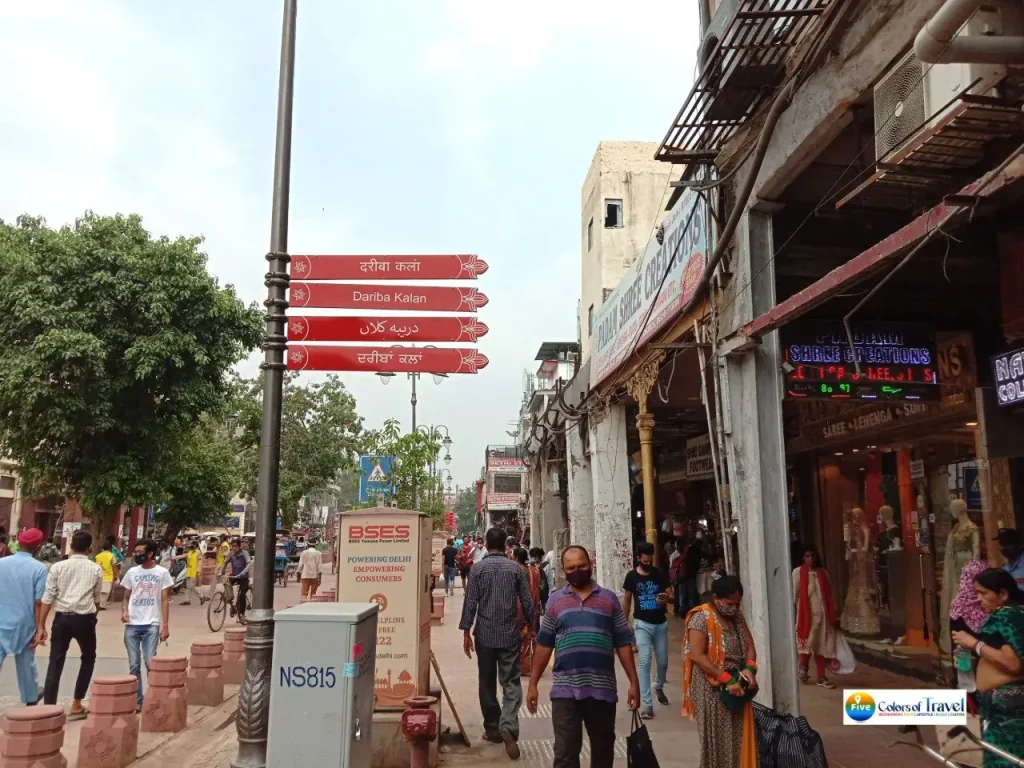
Dariba Kalan, located in the Old Delhi region, is a famous street that began to be constructed in the 17th century rich in artistic endeavors and commercial activities. In that context, this street ‘Dariba Kalan’ which means Street of the Incomparable Pearl, is a walking proof of the deep-seated mughal history which can be credited as a legacy back to the rule of Emperor Shah Jahan. Anyway, Dariba Kalan has remained distrait to the people but has only merged herself in picturesqueness, jewelry shops and local activities over the years. This 2-kilometer-long street is also filled with elaborate patterns of decorative gold, silver and tribal ornaments draping centuries-old history around them.  Historical Significance Dariba Kalan dates back to the era of great Shah Jahan. The term “Dariba” is derived from a Persian phrase “Dur-e be-baha” which literally translates to ‘pearl without a parallel while Kalan means big in Persian. As word suggests, this place was once full of jewelers, workmen, and retailers selling ornamental, gold and silver items. This particular market area, established in the 17th century, catered to royal households, particularly that of the queens, earning it a status of an aristocratic retail sector. Nevertheless, the thoroughfare is also blighted by darker histories. For example in 1739 when Nadir Shah invaded, Dariba also experienced and witnessed mass killings and pillage. Nevertheless, this stunning street has not only survived, but also thrived as a unique component of the city’s history, capable of retaining its characteristic features for centuries.   USP of Dariba Kalan– Apart from the fact that it selis a lot of jewellery, there is really no other unique selling proposition for Dariba Kalan. This narrow and aged and narrow street has been a haven for gold and silver ornaments for centuries, so one can still spot many a window shopper hoping to find some traditional and vintage jewellery. The shops are quite old, some of them even go back to the early nineteenth century; and everything between silver antiques to chuda and kallirey bridal jewellery can be found in the shops over here. This has been the case with many other names like Meerimal Sultan Singh Jain, Dhannumal Jagadhar Mal and Lily Diana, where shops have been established for many years and generation after generation, children have taken over the running of the businesses. Yet another rich aspect of Dariba is that it is reasonably successful in marrying the age old practices with new age demands. You will also come across some Nepal and Tibetan jewelleries thus contributing to the market premised diversification. Besides jewelry, Dariba Kalan is also well known for the attar (natural perfumes) shops found within it. Perfume museums, as well as this fragrance harvest, are based on a skill that has been handed down through the years, which is quite the art, that of plunging essences into petals and leaves. Taking an olfactory trip down these old fashioned fragrances proves to be quite satisfying and therefore propels Dariba as one of the ideal shoppers’ paradise.  Culinary Delights of Dariba Dariba Kalan additionally entices visitors with its culinary offerings. The street is dotted with various eating joints including Old Famous Jalebi Wala, a delightful dessert shop that has been serving piping hot and dipped in syrup-crispy jalebis since the year 1844, this particular vendor who is positioned right at the entrance is quite popular amongst the locals and is needless to say, an addition worth making to the itinerary if the intention is going shopping with some sugary elements attached to it. On par with this establishment is Shree Bala J Kachori Bhandar, which spoils one for choice with delectable breakfast items including but not limited to kachori-aloo and bedmi poori. Such culinary landmarks tilt the balance towards a street that is otherwise popular for food in Old Delhi.  Architectural Heritage In addition to the thriving stores, Dariba Kalan has architectural wonders too. The stretch comprises of many havelis or Indian mansions and other constructions from the Mughal period, some of which are in good condition while others bear the scars of Time. One such structure is the Khazanchi Ki Havell, which was the residence of the Mughal treasurer but now sits in ruins, a shadow of Dariba’s glorious past. Also, Naughara Lane which is located not far, has nine beautifully patterned houses that present an Insight into the traditional architectural and cultural practices of the people of Delhi. Kinari Bazaar Lying adjacent to the famous Dariba Kalan is the noisy Kinari Bazar, a very marika! It starts at Prem Chand Gole Wale Chowk and is famous for its decorative Items like gota patti, lace, wedding turban, shagun, decorative trays, jewel boxes, etc. et cetera. Kinar Bazaar is also the same bazaar which gets its name from kinari, which means borders. These borders are attached to the sarees and suits. All the embellishments for bride’s and bride’ s family attire and house chandeliers can be found here. Almost all the items in Kinari Bazaar are sold in wholesales, though some patterns of these as plain and simple items are also available. How prevalent this is depends on what you are looking for, and the most basic knickknack, such as wedding ornaments, fabrics or any toss in between are in bulky unbelievable spectrum. Kinari Bazaar might be small with tiny cramped up shops, but the quality and distinctiveness of its many different fits products makes it A must go place for the native as well as the visitor. Dariba Kalan along with nearby Kinari Bazaar is enriched with historical aspects, bustling markets, and culture, which is just a small portion of what makes it more Interesting to explore. From beautiful jewelery and fragrant attar shops to a wide collection of decorative borders and low-cost fabrics, these streets exhibit the assimilation of modernity with history, it does not matter if you are a history buff, a jewelry patron, or a culinary explorer, the markets do offer an amazing experience of the Old World Delhi in all