Culture Delhi

कालकाजी मंदिर: आस्था और आध्यात्मिकता का संगम

  • 0 Comments

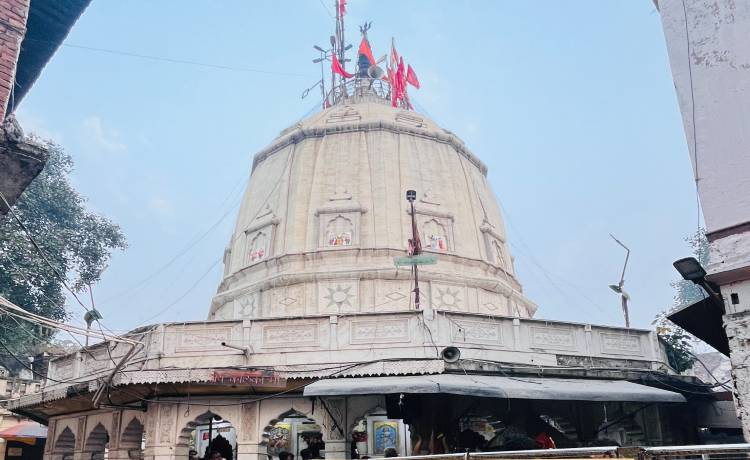
कालकाजी मंदिर- दिल्ली के दक्षिण में स्थित एक ऐसी पवित्र जगह- जहाँ आप आस्था और श्रद्धा भाव के साथ अध्यात्म को भी महसूस कर सकते हैं। यह प्राचीन मंदिर, दिल्ली के नेहरू प्लेस इलाके में स्थित है, माँ काली या माँ कालका के शक्ति रूप को समर्पित है। आइए, इस पवित्र मंदिर की कहानी और कुछ ऐसे तथ्यों के बारे में जानते हैं जिनके बारे में अधिकतर लोगों को शायद ही पता हो।(Kalkaji Mandir) कालकाजी मंदिर का इतिहास और महत्व मान्यता है कि यह मंदिर सत् युग से स्वतः स्थापित है और ज्ञातव्य इतिहास मे इसका पुनर्निर्माण आधिकारिक रूप से 1764 ईस्वी में हुआ था। यह मंदिर माँ काली के उस जागृत रूप का है, जिन्होंने रक्तबीज नामक राक्षस का वध किया था। कथा के अनुसार, जब असुरों का अत्याचार बढ़ने लगा, तो सभी देवता ब्रह्मा जी के पास गए। ब्रह्मा जी ने उन्हें माँ पार्वती की पूजा करने की सलाह दी। माँ पार्वती ने इस स्थान पर आकर असुरों का संहार किया और यहीं अपना निवास बनाया। महाभारत के समय भी इस मंदिर का उल्लेख मिलता है। कहा जाता है कि पांडवों ने  यहाँ प्रार्थना की थी और माँ काली से हर चुनौती को पार करने की शक्ति मांगी थी।  यह स्थान “सिद्ध पीठ” के रूप में प्रसिद्ध है, जहाँ भक्तों की सभी मनोकामनाएँ पूरी होती हैं। कालकाजी मंदिर की विशेषताएँ इस मंदिर की वास्तुकला बेहद अनोखी है। केंद्रीय कक्ष 12 भुजाओं वाला है, जो 12 महीनों का प्रतीक है। मंदिर के 36 मेहराबदार प्रवेश द्वार और संगमरमर से बने पिरामिडनुमा मीनारें इसकी सुंदरता और दिव्यता को बढ़ाते हैं। मंदिर के पूर्वी द्वार पर दो बलुआ पत्थर के शेरों की मूर्तियाँ स्थापित हैं, जो माँ काली की शक्ति और वीरता का प्रतीक हैं। मंदिर के अंदर एक केंद्रीय कक्ष है, जिसमें माँ कालका देवी का विग्रह स्थापित हैं। बरामदे के पास एक ऐतिहासिक हवन कुंड भी है, जो 300 साल पुराना है और आज भी यहाँ हवन किए जाते हैं। कालकाजी मंदिर के त्यौहार और नवरात्रि की रौनक हर हिंदू त्योहार यहाँ बड़े धूमधाम से मनाया जाता है, लेकिन नवरात्रि के दौरान यहाँ का माहौल अलग ही होता है। वसंत नवरात्रि (जो अप्रैल में होती है) और महानवरात्रि (जो अक्टूबर में होती है) के समय श्रद्धालुओं की भारी भीड़ उमड़ती है। मंदिर को 150 किलो ताजे फूलों से सजाया जाता है, जिनमें कई विदेशी फूल भी होते हैं। माँ के श्रृंगार को रोज़ाना दो बार बदला जाता है — सुबह और शाम के समय माँ के अलग-अलग रूपों के दर्शन किए जाते हैं। कालकाजी मंदिर से जुड़े रोचक तथ्य 1. महाभारत से जुड़ा हुआ मंदिर   इस मंदिर का उल्लेख महाभारत में मिलता है, जहाँ पांडवों ने अपनी जीत के लिए माँ से आशीर्वाद लिया था।  2. औरंगज़ेब के समय का मंदिर    मुग़ल शासक औरंगज़ेब ने इस मंदिर के कुछ हिस्सों को तुड़वा दिया था, लेकिन 18वीं सदी में इसका पुनर्निर्माण हुआ।  3. मुंडन संस्कार का पवित्र स्थान    यहाँ कई लोग अपने बच्चों के मुंडन संस्कार के लिए आते हैं। हिंदू धर्म के अनुसार, मुंडन एक ऐसे भार को हटाता है जो पिछले जन्म से जुड़ा हुआ होता है।  4. सूर्य ग्रहण के समय भी खुला मंदिर    जब ज़्यादातर मंदिर ग्रहण के समय बंद रहते हैं, कालकाजी मंदिर खुला रहता है और भक्त माँ के दर्शन कर सकते हैं।  5. स्वयंभू मंदिर    लोक कथाओं के अनुसार, माँ काली यहाँ स्वयं प्रकट हुई थीं और असुरों का वध करने के बाद इस स्थान को अपना घर बनाया।  यहाँ हर मनोकामना पूरी होती है मान्यता है कि यहाँ माँ कालका के दर्शन करने से हर मनोकामना पूरी होती है, इसीलिए इसे “मनोकामना सिद्ध पीठ” कहते हैं। चाहे आप अपनी व्यक्तिगत जीवन में चुनौतियों का सामना कर रहे हों या एक आध्यात्मिक अनुभव की तलाश में हों, कालकाजी मंदिर एक ऐसी जगह है, जिसे अवश्य देखना चाहिए। दिल्ली के दिल में बसा यह पवित्र मंदिर, आस्था और इतिहास का अद्भुत संगम है। क्या आपने कालकाजी मंदिर के दर्शन किए हैं? अगर नहीं, तो अपनी अगली दिल्ली यात्रा में इस दिव्य स्थान को ज़रूर शामिल करें! रक्तबीज ने वरदान प्राप्त किया था कि, जहां-जहां उसके रक्त की बूंदे गिरेंगी, उससे उसी की तरह एक नया रक्तबीज पैदा हो जाएगा जब मां दुर्गा और रक्तबीज के बीच युद्ध हुआ. मां दुर्गा जैसे ही उसके अंगों को काटने लगी तो उसके रक्त से नए दैत्य रक्तबीज का जन्म होने लगा. इस तरह से रक्बीज दैत्य की सेना खड़ी हो गई. आखिरकार मां ने देवी चंडिका को आदेश दिया कि, जब वह रक्तबीज पर प्रहार करे तो वह उसका रक्त पी जाए. इससे नया रक्तबीज उत्पन्न नहीं होगा. इसके बाद मां पार्वती ने भद्रकाली कालिका का रूप धारण किया.  मां काली के इस रूप को समातन धर्म में अन्य सभी देवी-देवताओं में विकराल माना जाता है. जहां-जहां रक्तबीज का रक्त गिरता मां उसे पी जाती और इससे नया दैत्य उत्पन्न नहीं हो पाता. कहा जाता है कि इस अवतार में मां का रूप बहुत विकराल हो गया था और उन्होंने कई राक्षसों को निगल भी लिया था. इस तरह से मां दुर्गा ने रक्तबीज का संहार किया.मां जब अपने कालका धाम में आकर विराजमान हुई तो उन्होंने अत्यंत  सुंदर रूप धारण कर लिया ताकि उनके भक्त और उनके संतानों पर उनका स्नेहाशीष बरसता रहे.

Category Food Haryana

Dhaba and Paratha Culture of Haryana – A Culinary Journey of Undergoing Change

  • 0 Comments

The state of Haryana, situated in the northern part of India is a beautiful and agriculturally thriving state. The cuisine of the people here also nourishes their agricultural background and their bond to the soil. The state is famous for its rural dhabas, and most notably, the sundry offerings of parathas available there. However, these are not the only dishes that contribute to the food culture of the state. Every aspect, from the filling dal to the rustic bajre ki roti, from the sweet course of choorma, to the dish of sarson ka saag, plays an essential part in defining the basic composition of Haryanvi cuisine.(Dhaba and Paratha) This culinary trip has much scope for roadside eateries known as dhabas, where food or the comfort of home cooked meals is enjoyed by people traveling or dwelling at that place. In this post, we will focus on appreciating the food culture of Haryana that extends beyond the popularity of the parathas. The Dhaba Culture: A Reflection of Rural Haryana While dhabas in Haryana symbolize the region’s food culture of being simple, wholesome, and grounded within the earth. These simple eat-all-places are found on the national highways and in the interiors, and serve the purpose of rest and refreshment for truck drivers, agricultural workers, and families on a journey. In recent years, however, these roadside diners have transformed into a national obsession for people of all classes and all walks of life. However, it is the truthfulness of a Haryanvi dhaba that matters the most. The cuisin and serving of food is pertinent to farming ancestory of this area, with everything from the gardens to the dishes being completely edible, and without dependence on processing. The styles of cooking are usually the clay oven or a wooden fire stove which takes a lot of time, and the food has its own taste and flavor. Very often, the setting is relaxed, with kinships of woolen-hair woven mats lying in the clean air, and eating is done at leisure since the surroundings are rural and peaceful. The Adaptable Paratha: One of the Basic Food Items in Haryana However, even the most basic conversations with regard to the Haryanvi cuisine region can never be considered complete unless the simple is appreciated first. The paratha or a ‘flatbread’ is a commonly available bed in many homes and dhabas and can be served for breakfast, lunch or dinner. Prepared with whole wheat, the bread as parathas maybe edible without stuffing or stuffing anything spicy like potatoes – aloo, cabbage – gobhi or cheese – paneer may be presents or for internal use. What is unique about the parathas dhaba style is their humongous size and excessive use of ghee. The parathas made at home are far much smaller called friendly sizes whereas dhaba parathas are very large, thick a lot ghee spread on them making them taste quite buttery. Most of them come with, raita green cull garlic chutney, chili hot pickle and a huge lump of country butter going together very sure filling and Delicious food for the day. The Accompaniments: Dal, Bajre ki Roti and Sarson ka Saag While such parathas delight the customers, especially the patrons of the dhaba style restaurants, dikkar are indeed accompanying elements, vegetables, grains and meat dishes that are part of these thalis, and reveal the agrarian character of Haryana in general. 1. Dal (Lentils) Dal is yet another simple but highly filling dish which is common in almost all Indian households including Haryana. Prepared using lentils like moong dal or urad dal, the dish is generally flavoured with mustard, cumin and garlic and cooked into a thick paste. The hot soup of dal is generally served when ghee or clarified butter is generously thrown in along with other delicacies like bajre ki roti or parathas. In most of the dhabas the dal is cooked in clay pots which lends a smoky taste to the dal that is otherwise impossible to make at home. 2. Bajre ki Roti (Millet Flatbread) Made with bajra, or pearl millet, bajre ki roti enjoys ubiquitous popularity as a staple food in the Indian state of Haryana. This stone-ground flatbread is chewy, devoid of any gluten and flavor wise, can be best described as earthy. It is common to find this dish served with a generous proportion of ghee or cream and enjoyed with sarson ka saag or dal. Making bajre ki roti is back breaking work because the simple act of rolling out the dough and slapping it on a hot surface requires considerable physical exertion and skill, but the payoff is a thick nutritious flatbread that stands up well to the heavy spicing characteristic of Haryanvi cuisine.  3. Sarson ka Saag (Mustard Greens) In winter, mustard foliage, or sarson ka saag along the borders of the Haryana gets prominent in the total food intake base. The dish is healthy and wholesome and consists of slow cooked mustard leaves and spinach with gingers, garlics, green chili pestis added for spice. The paste of the greens is prepared till soft and creamy and a piece of butter is placed on top of the dish. Sarson ka saag has traditionally been enjoyed with bajre ki roti or makki ki roti (corn flour based flatbread) making this dish wholesome and very filling. Churma: The Sweet Finale To sum up, there is no traditional Haryanvi meal that does not conclude with sweet dishes, and in this context, comes in the choorma. Choorma is an uncomplicated but satisfying dish made of crushed wheat bread with sugar or jaggery and butter. The preparation is quite rustic, as the bread is hand crushed and sweeteners are added and then the ghee is poured in to give the dessert a rough juicy melt in the mouth feel. Other times, cardamom and dried fruits are complimented with it to make it tastier. Choorma is made as a dessert and features in the meal that includes dal and bajre ki roti, therefore, rendering

Best of My Blogs Culture Destination Rajasthan

पुष्कर मेला-दुनिया का सबसे बड़ा ऊँट व्यापार मेला

  • 0 Comments

दोस्तों, इन दिनों देश-विदेश सब जगह पुष्कर मेले की धूम है. साल भर सैलानी इस मेले के आयोजन का इंतज़ार करते हैं. आज इस ब्लॉग में हम दुनिया भर में यह मेला यहाँ के ऊँटों के लिए इतना प्रसिद्ध क्यों है, इसके बारे में विस्तार से जानेंगे. (Pushkar Mela) पुष्कर मेला न केवल ऊँटों के व्यापार के लिए एक प्रमुख मेला है, बल्कि यह एक महत्वपूर्ण सांस्कृतिक और धार्मिक आयोजन भी है। दुनिया के सबसे बड़े ऊँट व्यापार मेले के रूप में यह ऐतिहासिक और सांस्कृतिक दृष्टि से महत्वपूर्ण है, और पिछले कई सालों से यह राजस्थान के ग्रामीण जीवन और पारंपरिक अर्थव्यवस्था का अहम हिस्सा बन गया है। इस मेले के माध्यम से ना सिर्फ व्यापारिक गतिविधियाँ होती हैं, बल्कि यह राजस्थानी कला, संस्कृति और धार्मिक आस्थाओं का बेहतरीन मिश्रण भी प्रस्तुत करता है। दुनिया का सबसे बड़ा ऊँट व्यापार मेला पुष्कर मेला न केवल धार्मिक दृष्टि से महत्वपूर्ण है, बल्कि यह दुनिया का सबसे बड़ा ऊँट व्यापार मेला भी है। यह मेला ऊँटों का सबसे बड़ा वाणिज्यिक बाजार बन चुका है। यहाँ प्रत्येक साल लगभग 50,000 से 60,000 ऊँटों की खरीद-बिक्री होती है। व्यापारी इन ऊँटों को एक जगह से दूसरी जगह लेकर जाते हैं, जहां वे उन्हें विभिन्न कार्यों के लिए इस्तेमाल करते हैं, जैसे कि खेती, परिवहन, पर्यटन, और मेलों में सवारी के लिए।यह मेला ऊँटों की नस्लों, उनके आकार, और उनके स्वास्थ्य के आधार पर व्यापार का अवसर प्रदान करता है। यहाँ के ऊँट विभिन्न किस्मों के होते हैं, जैसे राजस्थानी ऊँट, कच्छी ऊँट, और जोधपुरी ऊँट। मिस ऊँट प्रतियोगिता होती है मेले का प्रमुख आकर्षण -पुष्कर मेला में ऊँटों को रंग-बिरंगे कपड़ों से सजाया जाता है, और उनके साथ पारंपरिक राजस्थान संगीत और नृत्य भी होते हैं। एक विशेष प्रतियोगिता में ऊँटों को सजाकर विभिन्न कला रूपों का प्रदर्शन किया जाता है। ऊँटों के लिए नृत्य प्रतियोगिता भी आयोजित होती है, जहाँ ऊँट विभिन्न करतब दिखाते हैं, जैसे की ऊँट की दौड़, ऊँट का नृत्य, और मिस ऊँट प्रतियोगिता। मिस ऊँट प्रतियोगिता बहुत ही आकर्षक होती है और दर्शक इस प्रतियोगिता का खूब आनंद उठाते हैं। इसके अलावा यहाँ मेले के दौरान देसी-विदेशी पर्यटकों के लिए क्रिकेट मैच, फुटबाल, रस्साकसी, सतोलिया और कबड्‌डी मैच का आयोजन होता है. ऊंट-घोड़ों की सजावट, नृत्य आदि की प्रतियोगिताएं आयोजित की जाती हैं, सैलानियों के लिए मूंछ, टरबन, दुल्हा-दुल्हन बनो, रंगोली, मांडना जैसी कई प्रतियोगिताएं भी मेले का हिस्सा होती हैं. जिससे यहाँ आने वाले सैलानियों को खूब मस्ती और मनोरंजन करने को मिलता है . यहाँ पर राजस्थानी कलाकृतियाँ, सुवेनियर, हथकरघा वस्त्र, और आभूषण की दुकानें भी लगती हैं, जहां पर्यटक राजस्थानी कला और हस्तशिल्प का आनंद ले सकते हैं। पुष्कर मेले का इतिहास भी है खास पुष्कर मेला का इतिहास बहुत प्राचीन है और इसे ब्रह्मा जी से जुड़ी धार्मिक परंपराओं से जोड़ा जाता है। माना जाता है कि पुष्कर झील का निर्माण ब्रह्मा जी ने स्वयं किया था। धार्मिक ग्रंथों के अनुसार, पुष्कर वह स्थान है जहाँ भगवान ब्रह्मा ने अपनी पत्नी सावित्री के साथ यज्ञ किया था। यह स्थान अत्यंत पवित्र माना जाता है और हिंदू धर्म के अनुयायियों के लिए एक प्रमुख तीर्थ स्थल है। प्राचीन काल में भी, कार्तिक माह (अक्टूबर-नवंबर) में आयोजित होने वाला यह मेला एक धार्मिक और व्यापारिक आयोजन था। इस समय भारत के विभिन्न हिस्सों से लोग यहाँ आकर स्नान करते थे और पूजा अर्चना करते थे। धीरे-धीरे इस धार्मिक मेले में व्यापारिक गतिविधियाँ भी जुड़ने लगीं, विशेषकर पशु व्यापार, जैसे ऊंट, घोड़े, बैल आदि की खरीद-फरोख्त। मेला कब होता है पुष्कर मेला कार्तिक माह (अक्टूबर-नवंबर) में आयोजित होता है। यह मेला आमतौर पर पांच दिनों तक चलता है, लेकिन कभी-कभी इसकी अवधि और भी बढ़ सकती है। मेला कार्तिक पूर्णिमा के आसपास अपने चरम पर होता है, जब बड़ी संख्या में श्रद्धालु और पर्यटक पुष्कर आते हैं। आधुनिक पुष्कर मेला अब एक सांस्कृतिक उत्सव बन चुका है, जिसमें ऊंटों की दौड़, पारंपरिक संगीत और नृत्य, हस्तशिल्प प्रदर्शनी, और विभिन्न प्रकार के प्रतियोगिताएँ होती हैं। यहाँ स्थानीय राजस्थानी कला, संस्कृति और परंपराओं को भी प्रदर्शित किया जाता है। पुष्कर झील पुष्कर मेला और पुष्कर झील दोनों का गहरा संबंध है। मेले का मुख्य आकर्षण पुष्कर झील में पवित्र स्नान और पूजा-अर्चना होती है, जो श्रद्धालुओं के लिए विशेष महत्व रखता है। मेले के दौरान, विशेष रूप से कार्तिक पूर्णिमा के दिन, लाखों श्रद्धालु यहाँ आते हैं और झील में स्नान करने के बाद पूजा करते हैं। पुष्कर झील (Pushkar Lake) एक प्रमुख हिंदू तीर्थ स्थल है और इसे राजस्थान की पवित्र झील के रूप में जाना जाता है। यह झील ब्रह्मा जी के साथ जुड़ी हुई है, और हिंदू धार्मिक मान्यताओं के अनुसार, यह झील विशेष रूप से पवित्र है। पुष्कर झील के बारे में मान्यता है कि यह ब्रह्मा जी द्वारा बनाई गई थी। किंवदंती के अनुसार, ब्रह्मा जी ने इस झील में स्नान किया और यहाँ पूजा अर्चना की। इसलिए यह झील हिंदू धर्म के अनुयायियों के लिए अत्यधिक महत्वपूर्ण मानी जाती है। माना जाता है कि जो भी व्यक्ति पुष्कर झील में स्नान करता है, उसके पाप धुल जाते हैं और उसे मोक्ष की प्राप्ति होती है। विशेष रूप से कार्तिक पूर्णिमा के दिन लाखों श्रद्धालु यहाँ स्नान करने आते हैं, और उस दिन विशेष पूजा-अर्चना का आयोजन होता है। पुष्कर झील के चारों ओर 52 घाट (ghats) हैं, जिन पर श्रद्धालु स्नान करते हैं और पूजा करते हैं। यह घाट प्राचीन वास्तुकला का उदाहरण हैं और यहाँ पर धार्मिक अनुष्ठान और संस्कृतियाँ होती हैं। घाटों पर होने वाली धार्मिक क्रियाएँ और पुजारियों द्वारा की जाने वाली पूजा आमतौर पर बहुत ही भावनात्मक और आध्यात्मिक होती हैं। पुष्कर मेला के दौरान, खासकर कार्तिक पूर्णिमा के समय, हर साल लाखों श्रद्धालु पुष्कर झील में स्नान करते हैं। यह समय विशेष रूप से धार्मिक महत्व रखता है, क्योंकि इस दिन को पवित्र स्नान और ब्रह्मा जी की पूजा के लिए सबसे उत्तम समय माना जाता है। पुष्कर झील न केवल धार्मिक दृष्टि से महत्वपूर्ण है, बल्कि इसका प्राकृतिक सौंदर्य भी पर्यटकों को आकर्षित करता है। यह झील सूर्योदय और सूर्यास्त के समय विशेष रूप से सुंदर दिखाई देती है। झील के किनारे सुंदर मंदिर और घाट

Category Culture Uttar Pradesh

कुंभ मेला:  जानिए दुनिया के सबसे बड़े मेले के बारे में

  • 0 Comments

भारत के धार्मिक और सांस्कृतिक धरोहरों में कुंभ मेले का एक विशेष स्थान है। यह दुनिया का सबसे बड़ा धार्मिक आयोजन माना जाता है, जिसका आयोजन हर 12 वर्ष में एक बार होता है और इसमें लोग पुण्य प्राप्त करने के लिए और पापों की शुद्धि के लिए स्नान करते हैं। कुंभ मेला एक यात्रा नहीं, बल्कि एक अनुभव है, जो श्रद्धालुओं को जीवन की असलियत, भारतीय संस्कृति की गहराई और आध्यात्मिकता का सही अर्थ बताता है। (Kumbh Mela) इस मेले का आयोजन चार प्रमुख पवित्र स्थानों – प्रयागराज (इलाहाबाद): यहाँ गंगा, जमुना, और सरस्वती नदियों का संगम होता है। हरिद्वार: यहाँ गंगा नदी का प्रवाह होता है। उज्जैन: यहाँ शिप्रा नदी के तट पर महाकुंभ होता है। नासिक: यहाँ गोदावरी नदी के तट पर महाकुंभ आयोजित होता है। इन चार स्थानों को ‘कुंभ’ का आयोजन स्थल माना जाता है। और जब ये चारों स्थान एक साथ महाकुंभ के आयोजन में शामिल होते हैं, तो इसे महाकुंभ कहा जाता है। महाकुंभ का आयोजन एक निश्चित कालखंड में होता है, जो ज्योतिषीय गणना पर आधारित होता है। प्रत्येक कुंभ मेला लगभग तीन महीने तक चलता है, लेकिन सबसे बड़ी भीड़ विशेष स्नान दिवसों पर देखी जाती है। ये विशेष दिन माघ पूर्णिमा, शिवरात्रि, बसेरा स्नान, और सिंहस्थ के दिन होते हैं, जब खास अवसरों पर लाखों श्रद्धालु एकत्रित होते हैं। कुंभ मेले की पौराणिक कथा कुंभ मेले की शुरुआत पौराणिक कथा से होती है। कहा जाता है कि जब देवताओं और असुरों के बीच अमृत के लिए समुद्र मंथन हो रहा था, तो अमृत की बूंदें चार स्थानों पर गिरीं – प्रयागराज, हरिद्वार, नासिक और उज्जैन। इसलिए ये स्थान पवित्र माने जाते हैं और यहाँ हर 12 साल में कुंभ मेले का आयोजन होता है। मान्यता है कि इस अमृत की बूंदों से इन स्थलों पर स्नान करने से आत्मा की शुद्धि होती है और पापों का नाश होता है। कुंभ मेला न केवल एक धार्मिक आयोजन है, बल्कि यह भारत के सांस्कृतिक और सामाजिक जीवन का दर्पण भी है, जिसमें एक साथ आकर समाज के हर वर्ग के लोग समान रूप से भक्ति और श्रद्धा से भाग लेते हैं।   कुंभ मेले का महत्व कुंभ मेला एक ऐसा आयोजन है, जहां भक्त, साधु-संत, नागा साधु और संत महात्मा पवित्र स्नान के लिए आते हैं। कुंभ मेले में देश-विदेश से लोग आते हैं और एक असीमित आस्था का अनुभव करते हैं। नागा साधु, जो मेला के प्रमुख आकर्षण होते हैं, अपने तपस्या, योग और साधना के कारण भक्तों के लिए विशेष रूप से प्रेरणादायक होते हैं। वे हिमालय की कठिन तपस्या करने वाले साधु होते हैं, जो सिर्फ कुंभ मेले में दर्शन देते हैं और उनका दिखना एक दैवीय अनुभव के समान होता है। इस मेले में विभिन्न अखाड़ों के साधु संत अपने-अपने पंथों का प्रतिनिधित्व करते हैं और मेले में आध्यात्मिकता, योग, ध्यान और धार्मिक प्रवचनों के माध्यम से भक्तों का मार्गदर्शन  करते हैं।  कुंभ मेले में स्नान का महत्व कुंभ मेले में पवित्र स्नान का विशेष महत्व है। मेले के दौरान गंगा, यमुना और सरस्वती नदियों के संगम में स्नान करना अत्यंत पवित्र माना जाता है। मान्यता है कि इस पवित्र स्नान से व्यक्ति के पाप मिट जाते हैं और उसे मोक्ष प्राप्ति का अवसर मिलता है। इस अद्वितीय स्नान का अवसर विशेष तिथियों पर होता है, जिसे “शाही स्नान” कहा जाता है। शाही स्नान के दिन नागा साधु और विभिन्न अखाड़ों के संत सबसे पहले स्नान करते हैं, इसके बाद आम भक्तों को स्नान का अवसर मिलता है। स्नान का यह अनुभव न केवल धार्मिक होता है, बल्कि यह भक्तों के लिए आत्मा की शुद्धि और पापों से मुक्ति का प्रतीक है। कुंभ मेला में विशेष तिथियों पर स्नान करने के लिए भक्त कई दिन पहले से ही यात्रा की योजना बनाते हैं और हजारों किलोमीटर की यात्रा कर मेले में पहुंचते हैं।  कुंभ मेले का सामाजिक और सांस्कृतिक महत्व कुंभ मेला न केवल धार्मिक आयोजन है, बल्कि यह एक सामाजिक और सांस्कृतिक उत्सव भी है, जो सभी जाति, वर्ग और समुदायों को एक ही मंच पर एकत्र करता है। इस मेले में साधु-संतों के अलावा आम लोग, व्यापारी, शिल्पकार और सांस्कृतिक कलाकार भी भाग लेते हैं। विभिन्न राज्यों के लोग अपनी कला और संस्कृति को प्रस्तुत करते हैं। इस मेले में लगने वाले विभिन्न पंडालों में धार्मिक प्रवचन, योग शिविर, ध्यान और सांस्कृतिक कार्यक्रम आयोजित किए जाते हैं, जो भक्तों को आध्यात्मिक शांति और आंतरिक शक्ति प्रदान करते हैं। इसके अलावा, कुंभ मेला व्यापार का भी एक प्रमुख केंद्र होता है, जहां विभिन्न वस्त्र, आभूषण, धार्मिक पुस्तकें, और अन्य सामग्री की बिक्री होती है।  यहाँ व्यापारी और कारीगर अपनी विशेष कलाकृतियों और शिल्पकारियों को बेचने के लिए आते हैं। इस आयोजन में लोगों को विभिन्न प्रकार के हस्तशिल्प और स्थानीय कलाओं को देखने और खरीदने का अवसर मिलता है।  कुंभ मेले में यात्रा के दौरान ध्यान रखने योग्य बातें 1. समय का चयन– कुंभ मेला जनवरी से मार्च तक चलता है। विशेष तिथियों पर पवित्र स्नान के दिन सबसे अधिक भीड़ होती है, इसलिए यात्रा की योजना इसी के अनुसार बनानी चाहिए। 2. आवास की व्यवस्था: कुंभ मेले के दौरान अस्थाई तंबुओं में रहने का विशेष अनुभव मिलता है, जो साधारण होटल और गेस्टहाउस से अलग होता है। हालांकि, मेले में लोगों की भीड़ बहुत होती है, इसलिए आवास की अग्रिम बुकिंग कर लेना सबसे बेहतर होता है। 3. भोजन और स्थानीय व्यंजन: मेले में विभिन्न प्रकार के स्वादिष्ट और पारंपरिक भारतीय स्ट्रीट फूड मिलते हैं। जलेबी, चाट, पूरी-सब्जी जैसे व्यंजन तीर्थयात्रियों के बीच बहुत लोकप्रिय होते हैं। कुंभ मेले के दौरान स्थानीय भोजन का अनुभव भी एक अद्भुत आनंद देता है। 4. स्वास्थ्य और सुरक्षा व्यवस्था: कुंभ मेले में सरकार द्वारा सुरक्षा का खास ध्यान रखा जाता है। पूरे मेले में पुलिस, स्वयंसेवक और स्वास्थ्य शिविर उपलब्ध रहते हैं, ताकि किसी भी आकस्मिक स्थिति में सहायता मिल सके। 5. मुख्य स्नान तिथियाँ: यदि आप कुंभ मेले में विशेष स्नान के दिन जाना चाहते हैं, तो मुख्य स्नान तिथियों की जानकारी पहले से प्राप्त कर लें। इन दिनों में साधु-संतों का जुलूस और स्नान बहुत आकर्षक होता है, जिसे देखकर आपको मेले का पूरा अनुभव प्राप्त

Bihar Culture

छठ पूजा: जानिए आस्था और समर्पण के लोक पर्व के बारे में

  • 0 Comments

छठ का महापर्व हर बिहार वासी के दिल में बसा होता है। चाहे वो देश के किसी भी कोने में हों या विदेश में, छठ  के दिनों में उनका मन अपने गाँव-घर की ओर लौटने को व्याकुल हो उठता है। यह पर्व केवल पूजा नहीं, बल्कि यादों का एक ऐसा कारवां है जो उन्हें अपने बचपन के उन घाटों की और ले जाता है, जिसके किनारे उन्होंने अपनी माँ, दादी या चाची को पूरे समर्पण भाव के साथ सूर्य देवता और छठी माई की पूजा करते देखा था। वही घाट, वही नदी, वही परंपरा— सब कुछ उन्हें फिर से घर की ओर बुलाता है। अगर देख जाए तो आम तौर पर छठ पूजा बिहार, झारखंड और पूर्वी उत्तर प्रदेश का प्रमुख त्यौहार है। लेकिन क्योंकि अब देश के हर हिस्से में बिहार के लोग रोज़गार के सिलसिले में बसने लगे हैं तो अब यह त्यौहार दिल्ली, मुंबई और अन्य बड़े महानगरों में भी खूब श्रद्धा भाव से मनाया जाने लगा है. आज इस ब्लॉग में हम जानेंगे इस लोक पर्व को कैसे मनाया जाता है और महिलाएं कितनी शिद्दत के साथ इस व्रत के नियमों का पालन करती हैं….(Chhath Puja) विभिन पंचांगों के अनुसार हर साल कार्तिक मास के शुक्ल पक्ष की चतुर्थी तिथि से छठ पूजा का आरंभ हो जाता है। छठ पूजा पर्व चार दिनों तक चलता है। दीपावली खत्म होते ही घरों में छठ गीतों से माहौल बनने लगता है।  छठ की शुरुआत: नहाय-खाय की पवित्रता से होती है छठ पूजा का पहला दिन, जिसे ‘नहाय-खाय’ कहा जाता है, पवित्रता और शुद्धता का प्रतीक है। इस दिन व्रती (व्रत करने वाले) किसी पवित्र नदी, तालाब या कुंड में स्नान कर घर आते हैं और सात्विक भोजन करते हैं। इस भोजन में लौकी की सब्जी, चने की दाल और भात होता है। इस दिन का खास महत्व है, क्योंकि यह शुद्धि और तपस्या के संकल्प का पहला चरण है। यह दिन आत्मशुद्धि की प्रेरणा देता है और मन को पवित्र बनाने का अवसर प्रदान करता है। खरना: छठ का दूसरा और महत्वपूर्ण दिन दूसरा दिन, जिसे खरनाके नाम से जाना जाता है, पर्व का सबसे कठिन और विशेष दिन माना जाता है। इस दिन व्रती पूरे दिन उपवास रखते हैं और शाम को सूर्यास्त के बाद खीर, चावल की रोटी और केला का प्रसाद ग्रहण करते हैं। यह प्रसाद शुद्धता और भक्ति का प्रतीक होता है और इसमें परिवार सदस्य भी शामिल होते हैं। खरना की रात व्रती निर्जल रहते हैं और अगली सुबह तक बिना कुछ खाए-पीए रहते हैं। यह व्रत सिर्फ आस्था नहीं, बल्कि आत्मसंयम और तपस्या का प्रतीक है, जो हमें जीवन में अनुशासन और त्याग का महत्व सिखाता है। संध्या अर्घ्य: डूबते सूर्य को अर्घ्य देने की परंपरा तीसरे दिन की शाम को संध्या अर्घ्य का विधान होता है। इस दिन व्रती अपने परिवार और समाज के साथ नदी या तालाब के किनारे जाकर डूबते हुए सूर्य को अर्घ्य अर्पित करते हैं। सूर्यास्त का यह समय जीवन में उतार-चढ़ाव और संघर्षों को अपनाने की प्रेरणा देता है। डूबते सूर्य को अर्घ्य देना यह सिखाता है कि जीवन में सुख-दुःख दोनों को अपनाना चाहिए। यहाँ पर श्रद्धालु एक-दूसरे को प्रसाद बाँटते हैं और अपने रिश्तों को सशक्त बनाते हैं। संध्या अर्घ्य का यह अनुष्ठान सिखाता है कि समर्पण और विनम्रता ही सच्ची शक्ति है। उषा अर्घ्य: उगते सूर्य की आराधना चौथे और अंतिम दिन, सूर्योदय के समय उषा अर्घ्य अर्पण किया जाता है। व्रती सूरज की पहली किरण के साथ जल में खड़े होकर उगते हुए सूर्य को अर्घ्य देते हैं और अपने जीवन की सभी मनोकामनाओं के पूर्ण होने की प्रार्थना करते हैं। इस अनुष्ठान के बाद ही व्रती का व्रत पूरा होता है। उगते हुए सूर्य की यह पूजा नई आशाओं, नई ऊर्जा और सकारात्मकता की ओर प्रेरित करती है। छठ और पौराणिक मान्यताएं हमारी पौराणिक कहानियों और मान्यताओं के अनुसार, सबसे पहले छठ त्रेता युग में देवी सीता ने किया था। कहते हैं प्रभु श्रीराम ने सूर्य नारायण देव की आराधना की थी। इसके अलावा छठी मैया की पूजा से जुड़ी एक और कहानी राजा प्रियंवद से भी जुडी है, जिन्होंने सबसे पहले छठी मैया की आराधना की थी। इस लोक प्रिय छठ महापर्व पर माँ अपनी संतान की दीर्घायु, स्वास्थ्य और उज्जवल भविष्य के लिए सूर्य देव और छठी मैया की पूजा-अर्चना करती है। गौर करने लायक बात यह है इस व्रत के दौरान महिलाएं 36 घंटे का निर्जला व्रत रखती हैं। शायद यही वजह है कि इस व्रत को देश के सबसे कठिन व्रतों में से एक माना जाता है। छठ का प्रसाद: शुद्धता और आस्था का प्रतीक छठ पूजा का प्रसाद विशेष रूप से गुड़, नारियल, ठेकुआ, और केले से तैयार होता है। यह प्रसाद केवल एक भोजन नहीं, बल्कि हमारे पूर्वजों की श्रद्धा और प्रेम का प्रतीक है। इसे बनाते समय व्रती पूरे नियम और शुद्धता का पालन करते हैं, जिससे इसका महत्व और बढ़ जाता है। प्रसाद का वितरण इस पर्व की सामूहिकता और भाईचारे का प्रतीक है, जो सभी को एक साथ जोड़ता है। छठ: समर्पण, आस्था और परंपरा का प्रतीक छठ पूजा हमें सिखाती है कि भक्ति केवल एक पूजा नहीं, बल्कि प्रकृति के प्रति प्रेम, परिवार के प्रति समर्पण और समाज के प्रति जिम्मेदारी का एहसास है। यह पर्व न केवल हमें हमारे मूल से जोड़ता है, बल्कि हमें यह भी याद दिलाता है कि जीवन में कठिनाइयों के बीच भी आस्था का दीप जलाए रखना चाहिए। छठ पर्व की यह चार दिन की यात्रा हमें अपनी जड़ों से जोड़ती है और हमें याद दिलाती है कि सच्ची भक्ति और तपस्या ही जीवन को सार्थक बनाती है। चाहे कहीं भी हों, एक बिहारी का मन छठ के समय अपने गाँव की ओर दौड़ पड़ता है, जहाँ उसके बचपन की यादें और अपने लोगों का प्यार उसे वापस बुलाते हैं।

Culture Uttar Pradesh

The significance of Govardhan: A spiritual journey rooted in devotion

  • 0 Comments

An important place, Govardhan, located near Mathura, in the state of Uttar Pradesh, is well known among the devotees of Lord Krishna. It has a great religious, cultural as well as historical importance in Hinduism. The area of Govardhan Hill is very much related to one of the most important narratives in Hinduism – the story of Govardhan Puja which is observed during the period of Diwali. Many people come to this holy place on the pilgrimage called Govardhan Parikrama, which is considered very fruitful in a spiritual sense.(Significance of Govardhan) In this blog, we will examine the past and understand the mysteries of the Govardhan Hill, its history, myth, and meaning along with what it has always created in the hearts of a billion people. However, Krishna was not okay with this. He reasoned that there was no need to worship Indra and instead let ‘Govardhan’ the mountain sit down for worship since it was providing the villagers with fresh grass as well as fertile land instead of bringing sacrifices to idols. The hill was the very personification of nature, which nourished the people living there. The making of Annakut shows the richness and fertility and the items on the platter are then offered as prasad to the believers. Many temples throughout the nation organize a lot of the food to be offered to Krishna, with the intention of serving it to people in the community and thus ethics of charity and social togetherness is illustrated. The commemoration is not only focused on performing the religious practices but it is part of the very practices focused on sustainability and eco-friendliness. The occasions are marked with very extravagant celebrations in many temples such as the Banke Bihari Temple that is found in Vrindavan, where the singing, dancing, and devotion of the people can be seen. Govardhan Parikrama The Govardhan Parikrama or the circumambulation of the hill is one of the primary ways of showing reverence to, love for and devotion to the Govardhan. Every year, thousands of devotees make this circumambulation of 21 kilometres around the hill, as a form of faith, austerity and purification of the soul. The pilgrimage in question is not only a physical one but a deeply meditative one as well. While walking barefoot on the course, devotees recite prayers and sing devotional bhajans (songs); they bathe themselves in spirituality that helps them reach God. An inward gaze is released through many such journeys, self-imposed restrictions are erased and appreciation for Krishna’s care and Mother Nature in all its forms is vocalize The route features many halts such as Radha Kund and Shyam Kund, the sacred ponds of Radha and Krishna, the Danghati Temple, where devotees worship Lord Krishna who lifted the holy mountain of Govardhan. Devotees usually believe that intenTionally or with unblemished heart, if Parikrama is performed, prayer will be answered, sins will be washed away, richness will be attained and ultimate salvation will be realized.  The Significance and Teachings Associated with Govardhan The narrative regarding Govardhan is not merely a story of fantasy that is prevalent in Hinduism. It has very strong and deep meaning and lessons which uplift the mankind even in this age. 1. Reverence for Nature Govardhan Hill teaches us of the significance of nature and ecology. Krishna not only lifted the hill to shield his people but also preached that humanity must love and honor nature as it is the mother of all. This lesson is of utmost importance in the twenty-first century considering the ecological issues the planet is undergoing. In the case of Govardhan Puja, which mostly involves people giving food prepared with harvested grains and other foods, this worship reminds of the bounty of the soil and the need to take care of nature. 2. Humility and the Power of Faith Similarly, the hill that Krishna lifted does signify faith in humility, which is quite powerful. The villagers braved the anger of Indra and were not aided by cleverness, strength or any such thing, but by Krishna’s loving and compassionate resolve. It is a lesson that there is more force in true devotion and respect for what is sacred than there is in any empowerment of the ego. 3. Collective Unity and Devotion The story of the Govardhan mission is a case of united faith. The people of Vrindavan were devoted to Krishna and the worship of Mother Nature, and they faced the difficulties together. The same spirit of togetherness is present in the thousands of pilgrims who participate in the Govardhan Parikrama, lending to the idea that thanks to spirituality, it is possible to join many coupled families but leave none untouched. Govardhan Puja: A Day of Thankfulness In northern India, especially, Govardhan Puja is observed with great zeal a day after the festival of Diwali. Devotees sculpt the image of Mount Govardhan out of cow faeces and perform cow worship in this festival by placing grains, sweets and fruits around it. Annakut, or mountain of food, is the term used to refer to this act, which is in honouring Krishna’s instruction to give respect to the earth and everything that grows on it. In northern India, especially, Govardhan Puja is observed with great zeal a day after the festival of Diwali. Devotees sculpt the image of Mount Govardhan out of cow faeces and perform cow worship in this festival by placing grains, sweets and fruits around it. Annakut, or mountain of food, is the term used to refer to this act, which is in honouring Krishna’s instruction to give respect to the earth and everything that grows on it. To make Annakut thanks giving, joyous celebration dips considerably. Devotees are then given these offerings as prasad. In temples around the world, large quantities of food are made available to Krishna after which it is distributed to society in respect to the custom of oneness and charity.  Govardhan in the Present Age While the tohpur is sacred. it is also instrumental in saving forests

Culture Uttar Pradesh

Dev Deepawali 2024: A Divine Celebration in Varanasi

  • 0 Comments

The abundance of Indian festive occasions cannot be compared to the beauty which Varanasi Diwali and Dev Deepawali encompass. Varanasi also referred to as the The City of Lights, celebrates two of the most significant festivals in the Hindu calendar. Dev Deepawali is often combined with other cultures and is therefore less popular than Diwali in India which is celebrated as the Festival of Lights’.(Dev Deepawali) The significance of Deepawali in Varanasi Diwali is the Festival of Lights, where people pray to Goddess Lakshmi and offer their prayers with devotion on November 1, 2024. There is a reason behind the scheduled celebrations for Varanasi’s piecing up during Diwali. The ghats of the city which extend along the sacred river Ganga are dazzling as the devotees get together and illuminate the river banks with diyas to welcome back Lord Rama from his exile back in Ayodhya. ‘After Diwali, Dev Deepawali’ Exactly fifteen days after Diwali on November 15, 2024 April, another fascinating festival takes place in Varanasi: Dev Deepawali. Hindu belief has it that this day signifies the return of the gods from heaven to the physical world in honor of the defeat of the demon, Tripurasura, by Lord Shiva. The celebration of this festival is within Kartik Purnima, which is the last day of the month of Kartik in the lunar calendar for Hindus and it is a very auspicious one. The ghats of Varanasi, more especially the Dashashwamedh Ghat, is one place worth looking out for at this time. The river banks are filled with millions of oil lamps creating a river of flames on the surface of the water. This evening’s Ganga Aarti is quite impressive, and attracts lots of people, quite in thousands, with their chants and hymns resounding in the array of waters. Every single person in the city at that moment can be compared to an artist holding a paintbrush in hand and a white canvas which symbolizes the sky in which the divine dwells above the earthly city.  Varanasi: The Eternal City Varanasi is not a city, but rather spiritual Benares, as is commonly referred to. Situated on the western banks of the Ganga, Varanasi is among the oldest inhabited cities in the history of mankind, Varanasi being in India. It has been a place of interest for Hindu institution as various temples and shrines ensure constant influx of faithful over the year. Describing Varanasi during Diwali or Dev Deepawali is not only about its decorative and expensive colors. The spirituality can be felt anywhere – be it the priests performing Ganga Aarti, devotees offering prayers in the waters or ghats filled with lit diyas. Places such of this in Benaras which erase your every other thought apart from abiding and experiencing its spirituality do exist.  Dev Deepawali 2024: A Visual and Spiritual Treat If Dev Deepawali 2024 is celebrated so, then it is as if the region of Varanasi can be known in its most celestial state. The observance commences when devout Hindus deck the place with lights and lamps at twilight, but the real drama is when the moon makes its appearance. The reflection of the moon on the sacred river Ganga along with the flame of the lamps in the Gensburg, gives the view of the city an enchanting look. Travelers and pilgrims alike can also participate in Ganga Mahotsav, a five-day festival scheduled by the Tourism Board of Uttar Pradesh concerning the best of Indian Classical music, dance, and handlooms. The festival, which also marks the end of the city’s Dev Deepawali celebrations, quite illustrates how the city handles both the age old practices and modern day festivities. Planning Your Visit In case you are inclined towards being in Varanasi during the Dev Deepawali celebrations in the year 2024, an early accommodation booking is a necessity. This is because the whole city turns out to be a base of full activity and all the hotels and guest houses are booked. Local tour companies like Shiva Kashi Travels provide well organized plans including local tours, boat rides during evening aarti on the Ganga and so on. Being in Varanasi in the time of Diwali and Dev Deepawali is not just attending the festivities; it is about undergoing its spirituality and the more it explores the cultural and religious aspects of India. Whether it is the mystic energy of the city, its rich history or the endless festivities, Varanasi in Dev Deepawali 2024 will be a pilgrimage to cherish for ages.

Lifestyle Review South India

कांचीपुरम साड़ी: एक विरासत जो हर धागे में ज़िंदा है

  • 0 Comments

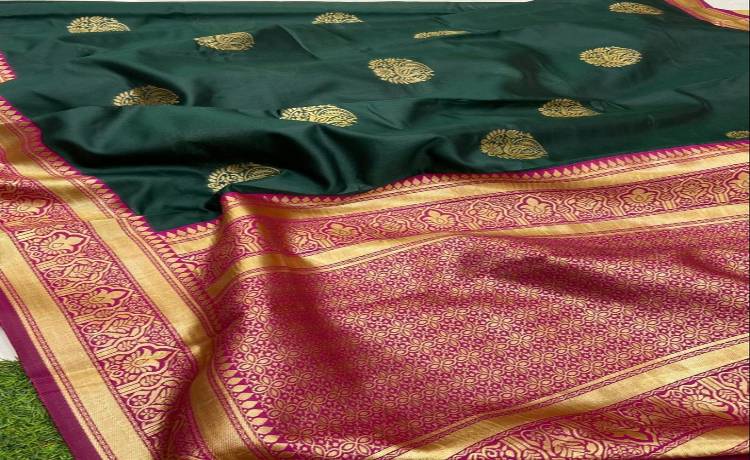
अलमारी खोलते ही पुरानी कांचीपुरम साड़ी सामने आई, तो जैसे वक्त एक लम्हे के लिए रुक-सा गया। हर धागा अपने अंदर एक दास्तां छुपाए बैठा था। कांचीपुरम की ये साड़ियाँ सिर्फ कपड़ा नहीं हैं, एक तहज़ीब हैं, एक नूर है जो हर दुल्हन को अपने रंगों में रंग देती है। आज के दौर में भी, जब दुल्हन अपने मेहंदी से रचे हाथों से इन साड़ियों को लपेटती है, तो सिर्फ एक लिबास नहीं, बल्कि एक पूरी तहज़ीब को अपने साथ ले जाती है।(Kanchipuram Silk Sarees) कांचीपुरम साड़ियों का इतिहास इतना गहरा है कि इसे समझना एक सफर है, जो तमिलनाडु के कांचीपुरम शहर से शुरू होता है। ये शहर अपने प्राचीन मंदिरों और सांस्कृतिक विरासत के लिए मशहूर है, और यही तहज़ीब इन साड़ियों में भी झलकती है। कांचीपुरम के बुनकर अपने आप को ऋषि मार्कंडेय की वंशज मानते हैं, और इन साड़ियों का एक पवित्र रिश्ता भी माना जाता है। जब आप इन साड़ियों को हाथों में लेते हैं, तो ऐसा महसूस होता है जैसे हर धागा अपनी छुपी हुई कहानी सुना रहा हो। बुनाई का हुनर और ज़री का हुस्न कांचीपुरम साड़ियों की खासियत इनके रेशमी धागों और ज़री के काम से है। ये साड़ियाँ मुलबरी सिल्कवर्म के रेशमी धागे से बनाई जाती हैं, जो इनके पल्लव और बॉर्डर्स को एक बेमिसाल चमक और मज़बूती प्रदान करते हैं। ज़री का काम, जो अक्सर असली सोने या चाँदी का होता है, इन साड़ियों को एक रोशनी और नूर से भर देता है। जब आप इन्हें हाथ से महसूस करते हैं, तो ऐसा लगता है जैसे हर तार एक छुपी हुई दास्तां का हिस्सा हो। हर कांचीपुरम साड़ी का नक़्श, जैसे मोर, फूल, या मंदिर के डिज़ाइन, भारत की सांस्कृतिक अमीरी का दर्पण होता है। कई बार रामायण और महाभारत से प्रेरित नक़्श भी देखे जाते हैं। ये नक़्श कांचीपुरम की प्राचीन विरासत को आज भी ज़िंदा रखते हैं, और जब आप इन्हें अपने बदन से लगाते हैं, तो सिर्फ एक साड़ी नहीं, एक पूरा इतिहास पहनते हैं। रंगों का जश्न और शानदार बॉर्डर्स कांचीपुरम साड़ियों के रंग भी अपनी एक अलग पहचान रखते हैं—लाल, नीला, हरा, और पीला जैसे चमकीले रंग जो भारत के त्योहारों और शादियों को और भी रोशन करते हैं। इनके बॉर्डर्स का काम अक्सर अलग रंगों में होता है, जो साड़ियों के पारंपरिक और आधुनिक फ्यूजन का एक हसीन मिसाल है। इनके पल्लव और बॉर्डर्स पर ज़री और रेशमी बुनाई का हुस्न देखने लायक होता है। कोरवाई और पेटनी तकनीक्स का इस्तेमाल पल्लव और बॉर्डर्स को एक-दूसरे से जोड़ने के लिए किया जाता है, जो इन साड़ियों को और भी खास बनाता है। मोटिफों की भाषा: हर धागे में छुपी कहानी कांचीपुरम साड़ियों के नक़्श भी बहुत दिलचस्प होते हैं। जैसे मयिल (मोर), पू चक्रम् (पुष्पक चक्र), और गंडा पेरुंडा (दो सरवाले पक्षी) के डिज़ाइन इन साड़ियों पर आम हैं। ये नक़्श सिर्फ डिज़ाइन नहीं, बल्कि एक जज़्बा और एक कहानी होती हैं, जो भारत की सांस्कृतिक और धार्मिक रिवायत को दर्शाते हैं। टेम्पल बॉर्डर्स, जो अक्सर मंदिर के गोपुरम (मंदिर की छत) के नक़्श से प्रेरित होते हैं, पवित्रता और धार्मिकता का अहसास करवाते हैं। ये नक़्श प्राचीन भारत की सांस्कृतिक धरोहर को सदा ताज़ा रखते हैं। रेशम का शानदार काम कांचीपुरम साड़ियों को दुनिया भर में उनकी स्थायित्व के लिए भी जाना जाता है। इन्हें बनाने में जो रेशमी धागे का इस्तेमाल होता है, वो मुलबरी सिल्कवर्म का होता है, जो दुनिया का सबसे अच्छा रेशम माना जाता है। इस रेशम की चमक और टेक्सचर कांचीवरम साड़ियों को एक बेमिसाल रूप देता है। इन साड़ियों की एक और खासियत है कि इनके थ्रेड्स को और मज़बूत बनाने के लिए इन्हें चावल के पानी में भिगोया जाता है और फिर धूप में सुखाया जाता है। इस वजह से इन साड़ियों की शाइन और स्थायित्व लम्बे समय तक रहता है। आज का कांचीवरम आज के डिज़ाइनर्स ने कांचीपुरम साड़ियों को नए डिज़ाइन और कंटेम्परेरी टच के साथ एक नई पहचान दी है। अब इन साड़ियों में पारंपरिक नक़्श के साथ-साथ चेक्स, स्ट्राइप्स, और ज्योमेट्रिक पैटर्न्स भी शामिल किए जाते हैं, जो एक बेहतरीन फ्यूज़न का अहसास देते हैं। कंटेम्परेरी कलर कॉम्बिनेशन्स और नए रंगों के इस्तेमाल से इन साड़ियों को नए रंग दिया गया है, लेकिन इनकी बुनाई का हुनर अब भी पुराना ही है—वही तहज़ीब, वही रिवायत, बस एक नये अहसास के साथ। कांचीपुरम साड़ियों की कीमत असली कांचीपुरम साड़ियों की कीमत ₹10,000 से ₹2,00,000 तक जाती है, जो इनकी कारीगरी, ज़री के धागे की असलियत, और सिल्क के थ्रेड काउंट पर मबनी होती है। एक साड़ी को बनाने में 10 से 20 दिन लगते हैं, लेकिन अगर काम ज़्यादा इंट्रीकेट हो तो और ज़्यादा वक्त लगता है। इन साड़ियों को हाथ में उठाते ही लगता है कि उसकी कीमत कम है उस तहज़ीब के आगे जो ये साड़ी देती है। कांचीपुरम साड़ियों की खूबसूरती सिर्फ भारत तक सीमित नहीं है, बल्कि ये साड़ियाँ आज पूरी दुनिया में मशहूर हैं। यूएस, यूके और मिडिल ईस्ट के मुल्कों में भी इनका एक्सपोर्ट होता है। ये साड़ियाँ सिर्फ एक कपड़ा नहीं, बल्कि भारत की तहज़ीब और संस्कृति की पहचान हैं, और जब दुनिया के दूसरे देशों के लोग इन्हें पहनते हैं, तो वो एक तरह से भारतीय विरासत को अपनाते हैं।

Destination Food Gujrat Haryana

The diagonal division: Rice Vs Roti in Indian culinary landscape

  • 0 Comments

India is a country with a lot of cultural diversity. And eating habits reflect this rich tapestry. The most striking culinary difference is the division between “rice and bread”, a nutritional contrast often seen on the diagonal that spans the subcontinent One side of this line Rice dominates the daily diet. On the other hand, chapati or roti (a flat bread made from wheat) is a reflective staple. Let us explore this interesting division in more detail. Diagonal illustration The imaginary diagonal dividing India into rice-eating and bread-eating areas begins approximately from Punjab in the northwest. It cuts through the heart of India to Orissa and stretches southeast to Tamil Nadu, although there are always exceptions and overlaps. Where is the bread or the basis of the daily diet?  Rice dominating states 1. South India The states Tamil Nadu, Kerala, Andhra Pradesh, Telangana and Karnataka form the southern part of this divide. of which rice is king South Indian food is synonymous with rice-based dishes like idli, dosa, biryani. and sambar rice Abundant rainfall and favourable weather conditions make the region suitable for rice cultivation. This explains the uniqueness of the local cuisine.  2. Northeast India. The states Assam, Arunachal Pradesh, Manipur, Meghalaya, Mizoram, Nagaland, Tripura are also heavily dependent on rice e.g. together The fertile valleys and mountainous regions of the Brahmaputra are suitable for rice cultivation. Rice is eaten with fish, vegetables and fermented foods and is an important part of the traditional diet. 3. West Bengal and Orissa West Bengal and Orissa are regions where rice plays an important role in daily life. in Bengal Rice is eaten with various curries, lentils, and fish. Food in Orissa is also rice-based. And it is often served with dalma. (cooked lentils with vegetables) and pakla (fermented rice)  4. East Central India Rice is prominent in states like Bihar, Jharkhand and parts of Chhattisgarh especially in rural areas. Although wheat is also consumed (in the form of chapati), but rice makes up the majority of the food. especially in agricultural communities  Roti Dominating States  1. Northern India On the other hand, states like Punjab, Haryana, Himachal Pradesh and some parts of Uttar Pradesh is the main wheat producing region. with chapati or bread as the main food Cooler climates and more favorable soil conditions make wheat cultivation more feasible in these areas. And the result is Bread has become an important part of the daily diet. A meal typically consists of bread paired with vegetables, lentils, and dairy products such as yogurt or butter. 2. Rajasthan Rice cultivation is restricted due to lack of water during the dry season. Rajasthan makes wheat-based food the main source of sustenance Bajra Roti (flat bread in pearl millet) and Missi Roti. (spiced flatbread made from wheat and gram flour) is common in Rajasthani households. 3. Western India Gujarat and Madhya Pradesh prefer to eat bread more than rice. Even though rice is sometimes consumed in small amounts. Popular dishes in Gujarati are rotla (millet kati bread) and thepla (spiced flatbread), often served with pickles and buttermilk.  4. Northern Indian city Bread is commonly found in the city centre of Uttar Pradesh and Bihar while rice remains popular in rural areas. Switching to a bread-based diet in urban areas It reflects broader trends in urban wheat consumption. This may be due to the ease of preparing chapati and lifestyle changes…  Why the divide? The main factors behind this divide are geography and agriculture. Rice growing areas in the southeast and northeast of India have more conducive climates for growing rice. Monsoon season and irrigation facilities support rice fields. Make rice the main crop On the other hand, wheat cultivation is popular in the northwestern region of India. which has a warmer and drier climate Wheat grows well in the fertile plains of Punjab, Haryana and Uttar Pradesh where the winter crop is grown. As a result, chapati or bread made from wheat has become a staple food in these areas. In addition to agriculture Historical influences and trade routes have shaped the dietary habits of these regions. For example, the arrival of Persian and Mughal culinary traditions in the north and west gave rise to flatbread and shaped wheat dishes. New style Makes the popularity of bread more and more… The diagonal lines that demarcate India’s rice and bread diets provide an interesting lens through which to understand the country’s diverse food culture. This divide is rooted in geography, agriculture, and history. It has shaped the daily lives and recipes of millions of people. Although the lines may be blurred in the modern era, But the cultural importance of rice in the south and east and roti in the northwest It remains a prominent feature of the Indian culinary landscape… Whether it is to taste delicious rice with sambar in Tamil Nadu. Or enjoy freshly made rotis with ghee in Punjabi. Indian food traditions are also a delicious reminder of its diversity. Research by- Khushi Aggarwal/Edited by-Pardeep Kumar

Bazar Culture

धनतेरस-जानिए क्यों है खरीददारी का सबसे उत्तम समय

  • 0 Comments

वैसे तो देश में पूरे साल तीज-त्योहारों का सिलसिला चलता रहता है, लेकिन जैसे ही अक्टूबर का महीना दस्तक देता है, मानो उत्सवों की एक बहार सी आ जाती है। अक्टूबर की शुरुआत नवरात्रि से होती है और फिर इन खुशियों का कारवां महीनों चलता रहता है। फाइव कलर्स ऑफ़ ट्रेवल के इस ब्लॉग में हम बात करेंगे धनतेरस की, जिसे दीवाली से दो दिन पहले मनाया जाता है।  1. क्या हैं धनतेरस के मायने ? धनतेरस दो लफ्ज़ों से मिलकर बना है—धन यानी दौलत, और तेरस मतलब तेरहवीं तारीख़। यह दिन दीवाली के दो दिन पहले आता है और देवी लक्ष्मी की पूजा से जुड़ा होता है, जो धन और समृद्धि की मल्लिका मानी जाती हैं। इस दिन लोहे, चांदी, सोने या बरतनों की ख़रीदारी को बहुत मुबारक माना जाता है।  2 . आयुर्वेद और धनतेरस का रिश्ता हमारी तहज़ीब में सेहत को सबसे बड़ी नेमत समझा गया है। इस बात का सबसे बड़ा सबूत धनतेरस है, जिसे राष्ट्रीय आयुर्वेद दिवस के रूप में भी मनाया जाता है। कहा जाता है कि समुद्र मंथन के दौरान भगवान धन्वंतरि अपने हाथों में अमृत का प्याला लेकर प्रकट हुए थे। वो आयुर्वेद के जनक माने जाते हैं और इन्होंने ही दुनिया भर में चिकित्सा विज्ञान का परचम लहराया। धनतेरस का ये दिन सेहत और इलाज के लिए बेहद अहम माना जाता है। इस दिन लोग घर के दरवाज़ों पर तेरस के दीए जलाते हैं, जो एक पुरानी रस्म है और यकीन किया जाता है कि इससे घर में सुकून, चैन और धन-दौलत आती है।  3 . धनतेरस दिवाली से दो दिन पहले क्यों मनाया जाता है? पुरानी मान्यताओं के मुताबिक, समुद्र मंथन के चौदहवें दिन भगवान धन्वंतरि हाथ में अमृत का प्याला लिए प्रकट हुए थे। चूंकि वे प्याला लेकर समुद्र से निकले थे, इसीलिए इस दिन बरतन ख़रीदना शुभ माना जाता है। भगवान धन्वंतरि के प्रकट होने के दो दिन बाद देवी लक्ष्मी भी समुद्र से निकली थीं, और इस वजह से दीवाली से दो दिन पहले धनतेरस का त्यौहार मनाया जाता है।  4 . धनतेरस पर क्या चीज़ सबसे ज्यादा खरीदी जाती है? हमारे देश के लोग अपनी तहज़ीब और धर्म में विशेष आस्था रखते हैं। धनतेरस के दिन लोहा, चांदी, सोना, या बरतन ख़रीदना बेहद शुभ माना जाता है। खासतौर पर पीतल, स्टील या चांदी के बरतन ख़रीदने का दस्तूर है, क्योंकि भगवान धन्वंतरि भी अमृत से भरा कलश लेकर प्रकट हुए थे। इस दिन घर में कोई भी नई चीज़ लाना घर में बरकत और खुशहाली लाता है। हिंदू धर्म ग्रंथों के मुताबिक, यह एक शुभ रिवाज़ है। 5 . भगवान धन्वंतरि और चिकित्सा विज्ञान हमारे देश में हमेशा से यह माना गया है कि सेहत सबसे बड़ी दौलत है। इस दिन को राष्ट्रीय आयुर्वेद दिवस के तौर पर मनाया जाता है। भगवान धन्वंतरि, जिन्हें भगवान विष्णु का अंश माना जाता है, उन्होंने चिकित्सा विज्ञान का परचम लहराया था। इस दिन घर के बाहर दीए जलाने का दस्तूर है, जो सुकून और लंबी उम्र का तोहफा देता है। 6 . देवी-देवताओं की पूजा का रिवाज धनतेरस के दिन सिर्फ देवी लक्ष्मी और धन्वंतरि की पूजा नहीं होती, बल्कि धन वैभव के देवता कुबेर और यमराज की भी पूजा की जाती है। हर प्रार्थना के पीछे एक अलग कहानी है, लेकिन मकसद एक ही है—घर में सुकून, दौलत और सेहत का आना। 7 . धनतेरस की पौराणिक कहानी एक बार यमराज ने अपने फरिश्तों से पूछा कि क्या कभी किसी इंसान की जान लेते वक्त तुम्हें तरस आया है? फरिश्तों ने जवाब दिया, “महाराज, हम तो बस आपके हुक्म का पालन करते हैं।” लेकिन फिर यमराज ने पूछा, “कभी किसी इंसान की जान लेते वक्त तुम्हारा दिल पसीजा है?” तब एक फरिश्ते ने कहा, “हां, एक बार ऐसा वाकया हुआ था।” फरिश्ते ने कहानी सुनाई कि एक बार राजा हेम के घर एक बेटे का जन्म हुआ। ज्योतिषियों ने भविष्यवाणी की थी कि उसकी शादी के चार दिन बाद उसकी मौत हो जाएगी। राजा ने अपने बेटे को एक गुफा में ब्रह्मचारी के रूप में रखा, जहां कोई औरत उसकी परछाई तक न देख सके। लेकिन एक दिन राजा हंस की बेटी उस गुफा तक पहुंच गई और दोनों ने गंधर्व विवाह कर लिया। शादी के चार दिन बाद वही हुआ जो ज्योतिषियों ने कहा था, उस बेटे की मौत हो गई। फरिश्ता कहता है कि उस नवविवाहिता के दर्द भरे विलाप को देखकर उनका दिल पिघल गया था। यह सुनने के बाद यमराज ने कहा, “यह तो तक़दीर का फैसला है।” लेकिन उन्होंने एक हल दिया कि जो लोग धनतेरस के दिन पूजा और दीपदान करते हैं, उन्हें अकाल मृत्यु से निजात मिलती है। 8. दीपदान की अहमियत: दिए जलाओ, घर में रोशनी और बरकत लाओ इसलिए, धनतेरस के दिन भगवान धन्वंतरि, माता लक्ष्मी, कुबेर और यमराज की प्रार्थना की जाती है, और दीपदान किया जाता है, ताकि घर में दौलत के साथ-साथ सेहत और लंबी उम्र का आशीर्वाद हासिल हो।  9 . धनतेरस और इकॉनमी का बूस्ट धनतेरस के दिन खरीदारी का यह सिलसिला सिर्फ व्यक्तिगत समृद्धि तक सीमित नहीं है; यह हमारी अर्थव्यवस्था को भी बूस्ट करता है। जब लोग इस दिन सोने, चांदी और अन्य बहुमूल्य वस्तुओं की ख़रीदारी करते हैं, तो इससे बाजार में तेजी आती है। व्यापारियों के लिए यह एक सुनहरा अवसर होता है, और इससे रोजगार के अवसर भी बढ़ते हैं। इस प्रकार, धनतेरस न केवल व्यक्तिगत समृद्धि का प्रतीक है, बल्कि हमारे समाज और अर्थव्यवस्था के लिए भी महत्वपूर्ण है। जब खरीदारी होती है, तो बाजार में हलचल बढ़ती है, जिससे व्यापारियों, कारीगरों और दुकानदारों का जीवन भी रोशन होता है। इस तरह, धनतेरस का यह त्यौहार हमें आर्थिक मजबूती की दिशा में भी एक कदम बढ़ाता है।