International Lifestyle Travel

Wanderlust in 30 Seconds : Instagram Reels & The Modern Explorers

  • 0 Comments

In this new world of instant content and constructing meaningful narratives, Instagram Reels are the new focal point of destination-based travel stories. The fifteen-to-ninety second slices of video, are almost entirely non-vocal based, and represent more than a collection of visuals; they capture emotion, experience, new things, cuisines, aspirational living, and are all formatted through the creativity of the traveller. Welcome to the world where what you see from behind the lens is equally as important than what is in front of it. Let’s examine the most popular trends in Instagram travel Reels, that are now dominating our feeds for 2025, and changing the way we experience destinations: POV Experiences : “Come with Me” One of the most viral Reels format for travel content is the POV styled walkthrough. The creator’s viewpoint is one of intimacy and inclusion; they are trying to create a feeling of being there. If a follower is craving that subjective thrill of seeing what it’s like to walk through Santorini in their little white alleys, float across the Kerala backwaters or motorbike to problems in Ladakh, they must find a reason and enterprise using Courland’s Instagram Page as a guide. hashtags: #ComeWithMe #POVTravel #WanderWithMe Hidden Gems > Tourist Traps Travel bloggers are moving away from the tried and tested tourist places to focus more on off beat places or hidden gems. Some examples of newer destinations include lesser-known villages in Himachal, beaches at places other than Goa, like Gokarna or Varkala, or other usual places in Europe that travellers have not discovered and where there are no selfie sticks yet. The less “revealed” or “touched” a place is, the greater the engagement. Hook Reel Trends:“Places you did not know exist but should visit”“Travel secrets of India”“Hidden Europe on a Budget” Golden Hour Magic ft. Instagram Reels Aesthetic is still more than relevant – and there is nothing comparable to sunrises and sunsets in reels. When travellers wake up at sunrise to experience the “cinematic” feel and the perfect light. Golden hour is king for all types of content – drone shots, time-lapses, slow-motion walks with music overlays etc. Golden hour = instant engagement. Trendy Reel Audio: Acoustic covers, indie lo-fi, cinematic travel instrumentals Before vs After: The Travel Glow-Up These reels play on transformations, giving the audience the behind the scenes, raw moment, the chaos leading into the episodic, Instagram moments. For example, the struggle of a trek vs the ultimate summit view or the chaos of travel from day 1 to relaxation watching the sunset at the beach. Unique Captions:“Was it worth it? Every step.”“How it started vs how it ended”“From Backpack to Bliss.” Cultural Immersions & Local Living Today’s travellers are no longer only visiting landmarks – they are all about the local experiences of visiting the grandmothers of the village to help them make local foods, folk dancing with locals, making crafts, living with families in homestay and attending local festivals. The cultural immersion experience feels genuine, raw and soulful. Reel Ideas:“Making rotis with Rajasthani locals”“A day in a Nepali homestay”“Dancing garba in a Gujarati village” Sustainable & Slow Travel Vlogs With conscious travel on the rise, reels are now also showing us:Eco stays & treehousesZero waste travel hacksTraveling by train or cycling versus flyingSupporting local artisans and small businesses Hashtags: #SlowTravel #TravelSustainably #EcoReels Viral music syncs via Instagram Reels For a lot of creators, the music absolutely makes the reel! People will have fun with allot of experimenting with trending audio snippets, cultural folk music, film/television/ambient drone scores and music from the 90s we get nostalgic about. Example trends include:Boat snippets with “Dil Dhadakne Do”“Zindagi Na Milegi Dobara” Spain / Road Trip vibes“Pasoori” with Pakistani deserts or forts What’s In My Backpack / How I Afford To Travel In becoming a travel brand, reels are exposing the real side of travel:Budget travelling hacksHow they pack a backpackReviews on travel gear“A day in the life of my budget travelling” Honest Instagram Reels also build trust and offer the audience a more significant value to their content – which is highly relatable shareable content with lots of comments. Solo Travel Diaries through Instagram Reels Especially among women creators, solo travel Reels have blown up. From exploring Sikkim to backpacking in Vietnam, the narrative is about freedom, heeling, and personal growth — all tied together through exerpt tory cinematic. Popular Reel Hooks: “I travelled solo and found a sense of peace” “This was the sign I needed to travel alone” Food Reels: Local Street Food & Café Hopping Whether it’s eating vada pav in Mumbai or drinking matcha in Kyoto, food reels offer viewers a taste of the journey in different bites, literally. They are definitely bite-sized reels with quick transitions, close up bites, and sizzling sounds that are all addictive and very engaging. Trending Themes: Instagram Reels “₹100 food tour in Old Delhi” “Cutest café’s in Paris” “7 Street foods to eat before you die” Final Thoughts: The Lens is Powerful At the end of the day, travel is storytelling. It’s your story. And Instagram Reels serve as your new digital postcard. They express diverse places through feelings, movement, struggle, challenge, spontaneity, etc. The best reels don’t have to be shot with fancy cameras or in amazing places — they can just be an honest perspective, a thought, and a little editing. So, the next time you are packing bags, don’t just plan for a trip, plan for a story board. Behind the lens is a world that millions are wanting to see — through your eyes.
Lifestyle Villages

ग्रामीण पर्यटन, गांवों से शहरों की ओर चल दिया कारवां !

  • 0 Comments

आधुनिकता की चकाचौंध में जहां लोग तनाव और परेशानियों के बीच फंस कर अपनी शहरी जिंदगी से कभी-कभी परेशान हो जाते हैं। ऐसे में, याद आते हैं गाँव, और ग्रामीण पर्यटन । हरियाली की चादर ओढ़े सहर, ठंडी हवाओं मे लिपटी शाम और धीरे-धीरे चलती सुकून भरी ज़िंदगी। जहाँ बिना किसी फैक्ट्री के धुएँ की सांस होती है और छत पर सुकून की नींद। ग्रामीण पर्यटन भारत सरकार की राष्ट्रीय पर्यटन नीति (2022) के अनुसार ग्रामीण पर्यटन वह प्रक्रिया है जिसमें शहरी और बाहरी पर्यटक गांवों की संस्कृति और जीवन शैली को समझने के लिए और वहां का अनुभव लेने के लिए जाते हैं। यह पर्यटन केवल सैर सपाटा नहीं बल्कि सामाजिक-सांस्कृतिक सहभागिता का मंच भी है। जहाँ पर्यटन का रुख प्राकृतिक, सांस्कृतिक और सामुदायिक अनुभवों की ओर मुड़ जाए। ग्रामीण पर्यटन में क्या होता खास? सांस्कृतिक और पारिवारिक अनुभव जब आप किसी गांव में घूमने जाते हैं वहां कुछ दिन बिताते हैं तो आप केवल उसे जगह को ही नहीं बल्कि वहां की संस्कृति को समझते हैं। उसे जगह से जुड़ी, वहां के लोगों से जुड़ी परंपराओं को भी जानते हैं। पर्यावरण की समझ ग्रामीण इलाके अक्सर हरियाली से भरपूर होते हैं। गांव में रहने वाले एक व्यक्ति को पेड़ पौधों की अच्छी खासी समझ होती है। ग्रामीण पर्यटन के दौरान पर्यटक गांव के स्थानीय लोगों से रूबरू होते हैं जहां वे पर्यावरण और खेती-किसानी को उन लोगों से समझते हैं, जिनसे खेती सीधी तौर पर जुड़ी हुई है। स्थानीय लोगों से जुड़ने का मौका जब आप किसी हिल स्टेशन पर घूमने जाते हैं तब शायद आपके साथ जाने वाला पर्यटक ही आपका साथी हो, लेकिन जब आप एक गांव में घूमने जाते हैं तब स्थानीय समुदायों की भागीदारी संभावित रूप से बढ़ जाती है। जानें, ग्रामीण पर्यटन कहां से शुरू हुआ? 1980 के दशक में एग्रो टूरिज्म (Agro tourism) के रूप में यूरोप से ग्रामीण पर्यटन का विचार उभरा। भारत में ग्रामीण पर्यटन की धारणा Rural Tourism Strategy और End to end development of rural tourism योजना के बाद शुरु हुई। इसे आगे बढ़ाने में भारत सरकार की कुछ मुख्य पहल शामिल हैं- केस स्टडी: मावलिननोंग, मेघालय – एक मॉडल गाँव मावलिननोंग, एशिया का सबसे स्वच्छ गांव है। मावलिननोंग, के स्थानीय स्कूलों में ‘पर्यटन और संस्कृति’ पाठ्यक्रम को जोड़ा गया और यहां के स्थानीय समुदायों ने अपशिष्ट प्रबंधन (Waste management) का इतना बेहतर कार्य किया कि यहां 70% तक ग्रामीण पर्यटन गतिविधियों में बढ़ोतरी हुई। इससे sustainable tourism को भी बढ़ावा मिलता है और पब्लिक-प्राइवेट कम्यूनिटी पार्टनरशिप जैसी योजनाओं में भी इजाफा होता है। ग्रामीण पर्यटन केवल सैर सपाटे तक ही सीमित नहीं है बल्कि इससे बहुत सी ऐसी चीजें जुड़ी हैं जो शायद हम आमतौर पर सोचते भी नहीं हैं। इससे जुड़ा है गांव का विकास, इससे जुड़ी है संस्कृति को पहचान मिलने की एक दिशा, इससे जुड़ी है एक शहरी व्यक्ति को मिलने वाली शांति।ग्रामीण पर्यटन, आगे बढ़ते हुए भी अपनी जड़ों के साथ चलने का बेहतरीन उदाहरण पेश करता है और जड़ों की ओर लौटने के सुकून का एहसास कराता है।

Review Travel

Sustainable Travel & Biodiversity Homestays: A Conscious Way to Wander in 2025

  • 0 Comments

Travelling is evolving as climate change and over tourism reshape our world. Gone are those days of hill-top five-star hotels and carbon-heavy air travel! In 2025, sustainable travel & biodiversity homestays form the new trinkle, quiet experiences that are deeply connected with Mother Nature. In a nutshell, here are some of the hottest themes in this goosebump-maker-faster-growing movement. Biodiversity Homestays: Living Amidst Nature From pristine greenery in the Western Ghats to the virgin lands of Himalayan villages, biodiversity homestays are sprouting in India’s richest biodiversity zones. Usually family-run or small establishments, these stay and lodge facilities use local materials and are tucked away right into or on the edge of protected reserves or forests. Waking up to the croaks of hornbills in Meghalaya or standing up and sipping on turmeric tea in Coorg on a farm — these stays offer the rare raw and rooted experience. Carbon Neutral Travel: How Homestays Help Compared to carbon-intensive resorts, homestays claim to operate on renewable energy, with minimum concrete footprint. Most employ solar energy, composting toilets, and rainwater harvesting techniques. Travelers check carbon offset reports more than ever before in 2025 while making their booking, and biodiversity homestays are the frontrunners. Indigenous Communities & Cultural Preservation Biodiversity is not only flora and fauna, but also about people. Throughout India, homestays run by tribal and indigenous families are helping preserve traditional agricultural practices, systems of medicine, and even some endangered languages. To give an example, a stay with the Angami tribe in Nagaland may teach you how to weave bamboo baskets or ferment soya beans the traditional way. Farm-to-Table Movement in Rural Homestays Imagine sitting at a table eating the fruits of the earth right outside your window. In 2025, many biodiversity homestays embrace the farm-to-table movement: they offer organic vegetables, herbs from the forest, breads made of millet, and dairy products that have never known chemicals. In fact, some homestays go one step further-have guests pick their meals or partake in sustainable cooking classes. Rewilding & Conservation Tourism Some of the most visionary biodiversite stays go further and actively restore ecosystems. Be it through tree planting, wetland conservation, or even the reintroduction of native species, these stays are more than just shelters-they’re about rewilding. Volunteers who are interested in longer stays may do hands-on conservation while enjoying more serene surroundings. Slow Travel: Nature-Based The buzzword for 2025 is slow travel-concentrating on fewer locations for extended stays. Biodiversity homestays follow this mode. Instead of moving through 5 towns in 5 days, the travellers will spend 1-2 weeks in quiet, immersive spaces learning local skills. Some popular slow travel destinations are: Spiti Valley (Himachal) The Nilgiris (Tamil Nadu) Dzongu (Sikkim) Kanha buffer villages (MP) Green Seal for Homestays The rise of awareness has made eco-certificates the normal certification in some regions. These organizations participating in awarding green stamps to certification thereof for a stay include Ecotourism Society of India, EarthCheck, and Atithi Bamboo Marks in the Northeast. Many travelers sort their options according to this green seal of approval. Tech Meets Sustainability: Booking Eco Homestays 2025 is witnessing a surge in tech-facilitated sustainable travel. Websites such as: Ecobnb Fairbnb RuralStay India enable users to discover vetted eco-homestays with attributes such as “zero plastic”, “organic food”, or “community-run”. AI travel planners are even providing itineraries centered around biodiversity and wellness. Battling Over-tourism: The Homestay Solution Popular spots such as Rishikesh, Manali, or Goa are now grappling with waste, congestion, and environmental pressure. As opposed to this, biodiversity homestays in lesser-known areas spread footfall, lower stress on hotspots, and directly help local conservation initiatives. They restrict visitor numbers, dispose of waste properly, and tend to work under community tourism principles. Women-Led Sustainable Homestays A heartwarming trend is the emergence of rural eco-tourism woman entrepreneurs. Women-run self-help groups are now operating a large number of biodiversity homestays — from Maharashtra’s Sahyadri hills to Sundarbans’ mangroves. These ventures are providing livelihood, dignity, and sustainability, all at the same time. Edutravel: Learn While You Wander For most, travel in 2025 isn’t so much about looking as it is about learning. Biodiversity homestays now feature: Birdwatching trails Wild mushroom walks Herbal medicine workshops Soil regeneration tours Families, students, and nature enthusiasts are opting for “edu-travel” as a responsible way to discover the wilderness. Post-Pandemic Shift to Remote, Sustainable Travel The pandemic rebooted the way we travel. Today, more than ever, travellers want remote, serene, work-happy destinations that are nature-abundant and socially conscious. Homestays have changed, providing: Wi-Fi-friendly eco-cottages Yoga and mindfulness retreats Seasonal detox and forest therapy programs Final Thoughts: The Future of Travel is Green, Local, and LovingBiodiversity homestays are more than just a stay — they’re a philosophy. A chance to pause, to care, to contribute. In 2025 and beyond, the real luxury isn’t marble bathtubs or rooftop jacuzzis. It’s clean air, untouched forests, homemade millet rotis, and stories shared by a warm local host. As travellers, we have a choice now — to leave no trace, to conserve biodiversity, and to travel back.So the next time you pack your bags, try taking a path where the world smiles too.

ladakh Review Travel

Airbnb: Why More Travellers Are Ditching Hotels for Homes?

  • 0 Comments

Today, Travel isn’t what it used to be. Those days are gone when people simply booked a hotel, checked in, and called it a vacation. Today’s travellers are seeking more and more authenticity, connections, more comfort. This evolving mindset has given birth to a game-changer in the world of travel — one that’s personal, flexible, and far from ordinary: Airbnb. What Airbnb actually is? Airbnb isn’t a hotel chain. It’s a peer-to-peer platform that connects travellers with local hosts who rent out their homes, apartments, guest rooms, and even treehouses, boats, or tiny cottages. It started in 2007 (officially in 2008) when two roommates in San Francisco rented out an air mattress in their living room to make some extra cash, calling it “Air Bed and Breakfast.” Fast forward to today, Airbnb has over 5 million listings across 220+ countries, and the idea of staying in someone’s home rather than a hotel room has become not only acceptable, but also preferred by millions. Why Are People Choosing Airbnb Over Hotels? It Feels More Like Home. Hotels are designed for convenience, but not necessarily comfort. Airbnb flips that — you’re not just a “guest,” you’re someone stepping into a real home. You get cozy couches, a kitchen to cook your breakfast, maybe a dog in the backyard, and a view from the balcony that doesn’t feel like it came out of a standard catalog. For families, groups, or even solo travelers who value a “lived-in” space, this is game-changing. More Space, Less Cost One of Airbnb’s biggest advantages is cost-effectiveness. Especially for longer stays or group travel. For the price of one standard hotel room, you can often get an entire house, with multiple bedrooms, a kitchen, laundry, and outdoor space. In fact, a study by NerdWallet found that Airbnb stays are on average 32% cheaper than hotels for group bookings, and offer more space. Stay Like a Local Hotels usually land you in tourist zones – loud, overpriced, and often detached from the real soul of the city sometimes. Airbnb lets you live in neighbourhoods where locals live. You might find a tiny bakery downstairs, kids playing cricket in the alley, or a morning tea stall just around the corner. It’s immersive and authentic in a way that hotel lobbies just can’t match. Unique and Creative Stays This is where Airbnb truly shines. Want to stay in a yurt (a portable round tent) under the stars? A restored windmill? A 300-year-old haveli in Rajasthan? Airbnb makes this not just possible but incredibly easy. Its “Unique Stays” category is now one of its most searched and booked sections — showing that travellers crave not just destinations, but experiences. Who Are the Hosts? One of the most charming aspects of Airbnb is the hosts. These are not hotel managers — they’re artists, teachers, retired couples, or passionate locals who love their city and want to share a piece of it with you. Some leave hand-written welcome notes, others offer home-cooked meals or give insider tips you’d never find in a guidebook.It turns your trip into something deeply personal. Is Airbnb Safe? This is a common concern and a valid one. But, Airbnb has taken serious steps to ensure guest and hosts safety: Booking Is Super Easy To book an Airbnb stay: Airbnb in India: Growing Beyond the Metros While Airbnb took off in cities like Delhi, Mumbai, and Goa early on, it’s now thriving in smaller towns and offbeat destinations too. From artist-run studios in Dharamkot, to eco-huts in Hampi, and royal homestays in Jaipur, India’s Airbnb scene is diverse, culturally rich, and full of hidden gems. According to Airbnb’s 2023 India Report, bookings in tier-2 and tier-3 cities grew by over 80% year-over-year, showing how Indians are embracing this shift in travel. It’s Not Just a Stay, It’s a Story.. Airbnb isn’t just about accommodation. It’s about connection. When you stay in someone’s home, you don’t just visit a place — you live it. You build tiny memories: a cup of tea with your host, a forgotten book in the guest room, a street food recommendation that ends up being the best part of your trip. So the next time you plan a getaway, pause before hitting “Book Hotel.” Try Airbnb. You might just find a second home… somewhere you’ve never been before.

Delhi Travel

Rise of the Airbnb Culture in the Delhi NCR: A New Generation of Travellers

  • 0 Comments

With summer spreading its wings across India and the travel diaries bursting open, the name getting massive traction among millennials and Gen Z travellers is Airbnb. In the metropolis areas of Delhi NCR especially, Airbnb in itself has promoted from just another budget stay to a lifestyle offering, with everything from private villas with swimming pools to penthouses for all sorts of parties under budget. Thus we present a complete guide to the best Airbnbs in Delhi NCR, categorized by budget, vibe, and purpose, along with why Indian travelers are choosing Airbnbs over hotels. Delhi NCR Top Airbnb Under ₹5,000 If traveling low on the budget does not mean compromise on comfort, then Delhi NCR can offer some aesthetic and well-equipped Airbnb options under ₹5,000. Perfect for solo travelers, couples, or business trips: Studio Retreat, Hauz Khas Village – Artistic decor and cozy vibes; great walking area to cafes. Boho Hideout, South Delhi – Minimalist interior with lots of plants. Private Room in Noida’s Eco Village – Secure gated society with balcony views.Tip: Listings that allow for early check-in would be handy if you are arriving by morning train/flight. Best Airbnb in Delhi NCR Under ₹10,000 Need a slight bit of luxury without going overboard? The ₹5k–₹10k range is great from families and groups. Heritage Bungalow in Civil Lines – A colonial-3BHK with lawns. Urban-Chic Penthouse in Gurugram – Rooftop sights and modern conveniences. Designer Loft in Greater Kailash – Near markets, great for getaways. Airbnb in Delhi for Parties With noise, and gathering policies steadily being tightened in hotels, party planners have turned to Airbnbs for birthday bashes, bridal showers, or a weekend jam session: Luxury Villa, Chhatarpur – With garden space and BBQ facilities. Music-Friendly Farmhouse, Noida – Large lawns, disco lights, pool. Boho-Themed Rooftop, Shahpur Jat – Keep the sun down parties going. Whenever possible, check with the host about the policy on volume of music and the guests to avoid penalties. Best Airbnb in Delhi with Private Pools If you are a first-time visitor to Delhi, you will experience more localness and immersion by staying in an Airbnb than in hotels: Central Location Apartment, Connaught Place – Near a metro station, easy for walking tours. Cultural Guesthouse, Karol Bagh – Hosted by a family that prepares home-cooked meals. An Urban Stay near Lodhi Gardens for art and nature lovers alike. Choose homes close to Delhi’s major tourist attractions for the sake of an easy commute and brilliant photo ops. Summer Travel Trends Among Indian Travellers (2025) Indian travelers tend to be reshaping the way they’ve been staying. The year 2025 will witness trends like: Staycations are hitting air: Weekend rides to Airbnb villas near Delhi. Experience-based travel: Cooking Workshops, Yoga Retreats via Airbnb Experiences. Group > Solo: Friend groups and big family reunions book bigger Airbnbs. Pet-friendly stays: Upward trend for pet-owning parents leaning towards Airbnb as against hotels. Have You Ever Gotten an Airbnb Yet? What You Got to Expect Most first-timers tend to be unsure, but when you try an Airbnb, doors open to: Individual spaces Local hosts and tips from them Homely amenities (kitchens, washing machines, balconies) Better value for money than hotels, especially if you are a big group Why Prefer Airbnb Over Hotels in Delhi NCR Cost of Airbnbs is more affordable for groups than hotels for long stays Flexibility of Airbnbs :It has kitchen, self check-in/out Fixed rules and timingsAesthetic Unique, Instagrammable interiors Generic rooms. Last Thoughts Whether you’re a budget traveler, a luxury seeker, or just someone trying to throw the ultimate pool party this summer, Airbnb in Delhi NCR is a travel trend you should consider. With tailored stays, local charm, and endless Instagrammable places, you don’t have to arrive at your next destination and feel like you’re checking into a hotel. You can feel like you’re at home, if not better. So… Airbnb: Have you tried it yet?

Culture Lifestyle Travel

India, The Land of Wandering Fakirs- Nomads and Their Spirit

  • 0 Comments

In the fast-paced, ultra-connected world where we live, the idea of slowing down and living out of a backpack might sound either romantic or reckless. But for some(fakirs), it’s neither. It’s just life. There is something quiet rebellious about choosing a road without a destination, and in India, this way of living has ancient roots. From barefoot fakirs wandering sacred lands to digital nomads checking emails from Himalayan cafes, the spirit of this movement lives on. Who are Fakirs? (Nomads) These aren’t just any wanderers — they’re spiritual seekers and curious minds. In Bengal, the Bauls roam from village to village singing songs that are actually spiritual philosophies. In the deserts of Rajasthan, Sufi fakirs blend poetry with devotion, creating music that’s as sacred as, it is soothing. Watch any of the YouTube documentaries on them and you’ll see it; their life is performance, prayer, and pilgrimage all rolled into one. They carry almost nothing, yet seem to have everything that matters — rhythm, faith, and presence. No rush, no destination-only devotion; Spiritual nomads This idea of spiritual nomadism isn’t just historical or poetic – it’s the echo of a timeless human longing. Some fakirs, like those featured in “The Last of the Singing Fakirs,” (On Youtube) live with nothing but a cloth bag and a voice full of stories. They rise before sunrise, offer silent prayers, and walk cities barefoot, spreading blessings with no need for a map. There’s no rush, no destination — only devotion. Their life is minimalism with meaning. Fakirs Vs Modern nomads Now let’s fast forward! Imagine someone like you or me -with a laptop, a phone, maybe a GoPro – wandering between Goa, Rishikesh, and McLeod Ganj. They’re working remotely, sipping masala chai between meetings, and editing videos by candlelight. That’s the modern nomad. In YouTube vlogs like “Day in the Life of a Digital Nomad in India”, you see this curious blend of tradition and tech. There’s still the spirit of movement, but now it’s powered by Wi-Fi and wanderlust. But here’s the thing — both types of wanderers have more in common than we think. For fakirs, the road is their temple. For digital nomads, the road is their office. Neither seeks luxury. They travel light, live slow, and measure wealth not in rupees or dollars, but in experiences and connections. Blessings from fakirs and potlucks with digital nomads Fakirs bless strangers they meet. Digital nomads host potlucks in hostels, swapping stories instead of business cards. In both cases, discomfort is part of the deal. Fakirs endure harsh weather, long pilgrimages, and solitude. Digital nomads battle visa issues, flaky internet, and culture shocks. But there’s beauty in this rawness. It sharpens your senses, deepens your gratitude, and teaches you that home isn’t a place – it’s a feeling. How can you, ‘Start small’? There are powerful lessons here for all of us. You don’t need to give up your job or sell everything to live like a nomad. Start small. Maybe take your work to a quiet mountain town for a week. Unplug on weekends. Replace scrolling with journaling. Listen more than you speak. Watch videos from actual nomads and fakirs — feel the rhythm in their steps, the grace in their gaze. And maybe most importantly, question what “success” means to you. Because when you see a fakir dancing barefoot in the rain or a digital nomad working from a beach with a smile you can’t fake, you realize something: they may not have a house, but they have home. Deeply, wildly, peacefully, home! So, whether you’re drawn to the Sufi chants echoing in narrow lanes or the glow of a laptop under Himalayan stars, know this — you don’t have to fit into anyone’s idea of a life well lived. Your path can be slow, your rhythm your own. And somewhere along that winding road, you might just find what you weren’t even looking for! yourself.

Review Travel

क्यों होते हैं पर्यटकों के लिए हिल स्टेशन पर मॉल रोड?

  • 0 Comments

हिल स्टेशन पर मॉल रोड होने के पीछे के कारण और इसका इतिहास दोनों ही रोचक हैं। चलिए इसे दो हिस्सों में समझते हैं: मॉल रोड मुख्यतः एक ऐसी जगह होती है जहां लोग आराम से घूम सकें, खरीदारी कर सकें, कैफे और दुकानें हों, और सामाजिक मेलजोल हो सके। हिल स्टेशन पर मॉल रोड इसलिए जरूरी होते हैं क्योंकि, हिल स्टेशन पर पर्यटक मुख्यतः आराम, प्राकृतिक सुंदरता और खरीदारी के लिए आते हैं। मॉल रोड इस तरह की सुविधाएं देता है। मॉल रोड स्थानीय लोगों को रोजगार देता है और हिल स्टेशन की अर्थव्यवस्था को मजबूत करता है। मॉल रोड पर लोग एक साथ बैठते हैं, बातचीत करते हैं, और त्योहार मनाते हैं। हिल स्टेशनों की संकरी और पहाड़ी सड़कें होती हैं, मॉल रोड एक सुरक्षित और व्यवस्थित जगह होती है जहाँ पर्यटक आसानी से घूम सकें। क्या यह अंग्रेजों की पहल थी? हाँ, मॉल रोड की अवधारणा और इसका विकास अंग्रेजों के समय से जुड़ा है।भारत में हिल स्टेशन का विकास ब्रिटिश काल में हुआ था। अंग्रेज अपने देश की ठंडी जलवायु के लिए हिल स्टेशन विकसित करते थे ताकि गर्मियों में वे वहाँ आराम कर सकें। 19वीं सदी के मध्य में ब्रिटिश शासन ने शिमला को अपनी ग्रीष्मकालीन राजधानी (Summer Capital) बनाया। गर्मियों में ब्रिटिश अधिकारी और उच्च अधिकारी शिमला में आकर ठंडी हवा और प्राकृतिक सुंदरता का आनंद लेते थे। शिमला में ब्रिटिशों ने अच्छी सड़कें, सरकारी भवन, स्कूल, चर्च, और मनोरंजन स्थलों का विकास किया। यहां का वास्तुकला अंग्रेजी शैली में था, जिससे शिमला में यूरोपियन टच आया। शिमला में ब्रिटिश प्रशासन ने कई महत्वपूर्ण कार्यालय स्थापित किए, जो पूरे भारत की प्रशासनिक प्रणाली के लिए आवश्यक थे।अंग्रेजों ने हिल स्टेशनों में व्यवस्थित शहरी ढांचा बनाने पर जोर दिया, जिसमें मॉल रोड जैसी सार्वजनिक जगहें बनाईं गईं जहाँ वे सैर-सपाटा कर सकें, खरीदारी कर सकें और सामाजिक कार्यक्रम कर सकें। मॉल रोड को आमतौर पर अंग्रेजों ने पैदल चलने वाले रास्ते के रूप में डिजाइन किया ताकि वे पहाड़ों की ठंडी हवा और प्राकृतिक सुंदरता का आनंद उठा सकें।यह भी देखा गया कि मॉल रोड पर अंग्रेजों के लिए शॉपिंग, कैफे, क्लब और अन्य मनोरंजन के साधन होते थे, जो स्थानीय भारतीय बाजारों से अलग थे। इसलिए, हिल स्टेशन पर मॉल रोड का विचार और इसका विकास ब्रिटिश शासनकाल की सामाजिक और प्रशासनिक जरूरतों के अनुसार हुआ।ब्रिटिश काल में हिल स्टेशनों का विकास और मॉल रोड का महत्वब्रिटिश अधिकारी और सैनिक भारत की गर्म, उमस भरी जलवायु से बचने के लिए ठंडी और शीतल जलवायु वाले पहाड़ी क्षेत्रों की ओर जाते थे। इसीलिए 19वीं सदी में कई हिल स्टेशन विकसित किए गए, जैसे शिमला, मसूरी, नैनीताल, दार्जिलिंग, औली आदि। कई हिल स्टेशनों को ब्रिटिश सरकार ने अपना प्रशासनिक केंद्र बनाया। उदाहरण के लिए, शिमला को ‘ग्रीष्मकालीन राजधानी’ घोषित कर दिया गया था। वहाँ गर्मियों में ब्रिटिश अधिकारी और कर्मचारी रहते थे। ठंडी हवा, स्वच्छ वातावरण और प्राकृतिक सुंदरता से स्वास्थ्य लाभ होता था, इसलिए हिल स्टेशन ब्रिटिश लोगों के लिए विश्राम स्थल बने। मॉल रोड का जन्म अंग्रेजों ने हिल स्टेशनों में ऐसा शहरी ढांचा विकसित किया जहाँ वे आराम से घूम सकें, खरीदारी कर सकें और सामाजिक मेल-जोल कर सकें। इसके लिए मॉल रोड बनाए गए। मॉल रोड को पैदल चलने वालों के लिए विकसित किया गया ताकि बिना गाड़ियों की भीड़ के, लोग खुले वातावरण में घूम सकें। मॉल रोड पर कैफे, क्लब, शॉपिंग स्टॉल, बुक स्टॉल, और सार्वजनिक सभा स्थल बनाए गए जहाँ ब्रिटिश अधिकारी अपने खाली समय में मिल सकते थे। सफाई और सुरक्षा: अंग्रेजों ने मॉल रोड को साफ-सुथरा, व्यवस्थित और सुरक्षित बनाया ताकि ब्रिटिश लोगों को आरामदायक अनुभव मिल सके। मॉल रोड पर स्थानीय कारीगरों और व्यापारियों को अपने उत्पाद बेचने का मौका मिला। इससे हिल स्टेशनों की अर्थव्यवस्था मजबूत हुई।ब्रिटिश काल में हिल स्टेशनों की लोकप्रियता बढ़ने से पर्यटन उद्योग भी फल-फूल गया। मॉल रोड पर्यटन का केंद्र बन गया। मॉल रोड का आधुनिक युग में महत्व आज भी भारत के कई हिल स्टेशनों में मॉल रोड पर्यटन का मुख्य आकर्षण है। यह ब्रिटिश युग की विरासत है जिसे आधुनिक दौर में भी संजोया गया है। मॉल रोड पर पर्यटक न केवल खरीदारी करते हैं बल्कि स्थानीय संस्कृति, भोजन, और हस्तशिल्प का आनंद भी लेते हैं।

Travel

Offbeat Trekking Trails in Monsoon-The Hidden Gems of Nature

  • 0 Comments

A drop of rain falling on the earth and mist being breathed in by the valleys, enables the trekking to become an artistic escape. With the monsoon-onlytreks getting too crowded, it is these off-the-beaten-trails that allow one to really connect with nature. Here is a saying of lesser-known, rain-soaked wonders, and experiences that redefine wet-season adventures: India: Hidden Monsoon Treks Let the common folks play the mainstream and step into strange paths aglow with green and mystery. Tarsar Marsar (J&K): Alpine lakes against grey skies and green slopes. Kudremukh (Karnataka): Meandering meadows and fog-laden hills. Harishchandragad via Nalichi Vaat (Maharashtra): Admittedly vertical comings and goings of adventure and ancient caves. Koyna Forest( Maharashtra): Dense canopy, leech Kerala, raw, and untouched. Dzukou Valley (Nagaland-Manipur): Carpeted with monsoon blooms and cloud dances. These trails go on to promise solitude, breathtaking beauty, and the deafening silence that heals your soul. Cloud-Kissed Trails and Valley Walks Nothing beats being walks through clouds, literally. Mawsynram Ridge Walks (Meghalaya): The fog plays hide and seek every few steps . Sandakphu–Phalut Trail (WB–Sikkim boundary): Clouds moving in towards the valley as if being snatched by some pillar from the heavens. Coorg’s Coffee Valley Trails: Periwinkle mist soars around estates and trails alike. Every twist and turn forms a painting forever etched into your memory. Eco-Trekking and Biodiversity Hotspots The monsoon showers infuse life into the forests-frogs croaking in symphony, flowers blooming in an almost wild way. Agumbe (Karnataka): King Cobra habitat and “Cherrapunji of the South” in India. Silent Valley (Kerala): Free from human disturbance, providing ecosystems full of life. Jawi Forest (Rajasthan): Rare monsoon grasslands to trek in, accompanied by leopards and peacocks. Respect the wild, and it shows you its most pristine beauty. Monsoon Camping and Waterfall Trails Finish your treks with showers from nature’s thunderclaps — cascades. Devkund (Maharashtra): A hidden pool paradise following a walk through thick forests. Irshalgad Trek: Rocks and cliffs, wetter with waterfalls emerging from ancient ridges. Double Decker Bridge Trek in Meghalaya: Soaking wet and worth every single step. Add tents, chai, and starry nights for that much-needed magic. Hidden Gems That Are Instagram-Worthy Looking for pictures to make your feed pop? These monsoon beauties will deliver. Garbett Plateau (Maharashtra): Wide green landscapes against rain-washed skies. Ziro Valley (Arunachal): Bamboo trails drenched in mist. Kumara Parvatha (Karnataka): Peak selfies with clouds at your feet. Capture nature in all its glory on a rainy day. Monsoon trek: Safety and essentials Of course, it’s dreamy. But with monsoon trekking, preparation is key. Gear up: Waterproof shoes, ponchos, dry bags. Tread carefully: Trails are slippery; trekking poles will help you. Stay alert: Avoid flood-prone areas; keep monitoring weather alerts. Being prepared will ever-so-slightly save you from utter disaster. Mindful Trekking and Forest Bathing Monsoon treks become therapy. Silently walk through rainforests — listen to the forest breathe. Carry a journal or sketchbook to record the ambiance. Stop frequently. Smell wet soil. Let the leaves brush past. Slow trekking is fast detox. Local Food and Monsoon Delicacies on the Trail Every trek deserves a local mouthful. Maharashtrian hot pakoras and chai at the base villages. Northeast trails eat steamed bamboo rice with pork stew. Karnataka treks finish with Malnad cooking (ragi mudde, spicy chutneys). Trekking + eating = perfect monsoons. Cultural Treks: Temples and Legends in Rain Almost all monsoon trails carry their own folklore. Harihar Fort (Maharashtra): Trek up the vertical staircase to the temple at the cliff edge. Bhairavgarh (MP): Just before the monsoon, the locals worship the rain gods while trekking this trail. Yana Caves of Karnataka: Rain-laden limestone cliffscapes sheltering sacred caves to worship. Walk with myth while the rain sings its ancient songs. Short Weekend Monsoon Treks Near Cities Got only a weekend? Here’s your quick green escape list: From, Mumbai: Rajmachi, Kalsubai, Visapur Bangalore: Skandagiri, Makalidurga, Tadiandamol Delhi: Nag Tibba, Triund (post-monsoon), Lansdowne forests Kiss the clouds between workweeks with power thunder! Closing Notes Offbeat monsoon treks give more than just views; they’re about calmness, wilderness, and reconnection. Whether it is an adrenaline rush or an inner quest that one might seek, there is a rain-washed path awaiting every wanderer. So this monsoon, skip the crowd. Follow the muddy path. Get drenched. Discover the barest version of nature.

Rajasthan Travel

झीलों की नगरी में मौजूद उदयपुर का एक खास किला- मॉनसून पैलेस।

  • 0 Comments

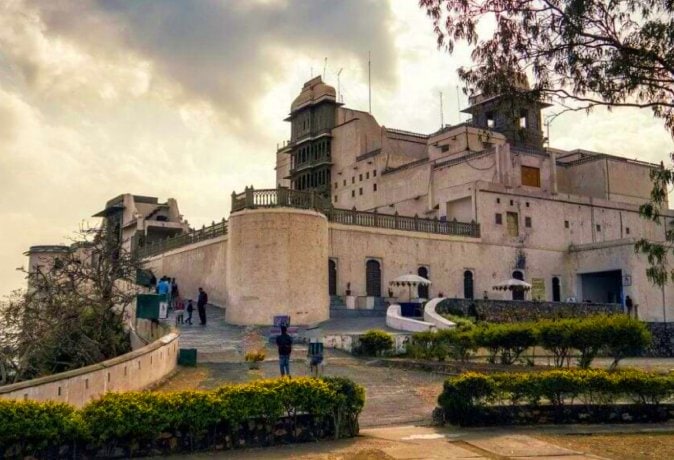
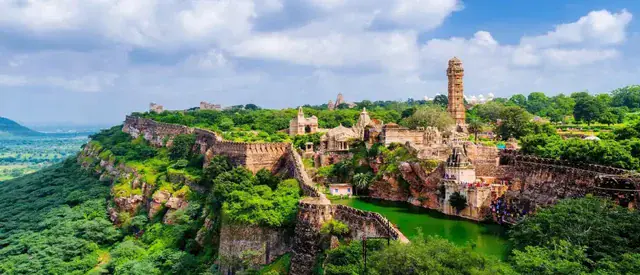
राजस्थान, भारत देश का एक ऐसा राज्य है जो अपने रेगिस्तान, गढ़ और किलों के लिए मशहूर है। राजस्थान की शाही वास्तुकला के चर्चे भारत ही नहीं बल्कि पूरी दुनिया में है। यहाँ हर किले की अपनी एक अलग कहानी है। उदयपुर से जयपुर तक राजस्थान की खूबसूरती का तो जवाब ही नहीं है, जहाँ तक निगाह जाती है राजसी दीवारें और किले ही नज़र आते हैं। आज हम जानेंगे राजस्थान में स्थित एक ऐसे दिलचस्प और सुंदर किले के बारे में जो उदयपुर के इतिहास का एक दिलचस्प हिस्सा है। वह हिस्सा जो आज तक बखूबी कायम है। झीलों की नगरी, महलों का शहर- उदयपुर झीलों की नगरी के नाम से प्रख्यात भव्य महलों, शांत झीलों और ऐतिहासिक किलों के लिए पूरी दुनिया में प्रसिद्ध, उदयपुर। उदयपुर जिसे कभी-कभी पूर्व का वेनिस भी कहा जाता है, राजस्थान के दक्षिणी भाग में स्थित है। राजस्थान के अन्य क्षेत्रों की तरह उदयपुर का इतिहास भी केवल इसकी खूबसूरती ही नहीं बल्कि शौर्य गाथाओं से भी जुड़ा है। उदयपुर की मिट्टी से महाराणा प्रताप जैसे योद्धा निकले। अनेक शासकों ने यहाँ किलों से महलों तक का निर्माण करवाया। उदयपुर के कुछ प्रमुख किले- कुंभलगढ़ किलासज्जनगढ़ किलाचित्तौड़गढ़ किलाहल्दीघाटी किलाउदयपुर का राजमहल (सिटी पैलेस परिसर का किला) मॉनसून पैलेस – सज्जनगढ़ किलाउदयपुर में अरावली की पहाड़ियों की चोटी पर एक प्रमुख ऐतिहासिक और दर्शनीय स्थल, मॉनसून पैलेस जिसे सज्जनगढ़ किला भी कहा जाता है। मॉनसून पैलेस का इतिहास जानें- सज्जनगढ़ किले का निर्माण 1884 ई. में महाराणा सज्जन सिंह ने करवाया था। महाराणा सज्जन सिंह मेवाड़ के 72वें शासक थे। सज्जनगढ़ किले का निर्माण अरावली पहाड़ी की चोटी पर एक वेदशाला (Observatory) बनाए जाने के विचार से हुआ। जिससे मौसम का पता लगाया जा सके। यह पैलेस, सफेद संगमरमर से बना है और इसकी बनावट में ऊंचे बुर्ज, गुम्बद, जालीदार खिड़कियां और छज्जे हैं जो स्थापत्य की भव्यता को दिखाते हैं। इस किले का इस्तेमाल बारिश के आगमन और बादलों की गतिविधियों पर निगरानी रखने के लिए किया जाता था। जो विज्ञान और राजशाही स्थापत्य कला का एक बेहतरीन उदाहरण है। मॉनसून में मॉनसून पैलेस मॉनसून पैलेस से उदयपुर शहर, पिछोला झील, फतेहसागर झील और अरावली की पहाड़ियां साफ नजर आती हैं। मॉनसून पैलेस का नजारा तो मॉनसून में ही देखने को मिलता है। जब ये किला बादलों से घिरा होता है। सूर्यास्त का समय, जब आसमान में सुनहरी लालिमा छा जाती है। ये हमेशा से ही एक शांत और सुंदर स्थान बना हुआ है। इसीलिए युद्ध से जुड़ी गतिविधियों के लिए इसे याद करने की बजाय आज भी इसे एक शांत, प्राकृतिक पर्यटन स्थल के रूप में देखा जाता है। फोटोग्राफी के लिए सुंदर व्यू-पॉइंट प्राकृतिक सुंदरता से भरा पूरा ये किला सेल्फ़ी और फोटोग्राफी के लिए भी एक अच्छी जगह है। जहाँ आप खुद को ही नहीं ढलते सूरज को भी अपने कैमरा में कैद करने को उत्सुक हो उठेंगे। महल की दीवारों का सुनहरा रंग, किले की भव्यता और ये सुंदर हरियाली आपको अपनी तरफ खींच लेती है। पैलेस का फिल्मी कनेक्शन 1983 में James bond, Octopussy फिल्म की शूटिंग के दौरान इस भव्य किले को फिल्म के खलनायक (villain) के घर के रूप में दिखाने के लिए इस्तेमाल किया गया। इस जगह की सुंदरता इसे आकर्षक बनाती है। आज ये किला राजस्थान पर्यटन विभाग के अंतर्गत आता है। यह किला पर्यटकों के लिए सुबह 9 से शाम 5 बजे तक खुला रहता है। राजस्थान का सज्जनगढ़ किला यानी मॉनसून पैलेस सिर्फ एक शाही महल नहीं बल्कि भव्यता और प्रकृति के संगम का अनोखा मेल है। जो शायद राजस्थान में ही देखने को मिल सकता है।

Culture International

Monsoon and Murals: When the Rain Inspires Wall Art

  • 0 Comments

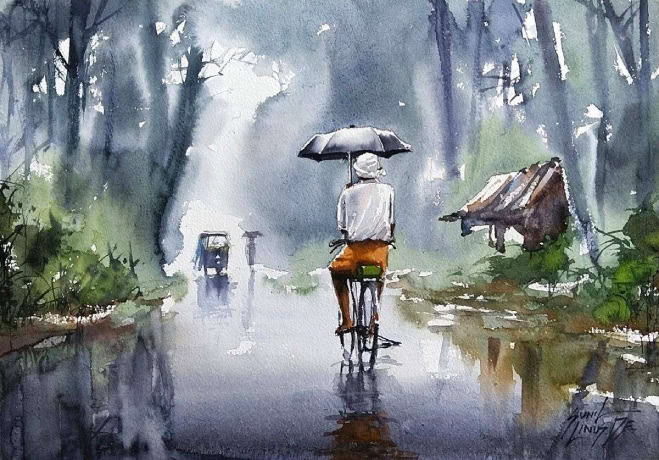
Once the skies go dark and the very first raindrops of the monsoon kiss the Earth, something magical begins to happen—this magic is felt within the surroundings, in our hearts, in our minds, and… on our walls. Yes! In the cities and towns, there is a thriving trend of monsoon-inspired murals, marrying the charm of rain with street art creativity. From nostalgic paper boats to the neon-laden rainy cityscape, walls are slowly renewing themselves as living canvases for season celebrations. Welcome to the world where Monsoon and Murals merge, where every raindrop tells a tale. Rainy Cityscapes With Neon Lights Imagine it’s a rainy night in Mumbai or Tokyo—the lights spotlighting the glistening streets, umbrellas moving smoothly through puddles, and raindrops falling like poetry. Murals of rainy cityscapes with glowing neon elements are trending in cafes, in urban art corners, and at boutique hotels. They set the cinematic mood that makes the space look dreamy, nostalgic, and alive. Perfect for: Lounge walls, urban streets, and nightlife venues. Umbrella Dreams What could be more evocative of the monsoons than an umbrella? Artists now prefer umbrellas as colorful design elements-raining down in pattern variation, floating over children, or perhaps gliding down an amorous pair. Such a bright motif converts dull walls into a celebration of hope, protection, and joy. Perfect for: Kids zones, parks, schools, cultural spaces Monsoon Romance The rain and romance have always been best friends on screen, in songs, and in real life. The mural of couples sharing an umbrella, dancing in the rain, or strolling under cloudy skies strikes an emotional chord. These paintings are usually done in muted hues and silhouettes depicting an unspoken romance that everyone can relate to. Perfect for: Cafés, libraries, colleges, even the corner of your bedroom Dancing in the Rain This mural theme is dedicated to the unadulterated joy of dancing in the rain- splashing with feet, wide open arms, and happy faces. Either abstract or realistic, these murals call people out to reconnect with their inner child and be free again: the perfect representation of liberty and fun. Perfect for: Spaces for youth, gyms, community centres. Monsoon Musing: Where Poetry Meets Paint Words and water go hand in-hand in this unusual mural style. Think of hand-painted haikus, couplets, or local poetry interspersed in raindrop patterns or against grey clouds. A written emotion combined with artistic expression deepens walls, making passersby stop and read to ponder for a moment. Perfect for: Libraries, literary cafes, college walls From Cloudburst to Bloom A lovely image to consider-rainfall bringing forth the bloom of flowers. Under this theme, murals show the rainwater nourishing the earth and helping barren lands to blossom into meadows, trees, or floral designs. It is a visual story of metamorphosis, with healing, and a little magic from nature’s own cycles. Perfect for: Hospitals, healing environments, nature-friendly spaces Seasonal Spirits- The Monsoon Gods Drawn from Indian mythology and folklore, these murals might depict the gods of rain, the apsaras dancing in the clouds, and animals reveling in the season. These murals tie up with the divine and the natural, thus channelling a spiritual essence into monsoon art. Earthy hues and traditional motifs are used to lend an air of richness and culture. Perfect for: Temple walls, culture hubs, art festivals in rural areas. Mirror of the Sky: Puddle Reflections Have you ever noticed how puddles capture the world upside down? This mural trend uses puddles as mirrors, reflecting skies, trees, or passing people. It creates an illusion, transforming a wall into a world of wonder. These reflective murals are both clever and calming. Perfect for: Museum spaces, art galleries, modern offices Paper Boat Diaries Remember those childhood days when we made paper boats and floated them in the rain? This mural theme brings back that memory. Walls are painted with hundreds of tiny boats, often carrying handwritten notes or local stories. It combines murals with memories. Perfect for: Schools, community walls, children’s museums Rains and Rhythms Music and the monsoon go hand in hand. This mural series features instruments like sitars, tablas, or modern guitars surrounded by raindrops and clouds. Some even include visuals of monsoon ragas, linking classical music to visual art. Perfect for: Music studios, performance venues, cafes Nature’s Symphony Frogs croaking, birds chirping, and peacocks dancing—monsoon brings nature to life with sound. Murals of vibrant trees, playful animals, and monsoon wildlife add earthy charm to any space. The use of natural tones and textured paints makes these walls immersive and joyful. Perfect for: Parks, nature centres, eco-lodges Season of Letters In this poetic mural concept, rain appears as falling letters, love notes, or blue ink. Walls look like open diaries with smudged words and ink trails. It’s emotional, nostalgic, and deeply artistic. Perfect for: Reading cafés, writers’ corners, bookstores Cloud Graffiti: Whimsical Skies Add a touch of fun with murals that feature expressive clouds—some frowning, others laughing, and some sleeping or sneezing rain. It’s playful and cartoonish, perfect for engaging children and the young at heart. Perfect for: Toy stores, indoor playgrounds, preschools The Grey-to-Green Transformation This theme uses mural space to show a “before and after” transformation—on one side, dry cracked earth; on the other, green fields bursting with life, separated by a streak of rain. It symbolizes climate change, revival, and the role of rain in sustaining life. Perfect for: Environmental campaigns, educational walls, government buildings Tea, Chai, and Pakoras Let’s be honest—no monsoon is complete without chai and pakoras! Artists are painting chai cups whose steam turns into clouds or pakoras falling like raindrops. It’s fun, relatable, and especially for Indian audiences. Perfect for: Food trucks, cafes, Instagram-worthy restaurant walls Final Thoughts: Art That Flows Like Rain Monsoon murals aren’t just decorative; they tell stories, reflect emotions, and mark culture. In a world focused on content-driven design and shareable spaces, these murals start conversations. They connect people with memories, nature, and each other. Whether you’re an artist, café owner, urban planner, or someone who simply loves