





Sustainable Travel & Biodiversity Homestays: A Conscious Way to Wander in 2025

Travelling is evolving as climate change and over tourism reshape our world. Gone are those days of hill-top five-star hotels and carbon-heavy air travel! In 2025, sustainable travel & biodiversity homestays form the new trinkle, quiet experiences that are deeply connected with Mother Nature.
In a nutshell, here are some of the hottest themes in this goosebump-maker-faster-growing movement.
Biodiversity Homestays: Living Amidst Nature
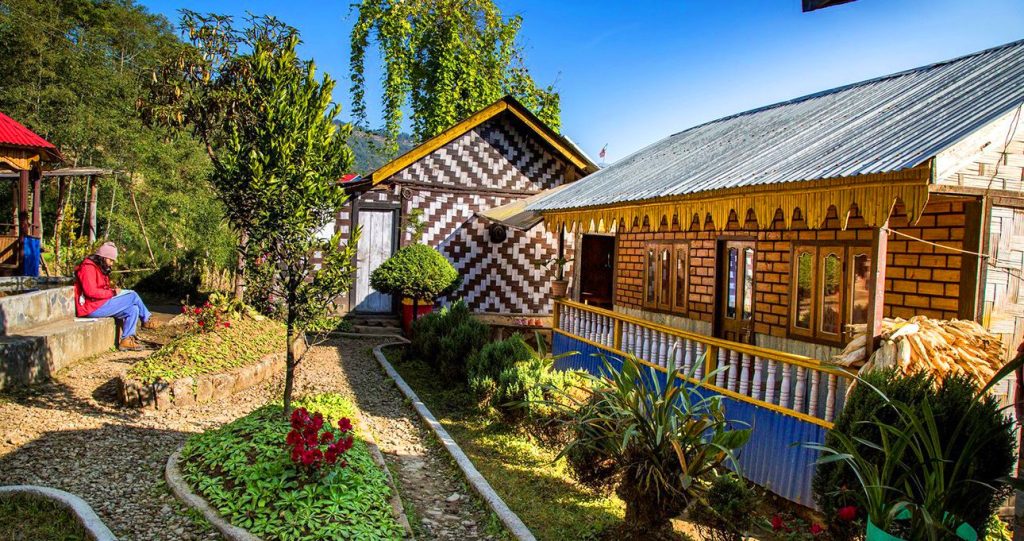
From pristine greenery in the Western Ghats to the virgin lands of Himalayan villages, biodiversity homestays are sprouting in India’s richest biodiversity zones. Usually family-run or small establishments, these stay and lodge facilities use local materials and are tucked away right into or on the edge of protected reserves or forests.
Waking up to the croaks of hornbills in Meghalaya or standing up and sipping on turmeric tea in Coorg on a farm — these stays offer the rare raw and rooted experience.
Carbon Neutral Travel: How Homestays Help
Compared to carbon-intensive resorts, homestays claim to operate on renewable energy, with minimum concrete footprint. Most employ solar energy, composting toilets, and rainwater harvesting techniques. Travelers check carbon offset reports more than ever before in 2025 while making their booking, and biodiversity homestays are the frontrunners.
Indigenous Communities & Cultural Preservation
Biodiversity is not only flora and fauna, but also about people. Throughout India, homestays run by tribal and indigenous families are helping preserve traditional agricultural practices, systems of medicine, and even some endangered languages.
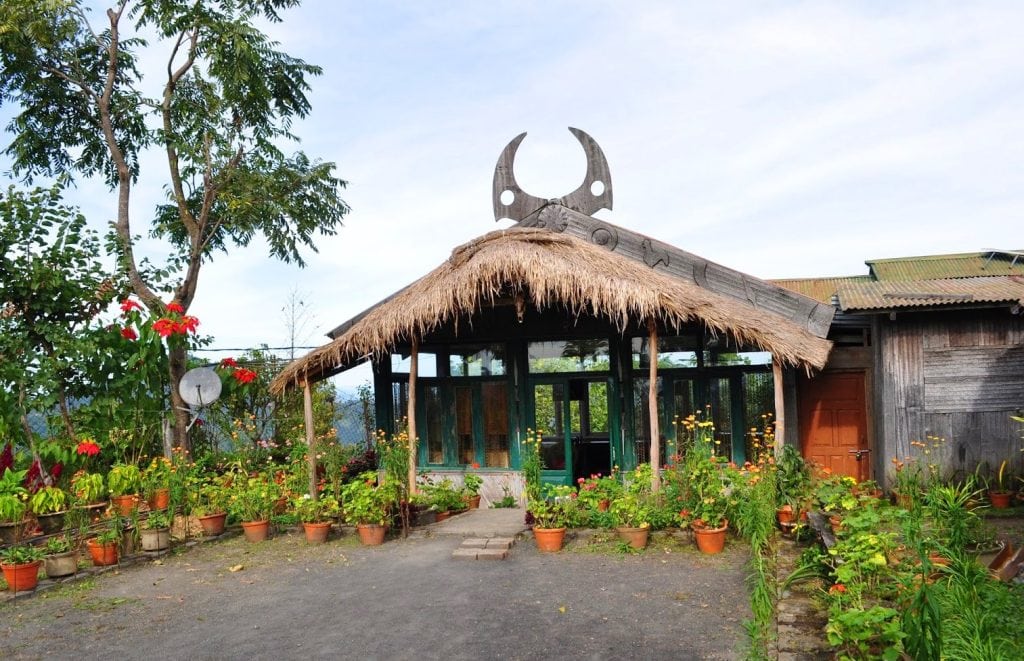
To give an example, a stay with the Angami tribe in Nagaland may teach you how to weave bamboo baskets or ferment soya beans the traditional way.
Farm-to-Table Movement in Rural Homestays
Imagine sitting at a table eating the fruits of the earth right outside your window. In 2025, many biodiversity homestays embrace the farm-to-table movement: they offer organic vegetables, herbs from the forest, breads made of millet, and dairy products that have never known chemicals.
In fact, some homestays go one step further-have guests pick their meals or partake in sustainable cooking classes.
Rewilding & Conservation Tourism
Some of the most visionary biodiversite stays go further and actively restore ecosystems. Be it through tree planting, wetland conservation, or even the reintroduction of native species, these stays are more than just shelters-they’re about rewilding.
Volunteers who are interested in longer stays may do hands-on conservation while enjoying more serene surroundings.
Slow Travel: Nature-Based
The buzzword for 2025 is slow travel-concentrating on fewer locations for extended stays. Biodiversity homestays follow this mode. Instead of moving through 5 towns in 5 days, the travellers will spend 1-2 weeks in quiet, immersive spaces learning local skills.

Some popular slow travel destinations are:
Spiti Valley (Himachal)
The Nilgiris (Tamil Nadu)
Dzongu (Sikkim)
Kanha buffer villages (MP)
Green Seal for Homestays
The rise of awareness has made eco-certificates the normal certification in some regions. These organizations participating in awarding green stamps to certification thereof for a stay include Ecotourism Society of India, EarthCheck, and Atithi Bamboo Marks in the Northeast.
Many travelers sort their options according to this green seal of approval.
Tech Meets Sustainability: Booking Eco Homestays
2025 is witnessing a surge in tech-facilitated sustainable travel. Websites such as:
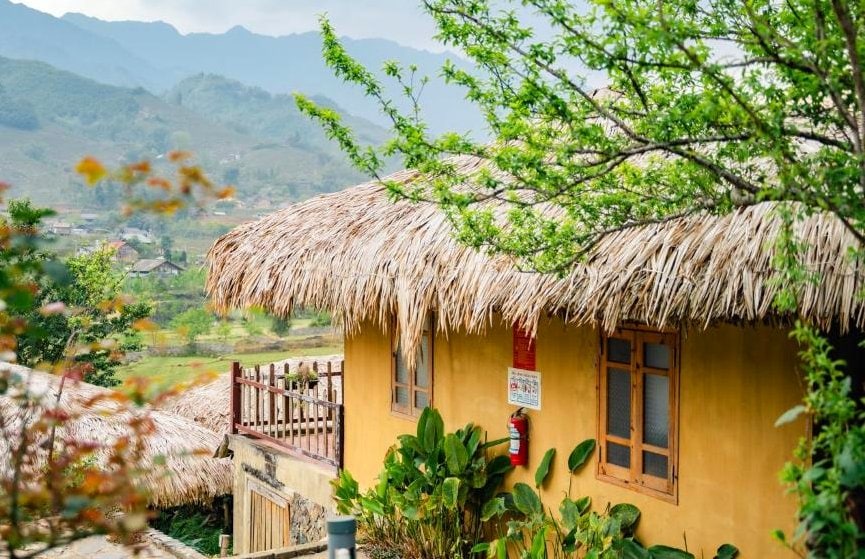
Ecobnb
Fairbnb
RuralStay India
enable users to discover vetted eco-homestays with attributes such as “zero plastic”, “organic food”, or “community-run”. AI travel planners are even providing itineraries centered around biodiversity and wellness.
Battling Over-tourism: The Homestay Solution
Popular spots such as Rishikesh, Manali, or Goa are now grappling with waste, congestion, and environmental pressure. As opposed to this, biodiversity homestays in lesser-known areas spread footfall, lower stress on hotspots, and directly help local conservation initiatives.
They restrict visitor numbers, dispose of waste properly, and tend to work under community tourism principles.
Women-Led Sustainable Homestays
A heartwarming trend is the emergence of rural eco-tourism woman entrepreneurs. Women-run self-help groups are now operating a large number of biodiversity homestays — from Maharashtra’s Sahyadri hills to Sundarbans’ mangroves.
These ventures are providing livelihood, dignity, and sustainability, all at the same time.
Edutravel: Learn While You Wander
For most, travel in 2025 isn’t so much about looking as it is about learning. Biodiversity homestays now feature:
Birdwatching trails
Wild mushroom walks
Herbal medicine workshops
Soil regeneration tours
Families, students, and nature enthusiasts are opting for “edu-travel” as a responsible way to discover the wilderness.
Post-Pandemic Shift to Remote, Sustainable Travel
The pandemic rebooted the way we travel. Today, more than ever, travellers want remote, serene, work-happy destinations that are nature-abundant and socially conscious.
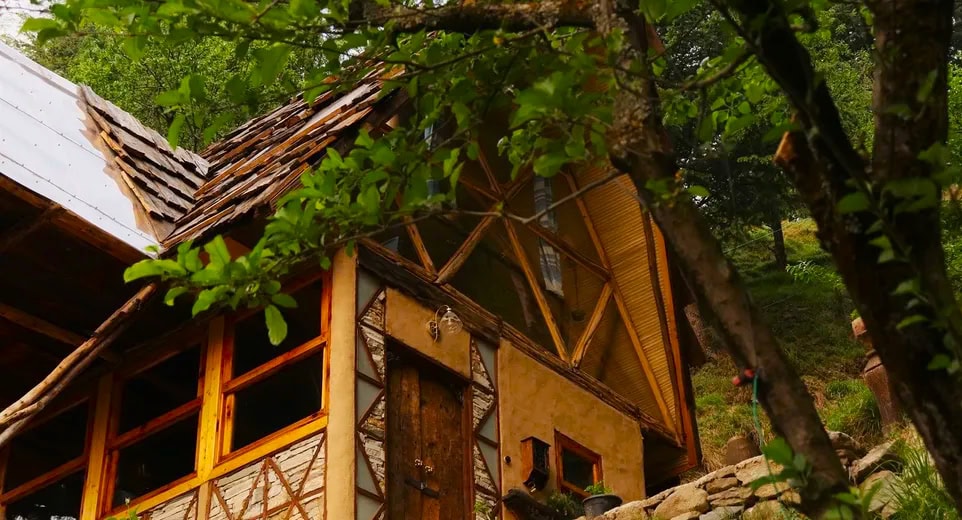
Homestays have changed, providing:
Wi-Fi-friendly eco-cottages
Yoga and mindfulness retreats
Seasonal detox and forest therapy programs
Final Thoughts:
The Future of Travel is Green, Local, and Loving
Biodiversity homestays are more than just a stay — they’re a philosophy. A chance to pause, to care, to contribute. In 2025 and beyond, the real luxury isn’t marble bathtubs or rooftop jacuzzis. It’s clean air, untouched forests, homemade millet rotis, and stories shared by a warm local host.
As travellers, we have a choice now — to leave no trace, to conserve biodiversity, and to travel back.
So the next time you pack your bags, try taking a path where the world smiles too.