
Destination Rajasthan Travel

नक्की झील से लेकर सनसेट पॉइंट तक- माउंट आबू का हर कोना कैमरे की नज़र से

  • 0 Comments

जब भी हमारे जेहन में राजस्‍थान का नाम आता है तो स्वतः ही दूर-दूर तक फैले रेत के धोरे, तेज गर्म हवाएं, कीकर के झाड़, भव्य हवेलियां या गर्वीले इतिहास की विरासत को अपने अंदर संजोए बैठे रजवाड़ों के किले और महल तैरने लगते हैं या फिर राजपूताना शान के प्रतीक अनेक रंगों को अपनी पहचान बनाए यहाँ के शहर लेकिन अलग-अलग रंगों को अपने में संजोए इस राजस्‍थान का एक खूबसूरत रंग ऐसा भी है जिसकी पहचान एक शानदार हिल स्टेशन के तौर पर दुनिया भर में है और वो है माउंट आबू । यह खूबसूरत जगह किसी जमाने में राजस्थान की जबरदस्त गरमी से बदहाल राजघरानों के शाही लोगो का ‘समर-रिज़ॉर्ट’ हुआ करता था। क्योंकि इस शहर के साथ अनेक धार्मिक और सामाजिक मान्यताएं जुड़ी हुई हैं इसलिए भी माउंट आबू धार्मिक, सांस्कृतिक और आध्यात्मिक केंद्र के रूप में भी अच्छा खासा प्रसिद्ध है। यहां की चटटानों एवं जंगलों में ऋषियों, साधकों की आज भी अनेकों गुफाएं आसानी से देखने को मिल जाती हैं जो प्राचीन भारतीय संस्कृति की याद को तरोताजा कर देती हैं।  बेइंतहा तेजी से भागती-दौड़ती जिन्दगी में सुकून के पलों की तलाश करते आदमी को सच्चे सुख और अदद शान्ति का अहसास कराने में सक्षम है राजस्थान के कश्मीर के रूप में प्रसिद्ध- माउंट आबू। आप यहाँ सड़क मार्ग के अलावा रेल मार्ग से भी यहाँ आसानी से पहुँच सकते हैं। माउन्ट आबू के पास में आबू रोड रेलवे स्टेशन है जो लगभग सभी बड़े शहरों से कनेक्ट है। हवाई मार्ग द्वारा माउंट आबू पहुँचने के लिए आप उदयपुर की उड़ान ले सकते हैं जो माउंट आबू का निकटतम हवाई अड्डा है। उदयपुर हवाई अड्डा इस शहर से लगभग 185 किमी. की दूरी पर स्थित है। आबू रोड से माउंट आबू तक पहुँचने के लिए लगभग 30 किलोमीटर का सफर तय करना पड़ता है। नक्की झील चारों और पहाड़ों से घिरी इस झील की ख़ूबसूरती ही यही है कि यहां आने वाले पर्यटक झील में बोटिंग किए बिना वापसी का रूख नहीं करते। झील के पास स्थित बाजार में आपको  गुजराती संस्कृति का ज्यादा बोलबाला दिखाई देगा वजह शायद यही कि यह जगह बिलकुल गुजरात की सीमा से सटी हुई है। आपको यहाँ के खाने में मीठेपन के साथ ही गुजराती टच का अहसास हो जायेगा। इस बाजार में  हस्तकला निर्मित सामग्री जैसे- वस्त्र, चादरें, पर्स, गहने, चप्पलें, खिलौने आदि मिलते हैं। नक्की झील के बारे में हिन्दू पौराणिक मान्यता है कि इसे देवताओं द्वारा राक्षसों से बचाने के लिए अपने नाखूनों से खोदा गया था। पहले इसे नख की झील ही कहा जाता था, बाद में इसका नाम  नक्की झील पड़ गया।   वाटर स्पोर्ट्स एक्टिविटीज नक्की झील में आपको बोटिंग के अलावा कुछ वाटर स्पोर्ट्स एक्टिविटीज भी दिखाई देंगी जहाँ आप अपनी पसंद के अनुसार उन एक्टिविटीज का आनंद ले सकते हैं। झील के किनारे पर एक खूबसूरत रेस्तरां बना हुआ है जहाँ आप चाय कॉफी के साथ प्राकृतिक नज़ारों से घिरी झील की ख़ूबसूरती का रसपान कर सकते हैं। यहाँ पैडल और शिकारा बोट दोनों ही उपलब्ध हैं। झील के किनारे भारत माता का भव्य मंदिर भी दिखाई दे रहा था। इस तरह के मंदिर आपको कुछ चुनिंदा जगहों पर ही मिलेंगे। जब आप पार्किंग से झील की तरफ जाते हैं तब रास्ते में आपको घुड़सवारी और ऊंट सवारी  का विकल्प भी मिलता है। आपको आसानी से बच्चे और कुछ न्यू  मैरिड कपल वहां सवारी करते और फोटोग्राफी करते दिख जायेंगे। यह झील नेचर लवर्स और फोटोग्राफी के शौकीनों के लिए एक बेहद पॉपुलर जगह है। दिलवाड़ा जैन मंदिर अगर कहें कि दिलवाड़ा जैन मंदिर जैनियों के सबसे  सुंदर तीर्थ स्थलों में से एक है तो बिलकुल भी गलत नहीं होगा। इस मंदिर का निर्माण 11वीं और 13वीं शताब्दी के बीच वास्तुपाल तेजपाल द्वारा किया गया था। यह मंदिर अपनी अद्भुत नक्काशी और कोने-कोने से संगमरमर से सजे होने के लिए प्रसिद्ध है। बहार से देखने पर भले ही यह मंदिर सामान्य दिखाई दे लेकिन जैसे ही आप मंदिर के अंदर प्रवेश करते हैं आप यहाँ की छत, मेहराबों, दीवारों और स्तंभों पर करीने से बनाये गए डिजाइनों को देखकर हैरत में पड़ जायेंगे। क्योंकि इस मन्दिर में फोटो खींचने की मनाही है, इसीलिए मंदिर के बहार बने काउंटर पर अपना कैमरा जमा करवाना पड़ता है। क्योंकि मंदिर के अंदर फोटोग्राफी मना है इसलिए बहुत से लोग इसकी सुंदरता से महरूम हैं। लेकिन फिर भी गूगल करने पर आपको दिलवाड़ा मन्दिर की बहुत सारी फ़ोटोज़ मिल जाएँगी, जिसे देखकर आप इसकी अद्भुत नक्काशी और सुन्दरता का अंदाजा लगा सकते हैं। मूर्तियों पर पॉलिशिंग इतनी चमकदार कि सैकड़ों वर्ष पुरानी भी लगती हैं बिलकुल नई यहाँ की मूर्तियों पर पॉलिशिंग इतनी चमकदार कि सैकड़ों वर्ष पुरानी होने के बाद भी बिलकुल नई-सी लगती है। यहाँ की सभी मूर्तियां संगमरमर की है और उन पर इतनी फाइन कारीगरी की गई है कि ऐसे लगता है जैसे वो पत्थर नहीं मोम हो।  बताते हैं ये मन्दिर बनाने में लगभग 1500 शिल्पकार और 1200 श्रमिकों की कड़ी मेहनत लगी है। अपनी महीन नक्काशी और बनावट के लिए दुनिया भर में फेमस दिलवाड़ा मन्दिर बनने में 14 साल लगे और करीब 18 करोड़ रुपये खर्च हुए थे।   जैन मंदिर जैन भक्तों के लिए सुबह 6 बजे से शाम 6 बजे तक खुला रहता है और अन्य धर्म के लोगो के लिए यह दोपहर 12 से शाम 6 बजे तक खुला रहता है। मौसम के अनुसार समय में बदलाव संभव है। यहाँ जाने से पहले इस बात का जरुर ध्यान रखे कि इस मंदिर में किसी भी पर्यटक और तीर्थ यात्री को मंदिर परिसर में फोटो खींचने की अनुमति नहीं है।  मंदिर के सामने ही पर्यटन की दृष्टि से समृद्ध एक छोटा सा बाजार है जहाँ आप वुडेन क्राफ्ट और मार्बल से बने प्रोडक्ट्स खरीद सकते हैं। वही उसी बाजार में दिखाई देगी दशकों पुरानी हीराभाई की प्रसिद्ध चाय की दुकान। आप यहाँ बैठ कर मसाला चाय का आनंद जरुर ले सकते हैं. सनसेट पॉइंट सनसेट पॉइंट नक्की झील के पास ही है। यह पॉइंट प्रकृति प्रेमियों और खासकर कपल्स को बेहद पसंद आता है। यहाँ सनसेट का दीदार करने के लिए अलग-अलग पॉइंट्स बनाये गए हैं

Delhi Travel

तीस हज़ार बांसों से बना है बांसेरा पार्क, मौजूद है मन मोह लेने वाली खूबसूरती

  • 0 Comments

दिल्ली, भारत की राजधानी, अपने ऐतिहासिक स्मारकों, हलचल भरे बाजारों और स्वादिष्ट खाने के लिए जानी जाती है। लेकिन क्या आप जानते हैं कि दिल्ली में एक ऐसा पार्क भी है, जो प्रकृति और पर्यावरण संरक्षण का अनमोल उदाहरण है। जी हाँ, मैं बात कर रहा हूँ बांसेरा पार्क की, जो यमुना नदी के किनारे, सराय काले खाँ में स्थित है। पार्क के सामने से हाइवे का शोरशराबा और अंदर माहौल ऐसा है कि आप यह मानिए वहाँ बैठकर आत्मचिंतन कर सकते हैं। यह दिल्ली-एनसीआर का पहला बांस थीम वाला पार्क है, जो अपनी हरियाली, शांति और इको-फ्रेंडली डिज़ाइन के लिए जाना जाता है। सेंतीस एकड़ में फैला यह पार्क न सिर्फ दिल्लीवासियों के लिए, बल्कि आगंतुकों के लिए भी एक आकर्षक जगह है। बांसेरा पार्क के बारे में थोड़ी सी जानकारी बांसेरा पार्क दिल्ली के सराय काले खाँ में यमुना नदी के पश्चिमी तट पर स्थित है। इसका नाम “बांसेरा” बांस से प्रेरित है, क्योंकि यह पार्क बांस की थीम पर ही बना हुआ है। यहाँ पच्चीस से अधिक प्रजातियों के तीस हजार से ज्यादा बांस के पौधे लगाए गए हैं। जो पार्क को लगभग एक सुन्दर बगीचे का रूप देता है। दिल्ली विकास प्राधिकरण ने इस पार्क को बनवाया है, और इसे दिल्ली के उपराज्यपाल वी.के. सक्सेना ने गोद लिया है। 9 अगस्त 2022 को इसका उद्घाटन हुआ, लेकिन 2021 की यमुना की बाढ़ ने इस क्षेत्र को भारी नुकसान पहुँचाया था। इसके बाद डीडीए ने इसे दोबारा जीवंत किया, जिससे आज यह दिल्ली की उम्मीद और पर्यावरण संरक्षण का प्रतीक बन पाया है । पार्क की खूबसूरती इसकी हरियाली और बांस से बनी संरचनाओं में छुपी है। प्रवेश द्वार, दीवारें, बेंच, और सजावटी सामान- सब कुछ बांस से बना है, जो इसे इको-फ्रेंडली बनाता है। यहाँ का शांत वातावरण दिल्ली की भागदौड़ से राहत देता है। पार्क में सोलर लाइटें लगाई गई हैं, जो रात में अपने आप जल उठती हैं और बिजली की बचत करती हैं। बांस की थीम न सिर्फ सुंदरता बढ़ाती है, बल्कि पर्यावरण के प्रति जागरूकता भी फैलाती है। बांसेरा में सिर्फ बांस नहीं, चाँद भी है पार्क में एक विशाल बांस से बना चाँद भी है, जो आप नीचे तस्वीर में देख सकते हैं। इस चांद को आप हुमायूँ के मकबरे से देख सकते हैं और यह रात में बेहद आकर्षक लगता है। यह चाँद दो मंजिल ऊँचे मकान जितना बड़ा है और पर्यटकों के लिए एक खास आकर्षण बना हुआ है। बांसेरा पार्क का इतिहास भले ही नया हो, लेकिन यह दिल्ली के पर्यावरणीय प्रयासों का एक महत्वपूर्ण हिस्सा है। यह पार्क न सिर्फ एक पिकनिक स्थल है, बल्कि बांस के महत्व को समझाने का एक सही उदाहरण भी है। यहाँ की हरियाली, फूलों की क्यारियाँ, और शांत माहौल इसे परिवार, दोस्तों, और प्रकृति प्रेमियों के लिए एक आदर्श स्थान बनाते हैं। झील और म्यूजिकल फव्वारा देख प्रफुल्लित हो उठेंगे आप बांसेरा पार्क की सबसे खास विशेषताओं में से एक है इसकी कृत्रिम झील और उसमें बना म्यूजिकल फव्वारा। पार्क में तीन कृत्रिम झीलें हैं, जो इसकी सुंदरता में चार चाँद लगाने का काम करती हैं। इनमें से एक झील में दिल्ली मेट्रो रेल कॉर्पोरेशन (DMRC) ने एक शानदार म्यूजिकल फव्वारा स्थापित किया है। यह फव्वारा शाम के समय रंग-बिरंगी रोशनी और संगीत के साथ नाचता है, जो दर्शकों को बेहद रोमांचक बना देता है। म्यूजिकल फव्वारा शो दिन में दो बार आयोजित होता है पहला शो शाम 6:30 से 7:00 बजे तक और दूसरा शो 7:30 बजे से होता है। यह शो रविवार, सोमवार, और मंगलवार को देखा जा सकता है। झील के किनारे बैठकर इस शो का आनंद लेना एक अलग ही अनुभव है। झील का शांत जल और फव्वारे की रंगीन लहरें बच्चों से लेकर बड़ों तक, सभी को लुभाती हैं। झील के आसपास बांस के पौधे और हरे-भरे लॉन इसे और भी खूबसूरत बनाते हैं। यहाँ बैठकर आप प्रकृति की शांति का एहसास कर सकते हैं, जो दिल्ली जैसे व्यस्त शहर में दुर्लभ ही मानिए।झील का जो क्षेत्र है वह सेल्फी पॉइंट के रूप में भी लोकप्रिय है। यहाँ बांस से बने झूले और फूलों से सजाए गए स्थान हैं, जहाँ पर्यटक तस्वीरें लेना पसंद करते हैं। झील का पानी और आसपास की हरियाली पार्क को एक तरोताज़ा और सुकून भरा माहौल देती है। यहाँ आप परिवार या दोस्तों के साथ पिकनिक का आनंद ले सकते हैं और फव्वारे के शो को देखकर अपनी शाम को यादगार बना सकते हैं। बच्चों के लिए एडवेंचर पॉइंट बांसेरा पार्क सिर्फ शांति और हरियाली तक सीमित नहीं है, यहाँ बच्चों और युवाओं के लिए एडवेंचर पॉइंट भी हैं, जो इसे और आकर्षक बनाते हैं। हाल ही में, दिल्ली के उपराज्यपाल वी.के. सक्सेना ने पार्क में एक चिल्ड्रन प्ले एरिया का उद्घाटन किया है, जो बच्चों के लिए खास तौर पर डिज़ाइन किया गया है। इस क्षेत्र में बांस से बने झूले, स्लाइड्स, और अन्य खेल उपकरण हैं, जो बच्चों को घंटों व्यस्त रखते हैं।एडवेंचर पॉइंट में बांस से बनी संरचनाएँ न सिर्फ सुरक्षित हैं, बल्कि पर्यावरण के अनुकूल भी हैं। यहाँ का डिज़ाइन बच्चों को प्रकृति के करीब लाता है, क्योंकि सभी उपकरण बांस और प्राकृतिक सामग्रियों से बने हैं। इसके अलावा, पार्क में कुछ खुले क्षेत्र हैं, जहाँ पर बैडमिंटन या अन्य खेल भी खेले जा सकते हैं। यहाँ का शांत और खुला माहौल इसे एक्टिविटीज़ के लिए आदर्श बनाता है। पार्क में भविष्य में और भी एडवेंचर गतिविधियाँ जोड़े जाने की योजना है। उदाहरण के लिए, बांस से बने लाल किला, कुतुब मीनार, और इंडिया गेट जैसे मिनी मॉडल बनाने की बात चल रही है, जो बच्चों और पर्यटकों के लिए एक रोमांचक अनुभव होगा। यह एडवेंचर पॉइंट परिवारों को एक साथ समय बिताने का मौका देता है। जहाँ बच्चे खेल सकते हैं और बड़े प्रकृति का आनंद ले सकते हैं। पार्क अभी अपनी प्रगति पर है मतलब अभी इस पार्क में और भी शानदार और आनंदित करने वाले बदलाव होने बाकी हैं। कैफेटेरिया का एरिया यहाँ का कैफेटेरिया इतना खूबसूरत है कि आपका ध्यान खींचने में सक्षम है।बांसेरा पार्क में कफेटेरिया की सुविधा भी है, जो पर्यटकों की सुविधा और आनंद को बढ़ाती है। यह कैफेटेरिया

Lifestyle Travel

In the hush of rain, every road becomes a love letter to the earth

  • 0 Comments

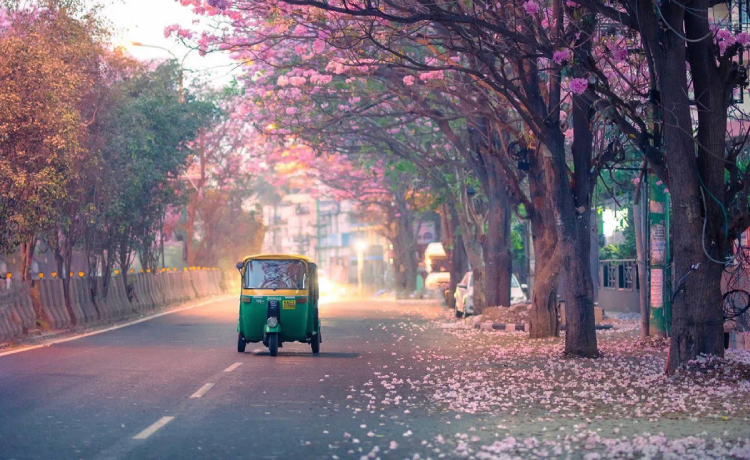
Some landscapes reveal their soul only when it rains. Roads that feel forgettable under the glare of summer begin to stir with quiet poetry as the monsoon arrives. The air thickens—not just with moisture, but with memory. The sky leans close, like it has secrets to share. The world slows, not from exhaustion but to listen. And in that stillness, something becomes clear: a rain-washed road doesn’t just lead somewhere, it speaks. It carries a verse of its own, meant to be felt, not read. This is not a story about destinations. It’s about the journey itself, softened by weather, deepened by pauses, and shaped by silences that say more than sound ever could. To travel in the rain is to move not just through space, but through emotion. The road becomes more than a path. It becomes a mirror, a mood, a moment. The Aesthetics of Rain in Motion Rain changes how we look. While sunlight pushes our gaze outward toward horizons and grand vistas, the monsoon draws our attention inward. A darkened wall, the glisten of a wet road, steam rising from a roadside tea stall- everything becomes a moment, quietly powerful in its detail. A Journey Through the Monsoon Lens With the arrival of rain, roads change in sound and appearance. Gravel softens to a murmur. Asphalt becomes luminous. Progress slows, replaced by reflection. You are no longer just passing through the world, you are absorbing it. In India, the monsoon is not simply a weather, it is a visual and cultural shift. Trees appear more alive. Rivers become vocal. Roads those everyday, pathways begin to speak in verse. When Roads Turn Poetic Monsoon travel is rarely convenient. Roads are muddy. Delays are frequent. But what the journey lacks in ease, it makes up for in intimacy. Certain places respond particularly well to this reflective mood. The Western Ghats– Rainforests in Rhythm The winding roads through the Western Ghats of Maharashtra and Karnataka are transformed by the rains. Unnamed waterfalls cascade beside the path. Mist veils the hills. The air is alive with the sound of insects, running water, and distant thunder. The Northeast– Where Rain Is Routine In states like Meghalaya and Arunachal Pradesh, rain is not a disruption but a rhythm. Roads wind through mist-filled valleys, across root bridges, and past timeless landscapes. These are roads of persistence, essential in spite of constant rain. Village Trails in Uttar Pradesh and Bihar Far from highways, village roads in the monsoon gain a unique character. Water fills the rice fields, reflections distort reality, and sounds travel slowly. Perhaps only a bullock cart in the distance. These roads are not grand, but deeply textured. The scent of wet earth, the sound of birdsong, the sight of soaked sacks beneath a plastic sheet; they linger. Why Monsoon Travel Feels Different? Rain alters the way we experience time. Monsoon travel allows for interruption, for reflection. Slowness becomes part of the rhythm. Unlike dry-season travel, often governed by haste and checklists, the monsoon demands patience. Vehicles move more cautiously. Stops for shelter become part of the plan. In these pauses, stories surface, a conversation with a stranger, a borrowed umbrella, an old film song playing through static. To travel in the rain is to be part of the elements. Even with an umbrella or raincoat, you remain exposed. That exposure creates a heightened attentiveness. The world becomes immediate. You are no longer an observer, you are within the moment. The Visual Poetry of Wet Roads There is a reason photographers and filmmakers are drawn to rain. Light softens. Edges blur. Surfaces gain sheen. Wet roads become mirrors, reflecting trees, headlights, buildings, and people in fleeting, dreamlike frames. In rural areas, muddy paths hold traces- footprints, bicycle tracks, a moment of play. In cities, neon lights ripple across pavement, creating visual illusions. On highways, the rain transforms otherwise plain landscapes into abstract beauty. This is more than aesthetic. It alters our perception of place. A familiar stretch of road suddenly feels unfamiliar, more personal. It calls memory, invites thought. A Sensory Journey, Not Just a Scenic One Monsoon travel engages all senses. The smell of rain-soaked earth, the feel of damp air, the sound of droplets on a tin roof- each contributes to the experience. Imagine a stop for tea on a rainy afternoon. The warmth of the cup, the fog on the windshield, the conversations unhurried by time—all become part of the journey. In monsoon, travel is guided not just by plans, but by instinct and observation. You follow clouds, adjust your pace, and learn to pause. You seek shelter not only from the rain, but from the rush of routine life. Where Roads Become Stories Some roads seem made for the monsoon, not because of where they go, but because of how they feel along the way. In these places, the road is not just a means of travel—it becomes part of the experience itself. Rain, Travel, and Cultural Expression Rain has long served as a metaphor in culture—for renewal, longing, memory. In Indian cinema, rain is almost a character: the backdrop for romance, loss, liberation. In folk traditions, especially in rural India, the monsoon is linked with emotion. Songs speak of separation, of lovers departing just as the rains arrive. Roads, in these stories, symbolize distance and the yearning to return. Even travel narratives change in monsoon. Writing becomes softer. The focus shifts from what is seen to what is felt. Monsoon Travel: Notes of Caution Of course, the poetic side of rain must be balanced with practical awareness. Rain changes the terrain. Roads may flood, landslides may occur, and visibility can drop unexpectedly. Before setting out: What Rain Teaches the Road and us? To say “every road wrapped in rain is a poem” is not to overlook the discomfort it brings, but to honour the shift it inspires. Rain transforms more than the landscape—it transforms our way of seeing. Monsoon roads are not about speed or certainty.

Category Delhi Food Travel

पराठे और कुलचे- दिल वालों की दिल्ली का असली ज़ायका

  • 0 Comments

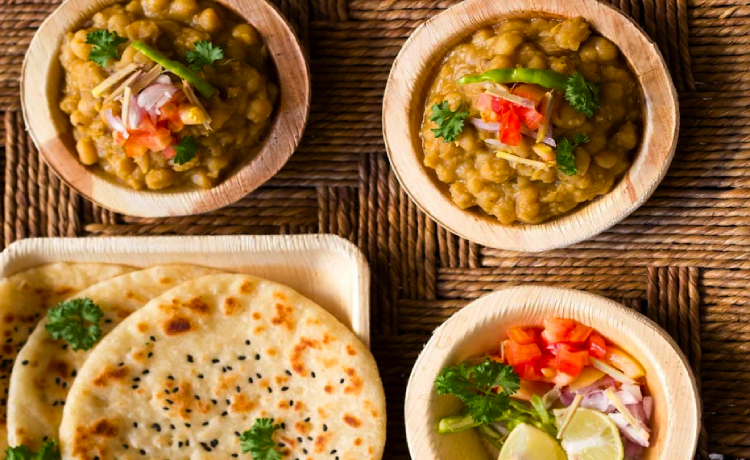
भारत की राजधानी- दिल्ली, सिर्फ अपनी संस्कृति, इतिहास और बाजारों के लिए ही नहीं, बल्कि अपने लाजवाब खाने के लिए भी मशहूर है। यहाँ का खाना ऐसा है कि जो एक बार खाए, फिर उसका जी बार-बार ललचाये। दिल्ली की गलियों में आपको हर तरह का स्वाद मिलेगा, लेकिन अगर बात करें सबसे खास और लोकप्रिय व्यंजनों की, तो दिल्ली के पराठे और कुलचे का नाम सबसे पहले आता है। ये दोनों ही खाने की चीजें दिल्ली की शान हैं और यहाँ के लोगों के दिलों में खास जगह रखती हैं। चाहे आप दिल्ली के पुराने इलाकों की तंग गलियों में घूमें या फिर किसी मॉडर्न रेस्तरां में जाएं, पराठे और कुलचे हर जगह आपको अपने स्वाद से लुभाएंगे। दिल्ली के पराठों की कहानी, फाइव कलर्स ऑफ ट्रैवल की जुबानी दिल्ली के पराठे सिर्फ खाना नहीं, बल्कि एक परंपरा हैं। पराठा एक ऐसा व्यंजन है जो दिल्ली की गलियों में हर कोने पर मिलता है। ये गेहूं के आटे से बनाया जाता है और इसमें तरह-तरह की स्टफिंग भरी जाती है। आलू, गोभी, पनीर, मूली, दाल या फिर मिक्स वेज, हर तरह का पराठा आपको दिल्ली में मिल जाएगा। लेकिन दिल्ली के पराठों की खासियत सिर्फ उनकी स्टफिंग में नहीं, बल्कि उनके बनाने के तरीके और परोसने के अंदाज में भी है। पुरानी दिल्ली की गलियों में बनी पराठों की दुकानों पर आपको देसी घी में तले हुए पराठे मिलेंगे, जो इतने कुरकुरे और स्वादिष्ट होते हैं कि आप उंगलियां चाटते रह जाएंगे। चांदनी चौक का मशहूर पराठा बाली गली इसका सबसे बड़ा उदाहरण है। यहाँ की दुकानें दशकों पुरानी हैं और आज भी लोग यहाँ दूर-दूर से पराठे खाने आते हैं। पराठों को दही, अचार, और मक्खन के साथ परोसा जाता है, जो उनके स्वाद को और बढ़ा देता है। लोग बिल्कुल सही कहते हैं दिल्ली जैसे लजीज पराठे और कहीं नहीं। देश की राजधानी है स्वाद से भरपूर दिल्ली के पराठे हर वर्ग के लोगों को पसंद आते हैं। चाहे कोई स्टूडेंट हो, ऑफिस जाने वाला कर्मचारी हो, या फिर कोई पर्यटक, पराठे सबके लिए एक किफायती और स्वादिष्ट विकल्प हैं। यहाँ तक कि दिल्ली में कुछ जगहों पर आपको मीठे पराठे भी मिल जाएंगे, जैसे कि गुड़ या चीनी से भरे पराठे। ये पराठे न सिर्फ स्वाद में लाजवाब हैं, बल्कि दिल्ली की संस्कृति का भी एक हिस्सा हैं।साहब कुलचे तो दिल्ली की शान हैं। अगर पराठे दिल्ली का दिल हैं, तो कुलचे उसकी जान हैं। कुलचा एक तरह की रोटी है, जो मैदा से बनाई जाती है और तंदूर में सेंकी जाती है। दिल्ली में कुलचे का स्वाद कुछ ऐसा है कि एक बार खाने के बाद आप इसे बार-बार खाना चाहेंगे। कुलचे का सबसे मशहूर साथी है छोले, और दिल्ली में छोले-कुलचे की जोड़ी इतनी लोकप्रिय है कि इसे हर गली-नुक्कड़ पर देखा जा सकता है। कुलचे की खासियत है इसका नरम और हल्का कुरकुरा टेक्सचर। तंदूर में सेंके जाने की वजह से इसमें एक अलग ही स्मोकी स्वाद आता है। जानिए कुलचे की विविधता दिल्ली में आपको कई तरह के कुलचे मिल जाएंगे, जैसे कि मसाला कुलचा, पनीर कुलचा, या फिर सादा कुलचा। इनका स्वाद तब और बढ़ जाता है, जब इन्हें मसालेदार छोले, तीखी चटनी और प्याज के साथ परोसा जाता है। दिल्ली की सड़कों पर आपको कुलचे की रेहड़ी हर जगह दिख जाएगी। खासकर सुबह और दोपहर के समय ये रेहड़ियां लोगों की भूख मिटाने का काम करती हैं। दिल्ली के बाजारों, जैसे कि कमला नगर, लाजपत नगर या करोल बाग में आपको ऐसी कई दुकानें और ठेले मिल जाएंगे, जहाँ कुलचे का स्वाद आपको हमेशा याद रहेगा। कुलचे न सिर्फ स्वादिष्ट होते हैं, बल्कि ये दिल्ली की तेज रफ्तार जिंदगी में एक आसान और जल्दी तैयार होने वाला खाना भी हैं। दिल्ली छोड़कर कहीं भी बसेरा कर लेना लेकिन आप दिल्ली के पराठे और कुलचे का स्वाद कभी नहीं भूल पाओगे। पराठे और कुलचे की सांस्कृतिक अहमियत भी है बेहद खास दिल्ली के पराठे और कुलचे सिर्फ खाने की चीजें नहीं हैं, बल्कि ये यहाँ की संस्कृति और परंपराओं का भी हिस्सा हैं। दिल्ली एक ऐसी जगह है, जहाँ अलग-अलग राज्यों और संस्कृतियों के लोग एक साथ रहते हैं। यहाँ के पराठे और कुलचे भी इस मिश्रित संस्कृति का प्रतीक हैं। पराठों की स्टफिंग में आपको पंजाबी, उत्तर भारतीय और यहाँ तक कि दक्षिण भारतीय प्रभाव भी दिखाई देता है। उदाहरण के लिए, कुछ जगहों पर आपको मसाला डोसा की स्टफिंग वाले पराठे भी मिल जाएंगे। इसी तरह कुलचे भी दिल्ली की मिली-जुली संस्कृति को दर्शाते हैं। कुलचे की जड़ें पंजाब में हैं, लेकिन दिल्ली ने इसे अपना बनाकर इसमें अपना स्वाद और स्टाइल जोड़ा है। छोले-कुलचे की जोड़ी दिल्ली की सड़कों पर इतनी लोकप्रिय है कि इसे हर उम्र और वर्ग के लोग पसंद करते हैं और चाव से चटखार के साथ खाते हैं। यहाँ तक कि दिल्ली में कई बड़े रेस्तरां और कैफे भी अब अपने मेन्यू में छोले-कुलचे को शामिल कर रहे हैं। दिल्ली में त्योहारों और खास मौकों पर भी पराठे और कुलचे खूब बनाए और खाए जाते हैं। चाहे वो होली हो, दीवाली हो या कोई और उत्सव, इन व्यंजनों की मौजूदगी हर मेज को और रंगीन बना देती है। ये खाना सिर्फ पेट ही नहीं भरता, बल्कि लोगों को एक-दूसरे के करीब भी लाता है। पराठे और कुलचे के लिए दिल्ली की मशहूर जगहें दिल्ली में पराठे और कुलचे खाने के लिए कई ऐसी जगहें हैं, जो दशकों से अपने स्वाद के लिए मशहूर हैं। अगर आप पुरानी दिल्ली में हैं, तो चांदनी चौक की पराठा वाली गली जरूर जाएं। यहाँ की दुकानें, जैसे कि कन्हैया लाल दुरगा प्रसाद या बाबू राम पराठा वाले, अपने अनोखे स्वाद के लिए मशहूर हैं। यहाँ आपको हर तरह के पराठे मिलेंगे, जिन्हें देसी घी में तला जाता है और दही, चटनी और सब्जी के साथ परोसा जाता है। अगर आप कुलचे खाने का मन बना रहे हैं, तो कमला नगर का मशहूर छोले-कुलचे वाला ठेला जरूर ट्राई करें। यहाँ के कुलचे इतने स्वादिष्ट होते हैं कि लोग दूर-दूर से इन्हें खाने आते हैं। इसके अलावा, लाजपत नगर, करोल बाग और सरोजिनी नगर जैसे बाजारों में भी आपको

South India Travel

थिरुवाथिराकाली- केरल का पारंपरिक नृत्य, जिसकी हर ताल पर थिरकते हैं पैर

  • 0 Comments

केरल भारत का एक छोटा सा और सुंदर प्रदेश है। जो अपनी संस्कृति और मनोरम आवरण के लिए मशहूर है। पूरे देश और विदेशों से लोग यहाँ घूमने आते हैं और वे केरल की संस्कृति से दो चार होते हैं। समझते है, परखते हैं कुछ चीजों को आत्मसात भी करते हैं। यह तो मनुष्य का नेचर है, जो वह देखता है, सुनता है, पढ़ता उसे ही प्राथमिकता देने लगता है। भारत का हरेक क्षेत्र अपनी कला, संगीत, नृत्य और परंपराओं के लिए अपनी एक खास पहचान बनाता है। ऐसा कहा जाता है कि केरल “ईश्वर का अपना देश है” इस छोटे और सुन्दर से प्रदेश में बहुत सी चीजें ऐसी हैं जो हमारा ध्यान अपनी और खींचती हैं। (थिरुवाथिरा) केरल की इस ही पहचान का अभिन्न हिस्सा है “थिरुवाथिराकाली” केरल का पारंपरिक नृत्य। जितना कठिन यह शब्द आपको पढ़ने में लगेगा, यह मानिए उतना ही अच्छा यह नृत्य करने और देखने में लगता है। यह पारंपरिक नृत्य बस एक सामान्य नृत्य नहीं है बल्कि यह नृत्य केरल की कला का एक अद्भुत नमूना है, साथ ही साथ यह नृत्य सामाजिक एकता और नारी शक्ति का प्रतीक माना जाता है। थिरुवाथिरा नृत्य को इतना खास क्यों माना जाता है? थिरुवाथिराकाली के नाम से जाना जाने बाले इस नृत्य को काली या थिरुवाथिरा के नाम से भी जाना जाता है। इस नृत्य को इसलिए एक खास दायरे में रखा गया है की सबसे पहले तो यह नृत्य एक सामूहिक नृत्य है, जिसे मुख्य तौर पर महिलाएं ही प्रस्तुत करती हैं। थिरुवाथिरा इस नृत्य को ज्यादातर एक विशेष और खास मौकों या उत्सवों पर किया जाता है, जिनमें ओडम और थिरुवाथिरा हुए। यह केरल में मनाए जाने वाले अनोखे और पारंपरिक उत्सव हैं। इस नृत्य का नाम थिरुवाथिरा इसलिए पड़ा क्योंकि जो मलयालम केलेंडर है, उसमें एक नक्षत्र का नाम थिरुवाथिरा नक्षत्र है। जिसे मार्गजी या फिर मार्गशीर्ष कहा जाता है। महत्वपूर्ण बात यह है की यह नृत्य भगवान शिव और पार्वती के लिए समर्पित माना जाता है। नृत्य की जो मुद्राएं होती है, देखने पर नजर का हटना संभव ही नहीं है। क्योंकि नृत्य करते समय जो महिलाओं का तालमेल होता है, वास्तव में दर्शकों का ध्यान बांधकर रखता है। पूर्ण मानसिक भाव से कहा जाए तो यह नृत्य केवल मनोरंजन के लिए नहीं है बल्कि इस नृत्य में सामाजिक बंधनों, नारी शक्ति और सबसे खास अध्यात्म का समावेश है। इतिहास की चर्चाओं में कहाँ है थिरुवाथिरा नृत्य? पौराणिक कथाओं के अनुसार इस नृत्य को माता पार्वती और उनकी सखियों के द्वारा भगवान शिव को प्रसन्न करने के लिए किया जाता था। इससे स्पष्ट होता है की इस थिरुवाथिरा नृत्य का संबंध भगवान शिव और पार्वती से है। लेकिन विवाद का विषय तब बन जाता है, जब कुछ कथाओं में यह मिलता है की भगवान कृष्ण की भक्ति में गोपियों इस नृत्य को करती थीं। इस नृत्य की सबसे मनोरम बात यह है की नृत्य में जो सादगी का भाव होता है, वह सबसे अनमोल और रोमांच से भरपूर होता है। महिलाएं नृत्य की पोशाक धारण करती हैं तो मानो ऐसा लगता है जैसे अफसराएं स्वर्ग से उतर आई हो। हालांकि नृत्य को खुले मैदान जैसे मंदिरों के परिसर या फिर आँगनों में किया जाता है क्योंकि 8 से 10 महिलाओं को व्रत बनाकर नृत्य करना होता है। यही व्रत सामाजिक एकता को दर्शाता है। नृत्य में प्रस्तुत लय बेहद कोमल और लयबद्ध होती है। इसमें प्रयुक ताल कैकट्टीकाली और कुंभम होती है। जो नृत्य को धीमा बनाती है, जो दर्शकों को खूब भाता है। असल में इस नृत्य में चहरे के भाव और हाथों से बनाई जाने मुद्राएं ही अहम रोल अदा करती हैं, सारा का सारा खेल ही इन्ही भाव भंगिमाओं का है। संगीत है तो नृत्य है.. अद्भुत और कहने योग्य बात यह है की इस पूरे नृत्य के दौरान जो चीज आपको जोड़े रखती है वह है संगीत। यदि नृत्य में संगीत नदारद रहा फिर तो बात अधूरी ही मानिए। या फिर नृत्य को रूखा-सूखा कहा जा सकता है । नहीं नहीं! जब नृत्य आज भी इतना प्रासंगिक है तो जाहिर सी बात है, संगीत का प्रयोग तो होता ही होगा। तो इस नृत्य में जो संगीत अपनी भूमिका अदा करता है वह हैं मलयालम लोकगीत, जिनको थिरुवाथिरा पट्टु के नाम से संबोधित किया जाता है। इसमें प्रयुक्त अधिकतर गीत प्रेम, भक्ति और प्रकृति से प्रेरित होते हैं। और वाद्ययंत्रों के रूप में इड़क्का एवं तालम का उपयोग किया जाता है। इस नृत्य में वेशभूषा के भी अपने मायने हैं। जैसे नृतकियाँ इस नृत्य के दौरान साड़ी पहनती हैं जो आमतौर पर सफेद होती हैं। जिनके छोड़ों पर सुनहरी किनारी होती है, जिसे वे कसावु कहते हैं। यह सफेद साड़ी पवित्रता और समृद्धि का प्रतीक मानी जा सकती हैं। इस साड़ी को जिस तरीके से पहना जाता है, वह तरीका उनकी पारंपरिक वेशभूषा का परिचायक होता है। कैसे अपनी पहचान बरकरार रख पाने में सक्षम है केरल एक बात तो में भूलने ही बाला था, शुक्र खुदा का जो खुदबखुद याद आ गया। नर्तकियाँ का जो श्रंगार है उसे आज के मॉडर्न मेकप से अलग मानिए क्योंकि, इस नृत्य में शामिल नर्तकियाँ अक्सर प्राकृतिक शृंगार करती हैं। जैसे बालों को जूड़े के रूप में बांधना और उसी जूड़े में ताजे और सुगंध से भरपूर चमेली के फूल सजाना। इस नृत्य की शुरुआत वास्तव में मनोरम होती है, जैसे सबसे पहले कोई भक्ति गीत होता है जो भगवान शिव और आदिशक्ति माँ पार्वती को समर्पित होता है। इसके बाद नर्तकियाँ धीरे-धीरे गोल चक्र बनाकर तालियाँ बजाती हैं और अपने पैरों को क्रमशः आगे पीछे करती हैं। पैर बिल्कुल ताल के समन्वय पर आगे पीछे होते हैं। आज विशेष तौर पर इस नृत्य को स्कूलों, कॉलेजों और सांस्कृतिक कार्यक्रमों में किया जाने लगा है। और अब न सिर्फ यह नृत्य केरल में बल्कि पूरे देश में इस नृत्य को पसंद किया जाता रहा है और किया जाता है। वास्तविकता तो यही है की थिरुवाथिरा मात्र एक नृत्य नहीं है बल्कि एक सांस्कृतिक पहचान है। कई बार कुछ विडिओ या रील देखने को मिल जाती है, जिसमें कोई फॉरनर महिला इस नृत्य को करती हुई दिखती है, तो मन प्रफुल्लित

india gate Category Delhi Travel Stories

इंडिया गेट: जो देश के लिए मिटते हैं, उन्हें कभी भुलाया नहीं जाता- मेरा सफरनामा

  • 0 Comments

वीरता और देशभक्ती दिखाने की चीज नहीं है , जब हम अपना कर्म करते हैं तो सब दिखता है। जब शहीदों को सम्मान और उनको याद करते हैं, तो उसका प्रतिक इंडिया गेट याद आता है। इंडिया गेट पर शहीदों और वीरों के सम्मान में राष्ट्रीय युद्ध स्मारक और परमवीर चक्र योध्दाओं के लिए परम स्थल बनवाया गया है। Safarnama by Mohit Rathore सात जुलाई, सन् 1999 में परमवीर चक्र विजेता कैप्टन विक्रम बत्रा ने अपनी शाहदत दी थी। इस साल, इस दिन सुबह से मेरा मन थोड़ा उठा-उठा सा लग रहा था, मन में बेचैनी आ रही थी कि बस एक बार चलके सभी वीरों के दर्शन कर लूँ। मेरा सबसे ज्यादा लगाव शहीद कैप्टन विक्रम बत्रा से है। तो बस जैसे ही कॉलेज खत्म हुआ निकल पड़ा इंडिया गेट कि तरफ़ और रास्ते में पापा को कॉल किया की आज इंडिया गेट जाने का प्लान बना है। केंद्रीय सचिवालय मेट्रो से उतर कर करीब एक किलो मीटर पैदल कर्त्वय पथ पर सफर करते हुए , रास्ते में कुछ भवन देखते हुआ निकला जैसे कि – राष्ट्रपति भवन जो कि इंडिया गेट और कर्तव्य पथ के सामने है। बाकि निर्माण भवन, उद्योग भवन, कृषि भवन इत्यादि। इंडिया गेट- शौर्य, बलिदान और गर्व का प्रतीक इंडिया गेट नई दिल्ली के राजपथ पर स्थित एक ऐतिहासिक और भव्य युद्ध स्मारक है, जिसे ब्रिटिश शासन के दौरान प्रथम विश्व युद्ध और तीसरे एंग्लो-अफगान युद्ध में शहीद हुए लगभग 70,000 भारतीय सैनिकों की स्मृति में बनाया गया था। इसकी आधारशिला 10 फरवरी 1921 को ड्यूक ऑफ कनॉट ने रखी थी और इसका निर्माण 1931 में पूरा हुआ। इस स्मारक का डिज़ाइन प्रसिद्ध ब्रिटिश वास्तुकार सर एडविन लुटियन्स ने तैयार किया। यह स्मारक 42 मीटर ऊँचा है और लाल व पीले बलुआ पत्थरों से निर्मित है। 1971 के भारत-पाक युद्ध के बाद इसके नीचे ‘अमर जवान ज्योति’ स्थापित की गई, जो शहीद सैनिकों की स्मृति में निरंतर जलती रहती है। हर वर्ष गणतंत्र दिवस की परेड यहीं से शुरू होती है। इंडिया गेट केवल एक स्मारक नहीं, बल्कि राष्ट्र के शौर्य, बलिदान और एकता का प्रतीक है, जो हर भारतीय के दिल में बसता है। नेताजी सुभाष चन्द्र बोस की प्रतिमा को देखकर भोर विभोर हुआ जब हम इंडिया गेट पहुंचे तो सबसे अच्छी चीज दिखी वो थी नेताजी सुभाष चन्द्र बोस की प्रतिमा। बड़े सान से खड़ी उस प्रतिमा को देखके दिल विभोर हो गया। इस प्रतिमा की भी अद्भुत कहानी है, जहाँ पर आज नेताजी की प्रतिमा है वहाँ सन् 1936 में जॉर्ज पंचम की प्रतिमा लगाई गयी थी। 1965 में स्वतंत्रता दिवस से दो दिन पहले कुछ लोगों ने सिपाहियों को बेहोश करके प्रतिमा के नाक और कान को विक्रत कर दिया और शाही मुकुट उतार लिया, फिर वहाँ पर नेताजी की तस्वीर छोर दी। सन् 1921 में प्रधान मंत्री नरेंद्र मोदीजी ने वहाँ पर नेताजी की प्रतिमा के निर्माण की घोसणा की । 23 जनवरी 2022 को ‘पराक्रम दिवस ‘ के मौके पर पर वहाँ होलोग्राम प्रतिमा का अनावरण किया, सितंबर 2022 में 28 फीट ऊँची और 8 फीटचौडाई की प्रतिमा का अनावरण किया गया। अखंड जवान ज्योति अमर जवान ज्योति, या अमर सैनिक की लौ, एक संरचना है जिसमें काले संगमरमर का चबूतरा है, जिसमें उलटी राइफल है, युद्ध हेलमेट से ढका हुआ है, चार कलशों से बंधा है, प्रत्येक में संपीड़ित प्राकृतिक गैस की लपटों से स्थायी प्रकाश ( ज्योति ) है, जिसे दिसंबर 1971 में बांग्लादेश की मुक्ति के युद्ध में शहीद हुए भारतीय सैनिकों की स्मृति में इंडिया गेट के नीचे बनाया गया था। इसका उद्घाटन तत्कालीन प्रधान मंत्री इंदिरा गांधी ने 26 जनवरी 1972 को, तेईसवें भारतीय गणतंत्र दिवस पर किया था। 21 जनवरी 2022 को इंडिया गेट पर अमर जवान ज्योति को राष्ट्रीय युद्ध स्मारक पर अमर जवान ज्योति के साथ मिला दिया गया। जहाँ पर चार सैनिक प्रति छे: घंटे ज्योति की रखवाली करते हैं। राष्ट्रीय युद्ध स्मारक राष्ट्रीय युद्ध स्मारक आजादी के बाद, चीन और पाकिस्तान के साथ संघर्ष और बाकी किसी मुठभेड़ में शहीद हुए सैनीकों की याद में बनवाया गया है। जहां पर अभी अखंड जवान ज्योति और कई युद्धों का वरडन किया गया है, जैसे कि लोंगेवाला की लडाई, रजांग ला की लडाई इत्यादि। आजादी के बाद जितने भी युद्धों में शहीद हुए सैनिक है उनकी याद में उनके नाम पर एक प्लेट अंकित की गयी है जहाँ उनके परिवार व अन्य लोग फूल अर्पण करके श्रधांजलि देते है। ये राष्ट्रीय युद्ध स्मारक के चारों और अंकित है, साथ ही साथ कुछ टी. वी भी लगा दी गयी हैं जिससे आप अपने मोबाइल नंबर से श्रदांजलि दे सकते हैं। जब हम थोड़ा चलते हैं तो एक गुफ़ा सी दिखती है उससे हम पहुँचते हैं एक संग्रहालय में पहुँचते हैं, जहाँ पर हमको सैनिकों के उपर कुछ किताबें दिखती है जो हम खरीद भी सकते हैं। वहाँ पर युद्धों के और भी वरडन दिखाये गए, वहाँ से सीधा रास्ता जाता है परम योध्दा स्थल की तरफ। परम योध्दा स्थल ये वो जगह है जहाँ मुझे सबसे ज्यादा शांती मिलती है, क्योंकि यहाँ बहुत ही कम लोग जाते हैं। पता नही क्यों शायद उनको इस जगह का ज्ञान नही है, या फिर उनको चलने मे दिक्कत होती है। यहाँ पर कुल 21 परम वीर चक्र विजेताओं की मूर्तियाँ बनी है, जिनमें से सिर्फ एक वायु सेना की तरफ से है शहीद नवजोत सिंह सेखो जिन्होंने अपना बलिदान 1971 ki जंग में दिया। जब हम योध्दा स्थल में बढ़ते हैं सबसे पहले एक नक्शा दिखता है, उसमें सभी प्रतिमाओं के पास जाने का रास्ता दिखता है । जब हम आँगे बढ़ते हैं सबसे पहली प्रतिमा कैप्टन विक्रम बत्रा की है , जिन्होंने 1999 कारगिल के युद्ध में अपना बलिदान दिया। उनके बाद उनके साथियों कि उसके बाद जब में सेकंड लेफ्टिनेंट अरुण खेतरपाल को देखा तो सिन्ना गर्व से भर गया। रास्ता और साधन इंडिया गेट के लिए कई मेट्रो से आप आ सकते हैं जैसे की – केंद्रीय सचिवालय, उद्योग भवन, सुप्रीम कोर्ट, इत्यादि।बस से भी आप इंडिया गेट आ सकते हैं (डी.टी.सी) क्योंकि कई बसें यहाँ तक आती हैं। समय और सही वातावरण इंडिया गेट 24 घंटे खुला रहता

Bazar Category Gujrat Travel

अहमदाबाद का रविवारी बाजार- टिकाऊ पर्यावरण की एक जीवंत मिसाल

  • 0 Comments

अहमदाबाद शहर जिसको को भारत की व्यापारिक राजधानी कहा जाए तो कोई अतिशयोक्ति नहीं होगी। यह शहर न केवल कपड़े और उद्योगों के लिए प्रसिद्ध है बल्कि यहाँ की ट्रेडिश्नल लाइफस्टाइल, कल्चर और लोगों के व्यवहार का अनूठा गठजोड़ भी देखने को मिलता है। इसी संस्कृति का सजीव और जीवंत उदाहरण है हमारे अहमदाबाद का रविवारी बाजार। जो हर रविवार को शहर के दिल की तरह धड़कता है। इस बाजार को संडे मार्केट या फिर रविवारी बाजार के नाम से भी जाना जाता है। रविवारी बाजार आम बाजारों से अलग है। यहाँ केवल जरूरत की चीजें नहीं मिलती  बल्कि यहाँ वो सुकून, सभ्यता का अनुभव, संस्कराती का एहसास भी मिलता है। यह बाजार एक ऐसी जगह है, जहाँ आम आदमी अपने सपनों को थोड़े पैसों में पूरा करने को आता है। कोई अपनी टूटी कुर्सी के बदले एक पुराना पंखा ढूंढ़ता है, तो कोई किताबों की ढेर में ज्ञान का मोती तलाशता है। यह बाजार शहर की पुरानी धड़कन है, जो हर रविवार को नए उत्साह के साथ जीवित हो उठती है। और अपने सुनहरे रंगों से पूरे अहमदाबाद को रंगीन कर देती है। शहर की भागमभाग में यह बाजार एक थोड़ा ठहराव, थोड़ी राहत और थोड़ा मेलजोल लेकर आता है। जैसे किसी परिवार का एक दिन तय हो कि सब इकट्ठा होकर बातें करेंगे। वैसे ही यह बाजार भी शहर के हर कोने से आए लोगों को एक ही स्थान पर जोड़ देता है। और इस माहौल में एक अद्भुत समां होती है, जो इस बाजार की और सब खींचे चले आते हैं। रविवारी बाजार की उत्पती का राज रविवारी बाजार की जड़ें बहुत गहरी हैं, और पुरानी हैं जो हमें एक लंबे समय से संरक्षित संस्कराती का संकेत देती हैं। कह सकते हैं की इस बाजार की जड़ें समय के इतिहास में कई सदियों तक फैली हुई हैं। यह भी कहा जाता है कि इस बाजार की शुरुआत मुग़लकाल या मराठा शासन के समय हुई थी। उस समय शहरों और गाँवों के बीच व्यापार करने वाले छोटे व्यापारी एक दिन निर्धारित करके अपना सामान बेचने आते थे। धीरे-धीरे इस परंपरा ने एक बड़ा रूप ले लिया और हर रविवार को यह बाजार लगने लगा। वैसे वह बाजार जो हफ्ते में किसी एक दिन को लगते हैं उसे हाट कहा जाता है। आज के समय में इसको कहा जा सकता है की यह एक प्रकार का बड़ा हाट है, जिसे अहमदाबाद के सबसे बड़े बाजारों में शामिल किया गया है। शुरू-शुरू में यह बाजार साबरमती नदी के किनारे लगता था, जहाँ लोग अपनी चादरें बिछाकर अपने पुराने सामान, खेती उपकरण, लोहे के औजार, मिट्टी के बर्तन और अन्य घरेलू सामान बेचते थे। और इस बाजार की जड़े बिल्कुल बस्तु विनिमय प्रणाली से जुड़ी हुई हैं। जिसे इंग्लिश में बार्टर सिस्टम कहा जाता है। यहाँ आने वाले अधिकांश ग्राहक गरीब और मिडिल क्लास या उससे छोटे वर्ग के तबके से होते हैं, जिनके लिए नया सामान खरीदना मुश्किल होता था। जैसे आज कई जगह के चोर बाजार हैं जिनमे पुरानी चीजों को या सेकंड हेंड चीजों को कम दामों में बेचा जाता है। लगभग वैसा ही इस बाजार का रंग ढंग है। व्यापारिक ताने-बाने में एक अनोखा स्थान समय के साथ यह बाजार इतना लोकप्रिय हो गया कि अहमदाबाद नगर निगम ने इसे 1997 में और अधिक संगठित करने के उद्देश्य से एलिस ब्रिज के पास एक निश्चित क्षेत्र में स्थानांतरित कर दिया था। आज यह बाजार लगभग 80,000 वर्ग मीटर क्षेत्र में फैला हुआ है और यहां 1,000 से अधिक छोटे-बड़े विक्रेता हर रविवार को अपनी दुकानें सजाते हैं। जिनमें कई तरह के सामान को बेचा और खरीदा जाता है। इस बाजार की सबसे खास बात यह रही है कि यह समय के साथ बदला जरूर है लेकिन अपनी आत्मा को नहीं खोया है। पुराने सामान के व्यापार से लेकर, कबाड़ी संस्कृति को बढ़ावा देने तक, रविवारी बाजार ने अहमदाबाद के व्यापारिक ताने-बाने में एक अनोखा स्थान बना लिया है। आधुनिक रंग-रूप और लोगों के जीवन से जुड़ा रविवारी समय के साथ रविवारी बाजार में कई आधुनिक बदलाव हुए हैं। पहले जहाँ लोग जमीन पर बैठकर व्यापार करते थे, अब वहाँ स्टॉल्स हैं, पहचान पत्र हैं, टिकट सिस्टम है, और यहां तक कि सीसीटीवी कैमरे और साफ-सफाई की आधुनिक व्यवस्था भी है। यहाँ इलेक्ट्रॉनिक सामान, पुराने मोबाइल, कंप्यूटर पार्ट्स, कार के स्पेयर पार्ट्स, पुराने फर्नीचर, किताबें, कपड़े, जूते, साइकिल, खिलौने, बर्तन, घरेलू उपकरण, और कुछ हद तक आर्टिफैक्ट्स भी मिलते हैं। इस बाजार में रियूज़ और रिसायकल की अवधारणा न केवल पर्यावरण हितैषी है, बल्कि सामाजिक रूप से भी सार्थक है। इसीलिए इस बाजार को सस्टेन्बल एनवायरनमेंट का प्रतीक माना जा सकता है। यह बाजार सिर्फ  रियूज़ और रिसायकल को बढ़ावा नहीं दे रहा है बल्कि एक तरह से पर्यावरण को बचा भी रहा है। यही चीज इस बाजार को अलग और विशेष बनाती है। इस बाजार का ग्राहक वर्ग भी विविध है, एक ओर गाँव से आया किसान है, तो दूसरी ओर विश्वविद्यालय का छात्र, कोई गृहिणी है तो कोई रिटायर्ड बुज़ुर्ग, और कई बार विदेशी सैलानी भी अपनी आँखों से इस संस्कृति को देखने आते हैं। यह बाजार केवल खरीददारी का केंद्र नहीं बल्कि यह एक भावनात्मक और मानवीय रिश्ता बनाता है, अपने आने वालों के साथ। कई ऐसे परिवार हैं, जिनकी कमाई का एकमात्र साधन यह रविवारी बाजार ही है। वे पूरे सप्ताह पुराना सामान इकट्ठा करते हैं, मरम्मत करते हैं, और फिर रविवार को बेचने लाते हैं। यहाँ एक व्यापारी द्वारा बेचा गया टूटा हुआ रेडियो, किसी दूसरे के घर में सजावट का टुकड़ा बन सकता है। यह बाजार उन लोगों के लिए अवसर है, जिनके पास बहुत कम संसाधन हैं लेकिन आगे बढ़ने की ललक है। सामाजिक और आर्थिक दृष्टिकोण से रविवारी बाजार का महत्व रविवारी बाजार का महत्व केवल एक व्यापारिक केंद्र के रूप में नहीं है बल्कि यह अहमदाबाद की सामाजिक-आर्थिक संरचना का हिस्सा है। यहां हर वर्ग के लोग न केवल सामान खरीदने आते हैं बल्कि एक-दूसरे से संवाद करने मिलने और समझने भी आते हैं। यह बाजार समानता और सहभागिता का प्रतीक है। कोई अमीर या गरीब नहीं, कोई बड़ा या छोटा नहीं, सब एक साथ इस बाज़ार में

Lifestyle Review Travel

Soulful, Stylish, Instagrammable: The New Face of Indian Travel

  • 0 Comments

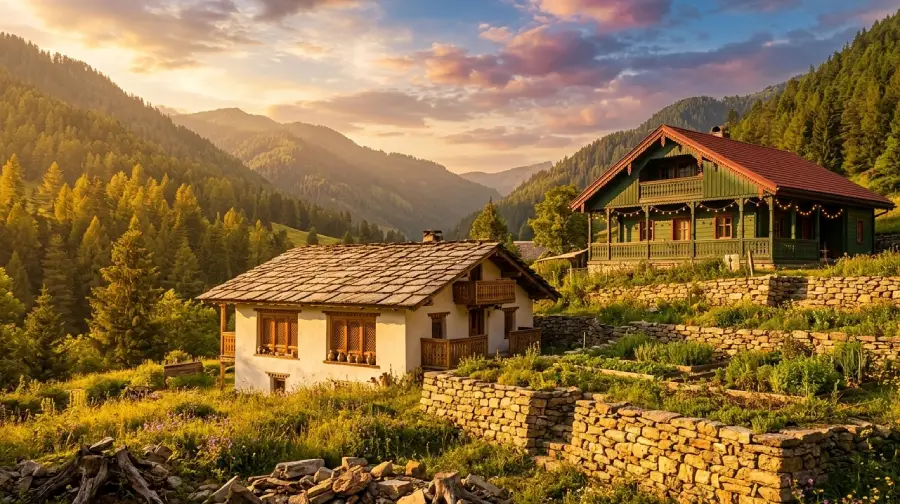
Indian travel has come a long way. Once rooted in large family holidays, pilgrimage tours, or tightly packed itineraries has now shifted towards something softer, more intentional, and visually captivating. Across the country, a new wave of travellers is reimagining what it means to explore. Where destination is not just about what you see, but how you feel while you’re there, and perhaps most importantly, how it all looks through the lens of your phone camera. In this evolving landscape, a new phrase has taken hold “aesthetic travel.” This isn’t just about visiting pretty places. It’s about curating experiences that are slow, soulful, and shareable. It’s about choosing a handwoven hammock over a hotel bed, a mountain-view café over a busy restaurant, a notebook and a cup of chai over hurried sightseeing. The Influence of Social Media on Indian Travel In India, the idea of aesthetic travel has been amplified by social media, particularly Instagram and YouTube. For younger generations, especially millennials and Gen Z, travel is no longer just about the bucket list; it’s about moments that feel good and look better. Picture-perfect mornings in Himachal cottages, pastel-toned streets in Pondicherry, sunsets from Jaisalmer rooftops—these are the kinds of visuals that now define modern Indian travel. But this shift isn’t just cosmetic. A changing mindset deeply roots this shift. Today’s Indian traveller is more conscious, creative, and curious. There’s a growing preference for boutique stays over big hotels, for local cafés with hand-painted walls and fairy lights, for flea markets that sell ceramic mugs and cotton throws. People are seeking places that blend culture with comfort, tradition with visual harmony. The Rise of Boutique and Aesthetic Stays This change can also be seen in the way accommodations are being designed. Homestays in Uttarakhand and Himachal are not just functional lodgings anymore. They’re carefully curated experiences. You’ll find Himalayan wood furniture, vintage maps, cane lights, earthy colours, and an attention to detail that speaks of global aesthetics rooted in Indian soil. Whether it’s a restored haveli in Rajasthan or a bamboo hut in Ziro, travellers are choosing spaces that not only offer authenticity but also fit into the new visual vocabulary of travel. Global Influences, Local Roots Much of this inspiration has come from global trends. Scandinavian minimalism, Japanese wabi-sabi, or the laid-back Bali-style boho vibe. But what makes Indian aesthetic travel unique is the way it blends these global influences with local culture. A Himachali thali served on a wooden platter, or a Madhubani mural painted on a mud wall. These small details are helping Indian destinations find a voice that feels both global and deeply rooted. A Shift from Tourism to Emotional Exploration With this shift, the traveller is no longer just a tourist. There’s a growing interest in storytelling, in knowing the history of the homestay you’re living in, or the story behind the café’s furniture made by a local carpenter. Travel is being treated as an emotional experience. One that calls for stillness, reflection, and a sense of connection with the place and its people. The Flip Side of Aesthetic Obsession However, it would be unfair to ignore the flip side of this aesthetic obsession. With Instagram driving choices, there’s often a pressure to look for places that “photograph well,” sometimes at the cost of real experiences. Overexposure and overwhelming footfall are now affecting certain destinations. Travel, in such cases, risks becoming performative, more about content creation than personal exploration. The challenge lies in maintaining a balance between capturing the beauty of a place and experiencing it with sincerity. What’s Fueling This Movement in Indian travel? Post-pandemic, the desire for slow, conscious, and meaningful travel has intensified. The aesthetic trend is closely tied to this desire for emotional healing. People are craving silence, stories, warmth, and beauty that feels natural, not manufactured. And this has led to a quiet rise of offbeat gems- villages in Kumaon, river trails in Meghalaya, or craft villages in Tamil Nadu, that are now getting the attention they long deserved. The Digital Nomad Influence Another significant influence has been the rise of solo female travellers in India. Their need for safer, warmer, and more thoughtfully designed spaces has pushed the hospitality industry to evolve. Many of the most aesthetic homestays and retreats today are run by women or created with women travellers in mind, offering security along with charm. The digital nomad culture has also played its part. With remote work becoming more acceptable, workcations have become a trend. Travelers now look for cozy corners with good Wi-Fi, a peaceful view, and ambient surroundings where they can work and unwind. These aren’t just practical decisions—they’re aesthetic ones too. Is Indian Travel Truly Becoming Aesthetic? So, is Indian travel finally becoming “aesthetic”? Yes, but not in a shallow, trend-chasing way. It’s becoming more curated, more intentional, and more tuned into the emotional and visual experience of being in a place. It’s about discovering joy in simple things—a handwritten note from your host, the smell of rain on old walls, a quiet morning by the river, or even the way sunlight falls through a jharokha window. This doesn’t mean that traditional ways of traveling are obsolete. But there’s definitely a shift. Indian travel is entering a phase where the soul of the journey matters just as much as the sights. It is no longer enough to “see” India; now, people want to feel it, live it, and yes- document it beautifully. Beauty in the Ordinary In the end, aesthetic travel is not just about pictures—it’s about presence. And perhaps that’s the most hopeful thing about this new wave: it’s a return to emotion, to simplicity, and to finding beauty in the everyday, one carefully chosen trip at a time.

Lifestyle Review Travel

From Roti to Cheela: The Delicious New Way Indians Are Eating More Protein

  • 0 Comments

In a country where the humble Roti has long been a symbol of an all-comprising food, Indian kitchens have been in a silent yet swift metamorphosis- one that is protein-rich, gut-friendly, and very tasty. Welcome to the world of cheelas, sprouts, millets, and moong where traditions amass to form a modern nutritional philosophy. Roti Was Once the Monarch Rotis, or whole-wheat breads, have been the food of the masses. Being a rich source of carbohydrates, they make one feel heavy. Unfortunately, they lack protein, another important macronutrient for muscle-building, metabolism, and general well-being. As awareness builds up concerning balanced diets and their role in lifestyle diseases, the families are beginning to review what foods adorn their plates. Roti? The Cheela Cast in Another Role: Desi Delight Packed With Protein Cheelas, the savory Indian pancakes made from lentils like moong dal, chana dal, or besan, are fast becoming a substitute for rotis in many health-conscious homes. They are not just excellent sources of protein, but also gluten-free and easy on the digestive system.Inside go the chopped veggies, herbs, and spices for a quick customizable meal to be eaten at breakfast, lunch, or dinner. Desi Protein Guide: Top Vegetarian Sources of Protein For vegetarians in India, protein is everywhere — you just need to look beyond supplements. Lentils like moong, masoor, and chana dal are desi protein powerhouses, while paneer, curd, and milk offer rich dairy-based options. Soy chunks, tofu, and besan (gram flour) add variety and density. Add nuts, seeds, and sprouted legumes for extra punch. Combine cereals with pulses — like rice with dal or roti with besan sabzi — for complete amino acid profiles. Smart, traditional combinations are already protein-rich. No powders needed — just go back to the thali! Grandma’s Wisdom, Modern Plate: Reclaiming Lost Indian Superfoods Before quinoa and chia made it big, our grandmothers were already cooking with ragi, bajra, kulthi, amaranth, sabut moong, and moth beans — nutrient-dense Indian superfoods. These traditional grains and pulses are rich in protein, fiber, iron, and antioxidants, perfect for modern health goals. Once sidelined by refined wheat and rice, they’re now making a comeback in cheelas, rotis, khichdi, and laddoos. By blending ancestral wisdom with modern nutrition science, we can make meals that heal, energize, and connect us to our roots. Grandma was right — the best superfoods were always in our kitchen. The Millet Movement Another shift has been the re-emergence of millets such as ragi, jowar, and bajra. These ancient grains are naturally high in protein and fiber and thus provide an excellent alternative to refined wheat flour. Millets are now being used for making rotis, dosas, and even desserts-thus becoming a favorite among urban kitchens and dietitians! More Than Just a Trend: Why Such a Shift Matters Better satiety: High-protein meals keep you full longer preventing binging. Weight management: Proteins spike the metabolism and help in fat loss. Muscle building: With the sedentary lifestyle getting more higher protein is needed to maintain lean muscle mass. Blood sugar control: Pulses and millets have a slow release of energy, assisting in the management of insulin spikes. A Little Change For A Bigger Impact Instead of 3 rotis for dinner, families are now trying things like:Moong dal cheela with curdSprouted chana or moong saladsBesan or ragi dosasJowar or bajra rotisPaneer bhurji wrapped in millet flour parathas Last Bite This change is not just about protein and meat consumption. It is about reclaiming health through ancient traditional wisdom. There are ways to embrace ancient grains and lentils, and the generation of innovative Indian dishes that influence our daily lives today where we make frontal choices that are delicious and nutritious. A cheela packed with protein may just be the appropriate substitute for the roti your body is seeking! If you are looking to exercise, manage a lifestyle-disease, or simply eat better, a protein-rich cheela may just be a proper substitute for the roti your body has been looking for! Are you ready to take the plunge? Try a masala moong cheela with mint chutney this week, and you may just realize that you have a new favorite!

Lifestyle Review Travel

Is AI the New Travel Agent? The Future of Travel Planning in 2025

  • 0 Comments

The travel industry is undergoing a profound transformation, and at the heart of it lies artificial intelligence. What was once the domain of local travel agents and bulky guidebooks is now being reshaped by predictive algorithms, smart assistants, and data-powered personalization. With the rise of digital nomadism, solo travel, and tech-savvy millennials and Gen Zs entering the travel economy, a new question has surfaced:- Is AI the new travel agent? The Shift from Traditional to Digital– Ft. AI For decades, travellers relied on human agents for their vacation planning. These professionals offered personalized insights, managed bookings, handled logistics, and provided safety nets during crises. But over the last 10 years, online travel agencies (OTAs) like Booking.com, Expedia, and MakeMyTrip gradually shifted consumer behaviour toward self-service models. Today, AI is redefining what “self-service” means by making it smarter, faster, and more personalized than ever before. According to a 2024 Statista report, As per a global survey conducted in November 2024, 40% of consumers reported using AI-powered tools for planning their travel. Among them, 12% utilized artificial intelligence both during the planning phase while on vacation. Whereas 17% used AI tools exclusively for trip planning purposes. That number is only expected to rise in 2025 and beyond. What Exactly Can AI Do in Travel Planning? The capabilities of AI in travel are no longer limited to answering simple queries. Here’s how it’s replacing or at least redefining the role of traditional agents. 1. Itinerary Planning with AI Tools like ChatGPT, Google Bard, and custom AI apps can generate day-by-day itineraries based on user preferences, travel style, season, and budget. You can simply input, “Plan a 10-day culinary and cultural tour across South Korea for under ₹1,00,000,” and get a detailed schedule within seconds. 2. Predictive Pricing Apps like Hopper analyse historical pricing data and trends to advise when to book flights or hotels. This level of insight goes beyond what even experienced agents could offer. 3. Personalized Recommendations AI systems learn user behaviour. Over time, they begin suggesting destinations, stays, and activities that match a user’s past bookings, reviews, or even online behaviour. 4. Real-Time Alerts & Logistics Travel disruptions are inevitable. AI keeps users updated with gate changes, traffic issues, weather updates, or rescheduling options, often faster than any human intervention. 5. Language, Currency & Navigation With tools like Google Lens, real-time translation apps, and AI-driven maps, travellers now navigate foreign countries with more ease than ever before. How AI Compares to Human Travel Agents? While artificial intelligence brings unmatched speed and efficiency to travel planning, its role is still distinctly different from that of a traditional human travel agent. AI excels at delivering instant results. Whether it’s finding flights, suggesting destinations, or generating itineraries, the turnaround is almost immediate. It’s also cost-effective, as most AI tools are either free or built into existing travel platforms. In contrast, human agents often charge a fee or earn through commissions, which can make their services more expensive, especially for budget travellers. When it comes to personalization, AI systems learn from a traveller’s digital behaviour search history, past bookings, and even social media activity to tailor recommendations. However, this personalization is often based on pattern recognition, rather than nuanced understanding. A human agent, on the other hand, can detect hesitation in a traveller’s voice, respond to unspoken concerns, or adapt plans based on intuitions, something AI still struggles with. Emotional intelligence remains a significant differentiator. While AI can offer options, it cannot yet provide reassurance during uncertain times or empathize with specific personal circumstances, like planning a trip after a loss or helping a nervous first-time flyer. Moreover, in crisis situations such as a missed connection or sudden political unrest a human agent can make real-time calls, negotiate with vendors, or escalate issues beyond the scope of AI-powered apps. Availability is another key point of contrast. AI tools are accessible 24/7, offering a major advantage to travellers across time zones or those needing help at odd hours. Human agents, though highly capable, are typically bound by business hours and may not be available instantly- especially in regions with limited infrastructure. Overall, while AI is redefining efficiency in travel planning, human agents still offer a depth of empathy, intuition, and hands-on problem-solving that technology hasn’t fully replicated. The Rise of Hybrid Travel Models Interestingly, the evolution of travel isn’t headed toward a full replacement of human agents, but rather a hybrid model, one where AI handles the groundwork, and human expertise provides the finishing touches. This model is particularly being embraced in luxury travel, group tours, and corporate travel planning. Companies like TravelPerk now integrate AI-powered tools with human travel consultants to deliver smart, flexible solutions for business travellers. In the consumer space, platforms like Airbnb, Klook, and Booking.com use AI to suggest experiences and stays, but still offer live customer service agents for troubleshooting. Bleisure, Personalization & the New Traveller The modern traveller’s expectations are evolving. “Bleisure” (business + leisure) travellers, digital nomads, wellness seekers, and culture-focused explorers are demanding customization, flexibility, and instant assistance. These are all areas where AI performs remarkably well. A recent survey by Booking.com found that most of the Gen Z travellers want travel recommendations that are curated based on past behaviour, personal interests, and real-time local conditions. AI makes that possible, far more efficiently than traditional agents. Such tailored experiences are now being built with a few keystrokes rather than weeks of research. Ethics, Data & Trust With all the convenience AI brings, it also raises important questions: Travel platforms increasingly use AI to upsell services—an area where transparency is crucial. As AI grows more influential, regulatory frameworks must evolve to ensure that personalization does not come at the cost of privacy or manipulation. That’s where human agents still hold trust—many users feel more confident discussing safety, sensitive needs, or urgent changes with a real person. Local vs. Global: AI’s Reach AI has a significant edge in international travel. It can bridge language barriers, streamline visa info,