





Delhi- Loved for Its Opportunities, Blamed for Everything Else
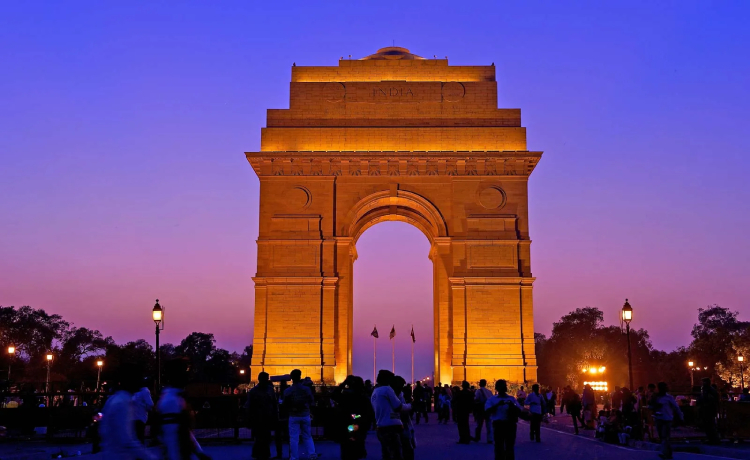
Delhi, India’s capital city, is more than just political power, glittering shopping malls, or packed metro rides. It is a pulsating heart where millions converge every day with dreams in their eyes and ambition in their pockets. People come here to study, to work, to establish businesses, or simply to make a better life. Delhi offers them opportunities, platforms, and identity. But there’s a quiet irony at play — the very people who rise here, often abandon it with bitter words. They call it unsafe, chaotic, dirty, or even unlivable. And in doing so, they forget their own journey through Delhi’s lanes.
The Magnet Called Delhi
From the narrow by lanes of Bihar to the dusty outskirts of Rajasthan, from the sleepy towns of Uttar Pradesh to remote villages in the Northeast, Delhi calls out to everyone. It is a place where dreams feel achievable. Coaching centres in Mukherjee Nagar promise UPSC success, Connaught Place shines with career launches, and Okhla Industrial Estate buzzes with entrepreneurial energy. The city does not discriminate — whether you come with broken slippers or leather boots, Delhi finds you space.

The influx is relentless, but Delhi does not complain. It absorbs, adjusts and stretches.
The Dual Face of Gratitude
The truth is, people benefit from Delhi in invisible ways. Someone’s daughter becomes a lawyer here, someone’s son clears the SSC exams. A small-town startup finds its first investor in Delhi. A migrant family gets their first ever gas connection or education for their child. In other cities, these stories become statistics. But in Delhi, they become identity.
Yet, the moment the purpose is served, many treat Delhi as an exhausted tool. The narrative shifts. “Yahan ke log bade rude hain,” they say. “Pollution hi pollution hai,” they scoff. “Safe nahi hai bilkul,” they declare. Suddenly, the city that uplifted them is reduced to a series of complaints.
Is Delhi Really That Bad?
Let’s be honest, Delhi has it’s problems. It is overcrowded. It struggles with pollution, traffic, and governance challenges. But which metro city doesn’t? Mumbai floods every monsoon. Bangalore is choked with traffic. Kolkata has aging infrastructure. But do we abandon them as easily? Why is Delhi held to a higher standard, and why is the tone so unforgiving?

Perhaps, because Delhi is rarely seen as home. It is seen as a tool — useful, disposable, transactional. And that’s the heart of the problem.
The Selfishness of Selective Loyalty
Migration is not wrong. Seeking better opportunities isn’t wrong either. What’s problematic is the selective gratitude. If you love the fruit, respect the tree. If you cherish the success, honor the soil. But Delhi rarely receives that respect.
People use its roads but never clean them. They enjoy its resources but blame it for being dirty. They grow here, but grow away from it emotionally. In this emotional abandonment, Delhi is left wounded and unacknowledged.
A City That Keeps Giving
Despite frequent criticism, Delhi continues to give. Silently and steadily. It educates aspiring minds, provides employment to the ambitious, offers care to the ill, and shelter to the displaced. It welcomes and absorbs a diverse array of cultures, languages, cuisines, and identities. Within its ever-evolving landscape, a Bhojpuri-speaking migrant transforms into a confident, bilingual professional. A Tamil student finds belonging, a Manipuri nurse finds dignity in service, and a Kashmiri artist discovers an audience for expression. Delhi does not merely accommodate. It enables transformation.

It is more tolerant than it is credited for. But rarely do people pause to say, “Thank you, Delhi.”
When Will We Take Ownership?
Real cities are not built by policies alone, but by people who care. Delhi needs that care. Not from tourists, not from critics, but from its own dwellers. If you’ve used this city to rise, don’t abandon it mid-flight. Stay. Serve. Speak for it. Fix what’s broken. Be the citizen you expect others to be.
Delhi doesn’t need worship. It needs acknowledgment. It needs effort. And above all, it needs loyalty beyond convenience.
More Than a City, It’s a Reflection
Delhi is not just land, monuments, or metros. It’s a mirror. It shows you who you are — your ambition, your growth, and sometimes, your hypocrisy. Before you call it a bad place, ask yourself what you gave to it. Did you help it grow, or did you just grow from it?
Because cities, like people, remember. They may not speak, but they hold your footprints in their dust.
Delhi deserves better stories. And if you’ve lived here, you owe it one.