


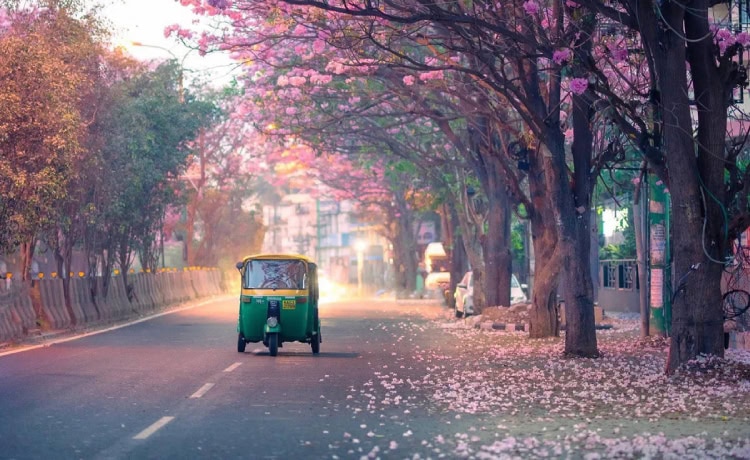
Soulful, Stylish, Instagrammable: The New Face of Indian Travel
Indian travel has come a long way. Once rooted in large family holidays, pilgrimage tours, or tightly packed itineraries has now shifted towards something softer, more intentional, and visually captivating. Across the country, a new wave of travellers is reimagining what it means to explore. Where destination is not just about what you see, but how you feel while you’re there, and perhaps most importantly, how it all looks through the lens of your phone camera. In this evolving landscape, a new phrase has taken hold “aesthetic travel.” This isn’t just about visiting pretty places. It’s about curating experiences that are slow, soulful, and shareable. It’s about choosing a handwoven hammock over a hotel bed, a mountain-view café over a busy restaurant, a notebook and a cup of chai over hurried sightseeing. The Influence of Social Media on Indian Travel In India, the idea of aesthetic travel has been amplified by social media, particularly Instagram and YouTube. For younger generations, especially millennials and Gen Z, travel is no longer just about the bucket list; it’s about moments that feel good and look better. Picture-perfect mornings in Himachal cottages, pastel-toned streets in Pondicherry, sunsets from Jaisalmer rooftops—these are the kinds of visuals that now define modern Indian travel. But this shift isn’t just cosmetic. A changing mindset deeply roots this shift. Today’s Indian traveller is more conscious, creative, and curious. There’s a growing preference for boutique stays over big hotels, for local cafés with hand-painted walls and fairy lights, for flea markets that sell ceramic mugs and cotton throws. People are seeking places that blend culture with comfort, tradition with visual harmony. The Rise of Boutique and Aesthetic Stays This change can also be seen in the way accommodations are being designed. Homestays in Uttarakhand and Himachal are not just functional lodgings anymore. They’re carefully curated experiences. You’ll find Himalayan wood furniture, vintage maps, cane lights, earthy colours, and an attention to detail that speaks of global aesthetics rooted in Indian soil. Whether it’s a restored haveli in Rajasthan or a bamboo hut in Ziro, travellers are choosing spaces that not only offer authenticity but also fit into the new visual vocabulary of travel. Global Influences, Local Roots Much of this inspiration has come from global trends. Scandinavian minimalism, Japanese wabi-sabi, or the laid-back Bali-style boho vibe. But what makes Indian aesthetic travel unique is the way it blends these global influences with local culture. A Himachali thali served on a wooden platter, or a Madhubani mural painted on a mud wall. These small details are helping Indian destinations find a voice that feels both global and deeply rooted. A Shift from Tourism to Emotional Exploration With this shift, the traveller is no longer just a tourist. There’s a growing interest in storytelling, in knowing the history of the homestay you’re living in, or the story behind the café’s furniture made by a local carpenter. Travel is being treated as an emotional experience. One that calls for stillness, reflection, and a sense of connection with the place and its people. The Flip Side of Aesthetic Obsession However, it would be unfair to ignore the flip side of this aesthetic obsession. With Instagram driving choices, there’s often a pressure to look for places that “photograph well,” sometimes at the cost of real experiences. Overexposure and overwhelming footfall are now affecting certain destinations. Travel, in such cases, risks becoming performative, more about content creation than personal exploration. The challenge lies in maintaining a balance between capturing the beauty of a place and experiencing it with sincerity. What’s Fueling This Movement in Indian travel? Post-pandemic, the desire for slow, conscious, and meaningful travel has intensified. The aesthetic trend is closely tied to this desire for emotional healing. People are craving silence, stories, warmth, and beauty that feels natural, not manufactured. And this has led to a quiet rise of offbeat gems- villages in Kumaon, river trails in Meghalaya, or craft villages in Tamil Nadu, that are now getting the attention they long deserved. The Digital Nomad Influence Another significant influence has been the rise of solo female travellers in India. Their need for safer, warmer, and more thoughtfully designed spaces has pushed the hospitality industry to evolve. Many of the most aesthetic homestays and retreats today are run by women or created with women travellers in mind, offering security along with charm. The digital nomad culture has also played its part. With remote work becoming more acceptable, workcations have become a trend. Travelers now look for cozy corners with good Wi-Fi, a peaceful view, and ambient surroundings where they can work and unwind. These aren’t just practical decisions—they’re aesthetic ones too. Is Indian Travel Truly Becoming Aesthetic? So, is Indian travel finally becoming “aesthetic”? Yes, but not in a shallow, trend-chasing way. It’s becoming more curated, more intentional, and more tuned into the emotional and visual experience of being in a place. It’s about discovering joy in simple things—a handwritten note from your host, the smell of rain on old walls, a quiet morning by the river, or even the way sunlight falls through a jharokha window. This doesn’t mean that traditional ways of traveling are obsolete. But there’s definitely a shift. Indian travel is entering a phase where the soul of the journey matters just as much as the sights. It is no longer enough to “see” India; now, people want to feel it, live it, and yes- document it beautifully. Beauty in the Ordinary In the end, aesthetic travel is not just about pictures—it’s about presence. And perhaps that’s the most hopeful thing about this new wave: it’s a return to emotion, to simplicity, and to finding beauty in the everyday, one carefully chosen trip at a time.