


Bazar Travel

चांदनी चौक की गलियों में यहां शहजादियां भी करती थीं खरीददारी

  • 0 Comments

दिल्ली की पहचान केवल इंडिया गेट या कनॉट प्लेस जैसी आधुनिक जगहों से नहीं बनती, बल्कि इसकी असली रूह पुरानी दिल्ली की तंग, घुमावदार और हमेशा चहल-पहल से भरी गलियों में बसती है। अगर आप राजधानी की सबसे पुरानी और ऐतिहासिक गली की तलाश करना चाहते हैं, तो आपको कदम बढ़ाने होंगे Chandni Chowk की ओर। 17वीं सदी में मुगल बादशाह Shah Jahan द्वारा बसाए गए शाहजहानाबाद का यह मुख्य बाजार कभी शाही ठाठ-बाट का प्रतीक हुआ करता था। कहा जाता है कि इसकी रूपरेखा शहजादी Jahanara Begum ने तैयार करवाई थी, और बीच से बहने वाली नहर में पड़ती चांदनी की परछाईं के कारण इसका नाम ‘चांदनी चौक’ पड़ा। उस दौर में यह सिर्फ बाजार नहीं, बल्कि व्यापार और संस्कृति का केंद्र था, जहां रेशम, इत्र, चांदी, मसाले और कीमती पत्थरों की खरीद-फरोख्त होती थी। दूर-दूर से व्यापारी, शाही परिवार के सदस्य और रईस यहां आया करते थे। आज भी जब आप यहां कदम रखते हैं, तो पुरानी हवेलियों, संकरी गलियों और सदियों पुरानी दुकानों के बीच आपको इतिहास की धड़कन साफ सुनाई देती है। मुगल काल से जुड़ी है शुरुआत इतिहास के पन्ने बताते हैं कि 17वीं सदी में जब मुगल बादशाह Shah Jahan ने अपनी राजधानी आगरा से दिल्ली स्थानांतरित कर भव्य शहर शाहजहानाबाद बसाया, तब उसके दिल में एक खास बाजार की परिकल्पना की गई- Chandni Chowk। इसे केवल व्यापारिक केंद्र नहीं, बल्कि शाही ठाठ-बाट और मुगल सल्तनत की समृद्धि के प्रतीक के रूप में विकसित किया गया था। माना जाता है कि इस बाजार की रूपरेखा खुद उनकी विदुषी और प्रभावशाली बेटी Jahanara Begum ने तैयार करवाई थी। बाजार के बीचों-बीच एक साफ-सुथरी नहर बहती थी, जिसके किनारे पेड़ और खूबसूरत रास्ते बनाए गए थे। चांदनी रात में जब उस नहर के पानी पर चांद का प्रतिबिंब झिलमिलाता था, तो पूरा इलाका मानो चांदी की रोशनी में नहा जाता था, और इसी मनमोहक दृश्य के कारण इसका नाम पड़ा ‘चांदनी चौक’। उस दौर में यहां रेशमी कपड़े, इत्र, जवाहरात, मसाले और चांदी के सामान की रौनक रहती थी। दूर-दराज के व्यापारी और शाही खानदान के लोग यहां खरीदारी के लिए आते थे। यूं कहें तो यह बाजार केवल सौदेबाजी की जगह नहीं, बल्कि उस समय की शान, संस्कृति और आर्थिक ताकत का जीवंत प्रतीक था। कौन-सी है सबसे पुरानी गली? Chandni Chowk के भीतर कई ऐतिहासिक गलियां आज भी अपने अतीत की कहानी कहती नजर आती हैं, लेकिन Dariba Kalan को पुरानी दिल्ली की सबसे प्राचीन और खास गलियों में गिना जाता है। ‘दरीबा’ शब्द का अर्थ ही होता है मोती या कीमती पत्थरों का बाजार, और अपने नाम की तरह ही यह गली सदियों से आभूषणों की चमक से रोशन रही है। मुगल दौर में यहां सोना-चांदी, हीरे-जवाहरात और बेशकीमती पत्थरों का कारोबार होता था। शाही परिवारों और रईसों के लिए खास गहने यहीं तैयार किए जाते थे, और दूर-दराज के व्यापारी भी अपने कीमती सामान के साथ इसी बाजार का रुख करते थे। आज भले ही वक्त बदल गया हो, लेकिन दरीबा कलां की पहचान अब भी चांदी के आभूषणों और पारंपरिक ज्वेलरी से जुड़ी हुई है। यहां की छोटी-छोटी दुकानों में हाथ से गढ़ी गई पायल, कड़े, झुमके और पुराने डिजाइन की नक्काशीदार ज्वेलरी मिलती है, जो आधुनिकता के बीच भी परंपरा को जिंदा रखे हुए है। जब आप इस गली में कदम रखते हैं, तो तंग रास्ते, सदियों पुराने लकड़ी के दरवाजे, जालीदार झरोखे और दीवारों पर समय की छाप आपको एक अलग ही दौर में ले जाती है। ऐसा महसूस होता है मानो वक्त ने यहां अपनी रफ्तार धीमी कर दी हो और इतिहास अब भी इन दीवारों के बीच सांस ले रहा हो। शाही बाजार की लोकेशन क्या है? अगर आप यहां जाना चाहते हैं, तो निकटतम मेट्रो स्टेशन चांदनी चौक मेट्रो स्टेशन है। वहां से पैदल चलते हुए कुछ ही मिनटों में दरीबा कलां और आसपास की ऐतिहासिक गलियों तक पहुंचा जा सकता है। यह इलाका Red Fort के बिल्कुल करीब है, इसलिए अक्सर पर्यटक लाल किला घूमने के बाद इन गलियों की सैर भी करते हैं। गूगल मैप पर ‘Dariba Kalan, Chandni Chowk, Old Delhi’ सर्च करने पर आप सीधे इसी ऐतिहासिक गली तक पहुंच सकते हैं। आज कैसा है यहां का माहौल? आज भले ही समय बदल गया हो, लेकिन यहां की रौनक कम नहीं हुई। सुबह से लेकर रात तक दुकानों में ग्राहकों की भीड़ रहती है। चांदी के आभूषण, पारंपरिक इत्र, मसाले, मिठाइयां और स्ट्रीट फूड- सब कुछ यहां मिलता है। करीब ही स्थित Paranthe Wali Gali अपने लजीज पराठों के लिए मशहूर है। वहीं, मस्जिदों और मंदिरों की घंटियों और अजान की आवाजें इस इलाके को एक अलग ही सांस्कृतिक पहचान देती हैं। क्यों खास है ये गली? दरीबा कलां और चांदनी चौक सिर्फ खरीदारी की जगह नहीं, बल्कि दिल्ली की सांस्कृतिक धरोहर का जीवंत उदाहरण हैं। यहां की हर इमारत, हर मोड़ और हर दुकान के पीछे एक कहानी छिपी है। मुगल काल की शाही परंपरा से लेकर आज के व्यस्त बाजार तक, यह गली दिल्ली के बदलते समय की गवाह रही है। यही वजह है कि इतिहास प्रेमी, फोटोग्राफर और विदेशी पर्यटक यहां बार-बार आते हैं। उन्हें यहां सिर्फ सामान नहीं, बल्कि सदियों पुरानी विरासत का अनुभव मिलता है। अगर आप दिल्ली की सबसे पुरानी गली की तलाश में हैं, तो चांदनी चौक की दरीबा कलां जरूर जाएं। यहां कदम रखते ही आपको महसूस होगा कि आप किसी आम बाजार में नहीं, बल्कि इतिहास की जीवित किताब के पन्नों के बीच चल रहे हैं। पुरानी दिल्ली की ये गलियां आज भी मुगल दौर की शाही बाजार वाली रौनक को अपने भीतर समेटे हुए हैं- और यही इन्हें खास बनाता है।
Bazar Delhi

Dariba Kalan: The Street of Unparalleled Pearl

  • 0 Comments

Dariba Kalan, located in the Old Delhi region, is a famous street that began to be constructed in the 17th century rich in artistic endeavors and commercial activities. In that context, this street ‘Dariba Kalan’ which means Street of the Incomparable Pearl, is a walking proof of the deep-seated mughal history which can be credited as a legacy back to the rule of Emperor Shah Jahan. Anyway, Dariba Kalan has remained distrait to the people but has only merged herself in picturesqueness, jewelry shops and local activities over the years. This 2-kilometer-long street is also filled with elaborate patterns of decorative gold, silver and tribal ornaments draping centuries-old history around them.  Historical Significance Dariba Kalan dates back to the era of great Shah Jahan. The term “Dariba” is derived from a Persian phrase “Dur-e be-baha” which literally translates to ‘pearl without a parallel while Kalan means big in Persian. As word suggests, this place was once full of jewelers, workmen, and retailers selling ornamental, gold and silver items. This particular market area, established in the 17th century, catered to royal households, particularly that of the queens, earning it a status of an aristocratic retail sector. Nevertheless, the thoroughfare is also blighted by darker histories. For example in 1739 when Nadir Shah invaded, Dariba also experienced and witnessed mass killings and pillage. Nevertheless, this stunning street has not only survived, but also thrived as a unique component of the city’s history, capable of retaining its characteristic features for centuries.   USP of Dariba Kalan– Apart from the fact that it selis a lot of jewellery, there is really no other unique selling proposition for Dariba Kalan. This narrow and aged and narrow street has been a haven for gold and silver ornaments for centuries, so one can still spot many a window shopper hoping to find some traditional and vintage jewellery. The shops are quite old, some of them even go back to the early nineteenth century; and everything between silver antiques to chuda and kallirey bridal jewellery can be found in the shops over here. This has been the case with many other names like Meerimal Sultan Singh Jain, Dhannumal Jagadhar Mal and Lily Diana, where shops have been established for many years and generation after generation, children have taken over the running of the businesses. Yet another rich aspect of Dariba is that it is reasonably successful in marrying the age old practices with new age demands. You will also come across some Nepal and Tibetan jewelleries thus contributing to the market premised diversification. Besides jewelry, Dariba Kalan is also well known for the attar (natural perfumes) shops found within it. Perfume museums, as well as this fragrance harvest, are based on a skill that has been handed down through the years, which is quite the art, that of plunging essences into petals and leaves. Taking an olfactory trip down these old fashioned fragrances proves to be quite satisfying and therefore propels Dariba as one of the ideal shoppers’ paradise.  Culinary Delights of Dariba Dariba Kalan additionally entices visitors with its culinary offerings. The street is dotted with various eating joints including Old Famous Jalebi Wala, a delightful dessert shop that has been serving piping hot and dipped in syrup-crispy jalebis since the year 1844, this particular vendor who is positioned right at the entrance is quite popular amongst the locals and is needless to say, an addition worth making to the itinerary if the intention is going shopping with some sugary elements attached to it. On par with this establishment is Shree Bala J Kachori Bhandar, which spoils one for choice with delectable breakfast items including but not limited to kachori-aloo and bedmi poori. Such culinary landmarks tilt the balance towards a street that is otherwise popular for food in Old Delhi.  Architectural Heritage In addition to the thriving stores, Dariba Kalan has architectural wonders too. The stretch comprises of many havelis or Indian mansions and other constructions from the Mughal period, some of which are in good condition while others bear the scars of Time. One such structure is the Khazanchi Ki Havell, which was the residence of the Mughal treasurer but now sits in ruins, a shadow of Dariba’s glorious past. Also, Naughara Lane which is located not far, has nine beautifully patterned houses that present an Insight into the traditional architectural and cultural practices of the people of Delhi. Kinari Bazaar Lying adjacent to the famous Dariba Kalan is the noisy Kinari Bazar, a very marika! It starts at Prem Chand Gole Wale Chowk and is famous for its decorative Items like gota patti, lace, wedding turban, shagun, decorative trays, jewel boxes, etc. et cetera. Kinar Bazaar is also the same bazaar which gets its name from kinari, which means borders. These borders are attached to the sarees and suits. All the embellishments for bride’s and bride’ s family attire and house chandeliers can be found here. Almost all the items in Kinari Bazaar are sold in wholesales, though some patterns of these as plain and simple items are also available. How prevalent this is depends on what you are looking for, and the most basic knickknack, such as wedding ornaments, fabrics or any toss in between are in bulky unbelievable spectrum. Kinari Bazaar might be small with tiny cramped up shops, but the quality and distinctiveness of its many different fits products makes it A must go place for the native as well as the visitor. Dariba Kalan along with nearby Kinari Bazaar is enriched with historical aspects, bustling markets, and culture, which is just a small portion of what makes it more Interesting to explore. From beautiful jewelery and fragrant attar shops to a wide collection of decorative borders and low-cost fabrics, these streets exhibit the assimilation of modernity with history, it does not matter if you are a history buff, a jewelry patron, or a culinary explorer, the markets do offer an amazing experience of the Old World Delhi in all

Bazar Best of My Blogs Delhi Review

Chandni Chowk- All you need to know  

  • 0 Comments

Chandni Chowk is one of the oldest and most famous markets in Delhi, India. Located in the heart of Old Delhi, it is a vibrant and bustling area known for its historical significance, cultural heritage, and vibrant shopping experience. The name “Chandni Chowk” translates to “Moonlight Square” or “Moonlight Market,” and it has a rich history that dates back to the Mughal era. Chandni chowk was established in the 17th century by the Mughal Emperor Shah Jahan when he decided to shift the capital of his empire from Agra to Delhi. It was designed as one of the main streets of Shahjahanabad, the new walled city of Delhi. The construction of Chandni Chowk began in 1650 and was completed in 1656. In its early days, Chandni Chowk was a grand boulevard lined with trees, canals, and pools, flanked by imposing havelis (mansions) and significant structures. The street was broad and served as the main thoroughfare of Shahjahanabad. It quickly became the commercial and cultural hub of the city, teeming with traders, merchants, artisans, and nobility. The market’s name is said to have originated from the moon’s reflection on a large pool that once existed in the area, creating a beautiful moonlit ambiance. The Mughal royal processions would often pass through Chandni Chowk, adding to its prestige and grandeur. Over the centuries, Chandni Chowk has witnessed various historical events and changes. It experienced the rise and decline of the Mughal Empire, followed by the British colonial rule in India. Many havelis were demolished, and the area underwent modernization. Despite the transformations, Chandni Chowk has managed to retain its old-world charm and cultural heritage. Today, it remains a bustling and vibrant market, featuring narrow lanes filled with a plethora of shops, vendors, and traders selling a diverse range of products. Whether you’re shopping for textiles, jewellery, spices, or indulging in mouth-watering street food, a visit to Chandni Chowk is a must for anyone exploring the cultural and historical treasures of Delhi. Read More on Chandni Chowk Historic monuments near Chandni chowk Chandni Chowk is located in the heart of Old Delhi, which is steeped in history and dotted with numerous historic monuments and landmarks. Here are some of the prominent historic monuments around Chandni Chowk: Red Fort (Lal Qila): One of the most iconic landmarks of Delhi, the Red Fort, is situated just a short distance away from Chandni Chowk. Built by the Mughal Emperor Shah Jahan in the 17th century, the Red Fort served as the main residence of the Mughal emperors until 1857. It is a UNESCO World Heritage Site and an architectural marvel, with its impressive red sandstone walls, magnificent gates, and intricate designs. Jama Masjid: Another significant historical monument near Chandni Chowk is the Jama Masjid, which is one of the largest and most revered mosques in India. Constructed by Shah Jahan between 1644 and 1656, the Jama Masjid’s grandeur lies in its vast courtyard, onion-shaped domes, and two towering minarets. It can accommodate thousands of worshippers during prayers and offers stunning views of Old Delhi from its minarets. Fatehpuri Masjid: Located at the western end of Chandni Chowk, the Fatehpuri Masjid is an elegant mosque built by Fatehpuri Begum, one of Shah Jahan’s wives. The mosque’s architecture exhibits a blend of Mughal and Islamic styles and features a beautiful central dome and minarets. St. James’ Church: While Old Delhi is predominantly associated with Mughal-era monuments, St. James’ Church stands as an example of British colonial architecture. Built-in 1836, it is one of the oldest churches in Delhi and is known for its stunning white exterior and elegant design. Gurudwara Sis Ganj Sahib: This Sikh gurudwara holds immense historical and religious significance. It marks the site where the ninth Sikh Guru, Guru Teg Bahadur, was beheaded on the orders of Aurangzeb, the Mughal Emperor. The present gurudwara was built in his memory and is an essential place of worship for Sikhs. Gauri Shankar Temple: An ancient Hindu temple dedicated to Lord Shiva, the Gauri Shankar Temple is a prominent religious site in Chandni Chowk. The temple features an 800-year-old lingam (phallic symbol) of Lord Shiva and is visited by devotees throughout the year. These are just a few of the historic monuments around Chandni Chowk. Exploring these landmarks offers a glimpse into the rich history, architectural brilliance, and cultural diversity of Old Delhi. Most famous four bazaars of Chandni Chowk Chandni Chowk, being one of the oldest and busiest markets in Delhi, is divided into several smaller bazaars, each with its own specializations and unique offerings. The four main bazaars of Chandni Chowk are: Fatehpuri Market is one of the bustling markets located in Chandni Chowk, Delhi. It is named after Fatehpuri Begum, one of the wives of Mughal Emperor Shah Jahan. The market is well-known for its wholesale trade of a variety of goods and merchandise, catering to both locals and retailers. Fatehpuri Market is primarily a wholesale market, and you’ll find a wide range of products being traded in bulk quantities. Items such as textiles, garments, fabrics, shoes, hardware, kitchenware, and household items are among the commodities sold here. The market is particularly famous for its cloth and garment shops. Retailers from various parts of Delhi and neighboring states come here to purchase textiles and ready-made clothing at wholesale prices. The market area consists of various traditional bazaars, each specializing in specific types of products. For example, there are bazaars for jewelry, cosmetics, accessories, and more. Like many markets in Chandni Chowk, Fatehpuri Market also has its share of street food vendors. You can find some local favorites and quick snacks to refuel while exploring the area. Fatehpuri Market is located close to the historic Fatehpuri Masjid, which adds to the charm and cultural significance of the area. The mosque itself is worth a visit and showcases splendid Mughal architecture. If you’re looking for a unique shopping experience and want to buy goods in bulk or explore the vibrant ambiance of an old Delhi market,

Bazar Culture Delhi Lifestyle

Dariba Kalan in Chandni Chowk

  • 0 Comments

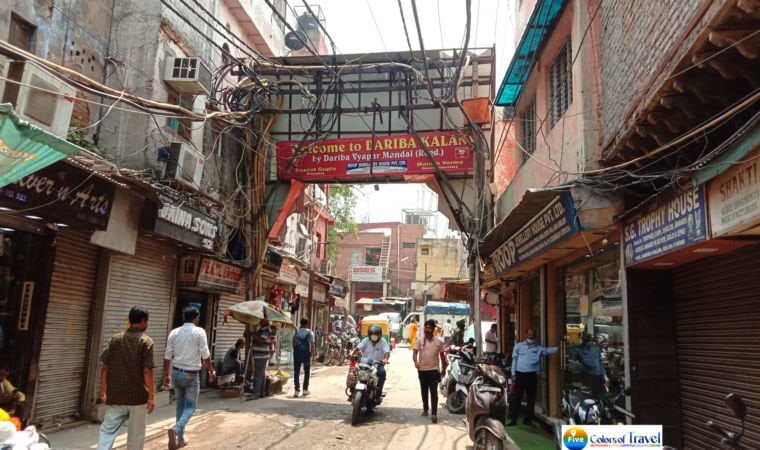
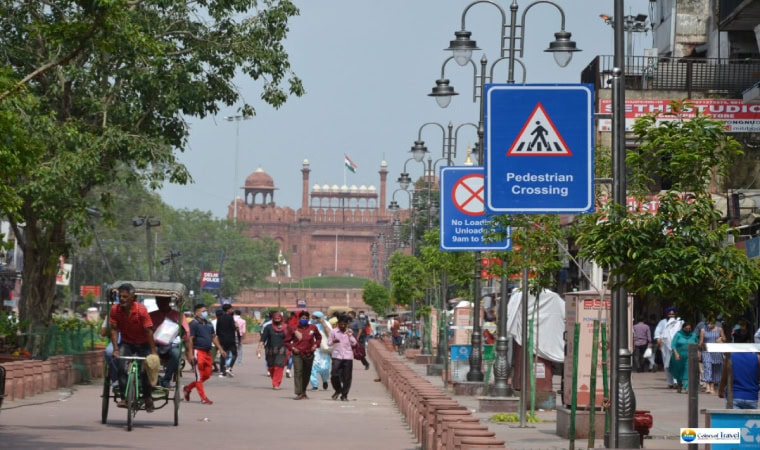
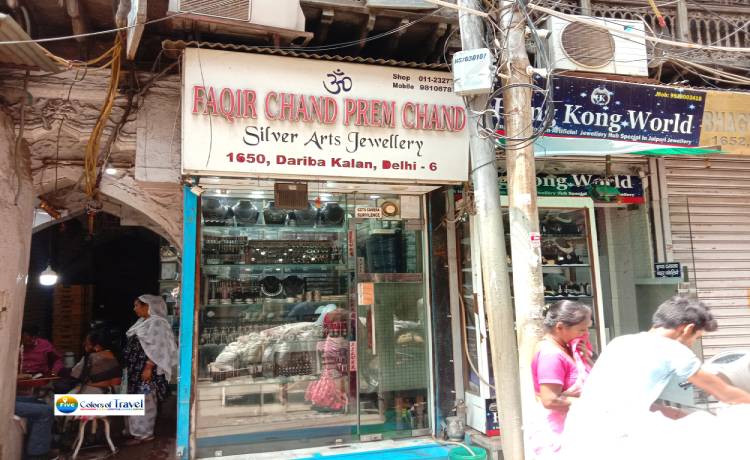
Dariba Kalan : चाँदनी चौक के मशहूर दरीबा कलां और किनारी बाज़ार Five Colors of Travel देश भर में प्रसिद्ध चाँदनी चौक में जान डालते हैं वहाँ के कई छोटे-बड़े बाज़ार। हर एक मील पर एक नया बाज़ार शुरू हो जाता है और बाज़ार भी कुछ ऐसे जहाँ हर नुक्कड़ और चौराहे पर कुछ अलग व उम्दा दिखना बड़ी बात नहीं। चाँदनी चौक के ऐतिहासिक और बेहद पुराने बाजारों की सूची में शुमार दरीबा कलां और किनारी बाज़ार की भी अपनी अलग खासियत है। यही कारण है कि वहाँ बने बाज़ार पीढ़ी दर पीढ़ी अपनी पहचान बनाये हुए हैं।( Dariba Kalan, Chandni Chowk) दरीबा कलां ज्वेलरी हब दरीबा कलां केवल एक बाज़ार तक सीमित न होकर ज्वेलरी की एक पूरी अलग दुनिया है। जहाँ हीरे जवाहरात, सोना, चांदी, सिल्वर, एथनिक और वेस्टर्न हर तरह का ज्वेलरी पीस आसानी से उपलब्ध हो जाता है। 17वीं शताब्दी से चल रही ये मार्किट लाल किले से सिर्फ 5 मिनट की दूरी पर स्थित है। लगभग 2 किलोमीटर लम्बी सड़क पर बनी इस मार्किट में घुसते ही आपके चारों ओर अगर कुछ है तो वह है सोना, चांदी और ज्वेलरी के उम्दा डिज़ाइन। मार्किट की शुरुवात होती है प्रसिद्ध जलेबी वाले की दुकान से जो न जाने कितने सालों से अपनी जलेबी की मिठास से चाँदनी चौक में मिठास घोल रहा है। आगे बढ़ते ही आपको खुद-ब-खुद महसूस हो जाएगा की चाँदनी चौक नाम में चाँदनी शब्द दरीबा कलां से ही लिया गया है। क्योंकि यहां के अधिकतर दुकानदार चाँदी के गहनों के अलावा चाँदी के बर्तन और चाँदी की बनी देवी-देवताओं की मूर्तियाँ भी सैंकड़ों सालों से बेचते आ रहे हैं। पीढ़ियों से चल रहे इस बाज़ार में आपको हर प्रकार की ज्वेलरी के उम्दा डिज़ाइन आसानी से मिल जाएंगे, जिनकी कला और खूबसूरती देख आप असमंजस में पड़ जाएंगे की क्या ले और क्या नहीं। सदियों पुराना शाही बाजार बता दें दरीबा कलां बाज़ार की स्थापना का श्रेय मुगल बादशाह शाहजहाँ को जाता है। माना जाता है कि बाज़ार में बादशाह, उनके परिवार और शाही लोग खरीदारी करने आते थे, खासकर महलों की बेगमों के लिए भी बाजार में गहनों की दुकानें खोली गई। तब से लेकर आज तक यह महिलाओं का पसंदीदा बाजार है। चाँदी के बर्तन बताते हैं यह बाजार कई बार लूटा गया लेकिन हर बार फिर से स्थापित हो गया। आज इस बाज़ार में मीरीमल सुल्तान सिंह जैन, धन्नूमल जगाधर मल, लिली डीयाना, भगवान दास खन्ना, श्रीराम हरि राम, राम स्वरूप जैन, राधे कृष्ण, रत्न चंद जैसे अनेक पुराने जौहरियों के वंशजों के अलावा बहुत से नए जौहरी भी अपना कारोबार कर रहे हैं। इसके अलावा बाज़ार में आपको नेपाली, तिब्बती ज्वेलरी भी आसानी से मिल जाएगी। आपको बता दें बाज़ार में रोज़ाना करोड़ो का कारोबार होता है और त्यौहारों के दिनों में डिमांड दुगनी हो जाती है। कीमत के लिहाज से भी दरीबा कलां परफेक्ट है। किनारी बाज़ार चांदनी चौक के सबसे मशहूर बाज़ारों में से एक किनारी बाज़ार दरीबा कलां के बिलकुल पास में स्थित है। बाज़ार की शुरुवात होती है प्रेम चंद गोटे वाले चौक से। जहाँ लोग शादी से लेकर, दुकानों और घरों का सामान भी खरीदते हैं। इस बाज़ार में फैंसी गोटा पट्टी, लेस, शादी की पगड़ियाँ, शगुन के लिफाफे, शगुन के थाल, ज्वेलरी बॉक्स और न जाने कितने प्रकार की आइटम मिलते हैं। आपको बता दें वैसे तो किनारी बाज़ार में थोक में सामान ज्यादा बिकता है लेकिन कुछ दुकानदार रिटेल में भी अपना सामान बेचते हैं। यहाँ पर बिकने वाला सामान आपको बेहद किफायती दामों में मिल जाता है। बात चाहे शादी में प्रयोग होने वाले सजावट के सामान की हो या अन्य वस्त्रों की किनारी बाज़ार में आपको सब मिलेगा। किनारी बाज़ार का नाम सूट और साड़ी के नीचे लगने वाली किनारी के नाम पर ही रखा गया है। यहाँ आपको हर तरह की किनारी, गोटा और लटकन मिल जाएगी। ये बाजार भले ही संकरी गलियों में बने हुए हैं, भले ही यहाँ की दुकानें छोटी-छोटी हैं लेकिन दुकानें छोटी होने के बावजूद भी यहाँ आने वाले खरीददारों को न केवल बहुत सारी वैरायटी मिल जाती है बल्कि क्वालिटी से भी किसी प्रकार का समझौता नहीं किया जाता। चाँदनी चौक के यह दोनों बाज़ार इसीलिए दिल्ली के सबसे अच्छे बाजारों में गिने जाते हैं। कम कीमत में बढ़िया सामान किसको पसंद नहीं है? ये दोनों ऐतिहासिक बाज़ार अपनी क्वालिटी, प्रोडक्ट के यूनिकनेस और कीमत हर लिहाज़ से परफेक्ट हैं। तो अब जब भी चाँदनी चौक जाएँ दरीबा कलां और किनारी बाज़ार में खरीदारी का लुफ्त जरुर उठाएँ।(Dariba Kalan, Chandni Chowk) Written & Research by Geetu Katyal Edited by Pardeep kumar You can watch video of this blog- Dariba kalan & Kinari Bazar Like & Subscribe