


Culture Uttar Pradesh

The significance of Govardhan: A spiritual journey rooted in devotion

  • 0 Comments

An important place, Govardhan, located near Mathura, in the state of Uttar Pradesh, is well known among the devotees of Lord Krishna. It has a great religious, cultural as well as historical importance in Hinduism. The area of Govardhan Hill is very much related to one of the most important narratives in Hinduism тАУ the story of Govardhan Puja which is observed during the period of Diwali. Many people come to this holy place on the pilgrimage called Govardhan Parikrama, which is considered very fruitful in a spiritual sense.(Significance of Govardhan) In this blog, we will examine the past and understand the mysteries of the Govardhan Hill, its history, myth, and meaning along with what it has always created in the hearts of a billion people. However, Krishna was not okay with this. He reasoned that there was no need to worship Indra and instead let тАШGovardhanтАЩ the mountain sit down for worship since it was providing the villagers with fresh grass as well as fertile land instead of bringing sacrifices to idols. The hill was the very personification of nature, which nourished the people living there. The making of Annakut shows the richness and fertility and the items on the platter are then offered as prasad to the believers. Many temples throughout the nation organize a lot of the food to be offered to Krishna, with the intention of serving it to people in the community and thus ethics of charity and social togetherness is illustrated. The commemoration is not only focused on performing the religious practices but it is part of the very practices focused on sustainability and eco-friendliness. The occasions are marked with very extravagant celebrations in many temples such as the Banke Bihari Temple that is found in Vrindavan, where the singing, dancing, and devotion of the people can be seen. Govardhan Parikrama The Govardhan Parikrama or the circumambulation of the hill is one of the primary ways of showing reverence to, love for and devotion to the Govardhan. Every year, thousands of devotees make this circumambulation of 21 kilometres around the hill, as a form of faith, austerity and purification of the soul. The pilgrimage in question is not only a physical one but a deeply meditative one as well. While walking barefoot on the course, devotees recite prayers and sing devotional bhajans (songs); they bathe themselves in spirituality that helps them reach God. An inward gaze is released through many such journeys, self-imposed restrictions are erased and appreciation for KrishnaтАЩs care and Mother Nature in all its forms is vocalize The route features many halts such as Radha Kund and Shyam Kund, the sacred ponds of Radha and Krishna, the Danghati Temple, where devotees worship Lord Krishna who lifted the holy mountain of Govardhan. Devotees usually believe that intenTionally or with unblemished heart, if Parikrama is performed, prayer will be answered, sins will be washed away, richness will be attained and ultimate salvation will be realized.  The Significance and Teachings Associated with Govardhan The narrative regarding Govardhan is not merely a story of fantasy that is prevalent in Hinduism. It has very strong and deep meaning and lessons which uplift the mankind even in this age. 1. Reverence for Nature Govardhan Hill teaches us of the significance of nature and ecology. Krishna not only lifted the hill to shield his people but also preached that humanity must love and honor nature as it is the mother of all. This lesson is of utmost importance in the twenty-first century considering the ecological issues the planet is undergoing. In the case of Govardhan Puja, which mostly involves people giving food prepared with harvested grains and other foods, this worship reminds of the bounty of the soil and the need to take care of nature. 2. Humility and the Power of Faith Similarly, the hill that Krishna lifted does signify faith in humility, which is quite powerful. The villagers braved the anger of Indra and were not aided by cleverness, strength or any such thing, but by KrishnaтАЩs loving and compassionate resolve. It is a lesson that there is more force in true devotion and respect for what is sacred than there is in any empowerment of the ego. 3. Collective Unity and Devotion The story of the Govardhan mission is a case of united faith. The people of Vrindavan were devoted to Krishna and the worship of Mother Nature, and they faced the difficulties together. The same spirit of togetherness is present in the thousands of pilgrims who participate in the Govardhan Parikrama, lending to the idea that thanks to spirituality, it is possible to join many coupled families but leave none untouched. Govardhan Puja: A Day of Thankfulness In northern India, especially, Govardhan Puja is observed with great zeal a day after the festival of Diwali. Devotees sculpt the image of Mount Govardhan out of cow faeces and perform cow worship in this festival by placing grains, sweets and fruits around it. Annakut, or mountain of food, is the term used to refer to this act, which is in honouring KrishnaтАЩs instruction to give respect to the earth and everything that grows on it. In northern India, especially, Govardhan Puja is observed with great zeal a day after the festival of Diwali. Devotees sculpt the image of Mount Govardhan out of cow faeces and perform cow worship in this festival by placing grains, sweets and fruits around it. Annakut, or mountain of food, is the term used to refer to this act, which is in honouring KrishnaтАЩs instruction to give respect to the earth and everything that grows on it. To make Annakut thanks giving, joyous celebration dips considerably. Devotees are then given these offerings as prasad. In temples around the world, large quantities of food are made available to Krishna after which it is distributed to society in respect to the custom of oneness and charity.  Govardhan in the Present Age While the tohpur is sacred. it is also instrumental in saving forests

Culture Uttar Pradesh

Dev Deepawali 2024: A Divine Celebration in Varanasi

  • 0 Comments

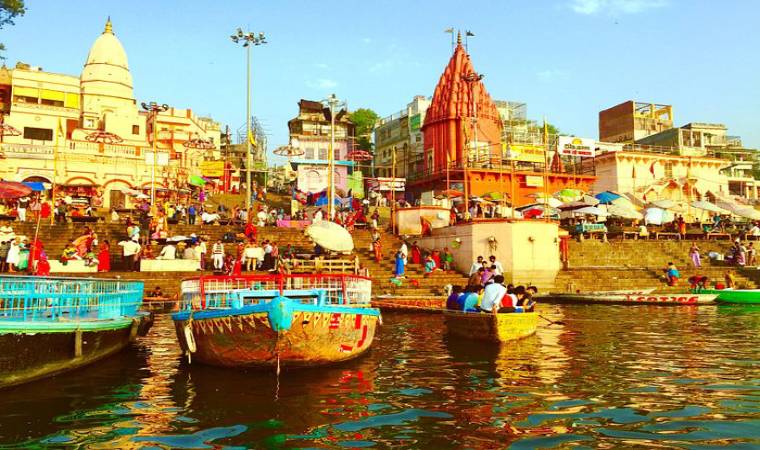
The abundance of Indian festive occasions cannot be compared to the beauty which Varanasi Diwali and Dev Deepawali encompass. Varanasi also referred to as the The City of Lights, celebrates two of the most significant festivals in the Hindu calendar. Dev Deepawali is often combined with other cultures and is therefore less popular than Diwali in India which is celebrated as the Festival of LightsтАЩ.(Dev Deepawali) The significance of Deepawali in Varanasi Diwali is the Festival of Lights, where people pray to Goddess Lakshmi and offer their prayers with devotion on November 1, 2024. There is a reason behind the scheduled celebrations for VaranasiтАЩs piecing up during Diwali. The ghats of the city which extend along the sacred river Ganga are dazzling as the devotees get together and illuminate the river banks with diyas to welcome back Lord Rama from his exile back in Ayodhya. ‘After Diwali, Dev Deepawali’ Exactly fifteen days after Diwali on November 15, 2024 April, another fascinating festival takes place in Varanasi: Dev Deepawali. Hindu belief has it that this day signifies the return of the gods from heaven to the physical world in honor of the defeat of the demon, Tripurasura, by Lord Shiva. The celebration of this festival is within Kartik Purnima, which is the last day of the month of Kartik in the lunar calendar for Hindus and it is a very auspicious one. The ghats of Varanasi, more especially the Dashashwamedh Ghat, is one place worth looking out for at this time. The river banks are filled with millions of oil lamps creating a river of flames on the surface of the water. This eveningтАЩs Ganga Aarti is quite impressive, and attracts lots of people, quite in thousands, with their chants and hymns resounding in the array of waters. Every single person in the city at that moment can be compared to an artist holding a paintbrush in hand and a white canvas which symbolizes the sky in which the divine dwells above the earthly city.  Varanasi: The Eternal City Varanasi is not a city, but rather spiritual Benares, as is commonly referred to. Situated on the western banks of the Ganga, Varanasi is among the oldest inhabited cities in the history of mankind, Varanasi being in India. It has been a place of interest for Hindu institution as various temples and shrines ensure constant influx of faithful over the year. Describing Varanasi during Diwali or Dev Deepawali is not only about its decorative and expensive colors. The spirituality can be felt anywhere тАУ be it the priests performing Ganga Aarti, devotees offering prayers in the waters or ghats filled with lit diyas. Places such of this in Benaras which erase your every other thought apart from abiding and experiencing its spirituality do exist.  Dev Deepawali 2024: A Visual and Spiritual Treat If Dev Deepawali 2024 is celebrated so, then it is as if the region of Varanasi can be known in its most celestial state. The observance commences when devout Hindus deck the place with lights and lamps at twilight, but the real drama is when the moon makes its appearance. The reflection of the moon on the sacred river Ganga along with the flame of the lamps in the Gensburg, gives the view of the city an enchanting look. Travelers and pilgrims alike can also participate in Ganga Mahotsav, a five-day festival scheduled by the Tourism Board of Uttar Pradesh concerning the best of Indian Classical music, dance, and handlooms. The festival, which also marks the end of the cityтАЩs Dev Deepawali celebrations, quite illustrates how the city handles both the age old practices and modern day festivities. Planning Your Visit In case you are inclined towards being in Varanasi during the Dev Deepawali celebrations in the year 2024, an early accommodation booking is a necessity. This is because the whole city turns out to be a base of full activity and all the hotels and guest houses are booked. Local tour companies like Shiva Kashi Travels provide well organized plans including local tours, boat rides during evening aarti on the Ganga and so on. Being in Varanasi in the time of Diwali and Dev Deepawali is not just attending the festivities; it is about undergoing its spirituality and the more it explores the cultural and religious aspects of India. Whether it is the mystic energy of the city, its rich history or the endless festivities, Varanasi in Dev Deepawali 2024 will be a pilgrimage to cherish for ages.

Destination Food Gujrat Haryana

The diagonal division: Rice Vs Roti in Indian culinary landscape

  • 0 Comments

India is a country with a lot of cultural diversity. And eating habits reflect this rich tapestry. The most striking culinary difference is the division between “rice and bread”, a nutritional contrast often seen on the diagonal that spans the subcontinent One side of this line Rice dominates the daily diet. On the other hand, chapati or roti (a flat bread made from wheat) is a reflective staple. Let us explore this interesting division in more detail. Diagonal illustration The imaginary diagonal dividing India into rice-eating and bread-eating areas begins approximately from Punjab in the northwest. It cuts through the heart of India to Orissa and stretches southeast to Tamil Nadu, although there are always exceptions and overlaps. Where is the bread or the basis of the daily diet?  Rice dominating states 1. South India The states Tamil Nadu, Kerala, Andhra Pradesh, Telangana and Karnataka form the southern part of this divide. of which rice is king South Indian food is synonymous with rice-based dishes like idli, dosa, biryani. and sambar rice Abundant rainfall and favourable weather conditions make the region suitable for rice cultivation. This explains the uniqueness of the local cuisine.  2. Northeast India. The states Assam, Arunachal Pradesh, Manipur, Meghalaya, Mizoram, Nagaland, Tripura are also heavily dependent on rice e.g. together The fertile valleys and mountainous regions of the Brahmaputra are suitable for rice cultivation. Rice is eaten with fish, vegetables and fermented foods and is an important part of the traditional diet. 3. West Bengal and Orissa West Bengal and Orissa are regions where rice plays an important role in daily life. in Bengal Rice is eaten with various curries, lentils, and fish. Food in Orissa is also rice-based. And it is often served with dalma. (cooked lentils with vegetables) and pakla (fermented rice)  4. East Central India Rice is prominent in states like Bihar, Jharkhand and parts of Chhattisgarh especially in rural areas. Although wheat is also consumed (in the form of chapati), but rice makes up the majority of the food. especially in agricultural communities  Roti Dominating States  1. Northern India On the other hand, states like Punjab, Haryana, Himachal Pradesh and some parts of Uttar Pradesh is the main wheat producing region. with chapati or bread as the main food Cooler climates and more favorable soil conditions make wheat cultivation more feasible in these areas. And the result is Bread has become an important part of the daily diet. A meal typically consists of bread paired with vegetables, lentils, and dairy products such as yogurt or butter. 2. Rajasthan Rice cultivation is restricted due to lack of water during the dry season. Rajasthan makes wheat-based food the main source of sustenance Bajra Roti (flat bread in pearl millet) and Missi Roti. (spiced flatbread made from wheat and gram flour) is common in Rajasthani households. 3. Western India Gujarat and Madhya Pradesh prefer to eat bread more than rice. Even though rice is sometimes consumed in small amounts. Popular dishes in Gujarati are rotla (millet kati bread) and thepla (spiced flatbread), often served with pickles and buttermilk. ┬а4. Northern Indian city Bread is commonly found in the city centre of Uttar Pradesh and Bihar while rice remains popular in rural areas. Switching to a bread-based diet in urban areas It reflects broader trends in urban wheat consumption. This may be due to the ease of preparing chapati and lifestyle changes…  Why the divide? The main factors behind this divide are geography and agriculture. Rice growing areas in the southeast and northeast of India have more conducive climates for growing rice. Monsoon season and irrigation facilities support rice fields. Make rice the main crop On the other hand, wheat cultivation is popular in the northwestern region of India. which has a warmer and drier climate Wheat grows well in the fertile plains of Punjab, Haryana and Uttar Pradesh where the winter crop is grown. As a result, chapati or bread made from wheat has become a staple food in these areas. In addition to agriculture Historical influences and trade routes have shaped the dietary habits of these regions. For example, the arrival of Persian and Mughal culinary traditions in the north and west gave rise to flatbread and shaped wheat dishes. New style Makes the popularity of bread more and more… The diagonal lines that demarcate India’s rice and bread diets provide an interesting lens through which to understand the country’s diverse food culture. This divide is rooted in geography, agriculture, and history. It has shaped the daily lives and recipes of millions of people. Although the lines may be blurred in the modern era, But the cultural importance of rice in the south and east and roti in the northwest It remains a prominent feature of the Indian culinary landscape… Whether it is to taste delicious rice with sambar in Tamil Nadu. Or enjoy freshly made rotis with ghee in Punjabi. Indian food traditions are also a delicious reminder of its diversity. Research by- Khushi Aggarwal/Edited by-Pardeep Kumar

Bazar Culture

рдзрдирддреЗрд░рд╕-рдЬрд╛рдирд┐рдП рдХреНрдпреЛрдВ рд╣реИ рдЦрд░реАрджрджрд╛рд░реА рдХрд╛ рд╕рдмрд╕реЗ рдЙрддреНрддрдо рд╕рдордп

  • 0 Comments

рд╡реИрд╕реЗ рддреЛ рджреЗрд╢ рдореЗрдВ рдкреВрд░реЗ рд╕рд╛рд▓ рддреАрдЬ-рддреНрдпреЛрд╣рд╛рд░реЛрдВ рдХрд╛ рд╕рд┐рд▓рд╕рд┐рд▓рд╛ рдЪрд▓рддрд╛ рд░рд╣рддрд╛ рд╣реИ, рд▓реЗрдХрд┐рди рдЬреИрд╕реЗ рд╣реА рдЕрдХреНрдЯреВрдмрд░ рдХрд╛ рдорд╣реАрдирд╛ рджрд╕реНрддрдХ рджреЗрддрд╛ рд╣реИ, рдорд╛рдиреЛ рдЙрддреНрд╕рд╡реЛрдВ рдХреА рдПрдХ рдмрд╣рд╛рд░ рд╕реА рдЖ рдЬрд╛рддреА рд╣реИред рдЕрдХреНрдЯреВрдмрд░ рдХреА рд╢реБрд░реБрдЖрдд рдирд╡рд░рд╛рддреНрд░рд┐ рд╕реЗ рд╣реЛрддреА рд╣реИ рдФрд░ рдлрд┐рд░ рдЗрди рдЦреБрд╢рд┐рдпреЛрдВ рдХрд╛ рдХрд╛рд░рд╡рд╛рдВ рдорд╣реАрдиреЛрдВ рдЪрд▓рддрд╛ рд░рд╣рддрд╛ рд╣реИред рдлрд╛рдЗрд╡ рдХрд▓рд░реНрд╕ рдСреЮ рдЯреНрд░реЗрд╡рд▓ рдХреЗ рдЗрд╕ рдмреНрд▓реЙрдЧ рдореЗрдВ рд╣рдо рдмрд╛рдд рдХрд░реЗрдВрдЧреЗ рдзрдирддреЗрд░рд╕ рдХреА, рдЬрд┐рд╕реЗ рджреАрд╡рд╛рд▓реА рд╕реЗ рджреЛ рджрд┐рди рдкрд╣рд▓реЗ рдордирд╛рдпрд╛ рдЬрд╛рддрд╛ рд╣реИред  1. рдХреНрдпрд╛ рд╣реИрдВ рдзрдирддреЗрд░рд╕ рдХреЗ рдорд╛рдпрдиреЗ ? рдзрдирддреЗрд░рд╕ рджреЛ рд▓рдлреНрдЬрд╝реЛрдВ рд╕реЗ рдорд┐рд▓рдХрд░ рдмрдирд╛ рд╣реИтАФрдзрди рдпрд╛рдиреА рджреМрд▓рдд, рдФрд░ рддреЗрд░рд╕ рдорддрд▓рдм рддреЗрд░рд╣рд╡реАрдВ рддрд╛рд░реАрдЦрд╝ред рдпрд╣ рджрд┐рди рджреАрд╡рд╛рд▓реА рдХреЗ рджреЛ рджрд┐рди рдкрд╣рд▓реЗ рдЖрддрд╛ рд╣реИ рдФрд░ рджреЗрд╡реА рд▓рдХреНрд╖реНрдореА рдХреА рдкреВрдЬрд╛ рд╕реЗ рдЬреБрдбрд╝рд╛ рд╣реЛрддрд╛ рд╣реИ, рдЬреЛ рдзрди рдФрд░ рд╕рдореГрджреНрдзрд┐ рдХреА рдорд▓реНрд▓рд┐рдХрд╛ рдорд╛рдиреА рдЬрд╛рддреА рд╣реИрдВред рдЗрд╕ рджрд┐рди рд▓реЛрд╣реЗ, рдЪрд╛рдВрджреА, рд╕реЛрдиреЗ рдпрд╛ рдмрд░рддрдиреЛрдВ рдХреА рдЦрд╝рд░реАрджрд╛рд░реА рдХреЛ рдмрд╣реБрдд рдореБрдмрд╛рд░рдХ рдорд╛рдирд╛ рдЬрд╛рддрд╛ рд╣реИред  2 . рдЖрдпреБрд░реНрд╡реЗрдж рдФрд░ рдзрдирддреЗрд░рд╕ рдХрд╛ рд░рд┐рд╢реНрддрд╛ рд╣рдорд╛рд░реА рддрд╣рдЬрд╝реАрдм рдореЗрдВ рд╕реЗрд╣рдд рдХреЛ рд╕рдмрд╕реЗ рдмрдбрд╝реА рдиреЗрдордд рд╕рдордЭрд╛ рдЧрдпрд╛ рд╣реИред рдЗрд╕ рдмрд╛рдд рдХрд╛ рд╕рдмрд╕реЗ рдмрдбрд╝рд╛ рд╕рдмреВрдд рдзрдирддреЗрд░рд╕ рд╣реИ, рдЬрд┐рд╕реЗ рд░рд╛рд╖реНрдЯреНрд░реАрдп рдЖрдпреБрд░реНрд╡реЗрдж рджрд┐рд╡рд╕ рдХреЗ рд░реВрдк рдореЗрдВ рднреА рдордирд╛рдпрд╛ рдЬрд╛рддрд╛ рд╣реИред рдХрд╣рд╛ рдЬрд╛рддрд╛ рд╣реИ рдХрд┐ рд╕рдореБрджреНрд░ рдордВрдерди рдХреЗ рджреМрд░рд╛рди рднрдЧрд╡рд╛рди рдзрдиреНрд╡рдВрддрд░рд┐ рдЕрдкрдиреЗ рд╣рд╛рдереЛрдВ рдореЗрдВ рдЕрдореГрдд рдХрд╛ рдкреНрдпрд╛рд▓рд╛ рд▓реЗрдХрд░ рдкреНрд░рдХрдЯ рд╣реБрдП рдереЗред рд╡реЛ рдЖрдпреБрд░реНрд╡реЗрдж рдХреЗ рдЬрдирдХ рдорд╛рдиреЗ рдЬрд╛рддреЗ рд╣реИрдВ рдФрд░ рдЗрдиреНрд╣реЛрдВрдиреЗ рд╣реА рджреБрдирд┐рдпрд╛ рднрд░ рдореЗрдВ рдЪрд┐рдХрд┐рддреНрд╕рд╛ рд╡рд┐рдЬреНрдЮрд╛рди рдХрд╛ рдкрд░рдЪрдо рд▓рд╣рд░рд╛рдпрд╛ред рдзрдирддреЗрд░рд╕ рдХрд╛ рдпреЗ рджрд┐рди рд╕реЗрд╣рдд рдФрд░ рдЗрд▓рд╛рдЬ рдХреЗ рд▓рд┐рдП рдмреЗрд╣рдж рдЕрд╣рдо рдорд╛рдирд╛ рдЬрд╛рддрд╛ рд╣реИред рдЗрд╕ рджрд┐рди рд▓реЛрдЧ рдШрд░ рдХреЗ рджрд░рд╡рд╛рдЬрд╝реЛрдВ рдкрд░ рддреЗрд░рд╕ рдХреЗ рджреАрдП рдЬрд▓рд╛рддреЗ рд╣реИрдВ, рдЬреЛ рдПрдХ рдкреБрд░рд╛рдиреА рд░рд╕реНрдо рд╣реИ рдФрд░ рдпрдХреАрди рдХрд┐рдпрд╛ рдЬрд╛рддрд╛ рд╣реИ рдХрд┐ рдЗрд╕рд╕реЗ рдШрд░ рдореЗрдВ рд╕реБрдХреВрди, рдЪреИрди рдФрд░ рдзрди-рджреМрд▓рдд рдЖрддреА рд╣реИред ┬а3 . рдзрдирддреЗрд░рд╕ рджрд┐рд╡рд╛рд▓реА рд╕реЗ рджреЛ рджрд┐рди рдкрд╣рд▓реЗ рдХреНрдпреЛрдВ рдордирд╛рдпрд╛ рдЬрд╛рддрд╛ рд╣реИ? рдкреБрд░рд╛рдиреА рдорд╛рдиреНрдпрддрд╛рдУрдВ рдХреЗ рдореБрддрд╛рдмрд┐рдХ, рд╕рдореБрджреНрд░ рдордВрдерди рдХреЗ рдЪреМрджрд╣рд╡реЗрдВ рджрд┐рди рднрдЧрд╡рд╛рди рдзрдиреНрд╡рдВрддрд░рд┐ рд╣рд╛рде рдореЗрдВ рдЕрдореГрдд рдХрд╛ рдкреНрдпрд╛рд▓рд╛ рд▓рд┐рдП рдкреНрд░рдХрдЯ рд╣реБрдП рдереЗред рдЪреВрдВрдХрд┐ рд╡реЗ рдкреНрдпрд╛рд▓рд╛ рд▓реЗрдХрд░ рд╕рдореБрджреНрд░ рд╕реЗ рдирд┐рдХрд▓реЗ рдереЗ, рдЗрд╕реАрд▓рд┐рдП рдЗрд╕ рджрд┐рди рдмрд░рддрди рдЦрд╝рд░реАрджрдирд╛ рд╢реБрдн рдорд╛рдирд╛ рдЬрд╛рддрд╛ рд╣реИред рднрдЧрд╡рд╛рди рдзрдиреНрд╡рдВрддрд░рд┐ рдХреЗ рдкреНрд░рдХрдЯ рд╣реЛрдиреЗ рдХреЗ рджреЛ рджрд┐рди рдмрд╛рдж рджреЗрд╡реА рд▓рдХреНрд╖реНрдореА рднреА рд╕рдореБрджреНрд░ рд╕реЗ рдирд┐рдХрд▓реА рдереАрдВ, рдФрд░ рдЗрд╕ рд╡рдЬрд╣ рд╕реЗ рджреАрд╡рд╛рд▓реА рд╕реЗ рджреЛ рджрд┐рди рдкрд╣рд▓реЗ рдзрдирддреЗрд░рд╕ рдХрд╛ рддреНрдпреМрд╣рд╛рд░ рдордирд╛рдпрд╛ рдЬрд╛рддрд╛ рд╣реИред  4 . рдзрдирддреЗрд░рд╕ рдкрд░ рдХреНрдпрд╛ рдЪреАрдЬрд╝ рд╕рдмрд╕реЗ рдЬреНрдпрд╛рджрд╛ рдЦрд░реАрджреА рдЬрд╛рддреА рд╣реИ? рд╣рдорд╛рд░реЗ рджреЗрд╢ рдХреЗ рд▓реЛрдЧ рдЕрдкрдиреА рддрд╣рдЬрд╝реАрдм рдФрд░ рдзрд░реНрдо рдореЗрдВ рд╡рд┐рд╢реЗрд╖ рдЖрд╕реНрдерд╛ рд░рдЦрддреЗ рд╣реИрдВред рдзрдирддреЗрд░рд╕ рдХреЗ рджрд┐рди рд▓реЛрд╣рд╛, рдЪрд╛рдВрджреА, рд╕реЛрдирд╛, рдпрд╛ рдмрд░рддрди рдЦрд╝рд░реАрджрдирд╛ рдмреЗрд╣рдж рд╢реБрдн рдорд╛рдирд╛ рдЬрд╛рддрд╛ рд╣реИред рдЦрд╛рд╕рддреМрд░ рдкрд░ рдкреАрддрд▓, рд╕реНрдЯреАрд▓ рдпрд╛ рдЪрд╛рдВрджреА рдХреЗ рдмрд░рддрди рдЦрд╝рд░реАрджрдиреЗ рдХрд╛ рджрд╕реНрддреВрд░ рд╣реИ, рдХреНрдпреЛрдВрдХрд┐ рднрдЧрд╡рд╛рди рдзрдиреНрд╡рдВрддрд░рд┐ рднреА рдЕрдореГрдд рд╕реЗ рднрд░рд╛ рдХрд▓рд╢ рд▓реЗрдХрд░ рдкреНрд░рдХрдЯ рд╣реБрдП рдереЗред рдЗрд╕ рджрд┐рди рдШрд░ рдореЗрдВ рдХреЛрдИ рднреА рдирдИ рдЪреАрдЬрд╝ рд▓рд╛рдирд╛ рдШрд░ рдореЗрдВ рдмрд░рдХрдд рдФрд░ рдЦреБрд╢рд╣рд╛рд▓реА рд▓рд╛рддрд╛ рд╣реИред рд╣рд┐рдВрджреВ рдзрд░реНрдо рдЧреНрд░рдВрдереЛрдВ рдХреЗ рдореБрддрд╛рдмрд┐рдХ, рдпрд╣ рдПрдХ рд╢реБрдн рд░рд┐рд╡рд╛реЫ рд╣реИред 5 . рднрдЧрд╡рд╛рди рдзрдиреНрд╡рдВрддрд░рд┐ рдФрд░ рдЪрд┐рдХрд┐рддреНрд╕рд╛ рд╡рд┐рдЬреНрдЮрд╛рди рд╣рдорд╛рд░реЗ рджреЗрд╢ рдореЗрдВ рд╣рдореЗрд╢рд╛ рд╕реЗ рдпрд╣ рдорд╛рдирд╛ рдЧрдпрд╛ рд╣реИ рдХрд┐ рд╕реЗрд╣рдд рд╕рдмрд╕реЗ рдмрдбрд╝реА рджреМрд▓рдд рд╣реИред рдЗрд╕ рджрд┐рди рдХреЛ рд░рд╛рд╖реНрдЯреНрд░реАрдп рдЖрдпреБрд░реНрд╡реЗрдж рджрд┐рд╡рд╕ рдХреЗ рддреМрд░ рдкрд░ рдордирд╛рдпрд╛ рдЬрд╛рддрд╛ рд╣реИред рднрдЧрд╡рд╛рди рдзрдиреНрд╡рдВрддрд░рд┐, рдЬрд┐рдиреНрд╣реЗрдВ рднрдЧрд╡рд╛рди рд╡рд┐рд╖реНрдгреБ рдХрд╛ рдЕрдВрд╢ рдорд╛рдирд╛ рдЬрд╛рддрд╛ рд╣реИ, рдЙрдиреНрд╣реЛрдВрдиреЗ рдЪрд┐рдХрд┐рддреНрд╕рд╛ рд╡рд┐рдЬреНрдЮрд╛рди рдХрд╛ рдкрд░рдЪрдо рд▓рд╣рд░рд╛рдпрд╛ рдерд╛ред рдЗрд╕ рджрд┐рди рдШрд░ рдХреЗ рдмрд╛рд╣рд░ рджреАрдП рдЬрд▓рд╛рдиреЗ рдХрд╛ рджрд╕реНрддреВрд░ рд╣реИ, рдЬреЛ рд╕реБрдХреВрди рдФрд░ рд▓рдВрдмреА рдЙрдореНрд░ рдХрд╛ рддреЛрд╣рдлрд╛ рджреЗрддрд╛ рд╣реИред 6 . рджреЗрд╡реА-рджреЗрд╡рддрд╛рдУрдВ рдХреА рдкреВрдЬрд╛ рдХрд╛ рд░рд┐рд╡рд╛рдЬ рдзрдирддреЗрд░рд╕ рдХреЗ рджрд┐рди рд╕рд┐рд░реНрдл рджреЗрд╡реА рд▓рдХреНрд╖реНрдореА рдФрд░ рдзрдиреНрд╡рдВрддрд░рд┐ рдХреА рдкреВрдЬрд╛ рдирд╣реАрдВ рд╣реЛрддреА, рдмрд▓реНрдХрд┐ рдзрди рд╡реИрднрд╡ рдХреЗ рджреЗрд╡рддрд╛ рдХреБрдмреЗрд░ рдФрд░ рдпрдорд░рд╛рдЬ рдХреА рднреА рдкреВрдЬрд╛ рдХреА рдЬрд╛рддреА рд╣реИред рд╣рд░ рдкреНрд░рд╛рд░реНрдердирд╛ рдХреЗ рдкреАрдЫреЗ рдПрдХ рдЕрд▓рдЧ рдХрд╣рд╛рдиреА рд╣реИ, рд▓реЗрдХрд┐рди рдордХрд╕рдж рдПрдХ рд╣реА рд╣реИтАФрдШрд░ рдореЗрдВ рд╕реБрдХреВрди, рджреМрд▓рдд рдФрд░ рд╕реЗрд╣рдд рдХрд╛ рдЖрдирд╛ред 7 . рдзрдирддреЗрд░рд╕ рдХреА рдкреМрд░рд╛рдгрд┐рдХ рдХрд╣рд╛рдиреА рдПрдХ рдмрд╛рд░ рдпрдорд░рд╛рдЬ рдиреЗ рдЕрдкрдиреЗ рдлрд░рд┐рд╢реНрддреЛрдВ рд╕реЗ рдкреВрдЫрд╛ рдХрд┐ рдХреНрдпрд╛ рдХрднреА рдХрд┐рд╕реА рдЗрдВрд╕рд╛рди рдХреА рдЬрд╛рди рд▓реЗрддреЗ рд╡рдХреНрдд рддреБрдореНрд╣реЗрдВ рддрд░рд╕ рдЖрдпрд╛ рд╣реИ? рдлрд░рд┐рд╢реНрддреЛрдВ рдиреЗ рдЬрд╡рд╛рдм рджрд┐рдпрд╛, “рдорд╣рд╛рд░рд╛рдЬ, рд╣рдо рддреЛ рдмрд╕ рдЖрдкрдХреЗ рд╣реБрдХреНрдо рдХрд╛ рдкрд╛рд▓рди рдХрд░рддреЗ рд╣реИрдВред” рд▓реЗрдХрд┐рди рдлрд┐рд░ рдпрдорд░рд╛рдЬ рдиреЗ рдкреВрдЫрд╛, “рдХрднреА рдХрд┐рд╕реА рдЗрдВрд╕рд╛рди рдХреА рдЬрд╛рди рд▓реЗрддреЗ рд╡рдХреНрдд рддреБрдореНрд╣рд╛рд░рд╛ рджрд┐рд▓ рдкрд╕реАрдЬрд╛ рд╣реИ?” рддрдм рдПрдХ рдлрд░рд┐рд╢реНрддреЗ рдиреЗ рдХрд╣рд╛, “рд╣рд╛рдВ, рдПрдХ рдмрд╛рд░ рдРрд╕рд╛ рд╡рд╛рдХрдпрд╛ рд╣реБрдЖ рдерд╛ред” рдлрд░рд┐рд╢реНрддреЗ рдиреЗ рдХрд╣рд╛рдиреА рд╕реБрдирд╛рдИ рдХрд┐ рдПрдХ рдмрд╛рд░ рд░рд╛рдЬрд╛ рд╣реЗрдо рдХреЗ рдШрд░ рдПрдХ рдмреЗрдЯреЗ рдХрд╛ рдЬрдиреНрдо рд╣реБрдЖред рдЬреНрдпреЛрддрд┐рд╖рд┐рдпреЛрдВ рдиреЗ рднрд╡рд┐рд╖реНрдпрд╡рд╛рдгреА рдХреА рдереА рдХрд┐ рдЙрд╕рдХреА рд╢рд╛рджреА рдХреЗ рдЪрд╛рд░ рджрд┐рди рдмрд╛рдж рдЙрд╕рдХреА рдореМрдд рд╣реЛ рдЬрд╛рдПрдЧреАред рд░рд╛рдЬрд╛ рдиреЗ рдЕрдкрдиреЗ рдмреЗрдЯреЗ рдХреЛ рдПрдХ рдЧреБрдлрд╛ рдореЗрдВ рдмреНрд░рд╣реНрдордЪрд╛рд░реА рдХреЗ рд░реВрдк рдореЗрдВ рд░рдЦрд╛, рдЬрд╣рд╛рдВ рдХреЛрдИ рдФрд░рдд рдЙрд╕рдХреА рдкрд░рдЫрд╛рдИ рддрдХ рди рджреЗрдЦ рд╕рдХреЗред рд▓реЗрдХрд┐рди рдПрдХ рджрд┐рди рд░рд╛рдЬрд╛ рд╣рдВрд╕ рдХреА рдмреЗрдЯреА рдЙрд╕ рдЧреБрдлрд╛ рддрдХ рдкрд╣реБрдВрдЪ рдЧрдИ рдФрд░ рджреЛрдиреЛрдВ рдиреЗ рдЧрдВрдзрд░реНрд╡ рд╡рд┐рд╡рд╛рд╣ рдХрд░ рд▓рд┐рдпрд╛ред рд╢рд╛рджреА рдХреЗ рдЪрд╛рд░ рджрд┐рди рдмрд╛рдж рд╡рд╣реА рд╣реБрдЖ рдЬреЛ рдЬреНрдпреЛрддрд┐рд╖рд┐рдпреЛрдВ рдиреЗ рдХрд╣рд╛ рдерд╛, рдЙрд╕ рдмреЗрдЯреЗ рдХреА рдореМрдд рд╣реЛ рдЧрдИред рдлрд░рд┐рд╢реНрддрд╛ рдХрд╣рддрд╛ рд╣реИ рдХрд┐ рдЙрд╕ рдирд╡рд╡рд┐рд╡рд╛рд╣рд┐рддрд╛ рдХреЗ рджрд░реНрдж рднрд░реЗ рд╡рд┐рд▓рд╛рдк рдХреЛ рджреЗрдЦрдХрд░ рдЙрдирдХрд╛ рджрд┐рд▓ рдкрд┐рдШрд▓ рдЧрдпрд╛ рдерд╛ред рдпрд╣ рд╕реБрдирдиреЗ рдХреЗ рдмрд╛рдж рдпрдорд░рд╛рдЬ рдиреЗ рдХрд╣рд╛, “рдпрд╣ рддреЛ рддрдХрд╝рджреАрд░ рдХрд╛ рдлреИрд╕рд▓рд╛ рд╣реИред” рд▓реЗрдХрд┐рди рдЙрдиреНрд╣реЛрдВрдиреЗ рдПрдХ рд╣рд▓ рджрд┐рдпрд╛ рдХрд┐ рдЬреЛ рд▓реЛрдЧ рдзрдирддреЗрд░рд╕ рдХреЗ рджрд┐рди рдкреВрдЬрд╛ рдФрд░ рджреАрдкрджрд╛рди рдХрд░рддреЗ рд╣реИрдВ, рдЙрдиреНрд╣реЗрдВ рдЕрдХрд╛рд▓ рдореГрддреНрдпреБ рд╕реЗ рдирд┐рдЬрд╛рдд рдорд┐рд▓рддреА рд╣реИред 8. рджреАрдкрджрд╛рди рдХреА рдЕрд╣рдорд┐рдпрдд: рджрд┐рдП рдЬрд▓рд╛рдУ, рдШрд░ рдореЗрдВ рд░реЛрд╢рдиреА рдФрд░ рдмрд░рдХрдд рд▓рд╛рдУ рдЗрд╕рд▓рд┐рдП, рдзрдирддреЗрд░рд╕ рдХреЗ рджрд┐рди рднрдЧрд╡рд╛рди рдзрдиреНрд╡рдВрддрд░рд┐, рдорд╛рддрд╛ рд▓рдХреНрд╖реНрдореА, рдХреБрдмреЗрд░ рдФрд░ рдпрдорд░рд╛рдЬ рдХреА рдкреНрд░рд╛рд░реНрдердирд╛ рдХреА рдЬрд╛рддреА рд╣реИ, рдФрд░ рджреАрдкрджрд╛рди рдХрд┐рдпрд╛ рдЬрд╛рддрд╛ рд╣реИ, рддрд╛рдХрд┐ рдШрд░ рдореЗрдВ рджреМрд▓рдд рдХреЗ рд╕рд╛рде-рд╕рд╛рде рд╕реЗрд╣рдд рдФрд░ рд▓рдВрдмреА рдЙрдореНрд░ рдХрд╛ рдЖрд╢реАрд░реНрд╡рд╛рдж рд╣рд╛рд╕рд┐рд▓ рд╣реЛред  9 . рдзрдирддреЗрд░рд╕ рдФрд░ рдЗрдХреЙрдирдореА рдХрд╛ рдмреВрд╕реНрдЯ рдзрдирддреЗрд░рд╕ рдХреЗ рджрд┐рди рдЦрд░реАрджрд╛рд░реА рдХрд╛ рдпрд╣ рд╕рд┐рд▓рд╕рд┐рд▓рд╛ рд╕рд┐рд░реНрдл рд╡реНрдпрдХреНрддрд┐рдЧрдд рд╕рдореГрджреНрдзрд┐ рддрдХ рд╕реАрдорд┐рдд рдирд╣реАрдВ рд╣реИ; рдпрд╣ рд╣рдорд╛рд░реА рдЕрд░реНрдерд╡реНрдпрд╡рд╕реНрдерд╛ рдХреЛ рднреА рдмреВрд╕реНрдЯ рдХрд░рддрд╛ рд╣реИред рдЬрдм рд▓реЛрдЧ рдЗрд╕ рджрд┐рди рд╕реЛрдиреЗ, рдЪрд╛рдВрджреА рдФрд░ рдЕрдиреНрдп рдмрд╣реБрдореВрд▓реНрдп рд╡рд╕реНрддреБрдУрдВ рдХреА рдЦрд╝рд░реАрджрд╛рд░реА рдХрд░рддреЗ рд╣реИрдВ, рддреЛ рдЗрд╕рд╕реЗ рдмрд╛рдЬрд╛рд░ рдореЗрдВ рддреЗрдЬреА рдЖрддреА рд╣реИред рд╡реНрдпрд╛рдкрд╛рд░рд┐рдпреЛрдВ рдХреЗ рд▓рд┐рдП рдпрд╣ рдПрдХ рд╕реБрдирд╣рд░рд╛ рдЕрд╡рд╕рд░ рд╣реЛрддрд╛ рд╣реИ, рдФрд░ рдЗрд╕рд╕реЗ рд░реЛрдЬрдЧрд╛рд░ рдХреЗ рдЕрд╡рд╕рд░ рднреА рдмрдврд╝рддреЗ рд╣реИрдВред рдЗрд╕ рдкреНрд░рдХрд╛рд░, рдзрдирддреЗрд░рд╕ рди рдХреЗрд╡рд▓ рд╡реНрдпрдХреНрддрд┐рдЧрдд рд╕рдореГрджреНрдзрд┐ рдХрд╛ рдкреНрд░рддреАрдХ рд╣реИ, рдмрд▓реНрдХрд┐ рд╣рдорд╛рд░реЗ рд╕рдорд╛рдЬ рдФрд░ рдЕрд░реНрдерд╡реНрдпрд╡рд╕реНрдерд╛ рдХреЗ рд▓рд┐рдП рднреА рдорд╣рддреНрд╡рдкреВрд░реНрдг рд╣реИред рдЬрдм рдЦрд░реАрджрд╛рд░реА рд╣реЛрддреА рд╣реИ, рддреЛ рдмрд╛рдЬрд╛рд░ рдореЗрдВ рд╣рд▓рдЪрд▓ рдмрдврд╝рддреА рд╣реИ, рдЬрд┐рд╕рд╕реЗ рд╡реНрдпрд╛рдкрд╛рд░рд┐рдпреЛрдВ, рдХрд╛рд░реАрдЧрд░реЛрдВ рдФрд░ рджреБрдХрд╛рдирджрд╛рд░реЛрдВ рдХрд╛ рдЬреАрд╡рди рднреА рд░реЛрд╢рди рд╣реЛрддрд╛ рд╣реИред рдЗрд╕ рддрд░рд╣, рдзрдирддреЗрд░рд╕ рдХрд╛ рдпрд╣ рддреНрдпреМрд╣рд╛рд░ рд╣рдореЗрдВ рдЖрд░реНрдерд┐рдХ рдордЬрдмреВрддреА рдХреА рджрд┐рд╢рд╛ рдореЗрдВ рднреА рдПрдХ рдХрджрдо рдмрдврд╝рд╛рддрд╛ рд╣реИред

Category Delhi Lifestyle

рджрд┐рд▓реНрд▓реА рдХрд╛ рдХреНрд░рд╛рдлреНрдЯреНрд╕ рдореНрдпреВрдЬрд╝рд┐рдпрдо: рднрд╛рд░рдд рдХреА рд▓реЛрдХ рдХрд▓рд╛рдУрдВ рдФрд░ рд╣рд╕реНрддрдХрд▓рд╛рдУрдВ рдХрд╛ рдЬреАрд╡рдВрдд рд╕рдВрдЧреНрд░рд╣рд╛рд▓рдп

  • 0 Comments

рдЬрдм рдХрднреА рдЖрдкрдХрд╛ рдорди рджреЗрд╢ рдХреЗ рд╢рд┐рд▓реНрдк, рд▓реЛрдХ рдХрд▓рд╛ рдФрд░ рд╣рд╕реНрддрдХрд▓рд╛ рдХреА рдЕрджреНрднреБрдд рд╡рд┐рд░рд╛рд╕рдд рдХреЛ рд╕рдордЭрдиреЗ рдХрд╛ рдХрд░реЗрдВ, рддреЛ рджрд┐рд▓реНрд▓реА рдореЗрдВ рдкреБрд░рд╛рдиреЗ рдХрд┐рд▓реЗ рдХреЗ рд╕рд╛рдордиреЗ рд░рд╛рд╖реНрдЯреНрд░реАрдп рдХреНрд░рд╛рдлреНрдЯреНрд╕ рдореНрдпреВрдЬрд╝рд┐рдпрдо рдПрдХ рдРрд╕реА рдЬрдЧрд╣ рд╣реИ рдЬреЛ рдЖрдкрдХреЛ рдмрд┐рд▓реНрдХреБрд▓ рднреА рдорд╛рдпреВрд╕ рдирд╣реАрдВ рдХрд░реЗрдЧрд╛ред рдпрд╣ рдореНрдпреВрдЬрд╝рд┐рдпрдо рди рд╕рд┐рд░реНрдл рднрд╛рд░рдд рдХреЗ рд╣рд░ рдХреЛрдиреЗ рд╕реЗ рд▓рд╛рдП рдЧрдП рд╣рд╕реНрддрдирд┐рд░реНрдорд┐рдд рдХрд▓рд╛ рдХреГрддрд┐рдпреЛрдВ рдХреЛ рдкреНрд░рджрд░реНрд╢рд┐рдд рдХрд░рддрд╛ рд╣реИ, рдмрд▓реНрдХрд┐ рдпрд╣рд╛рдВ рдЖрдиреЗ рд╡рд╛рд▓реЗ рд▓реЛрдЧреЛрдВ рдХреЛ рднрд╛рд░рддреАрдп рд╕рдВрд╕реНрдХреГрддрд┐, рдкрд░рдВрдкрд░рд╛рдУрдВ рдФрд░ рд▓реЛрдХ рдХрд▓рд╛ рдХреА рдЧрд╣рд░рд╛рдИ рдХрд╛ рдЕрдиреБрднрд╡ рднреА рдХрд░рд╛рддрд╛ рд╣реИред(The National crafts Museum) 1956 рдореЗрдВ рд╕реНрдерд╛рдкрд┐рдд рдЗрд╕ рд╕рдВрдЧреНрд░рд╣рд╛рд▓рдп рдХрд╛ рдордХрд╕рдж рдерд╛ рднрд╛рд░рдд рдХреА рдкреНрд░рд╛рдЪреАрди рд▓реЛрдХ рдХрд▓рд╛рдУрдВ рдФрд░ рд╣рд╕реНрддрдХрд▓рд╛рдУрдВ рдХреЛ рд╕рдВрд░рдХреНрд╖рд┐рдд рдХрд░рдирд╛ рдФрд░ рдирдП рдкреАрдврд╝реА рддрдХ рдкрд╣реБрдВрдЪрд╛рдирд╛ред рджрд╢рдХреЛрдВ рд╕реЗ рдпрд╣ рд╕рдВрдЧреНрд░рд╣рд╛рд▓рдп рдХрд▓рд╛рдХрд╛рд░реЛрдВ рдФрд░ рдХрд▓рд╛ рдкреНрд░реЗрдорд┐рдпреЛрдВ рдХреЗ рд▓рд┐рдП рдПрдХ рдкреНрд░реЗрд░рдгрд╛рд╕реНрд░реЛрдд рд░рд╣рд╛ рд╣реИ, рдЬрд╣рд╛рдВ рд╣рд░ рдПрдХ рдХрд▓рд╛рдХреГрддрд┐ рдореЗрдВ рджреЗрд╢ рдХреА рдЧрд╣рд░реА рд╕рд╛рдВрд╕реНрдХреГрддрд┐рдХ рдкрд░рдВрдкрд░рд╛ рдХреА рдЭрд▓рдХ рджреЗрдЦрдиреЗ рдХреЛ рдорд┐рд▓рддреА рд╣реИред рдпрд╣рд╛рдВ рдЖрдХрд░ рдЖрдк рди рд╕рд┐рд░реНрдл рднрд╛рд░рдд рдХреЗ рд╣рд░ рд░рд╛рдЬреНрдп рдХреА рд╡рд┐рд╢рд┐рд╖реНрдЯ рдХрд▓рд╛ рдХрд╛ рдЕрдиреБрднрд╡ рдХрд░рддреЗ рд╣реИрдВ, рдмрд▓реНрдХрд┐ рднрд╛рд░рддреАрдп рд╕рдорд╛рдЬ рдХреА рд╕рдореГрджреНрдз рд╕рд╛рдВрд╕реНрдХреГрддрд┐рдХ рдзрд░реЛрд╣рд░ рдХреЛ рднреА рдмреЗрд╣рддрд░ рдврдВрдЧ рд╕реЗ рд╕рдордЭ рдкрд╛рддреЗ рд╣реИрдВред рдореНрдпреВрдЬрд╝рд┐рдпрдо рдХрд╛ рдирд┐рд░реНрдорд╛рдг рдФрд░ рд╡рд╛рд╕реНрддреБрд╢рд┐рд▓реНрдк рдХреНрд░рд╛рдлреНрдЯреНрд╕ рдореНрдпреВрдЬрд╝рд┐рдпрдо рдХрд╛ рдбрд┐рдЬрд╝рд╛рдЗрди рд╕реНрд╡рдпрдВ рдореЗрдВ рднрд╛рд░рддреАрдп рд╡рд╛рд╕реНрддреБрдХрд▓рд╛ рдХрд╛ рдПрдХ рдЕрдиреВрдард╛ рдЙрджрд╛рд╣рд░рдг рд╣реИред рдЗрд╕ рдЕрджреНрднреБрдд рд╕рдВрд░рдЪрдирд╛ рдХреЛ рдкреНрд░рд╕рд┐рджреНрдз рд╡рд╛рд╕реНрддреБрд╢рд┐рд▓реНрдкреА рдЪрд╛рд░реНрд▓реНрд╕ рдХреЛрд░реЗрдпрд╛ рдиреЗ рдбрд┐рдЬрд╝рд╛рдЗрди рдХрд┐рдпрд╛ рдерд╛, рдЬреЛ рднрд╛рд░рддреАрдп рдкрд╛рд░рдВрдкрд░рд┐рдХ рд╢реИрд▓реА рдФрд░ рдЖрдзреБрдирд┐рдХрддрд╛ рдХреЗ рд╕рд╛рдордВрдЬрд╕реНрдп рдХреЛ рджрд░реНрд╢рд╛рддрд╛ рд╣реИред рдореНрдпреВрдЬрд╝рд┐рдпрдо рдХреЗ рдЧрд▓рд┐рдпрд╛рд░реЛрдВ рдФрд░ рдЧрд▓рд┐рдпреЛрдВ рдХреА рдЬрдЯрд┐рд▓ рд╕рдВрд░рдЪрдирд╛ рдЖрдкрдХреЛ рдПрдХ рд╕рд╛рдВрд╕реНрдХреГрддрд┐рдХ рдпрд╛рддреНрд░рд╛ рдкрд░ рд▓реЗ рдЬрд╛рддреА рд╣реИ, рдЬрд╣рд╛рдВ рд╣рд░ рдореЛрдбрд╝ рдкрд░ рдирдпрд╛ рдЕрдиреБрднрд╡ рдФрд░ рд░реЛрдЪрдХ рджреГрд╢реНрдп рдЖрдкрдХрд╛ рдЗрдВрддрдЬрд╛рд░ рдХрд░рддрд╛ рд╣реИред рдпрд╣рд╛рдБ рдЖрдХрд░ рдЖрдкрдХреЛ рд▓рдЧреЗрдЧрд╛ рдХрд┐ рдЖрдк рджреЗрд╢ рдХреЗ рдЙрди рдЧреНрд░рд╛рдореАрдг рд╣рд┐рд╕реНрд╕реЛрдВ рдореЗрдВ рдкрд╣реБрдБрдЪ рдЧрдпреЗ рд╣реЛ рдЬрд╣рд╛рдБ рдкрд╣реБрдВрдЪрдирд╛ рдЗрддрдирд╛ рдЖрд╕рд╛рди рдирд╣реАрдВ. рдпрд╣рд╛рдВ рджреЗрд╢ рдХреЗ рд╡рд┐рднрд┐рди рд╣рд┐рд╕реНрд╕реЛрдВ рдХреА рд╕рдВрд╕реНрдХреГрддрд┐ рдХреЛ рдкреНрд░рджрд░реНрд╢рд┐рдд рдХрд░рдиреЗ рдХреЗ рд▓рд┐рдП рдкреНрд░реЙрдкрд░ рд╕реНрдерд╛рди рджрд┐рдпрд╛ рдЧрдпрд╛ рд╣реИ, рдЬреЛ рдЗрд╕реЗ рдПрдХ рдкреНрд░рд╛рдХреГрддрд┐рдХ рдФрд░ рдЬреАрд╡рдВрдд рд╡рд╛рддрд╛рд╡рд░рдг рдкреНрд░рджрд╛рди рдХрд░рддрд╛ рд╣реИред рдпрд╣рд╛рдВ рдХреЗ рдЖрдВрдЧрдиреЛрдВ рдФрд░ рдмрд╛рд╣рд░реА рдкреНрд░рджрд░реНрд╢рди рд╕реНрдерд▓реЛрдВ рдХреЛ рджреЗрдЦрдХрд░ рдРрд╕рд╛ рд▓рдЧрддрд╛ рд╣реИ рдорд╛рдиреЛ рдЖрдк рдХрд┐рд╕реА рдкреБрд░рд╛рдиреЗ рднрд╛рд░рддреАрдп рдЧрд╛рдВрд╡ рдХреЗ рдЪреМрдкрд╛рд▓ рдпрд╛ рд╣рд╛рдЯ рдореЗрдВ рдШреВрдо рд░рд╣реЗ рд╣реЛрдВ, рдЬрд╣рд╛рдВ рдХрд▓рд╛ рдФрд░ рдЬреАрд╡рди рдХрд╛ рдЕрджреНрд╡рд┐рддреАрдп рд╕рдВрдЧрдо рд╣реЛрддрд╛ рд╣реИред рд▓реЛрдХ рдХрд▓рд╛ рдХреЗ рдЕрдиреВрдареЗ рд╕рдВрдЧреНрд░рд╣: рднрд╛рд░рдд рдХреЗ рд╡рд┐рднрд┐рдиреНрди рдХреЛрдиреЛрдВ рд╕реЗ рднреВрддрд╛ рдЧреИрд▓рд░реА: рдХрд░реНрдирд╛рдЯрдХ рдХреА рд░рд╣рд╕реНрдпрдордпреА рдкрд░рдВрдкрд░рд╛ рдХрд░реНрдирд╛рдЯрдХ рдХреА рд▓реЛрдХ рдкрд░рдВрдкрд░рд╛рдУрдВ рдореЗрдВ рднреВрддрд╛ рдкреВрдЬрд╛ рдХрд╛ рдПрдХ рд╡рд┐рд╢реЗрд╖ рд╕реНрдерд╛рди рд╣реИ, рдФрд░ рдЗрд╕реА рдкрд░рдВрдкрд░рд╛ рд╕реЗ рдЬреБрдбрд╝реЗ рд╡рд┐рд╢рд╛рд▓рдХрд╛рдп рдореВрд░реНрддрд┐рдпреЛрдВ рдХрд╛ рдкреНрд░рджрд░реНрд╢рди рдЗрд╕ рдореНрдпреВрдЬрд╝рд┐рдпрдо рдХреА рднреВрддрд╛ рдЧреИрд▓рд░реА рдореЗрдВ рдХрд┐рдпрд╛ рдЧрдпрд╛ рд╣реИред рд▓рдХрдбрд╝реА рд╕реЗ рдмрдиреА рдпреЗ рдЕрджреНрднреБрдд рдореВрд░реНрддрд┐рдпрд╛рдВ рдХрд░реНрдирд╛рдЯрдХ рдХреЗ рдЧреНрд░рд╛рдореАрдг рдЗрд▓рд╛рдХреЛрдВ рдореЗрдВ рдзрд╛рд░реНрдорд┐рдХ рд╡рд┐рд╢реНрд╡рд╛рд╕реЛрдВ рдФрд░ рдкреНрд░рд╛рдЪреАрди рдХрд╣рд╛рдирд┐рдпреЛрдВ рдХрд╛ рдкреНрд░рддреАрдХ рд╣реИрдВред рдЗрди рдореВрд░реНрддрд┐рдпреЛрдВ рдХреА рдмрдирд╛рд╡рдЯ рдФрд░ рдКрдВрдЪрд╛рдИ рджреЗрдЦрдХрд░ рдЖрдк рджрдВрдЧ рд░рд╣ рдЬрд╛рдПрдВрдЧреЗ, рдХреНрдпреЛрдВрдХрд┐ рдХреБрдЫ рдореВрд░реНрддрд┐рдпрд╛рдВ 15 рдлреАрдЯ рддрдХ рдКрдВрдЪреА рд╣реИрдВ рдФрд░ рдЗрдиреНрд╣реЗрдВ рдЬреИрдХрдлреНрд░реВрдЯ рдХреЗ рдкреЗрдбрд╝ рд╕реЗ рддрд░рд╛рд╢рд╛ рдЧрдпрд╛ рд╣реИред рдпрд╣ рдЧреИрд▓рд░реА рджрдХреНрд╖рд┐рдг рднрд╛рд░рдд рдХреЗ рдЖрджрд┐рд╡рд╛рд╕реА рдФрд░ рдЧреНрд░рд╛рдореАрдг рдЬреАрд╡рди рдХреЗ рдЖрдзреНрдпрд╛рддреНрдорд┐рдХ рдФрд░ рд░рд╣рд╕реНрдпрдордпреА рдкрдХреНрд╖ рдХреЛ рд╕рд╛рдордиреЗ рд▓рд╛рддреА рд╣реИред рдХреЛрдВрдврд╛ рдмреНрд░реЙрдиреНрдЬ: рдУрдбрд┐рд╢рд╛ рдХреА рдзрд╛рддреБ рдХрд▓рд╛ рдХреА рдЕрджреНрднреБрдд рдЭрд▓рдХ рдУрдбрд┐рд╢рд╛ рдХреЗ рдХреЛрдВрдврд╛ рдЬрдирдЬрд╛рддрд┐ рдХреА рдзрд╛рддреБ рдХрд▓рд╛ рдЕрдкрдиреЗ рдЖрдк рдореЗрдВ рдЕрджреНрд╡рд┐рддреАрдп рд╣реИ, рдФрд░ рдореНрдпреВрдЬрд╝рд┐рдпрдо рдХреА рдПрдХ рдЧреИрд▓рд░реА рдореЗрдВ рдЗрд╕ рдХрд▓рд╛ рдХреЗ рдЕрджреНрднреБрдд рдирдореВрдиреЛрдВ рдХрд╛ рд╕рдВрдЧреНрд░рд╣ рдХрд┐рдпрд╛ рдЧрдпрд╛ рд╣реИред рдпреЗ рдХрд╛рдВрд╕реНрдп рдкреНрд░рддрд┐рдорд╛рдПрдВ рдФрд░ рдЙрдкрдХрд░рдг рди рд╕рд┐рд░реНрдл рджреИрдирд┐рдХ рдЬреАрд╡рди рдХреА рдЭрд▓рдХ рджрд┐рдЦрд╛рддреЗ рд╣реИрдВ, рдмрд▓реНрдХрд┐ рд╣рд░ рдПрдХ рд╡рд╕реНрддреБ рдХреЛ рдХрд▓рд╛ рдХреЗ рдПрдХ рдЙрдЪреНрдЪрддрдо рд╕реНрддрд░ рдкрд░ рдкреНрд░рд╕реНрддреБрдд рдХрд░рддреЗ рд╣реИрдВред рдпрд╣рд╛рдВ рдПрдХ рд╕рд╛рдзрд╛рд░рдг рд╕реБрдкрд╛рд░реА рдХрдЯрд░ рдХреЛ рднреА рдЗрддрдирд╛ рд╕реБрдВрджрд░ рдврдВрдЧ рд╕реЗ рдХрд╛рдВрд╕реНрдп рдореЗрдВ рдврд╛рд▓рд╛ рдЧрдпрд╛ рд╣реИ рдХрд┐ рд╡рд╣ рдПрдХ рдЙрддреНрдХреГрд╖реНрдЯ рд╢рд┐рд▓реНрдкрдХрд▓рд╛ рдХрд╛ рдЙрджрд╛рд╣рд░рдг рдмрди рдЧрдпрд╛ рд╣реИред рдпрд╣ рдЧреИрд▓рд░реА рдУрдбрд┐рд╢рд╛ рдХреА рдЕрдиреВрдареА рд╕рд╛рдВрд╕реНрдХреГрддрд┐рдХ рдзрд░реЛрд╣рд░ рдФрд░ рдХрд▓рд╛ рдкрд░рдВрдкрд░рд╛рдУрдВ рдХреЛ рдЬреАрд╡рдВрдд рд░реВрдк рдореЗрдВ рдкреНрд░рд╕реНрддреБрдд рдХрд░рддреА рд╣реИред рд░рд╛рдЬрд╕реНрдерд╛рди рдХреА рдХрдардкреБрддрд▓реА рдХрд▓рд╛: рдХрд╣рд╛рдирд┐рдпреЛрдВ рдХрд╛ рдЬреАрд╡рдВрдд рд░реВрдк рд░рд╛рдЬрд╕реНрдерд╛рди рдХреА рдХрдардкреБрддрд▓реА рдХрд▓рд╛ рди рдХреЗрд╡рд▓ рдордиреЛрд░рдВрдЬрди рдХрд╛ рдорд╛рдзреНрдпрдо рд╣реИ, рдмрд▓реНрдХрд┐ рдпрд╣ рд▓реЛрдХ рдХрдерд╛рдУрдВ, рдРрддрд┐рд╣рд╛рд╕рд┐рдХ рдШрдЯрдирд╛рдУрдВ рдФрд░ рд╕рд╛рдорд╛рдЬрд┐рдХ рд╕рдВрджреЗрд╢реЛрдВ рдХреЛ рднреА рдЬрдирддрд╛ рддрдХ рдкрд╣реБрдВрдЪрд╛рдиреЗ рдХрд╛ рдПрдХ рд╕рд╛рдзрди рд░рд╣реА рд╣реИред рдореНрдпреВрдЬрд╝рд┐рдпрдо рдореЗрдВ рдХрдардкреБрддрд▓рд┐рдпреЛрдВ рдХреА рдПрдХ рд╡рд┐рд╢реЗрд╖ рдкреНрд░рджрд░реНрд╢рдиреА рд╣реИ, рдЬрд╣рд╛рдВ рд░рд╛рдЬрд╕реНрдерд╛рди рдХреЗ рдкрд╛рд░рдВрдкрд░рд┐рдХ рдХрдардкреБрддрд▓реАрдХрд╛рд░ рдЕрдкрдиреА рдХрд▓рд╛ рдХрд╛ рдкреНрд░рджрд░реНрд╢рди рдХрд░рддреЗ рд╣реИрдВред рдпрд╣ рдХрд▓рд╛ рди рдХреЗрд╡рд▓ рд░рд╛рдЬрд╕реНрдерд╛рди рдХреА рдкреНрд░рд╛рдЪреАрди рдкрд░рдВрдкрд░рд╛рдУрдВ рдХреЛ рдЬреАрд╡рдВрдд рд░рдЦреЗ рд╣реБрдП рд╣реИ, рдмрд▓реНрдХрд┐ рд╣рд░ рдХрдардкреБрддрд▓реА рдХреА рдХрд╣рд╛рдиреА рдЖрдкрдХреЛ рдПрдХ рдЕрд▓рдЧ рд╣реА рджреБрдирд┐рдпрд╛ рдореЗрдВ рд▓реЗ рдЬрд╛рддреА рд╣реИред рдпрд╣ рд▓реЛрдХрдХрд▓рд╛ рдЖрдЬ рднреА рдореЗрд▓реЛрдВ рдФрд░ рддреНрдпреЛрд╣рд╛рд░реЛрдВ рдореЗрдВ рдЬреАрд╡рд┐рдд рд╣реИ рдФрд░ рднрд╛рд░рдд рдХреА рд╕рд╛рдВрд╕реНрдХреГрддрд┐рдХ рдзрд░реЛрд╣рд░ рдХрд╛ рдЕрднрд┐рдиреНрди рд╣рд┐рд╕реНрд╕рд╛ рд╣реИред рдлрдбрд╝ рдЪрд┐рддреНрд░рдХрд▓рд╛: рд░рд╛рдЬрд╕реНрдерд╛рди рдХреА рдкреМрд░рд╛рдгрд┐рдХ рдЧрд╛рдерд╛рдУрдВ рдХрд╛ рдЪрд┐рддреНрд░рдг рдлрдбрд╝ рдЪрд┐рддреНрд░рдХрд▓рд╛ рд░рд╛рдЬрд╕реНрдерд╛рди рдХреА рдПрдХ рдкреБрд░рд╛рдиреА рдкрд░рдВрдкрд░рд╛ рд╣реИ, рдЬрд┐рд╕рдореЗрдВ рднрдЧрд╡рд╛рди рдкрд╛рдмреВрдЬреА рдФрд░ рдЕрдиреНрдп рд▓реЛрдХ рджреЗрд╡рддрд╛рдУрдВ рдХреА рдХрд╣рд╛рдирд┐рдпреЛрдВ рдХреЛ рдЪрд┐рддреНрд░реЛрдВ рдХреЗ рдорд╛рдзреНрдпрдо рд╕реЗ рдЬреАрд╡рдВрдд рдХрд┐рдпрд╛ рдЬрд╛рддрд╛ рд╣реИред рдпреЗ рдЪрд┐рддреНрд░рдХрдерд╛рдПрдВ рдПрдХ рд▓рдВрдмреА рдХрдкрдбрд╝реЗ рдХреА рдкрдЯреНрдЯреА рдкрд░ рдмрдирд╛рдИ рдЬрд╛рддреА рд╣реИрдВ, рдЬрд┐рд╕реЗ рдлрдбрд╝ рдХрд╣рд╛ рдЬрд╛рддрд╛ рд╣реИред рдЗрдиреНрд╣реЗрдВ рднреЛрдкрд╛ рдирд╛рдордХ рдЧрд╛рдпрдХ рдкреНрд░рд╕реНрддреБрдд рдХрд░рддреЗ рд╣реИрдВ, рдЬреЛ рдЕрдкрдиреА рдЧрд╛рдпрди рд╢реИрд▓реА рд╕реЗ рдЪрд┐рддреНрд░рдХрдерд╛ рдХреЛ рд╕рдЬреАрд╡ рдХрд░ рджреЗрддреЗ рд╣реИрдВред рд╣рд░ рдлрдбрд╝ рдЪрд┐рддреНрд░рдХрд▓рд╛ рдПрдХ рдХрд╣рд╛рдиреА рдХрд╣рддреА рд╣реИ, рдЬреЛ рд░рд╛рдЬрд╕реНрдерд╛рди рдХреЗ рд▓реЛрдЧреЛрдВ рдХреЗ рдзрд╛рд░реНрдорд┐рдХ рдФрд░ рд╕рд╛рдВрд╕реНрдХреГрддрд┐рдХ рдЬреАрд╡рди рдХреЛ рджрд░реНрд╢рд╛рддреА рд╣реИред рдпрд╣ рди рдХреЗрд╡рд▓ рдХрд▓рд╛ рдХрд╛ рдорд╛рдзреНрдпрдо рд╣реИ, рдмрд▓реНрдХрд┐ рдПрдХ рдкрд╡рд┐рддреНрд░ рдФрд░ рдЖрдзреНрдпрд╛рддреНрдорд┐рдХ рдЕрдиреБрднрд╡ рднреА рдкреНрд░рджрд╛рди рдХрд░рддреА рд╣реИред рддрд┐рдмреНрдмрдд рдХрд╛ рдЕрд╡рд▓реЛрдХрд┐рддреЗрд╢реНрд╡рд░: рдХрд░реБрдгрд╛ рдФрд░ рд╢рд╛рдВрддрд┐ рдХрд╛ рдкреНрд░рддреАрдХ рддрд┐рдмреНрдмрддреА рдмреМрджреНрдз рдзрд░реНрдо рдореЗрдВ рдЕрд╡рд▓реЛрдХрд┐рддреЗрд╢реНрд╡рд░ рдХрд░реБрдгрд╛ рдХреЗ рдкреНрд░рддреАрдХ рдорд╛рдиреЗ рдЬрд╛рддреЗ рд╣реИрдВ, рдФрд░ рдореНрдпреВрдЬрд╝рд┐рдпрдо рдореЗрдВ рдЙрдирдХреА рдПрдХ рдЕрджреНрднреБрдд рдХрд╛рдВрд╕реНрдп рдореВрд░реНрддрд┐ рднреА рджреЗрдЦрдиреЗ рдХреЛ рдорд┐рд▓рддреА рд╣реИред рдпрд╣ рдореВрд░реНрддрд┐ рдмреЛрдзрд┐рд╕рддреНрд╡ рдХреА рд╣реИ, рдЬреЛ рдЕрдкрдиреЗ рдирд┐рд░реНрд╡рд╛рдг рдХрд╛ рддреНрдпрд╛рдЧ рдХрд░ рд╕рдВрд╕рд╛рд░ рдХреЗ рдкреНрд░рд╛рдгрд┐рдпреЛрдВ рдХреА рднрд▓рд╛рдИ рдХреЗ рд▓рд┐рдП рдкреБрдирд░реНрдЬрдиреНрдо рд▓реЗрддреЗ рд╣реИрдВред рдореВрд░реНрддрд┐ рдХреЗ рд╣рд╛рдереЛрдВ рдореЗрдВ рдХрдИ рдЖрдВрдЦреЗрдВ рдмрдиреА рд╣реИрдВ, рдЬреЛ рдХрд░реБрдгрд╛ рдФрд░ рджрдпрд╛ рдХрд╛ рдкреНрд░рддреАрдХ рд╣реИрдВред рдЗрд╕ рдЕрджреНрднреБрдд рдХрд▓рд╛ рдХреЛ рджреЗрдЦрдиреЗ рд╕реЗ рдорди рдХреЛ рд╢рд╛рдВрддрд┐ рдФрд░ рдЖрдзреНрдпрд╛рддреНрдорд┐рдХ рдЕрдиреБрднреВрддрд┐ рдХрд╛ рдЕрд╣рд╕рд╛рд╕ рд╣реЛрддрд╛ рд╣реИред рдЬреАрд╡рдВрдд рдХрд▓рд╛ рдХрд╛ рдЕрдиреБрднрд╡: рдХрд▓рд╛рдХрд╛рд░реЛрдВ рдХреЗ рдкреНрд░рджрд░реНрд╢рди рджрд┐рд▓реНрд▓реА рдХреЗ рдХреНрд░рд╛рдлреНрдЯреНрд╕ рдореНрдпреВрдЬрд╝рд┐рдпрдо рдХреА рд╕рдмрд╕реЗ рдЦрд╛рд╕ рдмрд╛рдд рдпрд╣ рд╣реИ рдХрд┐ рдпрд╣рд╛рдВ рд╕рд┐рд░реНрдл рд╕реНрдерд┐рд░ рдкреНрд░рджрд░реНрд╢рдиреА рд╣реА рдирд╣реАрдВ, рдмрд▓реНрдХрд┐ рднрд╛рд░рдд рдХреЗ рд╡рд┐рднрд┐рдиреНрди рд╣рд┐рд╕реНрд╕реЛрдВ рд╕реЗ рдЖрдП рдХрд▓рд╛рдХрд╛рд░ рдЕрдкрдиреЗ рд╢рд┐рд▓реНрдк рдФрд░ рдХрд▓рд╛ рдХрд╛ рдЬреАрд╡рдВрдд рдкреНрд░рджрд░реНрд╢рди рднреА рдХрд░рддреЗ рд╣реИрдВред рд▓реЛрдХ рдиреГрддреНрдп, рд▓реЛрдХ рд╕рдВрдЧреАрдд, рдФрд░ рд╣рд╕реНрддрдХрд▓рд╛ рдХреЗ рдкреНрд░рджрд░реНрд╢рди рдпрд╣рд╛рдВ рдХреА рдкреНрд░рдореБрдЦ рдЖрдХрд░реНрд╖рдг рд╣реИрдВ, рдЬреЛ рдЗрд╕ рдореНрдпреВрдЬрд╝рд┐рдпрдо рдХреЛ рди рдХреЗрд╡рд▓ рдПрдХ рд╕рдВрдЧреНрд░рд╣рд╛рд▓рдп рдмрд▓реНрдХрд┐ рдПрдХ рдЬреАрд╡рдВрдд рдХрд▓рд╛ рдЙрддреНрд╕рд╡ рдмрдирд╛рддреЗ рд╣реИрдВред рдпрд╣рд╛рдВ рд╣рд░ рдорд╣реАрдиреЗ рдирдИ-рдирдИ рдкреНрд░рджрд░реНрд╢рдирд┐рдпрд╛рдВ рдФрд░ рдХрд▓рд╛ рдЙрддреНрд╕рд╡ рд╣реЛрддреЗ рд░рд╣рддреЗ рд╣реИрдВ, рдЬреЛ рдкреВрд░реЗ рджреЗрд╢ рдХреЗ рдХрд▓рд╛рдХрд╛рд░реЛрдВ рдХреА рдкреНрд░рддрд┐рднрд╛ рдХреЛ рджрд░реНрд╢рд╛рддреЗ рд╣реИрдВред рдпрд╣ рдореНрдпреВрдЬрд╝рд┐рдпрдо рднрд╛рд░рддреАрдп рд╕рдВрд╕реНрдХреГрддрд┐ рдХреЗ рд░рдВрдЧреАрди рдФрд░ рдЬреАрд╡рдВрдд рд╕реНрд╡рд░реВрдк рдХреЛ рд╕рдЬреАрд╡ рд░рдЦрддрд╛ рд╣реИред рдпрд╛рддреНрд░рд╛ рдХреА рдпреЛрдЬрдирд╛: рд╕рдордп рдФрд░ рд╕реБрд╡рд┐рдзрд╛рдПрдВ рджрд┐рд▓реНрд▓реА рдХрд╛ рдХреНрд░рд╛рдлреНрдЯреНрд╕ рдореНрдпреВрдЬрд╝рд┐рдпрдо рдкреНрд░рдЧрддрд┐ рдореИрджрд╛рди рдХреЗ рдкрд╛рд╕ рд╕реНрдерд┐рдд рд╣реИ, рдЬреЛ рд╢рд╣рд░ рдХреЗ рдорд╣рддреНрд╡рдкреВрд░реНрдг рд╕реНрдерд╛рдиреЛрдВ рдореЗрдВ рд╕реЗ рдПрдХ рд╣реИред рдпрд╣рд╛рдВ рдкрд╣реБрдВрдЪрдирд╛ рдмреЗрд╣рдж рдЖрд╕рд╛рди рд╣реИ рдХреНрдпреЛрдВрдХрд┐ рдпрд╣ рд╕реНрдерд╛рди рдореЗрдЯреНрд░реЛ, рдмрд╕, рдФрд░ рдСрдЯреЛ рд╕реЗ рдЕрдЪреНрдЫреА рддрд░рд╣ рд╕реЗ рдЬреБрдбрд╝рд╛ рд╣реБрдЖ рд╣реИред рд╕рдВрдЧреНрд░рд╣рд╛рд▓рдп рдХрд╛ рд╕рдордп рд╕реБрдмрд╣ 10 рдмрдЬреЗ рд╕реЗ рд╢рд╛рдо 5 рдмрдЬреЗ рддрдХ рд╣реИ рдФрд░ рдЕрдХреНрдЯреВрдмрд░ рд╕реЗ рдЬрдирд╡рд░реА рдХреЗ рдмреАрдЪ рдХрд╛ рд╕рдордп рдпрд╣рд╛рдВ рдЖрдиреЗ рдХреЗ рд▓рд┐рдП рд╕рдмрд╕реЗ рдЕрдЪреНрдЫрд╛ рд╣реЛрддрд╛ рд╣реИред

Bazar Rajasthan

Explore the vibrant but overlooked charm of Bapu Bazaar in Jaipur

  • 0 Comments

Jaipur is also known as the Pink City. It is famous for its rich cultural heritage. royal architecture and colorful fresh markets Among these bustling markets Bapu Bazaar stands out as a shopping paradise. which attracts tourists and locals alike. This lively market is located in the heart of Jaipur. It offers a true Rajasthani shopping experience. where you can immerse yourself in the colours, sounds and flavors of the region. Whether you are hunting for traditional handicrafts Jewelry or textiles, Bapu Bazaar has something for everyone. ┬аA glimpse of Bapu Bazaar Bapu Bazaar is a shopper’s dream. It is known for its wide range of Rajasthani products. From colorful clothing to precious gems and handmade items. This market reflects the vibrant culture of Jaipur. The main attraction of Bapu Bazaar is its affordability. You will find good products. at a reasonable price This makes it a top bargain destination. Whether you are looking for traditional Rajasthani attire like bandhani saris and laheriya dupattas or colorful mojri shoes, this market is the perfect place to explore. One of the highlights of Bapu Bazaar is lac jewelry. These beautiful handmade pieces are produced using traditional techniques unique to Rajasthan. And there are many styles and colors. If you are looking for souvenirs to take home. Rajasthan handicrafts pottery and Jaipur quilts are widely available. which reflects art Regional heritageтАж ┬аWhat makes Bapu Bazaar special? Traditional Textiles: The market is famous for its textile products, primarily block-printed stuff from Jaipur, which is loved and used by everyone across the globe because of their intricate designs and colors. These fabrics are manufactured to be used in the various textile product lines such as sarees, home textile products like table cloths and bedspreads. Mojari Footwear: No visit to Bapu Bazar is ever complete without purchasing some traditional Rajasthani mojari shoes. Handmade and embroidered, these simple shoes are comfortable as well as chic, and have an eye-catching, handiwork charm by local artisans. Rajasthani Jewellery: These shops have eye-candy jewelry and other things for you, if you are into adornments. It’s not just about the lac jewelry; the market is famous for silver trinkets, ethnic bangles, and intricately designed necklaces that complement the outfit in any way. Handicrafts: Bapu Bazar also has available some excellent handicraft, such as puppets, wall hangings, wooden carvings, and decorative pieces. They make the perfect gift or finishing touches to enhance the Rajasthan flavor in your home or as a token of memory for loved ones and friends. The vibrant market atmosphere Walking through Bapu Bazar, you will revel in a lively ecosystem wherein shopkeepers enthusiastically show off their goods even as the sounds of bargaining fill the air. The colorful display of textiles, jewellery, and handicrafts line the streets, making it a photographerтАЩs heaven. The aroma of nearby road food, like kachoris and golgappas, invitations you to take a destroy and revel in a few conventional Rajasthani snacks. The market is a brilliant vicinity for people who like to good buy, as most shops permit for a few flexibility in price. Haggling is anticipated, so make sure you sharpen your negotiation capabilities before you go to. Engaging with the shopkeepers may be a amusing experience, as lots of them are friendly and inclined to percentage memories about their merchandise, supplying you with a deeper know-how of JaipurтАЩs wealthy traditions. Tips for Visiting Bapu Bazar 1. Carry Cash: While a few stores may also accept playing cards, it’s far continually an amazing concept to carry coins, in particular for smaller purchases. 2. Bargain Smartly: Haggling is common, so donтАЩt hesitate to negotiate, however remember to be respectful. Start through supplying 1/2 the charge and work your way up. 3. Explore the Side Streets: Bapu BazarтАЩs foremost street is packed with shops, but donтАЩt overlook to explore the facet streets, where you could discover hidden gem stones and unique objects. 4. Best Time to Visit: The marketplace is open at some point of the week, however it’s far satisfactory to visit at some point of the evening while the temperatures are cooler, and the market is in full swing. ┬аBapu Bazar in Jaipur is extra than only a shopping vacation spot,itтАЩs a cultural revel in. From traditional Rajasthani textiles and jewellery to hand made souvenirs, the market offers a glimpse into the colourful inventive history of the region. Whether youтАЩre a dedicated client or definitely looking to soak within the local tradition, a visit to Bapu Bazar is a must whilst exploring the Pink City. DonтАЩt neglect to carry home a chunk of Rajasthan in the form of its beautiful handicrafts, jewelry, or textiles, as a long-lasting reminiscence of your Jaipur journey.

Delhi Destination

Malai Mandir: The vibrant colors and Timeless Architecture of Delhi’s Hill Temple

  • 0 Comments

The Malai Mandir, located on a serene hill in South Delhi, is one of the maximum beautiful religious centers for devotees of Lord Murugan (Karthikeya), who is worshipped predominantly in Tamil Nadu. The temple is famend not handiest for its non secular importance but additionally for its beautiful Dravidian architecture and the colourful colorations that characterizes its design. This blog delves into the architectural beauty of Malai Mandir and the precise play of colours that adds to its visual and religious attraction.  Historical and Cultural Significance The Malai Mandir, whose name means “hill temple” in Tamil, become built to serve the Tamil-talking network of Delhi. Lord Murugan, to whom the temple is devoted, is a deity related to valor, young people, and information. As the son of Lord Shiva and Goddess Parvati, he’s frequently depicted as a warrior god driving a peacock, and his followers see him as a supply of non secular power and safety. The temple’s location on a hill complements its religious environment, allowing devotees to sense a feel of tranquility and detachment from the bustling town below. Malai Mandir is not just a temple, but a cultural image of harmony for the Tamil network in Delhi, supplying a space for cultural and spiritual gala’s, specifically the famous Thaipusam and Skanda Shasti celebrations. Architectural Grandeur of Malai Mandir As a temple of cultures, the Malai Mandir architecture is an example of traditional Dravidian architecture. That mainly features flanking gopurams, rich in carving and stone structures. The design derives a lot of inspiration from the architecture of the temples of Southern India so that the devotees can be transported to the temple cities of Tamil Nadu. The Gopuram and Vimana Another unique aspect of the temple is a prominent feature found at the temple entrance, which is the gopuram. It is a pyramidal structure with multiple stories as well as numerous wooden and other sculptures of gods, heavenly beings and myths of gods. This entrance is not only an adornment but also indicates the architectural stage where heaven and earth meet, for it is the last physical structure passed before the worshippers enter the temple. Another case of an architectural wonder is the tower constructed just over the sanctum sanctorum or the vimana. It is more modest in proportion and embellishment than the gopuram but no less ornately decorated as it depicts the dweling place of the deity. Typically, the base of the vimana consists of the sculptures of Lord Muruga on a peacock and vel, symbolizing the strength and power of the Lord and his weapon respectively. Pillars and mandapam Pillared halls of enormous proportions known as mandapams, also forms part of the temple providing space for gatherings and the performance of rituals. The pillars are elaborately cut out with motifs and figures. In the case of southern temples, these stone pillars are also taken into consideration because it makes the temple look solid as well as timeless, a quality worth for any temple. A play of colours in architecture What makes of Malai Mandir also unique and different from most other temples is its use of bright colors in many places within the temple. The designing of Malai Mandir on the other hand makes use of many bright colors especially in the pictures of the gods and the religious images, something not often admired in many temples. Exterior and stonework The temple orthography is plain and unassuming and is dominated by vermiculated beige and yellow sandstone. It helps to create a seamless transition from the structure to the terrain, in particular the hill upon which the temple is built. Generally, the Bed and the Wall cavity tend to be clad in more subdued colors of brown, white and gray, but rim treatment and inscriptions in the wall surfaces are more colorful with red, blue and gold colors portraying different energies. The gopuram on the other hand is also described as painted going up from base to pinnacle which is as soul as the stages of spirituality as detailed in the gopuram. It is also very common to see phallic cult objects in temples. Gold, as a neural-elected color suggesting spiritual energy often sits along with a lot of the drama within the temples on pictures of red deity carving outlines towards the images of deities. Interiors: A riot of colors The interior of Malai Mandir is a very distinctive visible experience, with partitions embellished in vibrant colorations and patterns. The ceiling of the primary mandapam regularly capabilities complicated paintings, depicting scenes from the life of Lord Murugan, his battles with demons, and his benefits to devotees. These work of art are created the usage of ambitious sunglasses of yellow, inexperienced, and blue, with gold leaf highlights to signify the divine nature of the depicted activities. The statues of Lord Murugan, his consorts, and different deities in the temple also are richly adorned. The deities are draped in bright silk gowns, with embellishes that glimmer in gold and silver. These rich, colorful textiles carry a sense of grandeur and joyful celebration to the temple, mainly for the duration of unique events when the statues are elaborately embellished with garlands of clean flora.The temple’s lighting fixtures in addition complements the play of colours inside the space. Soft, warm light illuminates the brilliant interiors, casting a divine glow over the principal sanctum and making the colours greater pronounced, specifically all through evening prayers while the temple is full of the sounds of devotional music and the glow of oil lamps. The Spiritual Experience of Color The numerous colours used in the temple’s structure are not simply aesthetic selections. In Hindu lifestyle, shades preserve deep symbolic meaning. Red, for instance, represents energy and electricity, at the same time as yellow and gold are associated with expertise and know-how. Blue regularly represents the countless and divine, as visible in depictions of Lord Vishnu and Lord Shiva. In Malai Mandir, using those colorings targets to evoke unique spiritual feelings in devotees.

Delhi Destination Travel

SafdarjungтАЩs Tomb: The Last Grand Mughal Monument and Legacy of a Powerful Vizier

  • 0 Comments

SafdarjungтАЩs Tomb, considered one of DelhiтАЩs most prominent architectural landmarks, stands as a testimony to the metropolis’s rich history. Built in 1754, it became the last grand Mughal lawn tomb constructed in India, marking the end of an technology. Unlike other tombs in Delhi, which frequently residence the stays of emperors or royalty, SafdarjungтАЩs Tomb is unique as it’s far the resting location of a prime minister, now not a king or prince, making it historically enormous in a unique context. The man behind the monument: Safdarjung Mirza Mukeem Abul Mansoor Khan, nicknamed Safdarjung, was a powerful Nawab of Oudh (now Uttar Pradesh) and served as the High Commissioner (Wazir) of the Mughal Empire during the reign of Emperor Ahmad Shah Bahadur. Safdar Jang was born in Persia, and gained fame through his military prowess and political acumen. His role as general gave him great power, although he faced considerable political struggle within the empire. Though Safdar Jang was not a royal by birth, his influence in Mughal politics necessitated the construction of this magnificent mausoleum. The tomb reflects the high esteem in which he was held and the glory of his political and military career. The Tomb’s Architecture: A blend with of Persian and Indian styles Designed by an Ethiopian architect, Safdar JungтАЩs tomb displays a mixture of Persian and Indian architectural styles. The tomb is often compared to the iconic tomb of Humayun, which inspired its design, but it has unique features that make it impressive in its own right The building is constructed of red sandstone and buff stone, with magnificent marbles, showing the grandeur of the Mughal style. The central dome, which has recently been attempted to be restored by the Archaeological Survey of India (ASI), is a magnificent feature that commands the surrounding garden skyline ASI’s restoration project aims to preserve the dome’s interior stucco work if it has ensured the longevity of this historic monument. The cemetery sits amidst the Charbagh Gardens, a typical Mughal design symbol of paradise. Divided into four quadrants by paths and channels, this garden was designed to enhance the peaceful and sacred aura surrounding the tomb. Architectural highlights One of the most putting functions of Safdarjung’s Tomb is its principal octagonal chamber wherein Safdarjung’s stays relaxation. The tricky latticework on the windows, which allows mild to filter into the tomb, creates an airy surroundings inside the mausoleum. The tomb also features extraordinary gateways, every crafted with specified ornamentation, showcasing the craftsmanship of the era. The monument has 4 minarets and a grand gateway, which is inscribed with a Persian couplet that interprets to: тАЬWhen the hero of simple bravery departs from the transitory, might also he emerge as a resident of GodтАЩs paradise.тАЭ These capabilities collectively represent SafdarjungтАЩs prominence and the Mughal architectural mastery that emphasized symmetry, share, and tricky detailing. Historical significance While Safdarjung changed into a high minister and now not a member of the imperial own family, the development of this sort of grand tomb highlights the huge function that viziers and ministers performed at some stage in the later Mughal duration. The tomb is a image of the shift in energy dynamics within the declining Mughal Empire, in which officials like Safdarjung held more power than the emperor himself. The tomb additionally marks the end of the Mughal architectural culture in India. After SafdarjungтАЩs Tomb, the Mughal architectural style started out to decline, and no similarly grand monuments of such scale had been constructed. Thus, the tomb stands now not handiest as a memorial to Safdarjung however also as a monument to the last days of Mughal glory. Preservation and restorationIn latest years, the Archaeological Survey of India (ASI) has undertaken numerous initiatives to repair and maintain SafdarjungтАЩs Tomb. Restoration work, specifically on the dome, is important to preserving the monumentтАЩs structural integrity and its aesthetic splendour. The ASI has been running meticulously to restore the broken sections of the tomb, including the critical dome, which had suffered from put on over the centuries due to weather and forget. This healing isn’t handiest approximately maintaining the monument for future generations however additionally about respecting the rich historical past of Mughal structure. The paintings is expected to be finished through July, making sure that the tomb stays a important part of DelhiтАЩs historic panorama. Visiting Safdarjung tomb SafdarjungтАЩs Tomb is located in the heart of Delhi, making it easily available to visitors. It stays a popular web page for vacationers, historians, and locals alike. The serene gardens surrounding the tomb provide a peaceful retreat from the hustle and bustle of the metropolis, at the same time as the complicated architecture affords a glimpse into the craftsmanship of the Mughal era. As visitors stroll thru the grand gateway and explore the tomb and gardens, they are transported back in time to an technology of Mughal beauty, wherein the tomb of a top minister may want to rival that of an emperor. The tombтАЩs combo of Persian and Indian styles, coupled with its historical importance, makes it one of the have to-visit monuments in Delhi. SafdarjungтАЩs Tomb isn’t always only a monument; it is a symbol of a converting generation in Mughal India. It stands as a reminder of the electricity held by way of men like Safdarjung during the waning days of the empire. Its particular position as the tomb of a top minister rather than a royal makes it a big ancient website online, while its lovely architecture maintains to captivate site visitors. The ongoing healing efforts by way of the ASI ensure that this monument will maintain to inspire and teach destiny generations about DelhiтАЩs wealthy and diverse beyond. SafdarjungтАЩs Tomb, in its grandeur and records, serves as a window into the complexities of Mughal politics, culture, and structure, making it a jewel in DelhiтАЩs rich historical past Research by- Khushi Aggarwal/Edited by- Pardeep Kumar

Delhi Lifestyle

рдЫрддрд░рдкреБрд░ рдордВрджрд┐рд░ : рдЖрд╕реНрдерд╛, рднрд╡реНрдпрддрд╛ рдФрд░ рд╢рд╛рдВрддрд┐ рдХреА рдпрд╛рддреНрд░рд╛

  • 0 Comments

рджрд┐рд▓реНрд▓реА рдПрдХ рдРрд╕рд╛ рд╢рд╣рд░ рдЬрд╣рд╛рдБ рдХрд╛ рд╣рд░ рдХреЛрдирд╛ рдЗрддрд┐рд╣рд╛рд╕ рдФрд░ рдЖрдзреБрдирд┐рдХрддрд╛ рдХрд╛ рдорд┐рд▓рд╛рдЬреБрд▓рд╛ рдЪрд┐рддреНрд░ рдкреНрд░рд╕реНрддреБрдд рдХрд░рддрд╛ рд╣реИред рдЗрд╕реА рд╢рд╣рд░ рдореЗрдВ рдПрдХ рдРрд╕рд╛ рднреА рд╕реНрдерд╛рди рд╣реИ, рдЬрд╣рд╛рдБ рдХрджрдо рд░рдЦрддреЗ рд╣реА рд╡реНрдпрдХреНрддрд┐ рд╕реНрд╡рдпрдВ рдХреЛ рдХрд┐рд╕реА рдФрд░ рд╣реА рджреБрдирд┐рдпрд╛ рдореЗрдВ рдорд╣рд╕реВрд╕ рдХрд░рддрд╛ рд╣реИ рдФрд░ рдпрд╣ рджреБрдирд┐рдпрд╛ рд╣реИ рдЫрддрд░рдкреБрд░ рдордВрджрд┐рд░ рдХреА, рдЬрд╣рд╛рдБ рдЖрдкрдХреЛ рд╢рд╛рдВрддрд┐, рднрдХреНрддрд┐ рдФрд░ рдЖрдзреНрдпрд╛рддреНрдорд┐рдХрддрд╛ рдХрд╛ рдЕрдиреЛрдЦрд╛ рд╕рдВрдЧрдо рджрд┐рдЦрд╛рдИ рджреЗрдЧрд╛ред рд░рд╛рдЬрдзрд╛рдиреА рдХреЗ рдХреЛрд▓рд╛рд╣рд▓ рд╕реЗ рджреВрд░, рдпрд╣ рд╕реНрдерд╛рди рднрдХреНрддреЛрдВ рдХреЛ рдмрд╛рд╣рд░реА рджреБрдирд┐рдпрд╛ рдХреЗ рд╢реЛрд░ рд╕реЗ рдореБрдХреНрдд рдХрд░ рднреАрддрд░ рдХреА рдЧрд╣рд░рд╛рдИрдпреЛрдВ рдореЗрдВ рдЭрд╛рдБрдХрдиреЗ рдХрд╛ рдЕрд╡рд╕рд░ рджреЗрддрд╛ рд╣реИред рджрд┐рд▓реНрд▓реА рдЬреИрд╕реЗ рд╢рд╣рд░ рдореЗрдВ, рдЬрд╣рд╛рдБ рдЖрдкрдХреЛ рд╣рд░ рд╕рдбрд╝рдХ рдкрд░ рдмреЗ-рдЗрдиреНрддрд╣рд╛ рднреАреЬ рджрд┐рдЦрд╛рдИ рджреЗрдЧреА рдФрд░ рдЬрд╣рд╛рдБ рдХреА рд╣рд░ рдЧрд▓реА рдЕрдкрдиреЗ рдЕрдВрджрд░ рдХрд┐рд╕реА рди рдХрд┐рд╕реА рдХреЗ рд╢реЛрд░ рдХрд╛ рдмреЛрдЭ рдЙрдард╛рдпреЗ рдлрд┐рд░рддреА рд╣реИ, рд╡рд╣рд╛рдБ рдЫрддрд░рдкреБрд░ рдордВрджрд┐рд░ рдЬреИрд╕реЗ рд╕реНрдерд╛рди рдХрд╛ рд╣реЛрдирд╛ рдПрдХ рдЕрджреНрднреБрдд рд╕реМрднрд╛рдЧреНрдп рд╣реИред рдпрд╣рд╛рдБ рдЖрддреЗ рд╣реА, рд▓рдЧрддрд╛ рд╣реИ рдЬреИрд╕реЗ рд╡рдХрд╝реНрдд рдард╣рд░ рдЧрдпрд╛ рд╣реЛ, рдЬреИрд╕реЗ рдЬреАрд╡рди рдХреА рд╕рд╛рд░реА рдЖрдкрд╛рдзрд╛рдкреА рдХрд╣реАрдВ рджреВрд░ рд░рд╣ рдЧрдИ рд╣реЛ, рдФрд░ рдмрд╕ рд╢рд╛рдВрддрд┐ рдФрд░ рд╢реНрд░рджреНрдзрд╛рднрд╛рд╡ рд╕реЗ рднрд░реА рд╣рд╡рд╛рдПрдВ рдЪрд╛рд░реЛрдВ рдУрд░ рдмрд╣ рд░рд╣реА рд╣реЛред(Chhatarpur mandir Delhi) рдордВрджрд┐рд░ рдХреА рдкрд╣рд▓реА рдЭрд▓рдХ рдФрд░ рднрд╡реНрдпрддрд╛ рдХрд╛ рдЕрдиреБрднрд╡ рд╕реБрдмрд╣ рдХреЗ рд╕рдордп рдЬрдм рдЖрдк рдордВрджрд┐рд░ рдХреЗ рд╡рд┐рд╢рд╛рд▓ рджреНрд╡рд╛рд░ рдкрд░ рдХрджрдо рд░рдЦреЗрдВрдЧреЗ, рддреЛ рдЖрдк рджреЗрдЦреЗрдВрдЧреЗ рдХрд┐ рд╕реВрд░рдЬ рдХреА рдХрд┐рд░рдгреЗрдВ рдордВрджрд┐рд░ рдХреА рдКрдБрдЪреА рдЧреБрдореНрдмрджреЛрдВ рдкрд░ рдкрдбрд╝рдХрд░ рдПрдХ рдЕрдиреЛрдЦреА рдЖрднрд╛ рдмрд┐рдЦреЗрд░ рд░рд╣реА рд╣реИрдВред рдРрд╕реЗ рджреГрд╢реНрдп рдорди рдХреЛ рдЦреВрдм рдЖрдирдВрджрд┐рдд рдХрд░рддреЗ рд╣реИрдВред рдордВрджрд┐рд░ рдореЗрдВ рдкреНрд░рд╡реЗрд╢ рдХрд░рддреЗ рд╣реА, рд╕рд╛рдордиреЗ рдорд╛рдБ рдХрд╛рддреНрдпрд╛рдпрдиреА рдХрд╛ рднрд╡реНрдп рдордВрджрд┐рд░ рдЕрдкрдиреА рдЕрд▓реМрдХрд┐рдХрддрд╛ рд╕реЗ рдЬрдЧрдордЧрд╛ рд░рд╣рд╛ рдерд╛ред рдпрд╣ рджреГрд╢реНрдп рдПрдХ рджрд┐рд╡реНрдп рдпрд╛рддреНрд░рд╛ рдХреА рд╢реБрд░реБрдЖрдд рдХрд╛ рд╕рдВрдХреЗрдд рджреЗ рд░рд╣рд╛ рдерд╛ред рдЬреИрд╕реЗ рд╣реА рдЕрдВрджрд░ рдкреНрд░рд╡реЗрд╢ рдХрд░рддреЗ рд╣реИрдВ, рдРрд╕рд╛ рдорд╣рд╕реВрд╕ рд╣реЛрддрд╛ рд╣реИ рдорд╛рдиреЛ рд╣рд░ рдкрддреНрдерд░, рд╣рд░ рджреАрд╡рд╛рд░, рд╣рд░ рдЦрдВрднрд╛ рдорд╛рдиреЛ рд╡рд░реНрд╖реЛрдВ рд╕реЗ рдХрд╣рд╛рдирд┐рдпрд╛рдБ рд╕реБрдирд╛ рд░рд╣реЗ рд╣реЛрдВтАФрдХрд╣рд╛рдирд┐рдпрд╛рдБ рднрдХреНрддрд┐ рдХреА, рд╕рдорд░реНрдкрдг рдХреА, рдФрд░ рдЙрд╕ рд╢рдХреНрддрд┐ рдХреА рдЬреЛ рдЗрд╕ рдордВрджрд┐рд░ рдХреЗ рд╣рд░ рдХреЛрдиреЗ рдореЗрдВ рдмрд╕реА рд╣реБрдИ рд╣реИред рдорд╛рдБ рдХрд╛рддреНрдпрд╛рдпрдиреА рдХрд╛ рд╢реНрд░реГрдВрдЧрд╛рд░ рд╣реЛрддреЗ рджреЗрдЦрдирд╛ рдПрдХ рдЕрдиреВрдард╛ рдЕрдиреБрднрд╡ рдерд╛ред рджрдХреНрд╖рд┐рдг рднрд╛рд░рдд рд╕реЗ рдордВрдЧрд╛рдП рдЧрдП рддрд╛рдЬреЗ рдлреВрд▓реЛрдВ рд╕реЗ рдорд╛рдБ рдХрд╛ рд╢реГрдВрдЧрд╛рд░ рд╣реЛрддрд╛ рд╣реИ, рдФрд░ рдпрд╣ рдкреНрд░рдХреНрд░рд┐рдпрд╛ рд╣рд░ рджрд┐рди рдмрдбрд╝реЗ рдирд┐рдпрдореЛрдВ рдФрд░ рдирд┐рд╖реНрдард╛ рдХреЗ рд╕рд╛рде рд╕реБрдмрд╣ 3 рдмрдЬреЗ рд╢реБрд░реВ рд╣реЛрддреА рд╣реИред рдорд╛рдБ рдХреА рдореВрд░реНрддрд┐ рдХреЗ рд╕рдордХреНрд╖ рдЦрдбрд╝реЗ рд╣реЛрдХрд░ рдпрд╣ рдорд╣рд╕реВрд╕ рд╣реЛрддрд╛ рд╣реИ рдХрд┐ рд╣рдорд╛рд░реЗ рдЬреАрд╡рди рдХреА рд╕рд╛рд░реА рд╕рдорд╕реНрдпрд╛рдПрдБ, рд╕рд╛рд░реА рдЪрд┐рдВрддрд╛рдПрдБ рдПрдХ рдкрд▓ рдореЗрдВ рдЦреЛ рдЧрдИ рд╣реИрдВ, рдФрд░ рд╣рдо рдХреЗрд╡рд▓ рдЙрд╕ рджрд┐рд╡реНрдпрддрд╛ рдХреЗ рд╕рд╛рдордиреЗ рдЦрдбрд╝реЗ рд╣реИрдВ, рдЬреЛ рд╣рдорд╛рд░реЗ рднреАрддрд░ рдЫреБрдкреА рдКрд░реНрдЬрд╛ рдХреЛ рдЬрд╛рдЧреГрдд рдХрд░ рд░рд╣реА рд╣реИред рдЫрддрд░рдкреБрд░ рдордВрджрд┐рд░ рдХреЗрд╡рд▓ рдПрдХ рдзрд╛рд░реНрдорд┐рдХ рд╕реНрдерд▓ рдирд╣реАрдВ рд╣реИ рдмрд▓реНрдХрд┐ рдпрд╣ рднрд╛рд░рддреАрдп рд╡рд╛рд╕реНрддреБрдХрд▓рд╛ рдХреА рдЙрддреНрдХреГрд╖реНрдЯрддрд╛ рдХрд╛ рдПрдХ рд╢рд╛рдирджрд╛рд░ рдЙрджрд╛рд╣рд░рдг рднреА рд╣реИред рд╡рд┐рд╢рд╛рд▓ рдкреНрд░рд╛рдВрдЧрдг, рдКрдБрдЪреЗ рдЧреБрдореНрдмрдж рдФрд░ рдЕрд░реНрдзрд╡реГрддреНрддрд╛рдХрд╛рд░ рдЫрддреЗрдВ рдЗрд╕ рдордВрджрд┐рд░ рдХреЛ рдФрд░ рднреА рднрд╡реНрдп рдмрдирд╛рддреЗ рд╣реИрдВред рдордВрджрд┐рд░ рдХреА рджреАрд╡рд╛рд░реЛрдВ рдкрд░ рдХреА рдЧрдИ рдмрд╛рд░реАрдХ рдирдХреНрдХрд╛рд╢реА, рд▓рд╛рд▓ рдФрд░ рд╕рдлреЗрдж рд░рдВрдЧ рдХрд╛ рдорд┐рд╢реНрд░рдг, рдФрд░ рдЧреЛрд▓рд╛рдХрд╛рд░ рдбрд┐рдЬрд╝рд╛рдЗрдиреЗрдВ рдорди рдХреЛ рдХрд╣реАрдВ рдЧрд╣рд░реЗ рддрдХ рдЫреВ рдЬрд╛рддреА рд╣реИрдВред рдЗрди рдбрд┐рдЬрд╝рд╛рдЗрдиреЛрдВ рдореЗрдВ рдЫрд┐рдкреА рдХрд▓рд╛ рдХреЛ рджреЗрдЦрдХрд░ рдРрд╕рд╛ рд▓рдЧрддрд╛ рд╣реИ рдорд╛рдиреЛ рдХрд▓рд╛рдХрд╛рд░ рдиреЗ рдЕрдкрдиреА рдЖрддреНрдорд╛ рдХреА рд╕рд╛рд░реА рдЧрд╣рд░рд╛рдИ рдЗрди рдЖрдХреГрддрд┐рдпреЛрдВ рдореЗрдВ рдбрд╛рд▓ рджреА рд╣реЛред рдЗрди рдЕрд░реНрдзрд╡реГрддреНрддреАрдп рдЖрдХреГрддрд┐рдпреЛрдВ рдХреЗ рдиреАрдЪреЗ рдЦрдбрд╝реЗ рд╣реЛрдХрд░ рдРрд╕рд╛ рдорд╣рд╕реВрд╕ рд╣реЛрддрд╛ рд╣реИ рдЬреИрд╕реЗ рд╣рдо рдХрд┐рд╕реА рджрд┐рд╡реНрдп рдЖрд▓реЛрдХ рдореЗрдВ рдЦрдбрд╝реЗ рд╣реИрдВ, рдЬреЛ рд╣рдореЗрдВ рдПрдХ рдирдП рджреГрд╖реНрдЯрд┐рдХреЛрдг рд╕реЗ рдЬреАрд╡рди рдХреЛ рджреЗрдЦрдиреЗ рдХрд╛ рдЕрд╡рд╕рд░ рджреЗрддрд╛ рд╣реИред рдпрд╣ рдХрд▓рд╛ рдФрд░ рднрдХреНрддрд┐ рдХрд╛ рд╕рдВрдЧрдо рд╣реИ, рдЬрд╣рд╛рдБ рд╣рд░ рдИрдВрдЯ, рд╣рд░ рдкрддреНрдерд░ рд╢реНрд░рджреНрдзрд╛ рдХрд╛ рдкреНрд░рддреАрдХ рдмрди рдЧрдпрд╛ рд╣реИред рд╣рдиреБрдорд╛рди рдЬреА рдХрд╛ рдордВрджрд┐рд░ рдФрд░ рд╕рд╛рд╣рд╕ рдХреА рд╢рдХреНрддрд┐ рдорд╛рдБ рдХрд╛рддреНрдпрд╛рдпрдиреА рдХреЗ рдордВрджрд┐рд░ рдХреЗ рдЕрд▓рд╛рд╡рд╛, рдЫрддрд░рдкреБрд░ рдкрд░рд┐рд╕рд░ рдореЗрдВ рд╕реНрдерд┐рдд рд╣рдиреБрдорд╛рди рдЬреА рдХрд╛ рдордВрджрд┐рд░ рднреА рд╡рд┐рд╢реЗрд╖ рдзреНрдпрд╛рди рдЖрдХрд░реНрд╖рд┐рдд рдХрд░рддрд╛ рд╣реИред рдпрд╣рд╛рдБ рднрдЧрд╡рд╛рди рд╣рдиреБрдорд╛рди рдХреА 20 рдлреАрдЯ рдКрдБрдЪреА рдореВрд░реНрддрд┐ рднрдХреНрддреЛрдВ рдХреЗ рджрд┐рд▓ рдореЗрдВ рд╕рд╛рд╣рд╕ рдФрд░ рдКрд░реНрдЬрд╛ рдХрд╛ рд╕рдВрдЪрд╛рд░ рдХрд░рддреА рд╣реИред рдЗрд╕ рдореВрд░реНрддрд┐ рдХреЗ рд╕рдордХреНрд╖ рдЦрдбрд╝реЗ рд╣реЛрдХрд░ рдРрд╕рд╛ рдкреНрд░рддреАрдд рд╣реЛрддрд╛ рд╣реИ рдЬреИрд╕реЗ рд╕рд╛рд░реА рдмрд╛рдзрд╛рдПрдБ рдФрд░ рдЬреАрд╡рди рдХреА рдХрдард┐рдирд╛рдЗрдпрд╛рдБ рдкрд▓ рднрд░ рдореЗрдВ рдорд┐рдЯ рдЧрдИ рд╣реИрдВред рд╣рдиреБрдорд╛рди рдЬреА рдХреА рд╡рд┐рд╢рд╛рд▓ рдкреНрд░рддрд┐рдорд╛ рдХреЛ рджреЗрдЦрдХрд░ рдЬреЛ рд╕рд╛рд╣рд╕ рдорди рдореЗрдВ рдЬрд╛рдЧрддрд╛ рд╣реИ, рд╡рд╣ рдЬреАрд╡рди рдХреА рд╣рд░ рдЪреБрдиреМрддреА рд╕реЗ рд▓рдбрд╝рдиреЗ рдХреА рд╢рдХреНрддрд┐ рдкреНрд░рджрд╛рди рдХрд░рддрд╛ рд╣реИред рдХрд╣рд╛ рдЬрд╛рддрд╛ рд╣реИ рдХрд┐ рдЗрд╕ рдордВрджрд┐рд░ рдХреА рд╕реНрдерд╛рдкрдирд╛ рдмрд╛рдмрд╛ рдирд╛рдЧрдкрд╛рд▓ рдЬреА рдиреЗ рдХреА рдереА, рдЬрд┐рдирдХреА рдЖрд╕реНрдерд╛ рдФрд░ рд╕рд╛рдзрдирд╛ рдиреЗ рдЗрд╕ рд╕реНрдерд╛рди рдХреЛ рдПрдХ рд╡рд┐рд╢реЗрд╖ рджрд░реНрдЬрд╛ рдкреНрд░рджрд╛рди рдХрд┐рдпрд╛ред рдпрд╣ рдореВрд░реНрддрд┐ рдХреЗрд╡рд▓ рджреЗрдЦрдиреЗ рдорд╛рддреНрд░ рд╕реЗ рд╣реА рдорди рдХреЛ рджреГрдврд╝рддрд╛ рдФрд░ рд╕рд╛рд╣рд╕ рд╕реЗ рднрд░ рджреЗрддреА рд╣реИред рднрдХреНрдд рдпрд╣рд╛рдБ рдЖрдХрд░ рдЕрдкрдиреА рд╕рдорд╕реНрдпрд╛рдУрдВ рдХреЛ рднрдЧрд╡рд╛рди рд╣рдиреБрдорд╛рди рдХреЗ рдЪрд░рдгреЛрдВ рдореЗрдВ рдЕрд░реНрдкрд┐рдд рдХрд░рддреЗ рд╣реИрдВ, рдФрд░ рд╡рд╛рдкрд╕ рдПрдХ рдирдИ рд╢рдХреНрддрд┐ рдФрд░ рдЖрддреНрдорд╡рд┐рд╢реНрд╡рд╛рд╕ рдХреЗ рд╕рд╛рде рд▓реМрдЯрддреЗ рд╣реИрдВред рддреНрд░рд┐рд╢реВрд▓ рдХреА рджрд┐рд╡реНрдп рдЙрдкрд╕реНрдерд┐рддрд┐ рдФрд░ рд╢рдХреНрддрд┐ рдордВрджрд┐рд░ рдХреЗ рдкрд░рд┐рд╕рд░ рдореЗрдВ рд╕реНрдерд┐рдд рднрдЧрд╡рд╛рди рд╢рд┐рд╡ рдХрд╛ рд╡рд┐рд╢рд╛рд▓ рддреНрд░рд┐рд╢реВрд▓ рдПрдХ рдпрд╣рд╛рдБ рдЖрдиреЗ рд╡рд╛рд▓реЗ рд╢реНрд░рдзреНрджрд╛рд▓реБрдУрдВ рдХреЗ рд▓рд┐рдП рд╡рд┐рд╢реЗрд╖ рдЖрдХрд░реНрд╖рдг рдХрд╛ рдХреЗрдВрджреНрд░ рд╣реИред рдпрд╣ рддреНрд░рд┐рд╢реВрд▓ рд╢рдХреНрддрд┐ рдФрд░ рд╡рд┐рд╢реНрд╡рд╛рд╕ рдХрд╛ рдкреНрд░рддреАрдХ рд╣реИред рднрдХреНрдд рдЗрд╕реЗ рдЫреВрдХрд░ рдЕрдкрдиреЗ рднреАрддрд░ рд╢рдХреНрддрд┐ рдФрд░ рдКрд░реНрдЬрд╛ рдХрд╛ рд╕рдВрдЪрд╛рд░ рдорд╣рд╕реВрд╕ рдХрд░рддреЗ рд╣реИрдВред рдпрд╣ рддреНрд░рд┐рд╢реВрд▓ рдЙрди рдЖрд╕реНрдерд╛рд╡рд╛рди рднрдХреНрддреЛрдВ рдХреЗ рд▓рд┐рдП рд╡рд┐рд╢реЗрд╖ рдорд╣рддреНрд╡ рд░рдЦрддрд╛ рд╣реИ рдЬреЛ рдЬреАрд╡рди рдореЗрдВ рдирдИ рджрд┐рд╢рд╛ рдФрд░ рд╕рд╛рд╣рд╕ рдХреА рдЦреЛрдЬ рдореЗрдВ рдпрд╣рд╛рдБ рдЖрддреЗ рд╣реИрдВред рдпрд╣рд╛рдБ рдХреЗ рдкреБрдЬрд╛рд░рд┐рдпреЛрдВ рдФрд░ рд╢реНрд░рджреНрдзрд╛рд▓реБрдУрдВ рдХрд╛ рдХрд╣рдирд╛ рд╣реИ рдХрд┐ рддреНрд░рд┐рд╢реВрд▓ рдХреЗ рд╕реНрдкрд░реНрд╢ рд╕реЗ рд╣рд░ рдордиреБрд╖реНрдп рдЕрдкрдиреЗ рднреАрддрд░ рдЫрд┐рдкреА рд╢рдХреНрддрд┐ рдХрд╛ рдПрд╣рд╕рд╛рд╕ рдХрд░ рдкрд╛рддрд╛ рд╣реИред рдпрд╣ рддреНрд░рд┐рд╢реВрд▓ рдорд╛рдиреЛ рднрдЧрд╡рд╛рди рд╢рд┐рд╡ рдХреА рдЙрдкрд╕реНрдерд┐рддрд┐ рдХрд╛ рдЬреАрд╡рдВрдд рдкреНрд░рдорд╛рдг рд╣реИ, рдЬреЛ рднрдХреНрддреЛрдВ рдХреЛ рд╣рд░ рдХрдард┐рдирд╛рдИ рд╕реЗ рдЙрдмрд╛рд░рдиреЗ рдХрд╛ рд╕рд╛рдорд░реНрдереНрдп рд░рдЦрддрд╛ рд╣реИред рдордВрджрд┐рд░ рдХрд╛ рд╕рд╛рдорд╛рдЬрд┐рдХ рдФрд░ рдзрд╛рд░реНрдорд┐рдХ рдорд╣рддреНрд╡ рдЫрддрд░рдкреБрд░ рдордВрджрд┐рд░ рди рдХреЗрд╡рд▓ рдЕрдкрдиреА рднрд╡реНрдпрддрд╛ рдФрд░ рдзрд╛рд░реНрдорд┐рдХ рдорд╣рддреНрд╡ рдХреЗ рд▓рд┐рдП рдкреНрд░рд╕рд┐рджреНрдз рд╣реИ, рдмрд▓реНрдХрд┐ рдЗрд╕рдХреА рд╕рд╛рдорд╛рдЬрд┐рдХ рд╕реЗрд╡рд╛рдУрдВ рдФрд░ рдЬрдирдХрд▓реНрдпрд╛рдг рдХреА рдЧрддрд┐рд╡рд┐рдзрд┐рдпреЛрдВ рдХреЗ рд▓рд┐рдП рднреА рдЬрд╛рдирд╛ рдЬрд╛рддрд╛ рд╣реИред рдпрд╣рд╛рдБ рдирд┐рдпрдорд┐рдд рд░реВрдк рд╕реЗ рдЕрдиреНрдирджрд╛рди рдФрд░ рднрдВрдбрд╛рд░реЗ рдХрд╛ рдЖрдпреЛрдЬрди рд╣реЛрддрд╛ рд╣реИ, рдЬрд┐рд╕рдореЗрдВ рд╣рдЬрд╛рд░реЛрдВ рд╢реНрд░рджреНрдзрд╛рд▓реБ рд╢рд╛рдорд┐рд▓ рд╣реЛрддреЗ рд╣реИрдВред рдпрд╣ рдордВрджрд┐рд░ рди рдХреЗрд╡рд▓ рднрдХреНрддрд┐ рдХрд╛ рд╕реНрдерд╛рди рд╣реИ, рдмрд▓реНрдХрд┐ рдорд╛рдирд╡рддрд╛ рдХреА рд╕реЗрд╡рд╛ рдХреЗ рдкреНрд░рддрд┐ рд╕рдорд░реНрдкрд┐рдд рднреА рд╣реИред рдордВрджрд┐рд░ рдкрд░рд┐рд╕рд░ рдореЗрдВ рдЕрдиреЗрдХ рдЫреЛрдЯреЗ-рдЫреЛрдЯреЗ рдордВрджрд┐рд░ рднреА рд╣реИрдВ, рдЬрд┐рдирдореЗрдВ рднрдЧрд╡рд╛рди рд╢рд┐рд╡, рд╡рд┐рд╖реНрдгреБ, рд░рд╛рдо, рд▓рдХреНрд╖реНрдордг рдФрд░ рд╕реАрддрд╛ рдЬреА рдХреЗ рдордВрджрд┐рд░ рдкреНрд░рдореБрдЦ рд╣реИрдВред рд╣рд░ рдордВрджрд┐рд░ рдЕрдкрдиреА рдЕрдиреВрдареА рдХрд╣рд╛рдиреА рдФрд░ рдЖрд╕реНрдерд╛ рд╕реЗ рдЬреБрдбрд╝рд╛ рд╣реБрдЖ рд╣реИ, рдФрд░ рднрдХреНрдд рдпрд╣рд╛рдБ рдЖрдХрд░ рд╡рд┐рднрд┐рдиреНрди рджреЗрд╡реА-рджреЗрд╡рддрд╛рдУрдВ рдХреА рдкреВрдЬрд╛-рдЕрд░реНрдЪрдирд╛ рдХрд░рддреЗ рд╣реИрдВ, рдЕрдкрдиреА рдордиреЛрдХрд╛рдордирд╛рдУрдВ рдХреА рдкреВрд░реНрддрд┐ рдХреЗ рд▓рд┐рдП рдкреНрд░рд╛рд░реНрдердирд╛ рдХрд░рддреЗ рд╣реИрдВред рднрдХреНрддрд┐, рд╢рд╛рдВрддрд┐ рдФрд░ рдЕрдзреНрдпрд╛рддреНрдорд┐рдХрддрд╛ рдХрд╛ рдорд┐рд▓рди рдЫрддрд░рдкреБрд░ рдордВрджрд┐рд░ рдХреЗрд╡рд▓ рдПрдХ рдИрдВрдЯ-рдкрддреНрдерд░ рд╕реЗ рдмрдирд╛ рдврд╛рдВрдЪрд╛ рдирд╣реАрдВ рд╣реИ; рдпрд╣ рдПрдХ рдРрд╕рд╛ рд╕реНрдерд╛рди рд╣реИ рдЬрд╣рд╛рдБ рднрдХреНрддрд┐, рд╢реНрд░рджреНрдзрд╛ рдФрд░ рдЖрддреНрдорд╛ рдХрд╛ рдорд┐рд▓рди рд╣реЛрддрд╛ рд╣реИред рдпрд╣рд╛рдБ рдЖрдХрд░ рд╡реНрдпрдХреНрддрд┐ рдЕрдкрдиреЗ рднреАрддрд░ рдЫрд┐рдкреА рд╢рдХреНрддрд┐рдпреЛрдВ рдХрд╛ рдПрд╣рд╕рд╛рд╕ рдХрд░рддрд╛ рд╣реИ рдФрд░ рдЬреАрд╡рди рдХреА рдЖрдкрд╛рдзрд╛рдкреА рд╕реЗ рджреВрд░ рдПрдХ рдирдИ рджреГрд╖реНрдЯрд┐ рдФрд░ рд╢рд╛рдВрддрд┐ рдкреНрд░рд╛рдкреНрдд рдХрд░рддрд╛ рд╣реИред рджрд┐рд▓реНрд▓реА рдХреЗ рдЗрд╕ рднрд╡реНрдп рдФрд░рдЖрдзреНрдпрд╛рддреНрдорд┐рдХрддрд╛ рд╕реЗ рднрд░реЗ рдЗрд╕ рдордВрджрд┐рд░ рдореЗрдВ рдЖрдХрд░ рдРрд╕рд╛ рдкреНрд░рддреАрдд рд╣реЛрддрд╛ рд╣реИ рдЬреИрд╕реЗ рдЬреАрд╡рди рдХреА рд╣рд░ рдЪрд┐рдВрддрд╛, рд╣рд░ рдореБрд╢реНрдХрд┐рд▓ рдХреНрд╖рдг рднрд░ рдореЗрдВ рджреВрд░ рд╣реЛ рдЧрдИ рд╣реИ, рдФрд░ рдХреЗрд╡рд▓ рднрдХреНрддрд┐, рд╢рд╛рдВрддрд┐ рдФрд░ рд╕рдорд░реНрдкрдг рдХрд╛ рдПрд╣рд╕рд╛рд╕ рдмрд╛рдХреА рд░рд╣ рдЧрдпрд╛ рд╣реИред Research by- Rakhi Mishra/Edited by- Pardeep Kumar

Delhi Lifestyle

Regal Theatre: An Old, Never-Ending Memory

  • 0 Comments

Nestled in the heart of New DelhiтАЩs Connaught Place, the iconic Regal Theatre stood as a testament to the cityтАЩs cinematic and cultural evolution for more than eight decades. Opened in 1932, this landmark building not only showcased films but also carried with it the spirit of a generation, melding the cultural and political threads of a newly forming India.(Regal Cinema) A Grand Beginning Regal Theatre was the first to open its doors in Connaught Place, designed by Walter Sykes George, an architect also known for other prestigious structures such as St. Stephen’s College and Sujan Singh Park. The theatre’s architectural splendor is a blend of Georgian elegance and Mughal grandeur, encapsulating both colonial sophistication and India’s rich artistic heritage. Its imposing facade and crescent gallery housed a story that spanned generations. From its inception, the Regal wasnтАЩt just about cinema. It was a venue that embraced the performing arts, hosting ballets, English plays, and performances from renowned Russian theatre groups. Its stage came alive with drama and grandeur, setting a standard for artistic expression in pre-independence India. Talkies and Hindi Films When тАЬtalkiesтАЭ arrived in the early 1930s, cinema took a giant leap, and Regal Theatre was at the forefront of this revolution. It became the first theatre in Connaught Place to screen Hindi films, catering to the rising demand for Indian cinema. This marked the start of its long-standing relationship with Bollywood, a bond that would grow stronger as decades passed. A Hub for Film Premieres Regal became the destination for some of the most iconic film premieres. It was the hallowed ground where Hollywood classics like Gone with the Wind (1940) made their grand debut in India, alongside Bollywood gems like Bobby (1973). The theatre hosted premieres that drew crowds from across the city, and its red-carpet events often welcomed luminaries like Raj Kapoor and Nargis, whose larger-than-life portraits still adorned its crescent gallery. The nostalgia of these star-studded evenings added to the magic Regal created for its patrons. The sight of film stars walking into the theatre, the excitement that buzzed through the air, and the awe of audiences , it was all part of RegalтАЩs legendary appeal. A Stage for History Regal was more than just a cinema hall,it was a witness to history. Over the years, it hosted political figures who shaped IndiaтАЩs destiny. Jawaharlal Nehru, Indira Gandhi, and Lord Mountbatten, among others, visited the theatre, elevating its cultural status beyond just a place for entertainment. For many, Regal became a symbol of DelhiтАЩs evolving identity, a place where politics, cinema, and culture converged. Decline and Farewell Despite its illustrious history, Regal Theatre could not remain immune to the wave of modern multiplexes that began sweeping through the country in the 1990s. The rise of multiplexes like PVR Anupam marked the beginning of RegalтАЩs decline. By the 2000s, the theatre was screening B-grade Bollywood films, losing its sheen and relevance in a rapidly changing entertainment landscape. The final curtain fell on March 31, 2017, when Regal screened its last film, Phillauri, starring Anushka Sharma. On that bittersweet day, Regal was decked out in flowers, resembling a marriage venue as patrons, old and new, gathered for a final goodbye. Specially printed pamphlets were handed out as mementos of the theatreтАЩs historic journey, and the grand portraits of Raj Kapoor and Nargis watched over the crowd one last time. It was an emotional end to an era. RegalтАЩs Legacy Although Regal Theatre no longer stands as the cinematic hub it once was, its legacy endures. The memories of its grandeur, its contributions to the cultural fabric of New Delhi, and the countless magical evenings it provided to its patrons continue to live on. Regal wasnтАЩt just a cinema hall, it was a cornerstone of the cityтАЩs history, a witness to the unfolding stories both on and off the screen. As time moves on and new theatres rise in its place, the memories of Regal remain, like an old film reel playing in the minds of those who walked through its doors. Regal Theatre is an old, never-ending memory, etched into the heart of Delhi, where nostalgia and history blend like scenes from a timeless movie. Written by- Khushi Aggarwal/Edited by- Pardeep Kumar